
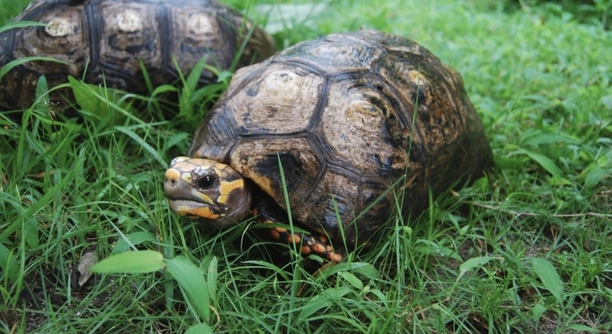
Red-footed tortoises are known for their slow, calm nature, but when they aren’t moving much, it can be concerning. Understanding why this might happen can help ensure their health and comfort.
A red-footed tortoise may not be moving much due to various factors, such as temperature changes, inadequate diet, stress, or illness. It’s important to observe their environment and behaviors closely to determine the cause and take action accordingly.
By understanding these possible causes, you can make informed decisions to help your tortoise feel better. Exploring these factors will help you identify the best course of action for your pet’s health and well-being.
Temperature Concerns
Temperature plays a big role in your red-footed tortoise’s activity levels. These tortoises are native to warm, tropical climates, so they require consistent warmth to stay active. If the environment is too cold, they may become sluggish and spend more time in their shell. A proper temperature gradient is crucial, with a basking area around 85-95°F (29-35°C) and a cooler zone of 70-80°F (21-27°C). Inadequate heat can also weaken their immune system, making them more susceptible to illness. If the temperature is too low, they may not have the energy to move around much.
A thermostat or a heat lamp can help maintain the right temperature range. Be sure to monitor it regularly and adjust as needed to prevent any sudden temperature drops.
If you notice that your tortoise isn’t moving much, check the temperature in their enclosure. If it’s too cool, they may be resting in a safe spot to conserve energy. Ensuring the proper warmth can help encourage activity.
Diet Issues
Your red-footed tortoise may not move much if it’s not getting the right food. They need a balanced diet that includes fresh vegetables, fruits, and occasional protein. If they’re not getting enough variety or the right nutrients, it can lead to low energy levels.
Overfeeding or feeding the wrong types of food can also result in weight gain, making it harder for them to move around. It’s important to avoid high-fat foods and instead focus on leafy greens like collard greens, dandelion greens, and fruits like papaya or banana. If your tortoise seems uninterested in food, it could be a sign of a health issue.
Sometimes, a lack of proper hydration also affects their movement. Dehydration can cause lethargy, so always provide fresh water and monitor their hydration closely. A good diet is key to ensuring they stay active and healthy.
Stress Factors
Stress can cause your tortoise to retreat into its shell and avoid movement. Changes in their environment, loud noises, or the presence of other animals can stress them out. A sudden shift in routine or handling too much can also make them feel insecure.
If the enclosure is too small or lacks hiding spots, your tortoise may feel vulnerable and reluctant to explore. Providing a safe, quiet environment can help reduce stress and encourage more movement. Keep the enclosure in a peaceful area away from distractions and other pets. Your tortoise needs a stress-free space to feel comfortable enough to roam.
Be mindful of how often you handle your tortoise. Some tortoises may become stressed from too much human interaction. Create a calm, stable habitat and your tortoise will likely feel more comfortable and move around more freely.
Illness or Injury
If your tortoise isn’t moving much, an illness or injury could be the cause. Respiratory infections, shell rot, or parasites can all lead to lethargy. Look for signs like discharge from the nose, swollen limbs, or abnormal behavior.
Any injury, even minor ones, can make it difficult for your tortoise to move around. Check for signs of injury on their limbs, shell, or body. If you notice anything unusual, it’s important to take them to a reptile vet for proper care. Early treatment can prevent further health issues.
Environmental Hazards
Sometimes, your tortoise may not be moving much due to environmental hazards. Sharp objects or an unsuitable substrate can cause discomfort or injury. Ensure the habitat is free from hazards that might hurt them.
The wrong type of bedding can cause irritation and affect their movement. Avoid sand or gravel that might be too rough or hard for them. Instead, use coconut coir, soil, or mulch, which is soft and comfortable. Providing the right setup can prevent issues that limit their movement.
Old Age
As red-footed tortoises age, their activity levels naturally decrease. Older tortoises tend to move less and may become more sedentary. This is normal and part of their natural aging process. Keep in mind that senior tortoises may need extra care.
FAQ
Why is my red-footed tortoise not eating?
A lack of appetite in a red-footed tortoise could be due to several factors. Temperature is one of the most common reasons. If the enclosure is too cool, your tortoise may lose its appetite. It’s important to ensure the temperature is within the ideal range. Another reason could be stress, especially if there has been a recent change in its environment or routine. Additionally, poor diet or a lack of variety in their food might cause disinterest in eating. Health issues such as parasites or illness can also lead to loss of appetite, so if it persists, a vet visit is recommended.
How do I know if my tortoise is dehydrated?
Signs of dehydration in a red-footed tortoise include a dry or wrinkled skin appearance, lethargy, and reduced activity. You might also notice that it isn’t drinking water as often as usual. To prevent dehydration, always provide fresh, clean water and consider soaking your tortoise in shallow water for about 20 minutes a few times a week. This helps maintain hydration and encourages drinking. Also, ensure the humidity levels in its enclosure are appropriate, as dry conditions can exacerbate dehydration.
Can my tortoise be too hot?
Yes, your red-footed tortoise can overheat if exposed to excessive heat. While they thrive in warm environments, too high a temperature can stress them out or even lead to heatstroke. The basking area should be kept between 85-95°F (29-35°C), and the cooler side of the enclosure should be around 70-80°F (21-27°C). Overheating may cause the tortoise to hide more often or become lethargic. If you suspect your tortoise is too hot, move it to a cooler area and adjust the temperature of its enclosure.
Why does my tortoise stay in its shell for long periods?
Tortoises retreat into their shells for protection when they feel threatened or stressed. However, prolonged hiding can also indicate health problems, stress, or an uncomfortable environment. Check the habitat for factors like temperature, humidity, and possible disturbances from other pets or people. It could also be due to a poor diet or an illness that is causing discomfort. If your tortoise is staying in its shell and not eating or moving around much, it’s best to consult with a reptile vet.
How can I make my tortoise more active?
To encourage more movement from your red-footed tortoise, ensure that its environment is stimulating and safe. Provide enough space for it to roam, and include hiding spots for comfort and security. Regularly adjust the temperature in the enclosure, as tortoises are more active when they are properly warmed. A well-balanced diet with fresh fruits, vegetables, and occasional protein can also improve energy levels. Additionally, limiting stress by keeping the habitat quiet and calm can make your tortoise feel more at ease and willing to explore.
What should I do if my tortoise is not moving for days?
If your red-footed tortoise hasn’t been moving for several days, it’s important to look at the bigger picture. Check the enclosure’s temperature, humidity, and lighting to ensure they are within the ideal range. Poor environmental conditions are often the cause of lethargy. Additionally, check for signs of injury, illness, or stress. If you cannot identify the issue, or if your tortoise shows signs of illness, a visit to the vet is strongly advised. It’s better to be cautious, as prolonged inactivity can be a sign of a serious health problem.
How do I tell if my tortoise has an infection?
Infections in red-footed tortoises can show various symptoms. Respiratory infections may cause nasal discharge, wheezing, or swollen eyes. If the tortoise has shell rot, you might notice soft spots, discoloration, or an unusual smell. Other signs of infection can include swelling of limbs or abnormal behavior, such as staying in one spot for long periods. If you observe any of these signs, it’s essential to seek veterinary care immediately. Infections can worsen quickly and affect your tortoise’s overall health if left untreated.
Can my tortoise live with other pets?
While some tortoises can coexist with other animals, red-footed tortoises are typically best kept alone. Other pets, such as dogs, cats, or even other reptiles, can stress out your tortoise. They may become territorial or feel threatened, leading to health and behavioral issues. If you plan to house multiple animals together, ensure that the other pets cannot reach or bother the tortoise. Always monitor their interactions closely and provide enough space and hiding areas to reduce stress. It’s generally recommended to keep your tortoise in a calm, quiet environment for the best well-being.
What do I do if my tortoise has a swollen leg?
A swollen leg in a red-footed tortoise can be a sign of injury, infection, or even a fluid buildup. If it was caused by an injury, make sure to provide a safe environment for your tortoise to rest and heal. If the swelling appears to be from an infection, or if the leg is tender to the touch, it’s important to take the tortoise to the vet. Swelling that doesn’t go away or worsens could indicate a serious problem that needs professional treatment. Keep the injured area clean, and make sure the tortoise isn’t overexerting itself.
Final Thoughts
If your red-footed tortoise isn’t moving much, it’s important to consider several factors that could be affecting its behavior. Environmental conditions like temperature, humidity, and light play a big role in their activity levels. Tortoises are cold-blooded, which means they rely on their surroundings to regulate their body temperature. If the enclosure is too cool or too hot, they may become lethargic and spend most of their time hiding or resting. Ensuring that their habitat has a proper temperature gradient with a basking spot and cooler area can encourage your tortoise to move around more. Regularly checking the temperature and adjusting the heating elements can help keep your tortoise active.
Another factor to consider is their diet. A red-footed tortoise requires a balanced diet consisting of a variety of vegetables, fruits, and occasional protein. If your tortoise is not getting the right nutrients, it may not have the energy to be active. Overfeeding or feeding too much of one type of food can also cause sluggishness. For a healthy tortoise, offer a mix of leafy greens, fruits, and occasional protein like insects or eggs. Fresh water should always be available, and sometimes, soaking your tortoise in shallow water helps with hydration. Make sure to remove any uneaten food to keep the habitat clean.
Lastly, stress and health issues can contribute to your tortoise’s lack of movement. Stress can arise from environmental changes, handling, or overcrowding in their living space. A safe, quiet environment will allow your tortoise to feel secure and move around comfortably. Health problems such as infections, dehydration, or injuries can also lead to reduced activity. If your tortoise is not moving for an extended period and you notice other signs like swollen limbs, discharge, or loss of appetite, it’s important to consult a reptile vet. Addressing any potential health concerns early can help ensure that your tortoise stays healthy and active.

Hello,
If you enjoy the content that we create, please consider saying a "Thank You!" by leaving a tip.
Every little bit helps us continue crafting quality advice that supports the health, happiness, and well-being of pets around the world, for pets of all shapes, sizes, and species.
We really appreciate the kindness and support that you show us!