7 Lessons Learned From My First Electric Yellow Cichlid Pair
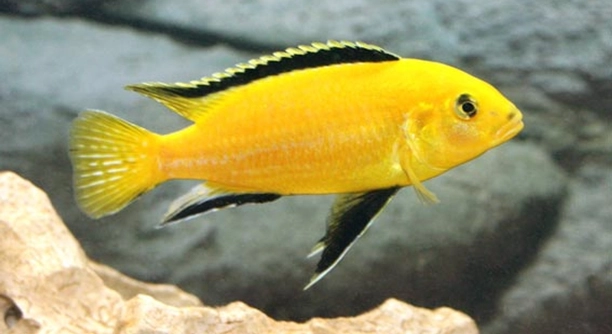
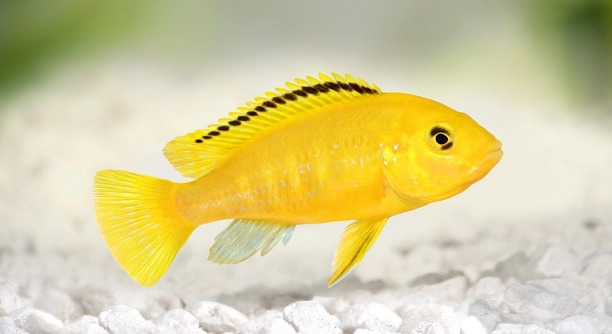
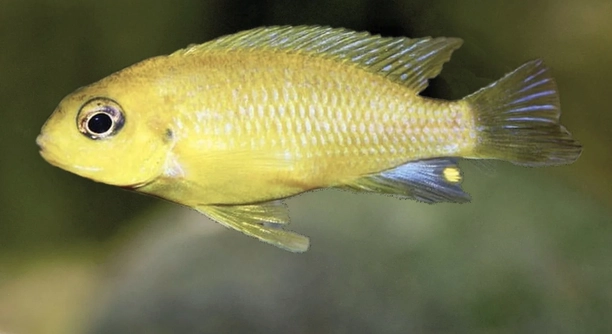
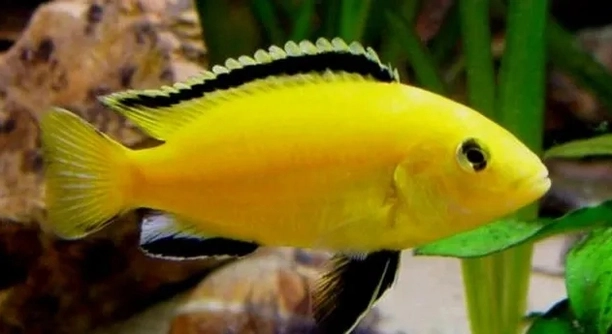
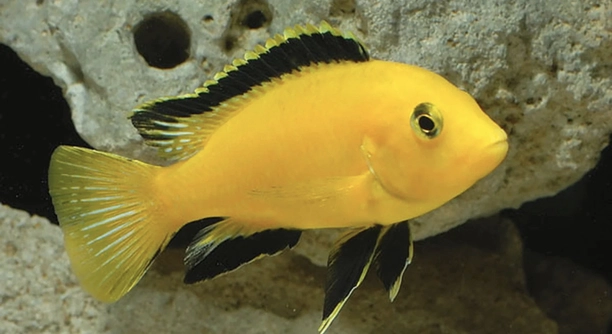
Owning electric yellow cichlids can be both exciting and challenging, especially for first-time fish keepers. Their vibrant color and lively behavior quickly make them the centerpiece of any home aquarium, drawing attention naturally. Raising a first pair of electric yellow cichlids teaches important lessons about water quality, diet, tank setup, and social behavior. Observing their … Read more
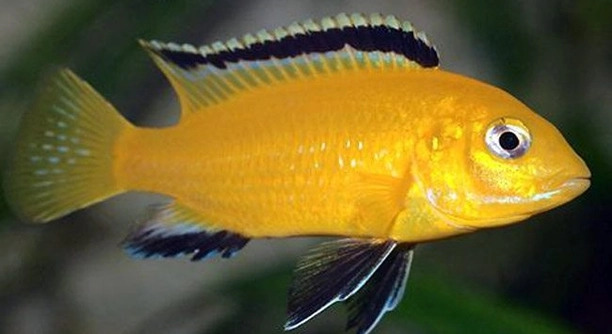
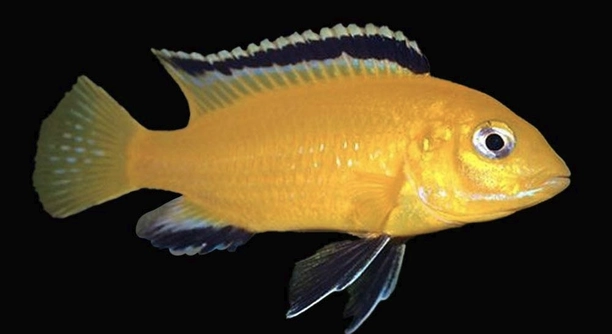
How Often Should You Rearrange a Cichlid Tank?

Many fish keepers find themselves thinking about how often their cichlid tank layout should change as they try to keep their aquarium lively and supportive for their active fish friends throughout each passing week cycle. Rearranging cichlid tanks should generally occur only when necessary, such as during territory conflicts or maintenance tasks. Excessive changes can … Read more

7 Effects of Overcrowding in Cichlid Tanks

Overcrowding in cichlid tanks is a common issue for many aquarium enthusiasts. It can seem harmless at first, but having too many fish in a small space often leads to stress and imbalance in the tank’s environment. Overcrowding in cichlid tanks causes multiple negative effects, including increased aggression, poor water quality, stunted growth, weakened immune … Read more

7 Social Shifts That Occur in Odd-Numbered Groups

Odd-numbered groups often behave differently than even-numbered ones. People may notice subtle changes in interaction, decision-making, and energy when a group has three, five, or seven members. These shifts can feel natural yet surprising. Social dynamics in odd-numbered groups tend to favor balance and influence distribution. Odd-numbered groups encourage compromise, reduce stalemates, and increase participation … Read more

7 Moments When Peace Replaces Aggression

Life often presents moments of tension that test our patience and temper. We face small conflicts with strangers, disagreements with loved ones, or inner struggles that make us feel restless and uneasy. Peace replaces aggression when individuals or groups consciously choose calm responses, empathetic understanding, and thoughtful reflection over confrontational behavior. This shift occurs through … Read more

7 Ways Cichlids Communicate Without Sound

Cichlids are colorful and active fish that use more than just sounds to express themselves. Observing them closely reveals a variety of movements and signals that convey important messages to other fish in their environment. Cichlids communicate through visual cues, body postures, fin displays, color changes, and other non-vocal signals. These methods serve purposes such … Read more

7 Weird Cichlid Reactions to Algae Growth

Many aquarists enjoy keeping cichlids, but they sometimes notice strange behavior when algae starts to grow in their tanks. These fish can react in unusual ways that seem odd to casual observers or beginners. Cichlids often display unique reactions to algae growth, including aggressive scraping, selective nibbling, or territorial displays. These behaviors are linked to … Read more

Do Electric Yellow Cichlids Show Emotions or Mood Swings?

Have you ever watched your electric yellow cichlids glide through the tank and wondered what their shifting behavior might mean as they move, pause, and interact with their surroundings in noticeable ways each day today. Electric yellow cichlids display behavior patterns that resemble mood shifts, yet these actions are primarily responses to environmental factors, social … Read more

7 Reasons to Add Natural Hiding Zones

Adding natural hiding zones in your garden or backyard can create a sense of privacy and safety for wildlife. These areas can also improve the overall environment, making it more balanced and visually appealing for visitors and residents. Natural hiding zones serve multiple ecological and behavioral functions. They provide shelter from predators, support breeding and … Read more

7 Movements Signaling an Invitation to Breed

Many animals have subtle ways of signaling readiness to mate, and observing these behaviors can help you understand them better. These movements are often natural, instinctual, and part of their daily interactions with others. Certain movements, such as specific postures, tail displays, vocalizations, or scent-marking behaviors, indicate an animal’s willingness to breed. Recognizing these signals … Read more