
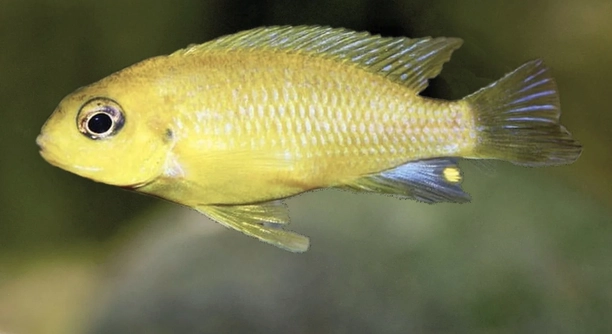
Many aquarists enjoy keeping cichlids, but they sometimes notice strange behavior when algae starts to grow in their tanks. These fish can react in unusual ways that seem odd to casual observers or beginners.
Cichlids often display unique reactions to algae growth, including aggressive scraping, selective nibbling, or territorial displays. These behaviors are linked to feeding instincts, environmental changes, and social interactions, highlighting the complex ways these fish respond to shifts in their habitat.
Observing these unusual behaviors can provide insight into your cichlids’ health and preferences, making it easier to maintain a balanced and engaging aquarium environment.
Aggressive Scraping Behavior
Some cichlids start scraping surfaces vigorously when algae appears on rocks or tank walls. They use their mouths to scrape the algae off, sometimes creating small marks or scratches on decorations. This behavior is most common in herbivorous species, which rely on algae as a natural food source. Observing the intensity and frequency of scraping can help determine how much algae is present and whether it is part of a healthy feeding routine or a sign of stress. In many cases, cichlids will focus on one area repeatedly, ignoring other spots. Over time, scraping can even damage softer decorations or plants if it continues unchecked. While it might look unusual or destructive, it is a natural method of obtaining nutrients, particularly in tanks with limited plant material. Monitoring this behavior ensures that fish remain healthy while maintaining the tank’s aesthetic appearance. Adjusting feeding routines or adding more plants can reduce excessive scraping.
Scraping behavior indicates a cichlid’s attempt to access nutrients while interacting with its environment in a natural manner.
Scraping can affect both the tank and the fish’s routine. Providing algae wafers or leafy vegetables can redirect some of this behavior. Keeping decorations sturdy and safe prevents damage, and offering multiple surfaces for scraping helps reduce competition among fish. Observing patterns in scraping can also reveal social hierarchies and preferences within the tank. Some cichlids scrape more aggressively when other fish are present, showing a mix of feeding instinct and territorial behavior. Adjusting lighting and cleaning schedules may also influence scraping, as algae growth can vary depending on tank conditions. Understanding these responses helps create a healthier environment while respecting natural behaviors.
Selective Nibbling
Some cichlids only eat certain types of algae while leaving other patches untouched. Their preference can vary based on texture, taste, or nutritional content, leading to uneven algae coverage in the tank.
Selective nibbling often reflects the species’ feeding habits and dietary needs. Herbivorous cichlids tend to prefer soft green algae, while others may ignore it entirely, focusing on more fibrous or nutrient-rich growth. This behavior helps maintain balance in a natural environment, but in a tank, it can result in some surfaces remaining heavily coated while others are cleaned quickly. Observing which areas are eaten first can indicate the fish’s preferences and overall health. Providing a variety of algae types or supplemental foods can help satisfy nutritional requirements and reduce frustration from limited options. Understanding these patterns also offers insight into how different cichlids coexist in shared spaces. By monitoring selective nibbling, tank owners can make small adjustments to feeding routines and decoration placement, supporting both fish well-being and tank cleanliness.
Territorial Algae Guarding
Cichlids sometimes guard patches of algae as if defending a resource. They chase other fish away from preferred spots, showing strong territorial instincts even over small areas.
This guarding behavior is linked to feeding and dominance. Fish will select a section of algae and patrol it consistently, preventing others from nibbling. It is more common in species with natural territorial tendencies. In aquariums with multiple fish, these disputes can become frequent, particularly if the tank lacks enough algae or hiding spaces. Providing several feeding areas and decorations reduces tension. Observing which fish guard which spots helps understand social hierarchies and can guide placement of plants or algae wafers.
Territorial guarding can influence overall tank dynamics. Some fish may become stressed if repeatedly chased, while dominant individuals maintain better access to food. Ensuring even distribution of algae or supplements can prevent over-aggression. Recognizing these behaviors allows adjustments to tank layout, feeding schedules, and population density, keeping both aggressive and submissive fish healthier. Monitoring interactions ensures conflicts remain mild, protecting weaker fish and encouraging natural behaviors without excessive stress.
Algae Ignoring
Certain cichlids completely ignore algae, even when it is abundant in the tank. This may seem odd since many species naturally feed on it, but diet and preference explain the behavior.
Ignoring algae is most common among carnivorous or omnivorous species. These fish prefer protein-rich foods and show little interest in plant matter. Even when algae is easily accessible, they will focus on prepared foods or live prey. Understanding this helps prevent misinterpreting behavior as laziness or illness. Tank owners can provide alternative nutrients, ensuring all dietary needs are met. Supplementing with meaty foods, frozen or live options, keeps these fish healthy while algae continues to grow elsewhere.
When algae is ignored, tank management must adapt. Manual cleaning may become necessary to prevent overgrowth, especially on decorations and glass surfaces. Observing which fish ignore algae also helps maintain proper species balance in mixed tanks, ensuring dominant algae eaters are not overworked. Combining species with varied diets encourages natural ecosystem dynamics while reducing stress on individual fish. Proper planning of feeding routines and decoration placement ensures the tank remains visually appealing and ecologically balanced, despite some fish avoiding algae entirely.
Algae Flicking
Some cichlids flick algae off surfaces with quick tail movements. This seems playful but is often a method to dislodge food or clean an area.
Flicking can also indicate frustration if algae is hard to reach. Fish may repeat the motion until the patch loosens or another fish approaches.
Nighttime Grazing
Certain cichlids feed mostly at night, ignoring algae during the day. This behavior aligns with natural feeding patterns, reducing daytime competition. Nighttime grazing helps maintain energy levels while allowing daytime species to feed without conflict. It also reflects instinctive habits from their natural habitats.
Bubble and Spit Reactions
Some cichlids blow bubbles or spit at algae before consuming it. This behavior may help loosen algae or test its texture and edibility. It shows a level of interaction with the environment beyond simple feeding, combining curiosity with instinctive foraging methods.
Ignoring Certain Algae Types
Not all algae appeal to cichlids. They may leave tougher or less palatable varieties untouched, focusing on preferred types instead. This selective feeding affects tank cleanliness and nutrient balance.
Why do cichlids scrape surfaces so aggressively?
Cichlids scrape surfaces primarily to access algae, which is an important part of their diet. Herbivorous species use their mouths to remove algae from rocks, driftwood, or tank walls. This behavior is natural and reflects their feeding instincts. Aggressive scraping may also increase when algae growth is limited, causing the fish to focus intensely on available patches. Monitoring scraping patterns helps ensure it is not due to stress or nutritional deficiency. Providing supplemental foods or extra surfaces to scrape can balance this behavior while keeping fish healthy.
Why do some cichlids ignore algae completely?
Not all cichlids are interested in algae. Carnivorous or omnivorous species often prefer protein-rich foods like pellets, frozen, or live prey. Ignoring algae does not indicate illness or laziness; it reflects dietary preference. Tank owners should provide alternative foods to meet nutritional needs and prevent these fish from losing weight or showing stress. Observing which fish avoid algae helps plan a tank with compatible species, ensuring dominant algae eaters do not become overworked while others focus on their preferred diet.
What causes selective nibbling behavior?
Selective nibbling occurs when cichlids eat only certain types of algae. Preferences can depend on texture, taste, or nutritional value. Soft green algae is often favored, while tougher or older growth may be ignored. This behavior is natural and helps fish obtain nutrients efficiently. Tank owners can support selective feeders by offering varied algae types or supplemental foods to meet nutritional requirements. Noticing which areas are eaten first allows for strategic placement of decorations and algae wafers, reducing conflicts and maintaining a healthy tank ecosystem.
Why do cichlids guard algae patches?
Some cichlids display territorial guarding over algae, chasing others away from preferred feeding spots. This behavior reflects dominance and feeding instincts. Territorial guarding is more common in species with naturally aggressive or territorial tendencies. To reduce stress, provide multiple feeding areas, decorations, or algae wafers, which distribute resources more evenly. Observing which fish guard specific patches helps understand social hierarchies and can inform adjustments in tank layout or population management. Guarding behaviors, while seemingly aggressive, are a normal part of cichlid interaction and do not indicate illness.
Why do cichlids feed at night instead of during the day?
Nighttime grazing is common for some species. These cichlids naturally feed during low-light conditions to reduce competition and predation. Nocturnal feeding allows daytime feeders to access algae freely without conflict. Providing consistent feeding schedules and observation during both day and night ensures all fish meet their dietary needs. Tank lighting and hiding spots can influence nighttime activity, and recognizing this behavior helps plan tank routines and feeding strategies without stressing other species.
What is the purpose of bubble blowing or spitting at algae?
Some cichlids blow bubbles or spit at algae before eating it. This behavior helps loosen algae from surfaces or test its texture and suitability for consumption. It combines curiosity and instinctive foraging methods, reflecting their natural interactions with the environment. Bubble blowing may be more common in younger or more active fish. Observing this behavior can indicate a healthy and engaged fish, and providing suitable surfaces and food types ensures this behavior remains part of normal feeding activity.
How can tank owners manage algae growth with these behaviors?
Cichlid reactions to algae influence tank maintenance. Aggressive scraping, selective nibbling, and ignoring certain types mean some areas may need manual cleaning. Supplemental foods, multiple feeding spots, and hardy decorations help balance fish behaviors while controlling algae. Understanding these natural responses allows for a healthy tank ecosystem. Observing behaviors regularly ensures interventions are appropriate and prevents stress or overgrowth. Combining species with different feeding habits supports ecological balance and reduces conflicts, keeping both the fish and the tank in better condition over time.
Do these behaviors indicate health problems?
In most cases, the behaviors discussed are natural and not signs of illness. Scraping, selective nibbling, guarding, or nighttime grazing reflects instinct, diet preference, and social interaction. Health concerns may arise if behaviors become extreme, fish lose weight, or aggression leads to injury. Monitoring activity, maintaining proper nutrition, and ensuring tank conditions remain stable prevents stress and supports overall well-being. These observations help differentiate between normal behavior and issues requiring attention, keeping your cichlids healthy and active in their environment.
How can feeding routines help manage unusual algae reactions?
Structured feeding routines reduce stress and balance algae consumption. Providing supplemental foods such as pellets, wafers, or vegetables ensures all species meet their nutritional needs. Timing feedings to coincide with natural activity periods encourages natural behaviors without overburdening certain fish. Observing feeding interactions informs adjustments to schedules, locations, and quantities of food. Proper routines help manage territorial disputes, reduce excessive scraping, and ensure selective feeders are satisfied, supporting a harmonious tank environment while minimizing unwanted algae accumulation.
What are the signs that algae reactions are excessive?
Excessive reactions include constant scraping, obsessive guarding, frequent aggression, or refusal to eat supplemental foods. These behaviors may indicate insufficient nutrition, overcrowding, or stress. Tank owners should evaluate feeding practices, decorations, and population balance. Interventions such as adding extra feeding areas, providing algae wafers, or adjusting tank layout help moderate behaviors while ensuring fish remain healthy and engaged with their environment. Regular observation allows early detection of potential problems, maintaining both fish well-being and tank condition.
Cichlids are fascinating fish, and their reactions to algae show just how complex and instinctive their behaviors can be. Some species scrape surfaces aggressively, while others nibble selectively or even ignore algae entirely. These differences often depend on the species’ natural diet, territorial tendencies, and social behavior. Understanding these patterns helps tank owners interpret what they are seeing without worrying that something is wrong. By paying attention to which fish display certain behaviors, it becomes easier to predict feeding preferences and manage the aquarium environment in a way that supports all species present. Observing these natural habits is not only interesting but also an important part of responsible fishkeeping.
Providing a variety of foods and ensuring proper nutrition can make a significant difference in how cichlids interact with algae. Herbivorous species may rely heavily on algae as a food source, while carnivorous or omnivorous species often prefer protein-based diets. Supplemental foods such as algae wafers, leafy vegetables, or live prey can help balance nutrition and reduce aggressive or obsessive behaviors. Adjusting feeding schedules and offering multiple areas for grazing can also minimize conflicts over food and territory. These small interventions help maintain harmony in the tank while still allowing fish to display their natural behaviors. Recognizing which behaviors are normal and which may indicate stress or nutritional gaps ensures the fish remain healthy and active.
Tank setup and maintenance play an equally important role in shaping how cichlids react to algae. Providing sturdy decorations, hiding spaces, and a variety of surfaces allows fish to engage in natural behaviors without causing damage or stress. Regular cleaning and monitoring of algae growth ensure that it does not become excessive, which could upset the balance of the tank. Observing interactions between fish, such as guarding or territorial disputes, helps determine if adjustments to population density or tank layout are needed. By combining thoughtful feeding practices with careful tank management, aquarists can create an environment where cichlids remain healthy, active, and engaged with their surroundings. These considerations make fishkeeping more rewarding while supporting the well-being of all the aquarium inhabitants.

Hello,
If you enjoy the content that we create, please consider saying a "Thank You!" by leaving a tip.
Every little bit helps us continue crafting quality advice that supports the health, happiness, and well-being of pets around the world, for pets of all shapes, sizes, and species.
We really appreciate the kindness and support that you show us!