
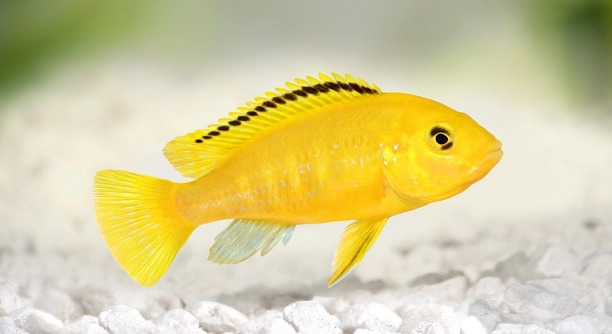
Cichlids are colorful and active fish that use more than just sounds to express themselves. Observing them closely reveals a variety of movements and signals that convey important messages to other fish in their environment.
Cichlids communicate through visual cues, body postures, fin displays, color changes, and other non-vocal signals. These methods serve purposes such as establishing dominance, attracting mates, signaling stress, and coordinating social behaviors within their aquatic communities.
Understanding these subtle interactions can enhance your appreciation of cichlid behavior and help maintain a harmonious aquarium environment.
Fin Displays and Body Postures
Cichlids often use fin displays and body postures to communicate with other fish in their tank. By raising or spreading their fins, they can show aggression, establish dominance, or signal readiness to mate. A cichlid with flared fins usually wants to appear larger, deterring rivals from approaching. Similarly, certain body positions, like lowering the head or arching the back, indicate submission or caution. Observing these subtle movements helps in understanding social hierarchies and maintaining balance among your fish. Different species have unique postures, so knowing what is normal for your cichlids is important. For instance, territorial species may display more pronounced fin spreads compared to peaceful ones. Being able to read these signals allows you to anticipate interactions, prevent fights, and support healthy relationships between your fish. Regular observation ensures you can respond appropriately if tensions rise, and it encourages a more stable, harmonious environment in the aquarium.
Fin displays and body postures are clear signals of cichlid mood, dominance, and social interactions within the tank.
Watching these movements closely can reveal which fish are dominant, stressed, or ready to breed, allowing better tank management and preventing conflicts.
Color Changes
Cichlids often change colors to convey messages. Bright, vibrant colors usually indicate health, confidence, or readiness to mate, while dull or faded colors can signal stress, illness, or submission. These changes are controlled by specialized cells called chromatophores, which adjust pigmentation based on mood or environmental factors. For example, a dominant male may display intense coloration to attract females and warn other males to stay away. Submissive fish often show muted colors to avoid confrontation. Color changes are not always permanent and can fluctuate rapidly depending on interactions with other fish or shifts in lighting and water conditions. Being attentive to these shifts can help you identify stressors or social issues in the tank early, allowing adjustments to diet, environment, or tank arrangement. Understanding cichlid color signals enhances your ability to create a balanced, healthy aquarium and ensures each fish can communicate naturally.
Color changes provide instant visual feedback on cichlid health, mood, and social dynamics, making them an essential aspect of their communication.
Monitoring these signals allows you to respond effectively to stress, dominance disputes, or breeding behavior, supporting both fish welfare and a peaceful tank environment.
Eye Contact and Gazes
Cichlids use eye contact to establish social order. A direct stare can indicate dominance or challenge, while avoiding eye contact signals submission. Watching these cues helps predict interactions and reduce aggression in the tank.
Direct eye contact in cichlids often signals confidence or territorial intent. Dominant fish may fix their gaze on rivals to assert authority or ward off potential threats. Submissive fish tend to avert their eyes, showing they do not intend to provoke conflict. Understanding these visual cues allows you to identify tensions before they escalate into physical altercations. Eye contact also plays a role in mating, as attentive gazes can signal interest and readiness to pair. Observing these behaviors can provide insight into hierarchy and compatibility among tank mates, helping maintain a balanced social structure.
Gazes can also indicate curiosity and awareness of the surroundings. Fish may watch movements outside the tank, alert to changes, or respond to your presence. Regularly noticing these behaviors allows you to track well-being and recognize stress signals early, ensuring the cichlids remain healthy and confident in their environment.
Tail Movements
Tail movements are key indicators of mood in cichlids. Rapid flicks or swishes often show excitement or agitation, while slow, deliberate motions suggest calmness or caution.
Tail movements communicate a variety of messages, from signaling readiness to mate to warning rivals. A fast, strong tail flick can indicate aggression or alertness, especially when paired with raised fins or a stiff body posture. Conversely, gentle swaying or relaxed tail motions suggest the fish feels secure and unthreatened in its environment. Tail signals also help coordinate interactions between tank mates, reducing conflicts by allowing others to interpret intentions without physical confrontation. Recognizing these movements is especially important in mixed-species tanks or those with territorial fish, as it helps prevent stress-related behavior. By paying attention to tail behavior, you gain insight into mood, social standing, and overall health.
Tail movements often accompany other visual signals like fin displays, body posture, and color shifts. Coordinated observation of these cues allows you to interpret cichlid behavior more accurately, enhancing management of the aquarium. Understanding tail signals helps anticipate potential aggression, support mating behavior, and maintain a stable, harmonious environment for all fish.
Gill and Body Quivering
Cichlids often quiver their gills or shake their bodies to signal readiness or alertness. This subtle movement can indicate excitement, aggression, or preparation for mating, depending on the context within the tank.
Body quivering is a form of non-verbal communication. It allows cichlids to express intent without engaging in direct conflict. During courtship, males may quiver to attract females, while in territorial disputes, quivering can warn rivals to back off. Observing these motions helps interpret mood and intentions, ensuring better management of social interactions in the aquarium.
Nesting and Cleaning Behavior
Cichlids display communication through nesting and cleaning activities. Rearranging substrate, clearing areas, or digging pits signals territorial claims, readiness to breed, or care for eggs, indicating important social and reproductive behaviors.
Tail Drags and Fin Flicks
Tail drags and fin flicks serve as subtle warnings or invitations. These movements provide clear cues about intentions, helping fish coordinate interactions without escalating conflicts.
How do cichlids use body posture to communicate?
Cichlids rely heavily on body posture to express dominance, submission, or readiness to mate. A fish that arches its back or raises its head signals authority or aggression. In contrast, a cichlid that lowers its body or keeps fins tucked shows submission or caution. These signals reduce the need for physical fights and help maintain order in the tank. Observing these postures allows you to identify which fish are dominant, which are stressed, and which may need more space to prevent conflicts. Body posture is especially important in territorial species, where hierarchy plays a key role in maintaining balance.
Why do cichlids change colors?
Color changes are one of the most visible forms of communication for cichlids. Bright colors often indicate health, confidence, or readiness to breed, while dull or muted tones can signal stress, illness, or submission. Chromatophores in their skin allow rapid changes in pigmentation depending on mood or social interactions. For instance, males display intense colors to attract females or warn rivals, while submissive fish fade to avoid confrontation. Noticing these changes can alert you to potential stressors or social tensions in the tank. Color communication is also influenced by lighting and water quality, so proper tank maintenance ensures accurate expression.
What role do fin displays play in cichlid communication?
Fins are essential tools for signaling. Raised or spread fins show dominance or readiness to mate, while flattened fins often indicate submission or fear. Aggressive displays usually involve spreading the dorsal and anal fins to appear larger, deterring rivals from approaching. Fin movements are often combined with body posture and tail signals, forming a complete visual message. By watching these cues, you can anticipate interactions, prevent fights, and maintain harmony among your cichlids. Fin displays also help in identifying which fish are stressed or uncomfortable, allowing timely adjustments to tank conditions.
How do eye contact and gazes affect cichlid behavior?
Direct eye contact in cichlids can indicate dominance, territorial claims, or readiness to mate. Submissive fish avoid staring, signaling they do not intend to provoke conflict. Observing eye contact can help predict aggressive encounters and reduce stress in the tank. Eye movements also show curiosity and awareness of environmental changes. Recognizing these visual cues helps maintain a peaceful environment and ensures each fish’s needs are met.
Why do cichlids quiver or shake their bodies?
Gill and body quivering serve multiple purposes. During courtship, males quiver to attract females or signal interest. In territorial disputes, quivering warns rivals without resorting to physical aggression. These subtle movements also reflect excitement or alertness to nearby changes. Noticing this behavior allows you to understand your cichlids’ moods and intentions, helping prevent unnecessary stress or injury.
How do tail movements communicate intentions?
Rapid tail flicks or swishes often indicate agitation, alertness, or excitement, while slow, deliberate motions suggest calmness. Tail movements work with fin displays and body posture to convey complex messages about mood, dominance, or reproductive readiness. Understanding tail signals helps anticipate potential conflicts and supports a balanced, peaceful aquarium environment.
What do nesting and cleaning behaviors signal?
Cichlids use nesting and cleaning activities to claim territory, prepare for breeding, or care for eggs. Digging, moving substrate, or clearing areas communicates reproductive readiness and social status. These behaviors indicate the fish are healthy, motivated, and engaged in normal social interactions. Recognizing these cues allows better management of breeding pairs and ensures proper space and conditions for each fish.
Can cichlids communicate without making sounds?
Yes, most cichlid communication relies on visual signals, body movements, color changes, and behavioral cues rather than vocalizations. These methods are highly effective in maintaining social order, expressing mood, and coordinating reproductive activities. Observing these non-verbal cues provides insight into their health, social interactions, and overall well-being.
How can observing these behaviors improve tank management?
By paying attention to body posture, fin displays, eye contact, color changes, and tail movements, you can anticipate conflicts, identify stress, and support breeding behaviors. Observing these cues ensures that tank conditions meet the needs of all cichlids, creating a harmonious and healthy environment. Regular monitoring allows timely adjustments to lighting, space, and social arrangements, improving overall fish welfare.
What is the most important behavior to monitor?
While all non-verbal signals are important, body posture and color changes provide immediate insight into mood, dominance, and health. Regular observation helps prevent aggression, supports breeding, and ensures your cichlids thrive. Paying attention to these behaviors allows proactive management and a stable, peaceful tank.
Cichlids are fascinating fish with complex ways of communicating without sound. They rely on visual cues, body movements, color changes, and subtle behaviors to interact with each other and their environment. Understanding these non-verbal signals is key to maintaining a healthy and balanced aquarium. Observing their daily interactions can reveal a lot about their mood, social hierarchy, and overall well-being. Even small actions, like a flick of the tail, a change in color, or a shift in posture, can convey important messages. By paying attention to these details, you gain insight into their natural instincts and social structures, allowing for better care and management.
Color changes are one of the most noticeable methods cichlids use to communicate. Bright and vibrant colors often show confidence, health, or readiness to mate, while duller tones may indicate stress, illness, or submission. Body postures and fin displays work alongside these changes, creating a complete system of visual signals. Tail movements, gill quivers, and eye contact also play important roles in signaling intentions or emotions. Nesting and cleaning behaviors communicate territorial claims and readiness to breed. Every action, no matter how subtle, serves a purpose in social interactions. Recognizing and understanding these behaviors is crucial for preventing conflicts, supporting breeding efforts, and ensuring a harmonious environment in the tank.
Monitoring cichlid behavior is not just about keeping the aquarium peaceful; it also helps in maintaining their overall health. Stress, aggression, or illness often shows up first through changes in posture, color, or movement. Observing these signs allows you to intervene before small issues become serious problems. A well-maintained tank with appropriate space, compatible tank mates, and proper environmental conditions encourages natural communication and reduces tension among fish. Paying attention to these subtle signals also makes caring for cichlids more rewarding, as you can witness their social interactions and understand their needs. Learning to interpret their behaviors builds a closer connection to these fish and ensures they thrive in a safe, balanced, and comfortable home.

Hello,
If you enjoy the content that we create, please consider saying a "Thank You!" by leaving a tip.
Every little bit helps us continue crafting quality advice that supports the health, happiness, and well-being of pets around the world, for pets of all shapes, sizes, and species.
We really appreciate the kindness and support that you show us!