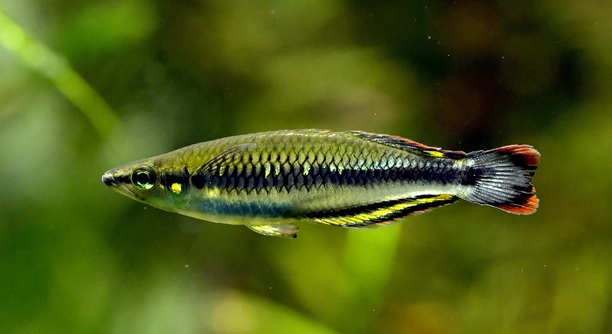
Do Rainbowfish Get Used to Noise Over Time?
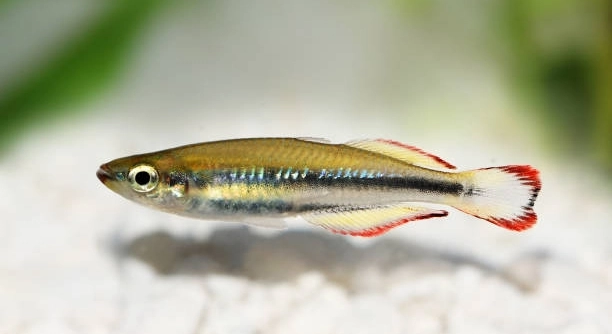
Do rainbowfish are colorful and lively additions to home aquariums, often bringing movement and charm to any tank. Their presence is calming, yet the impact of surrounding noise on their behavior is not always obvious or straightforward. Rainbowfish can acclimate to consistent, non-threatening background noise over time, though sudden or loud disruptions may still cause … Read more
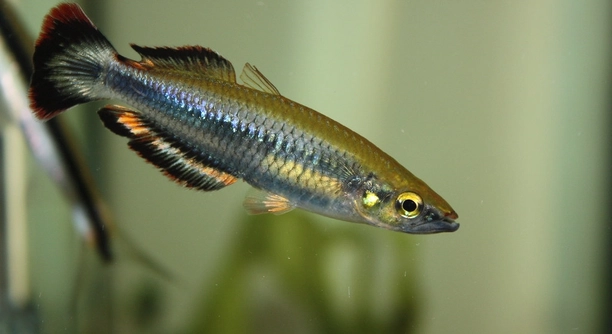
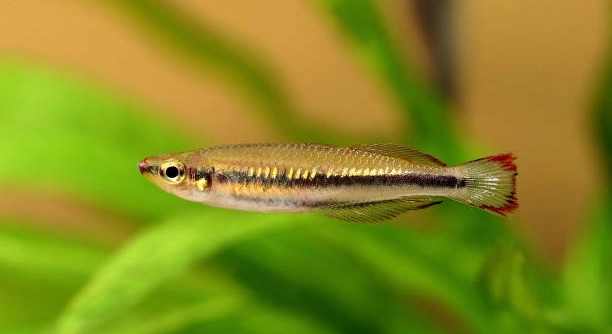
Why Rainbowfish Sometimes Avoid Each Other

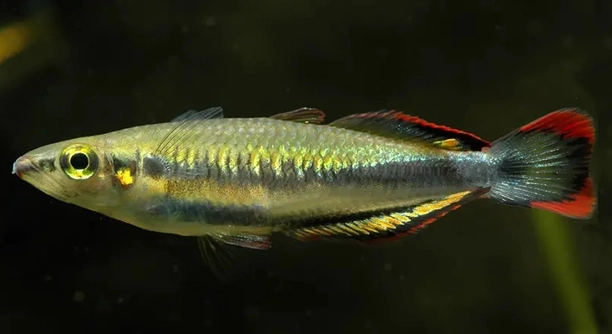
Rainbowfish are colorful and lively creatures, often admired for their shimmering scales and playful behavior. While they usually swim together, there are times when these fish seem to avoid one another for no obvious reason. Rainbowfish sometimes avoid each other due to territorial behavior, stress from overcrowding, or differences in social hierarchy. Environmental factors, such … Read more

Why Do Rainbowfish Sometimes Refuse Food?

Rainbowfish are colorful and lively, but sometimes they may ignore the food you offer. Observing their behavior can be puzzling, especially when they seem healthy yet show no interest in eating during feeding times. Rainbowfish may refuse food due to stress, changes in water conditions, illness, or dietary preferences. Environmental factors, such as water temperature, … Read more

7 Causes of Floating Waste in Rainbowfish Tanks

Are your rainbowfish tanks showing signs of floating waste despite regular maintenance? This common issue can be frustrating for aquarists, affecting both water clarity and overall tank health. Many factors contribute to this problem, often unnoticed by hobbyists. Floating waste in rainbowfish tanks primarily results from overfeeding, uneaten food, decaying plant matter, inefficient filtration, excessive … Read more

7 Reasons Rainbowfish Prefer Live Foods

Do your rainbowfish seem more excited during feeding time, showing brighter colors and livelier swimming patterns as you offer food, creating a moment that helps you notice what they enjoy most in their daily routine. Rainbowfish prefer live foods because these options closely replicate their natural feeding behavior, improve nutrient absorption, support healthy growth, enhance … Read more

Do Madagascar Rainbowfish Like to Play? (Fun Behavior Guide)

Have you ever noticed subtle bursts of energy and color when Madagascar rainbowfish move together, creating lively moments that feel playful within a calm aquarium setting during daily routines observed by attentive keepers worldwide today. Madagascar rainbowfish exhibit behaviors interpreted as play, including synchronized swimming, gentle chasing, and rapid color shifts. These actions reflect social … Read more

7 Tank Layout Ideas That Encourage Exploration

Write in a simplistic style, 3 paragraphs for the intro of the article: “7 Tank Layout Ideas That Encourage Exploration”. Make it sound partially friendly. Follow the format mentioned. Do not say: “Picture this” or “Stay tuned” or “Dive” or “Delve”; Use the Format:; Paragraph: 35 words that will be a short intro to the … Read more

Why Rainbowfish May Nip at Tank Mates

Rainbowfish are known for their vibrant colors and active swimming, making them popular in home aquariums. However, their lively nature can sometimes lead to unexpected nipping behaviors toward other tank mates. Rainbowfish may nip at tank mates primarily due to territorial instincts, social hierarchy establishment, or insufficient space. Aggression can also arise from stress, overcrowding, … Read more

7 Causes of Discomfort in Clean Tanks

Keeping a tank clean is satisfying, yet sometimes discomfort persists even in spotless conditions. Many fish and aquatic animals can show stress or unusual behavior despite water clarity. Understanding the hidden causes is essential for their well-being. Discomfort in clean tanks often arises from factors beyond visible dirt. Water chemistry imbalances, improper temperature, overcrowding, inadequate … Read more

7 Clues Your Fish Is Overstimulated

Is your fish swimming frantically, hiding more than usual, or showing unusual colors? Overstimulation in fish can happen quietly, affecting their behavior and overall health. Recognizing the signs early helps keep your aquatic pets calm and safe. Fish can become overstimulated due to excessive light, strong currents, overcrowding, or frequent disturbances. Signs include erratic swimming, … Read more