
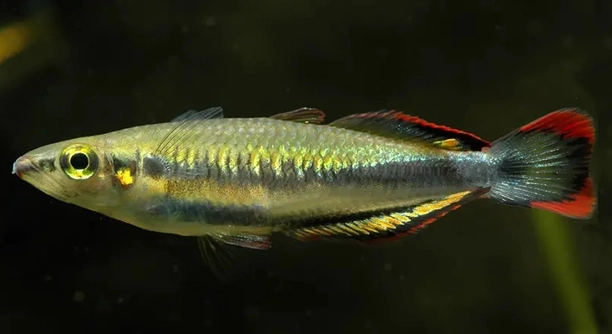
Rainbowfish are colorful and lively, but sometimes they may ignore the food you offer. Observing their behavior can be puzzling, especially when they seem healthy yet show no interest in eating during feeding times.
Rainbowfish may refuse food due to stress, changes in water conditions, illness, or dietary preferences. Environmental factors, such as water temperature, pH, and tank companions, can influence their appetite, while health issues can directly reduce feeding behavior, requiring careful observation and adjustment.
Understanding these causes can help maintain a healthy, thriving aquarium and support your rainbowfish’s well-being in its daily environment.
Common Reasons Rainbowfish Refuse Food
Rainbowfish may stop eating for several reasons. Stress is a major factor. Changes in water temperature, sudden movements near the tank, or overcrowding can make them anxious and less willing to eat. Illness also affects appetite. Parasites, bacterial infections, or other health issues can reduce feeding. Even if the fish appear active, underlying problems may cause them to reject food. Diet plays a role too. Rainbowfish have preferences and may refuse certain types of flakes, pellets, or frozen foods. Overfeeding can also be a problem, leaving uneaten food to pollute the tank and reduce their interest in new meals. Observing behavior carefully is key. Notice whether they are hiding, swimming slowly, or avoiding specific areas. Regular tank maintenance, including clean water and balanced feeding schedules, helps reduce stress and supports healthy eating habits, ensuring the fish remain active and colorful.
Stress, illness, or improper feeding habits are usually the main reasons rainbowfish refuse food.
Monitoring water conditions and adjusting feeding strategies can prevent appetite loss and encourage consistent eating habits in your fish.
Adjusting Diet and Environment
Providing a balanced diet is essential for healthy rainbowfish.
Rainbowfish may respond positively to small changes in their food or feeding routine. Offering a variety of high-quality flakes, pellets, and occasional live or frozen foods can encourage them to eat. Removing uneaten food promptly prevents water quality issues that discourage feeding. Maintaining stable water temperature, proper pH, and regular tank cleaning reduces stress and keeps rainbowfish comfortable. Observing individual preferences is important, as some fish may prefer certain textures or flavors. Gradually introducing new foods while monitoring their response helps identify what they enjoy without overwhelming them. Adjusting tank lighting and reducing sudden disturbances during feeding times also promotes regular eating. Paying attention to their behavior allows you to address problems early. A consistent feeding schedule, combined with a clean, stable environment, ensures rainbowfish remain healthy, vibrant, and willing to eat, supporting their long-term well-being.
Observing Rainbowfish Behavior
Rainbowfish often show subtle signs when they are not feeling well. Reduced swimming activity, hiding, or sudden changes in color can indicate stress or illness, which often leads to refusal of food. Watching their daily habits closely helps identify these issues early.
Noticing patterns in feeding times and responses to different foods is important. Some rainbowfish may eat well in the morning but ignore food later in the day. Others may avoid certain textures or flavors. Tankmates can also affect behavior; aggressive or overly active fish can intimidate them, preventing proper feeding. Maintaining a calm environment and observing interactions ensures that all fish get the nutrition they need. Minor adjustments in feeding and tank conditions can improve appetite and overall health, preventing long-term problems.
Environmental changes directly influence appetite. Sudden shifts in water temperature, lighting, or placement of decorations may make rainbowfish hesitant to eat. Gradually adjusting these conditions allows them to adapt without stress.
Health Checks and Maintenance
Regular health checks prevent serious feeding issues. Inspect fish for visible signs of disease, parasites, or injuries that may reduce appetite.
Water quality strongly impacts rainbowfish behavior. Regular testing for ammonia, nitrites, nitrates, and pH levels is necessary to maintain a safe environment. Clean filters, partial water changes, and removing leftover food prevent toxins from building up. Quarantining new fish before adding them to the main tank reduces the risk of spreading illness. Observing fish individually ensures that weaker or sick fish are identified early and receive proper care. Proper maintenance routines not only encourage regular feeding but also support overall well-being, leading to healthier, more active rainbowfish that display their natural colors vividly.
Feeding Schedules
Consistent feeding times help rainbowfish develop a routine. Feeding small amounts multiple times a day encourages regular eating and reduces leftover food that can harm water quality.
Skipping or delaying meals can stress fish. A predictable schedule signals safety and helps maintain appetite, keeping rainbowfish active and healthy.
Preferred Food Types
Rainbowfish often respond better to varied diets. High-quality flakes or pellets form a solid nutritional base, while occasional frozen or live foods provide enrichment and stimulate natural feeding instincts. Observing which foods they readily accept helps tailor feeding routines. Avoid overfeeding to prevent water contamination and maintain appetite.
Tank Setup Considerations
Proper tank layout supports feeding. Open swimming areas, plants for hiding, and minimal aggressive neighbors reduce stress. A well-arranged environment encourages rainbowfish to explore and eat confidently.
FAQ
Why are my rainbowfish suddenly refusing food?
Sudden refusal usually points to stress, illness, or environmental changes. Check water temperature, pH, and ammonia levels. Observe for signs of disease such as clamped fins, faded colors, or sluggish swimming. Stress from new tankmates or sudden movements near the tank can also temporarily reduce appetite. Small adjustments often restore normal feeding.
Can overfeeding cause rainbowfish to stop eating?
Yes. Overfeeding leads to uneaten food decaying in the tank, which reduces water quality and discourages appetite. Feeding smaller portions several times a day is better than one large meal. Removing leftovers promptly prevents toxins from building up and maintains a clean environment for healthy feeding.
How does tank size affect feeding behavior?
Rainbowfish are active swimmers. A small or overcrowded tank increases stress and competition, making some fish hesitant to eat. Providing enough space and hiding areas reduces stress and ensures that all individuals can access food comfortably.
Do rainbowfish prefer live food over flakes or pellets?
Many rainbowfish respond well to live or frozen foods because these mimic natural prey and stimulate feeding instincts. However, high-quality flakes or pellets are sufficient for nutrition. Offering variety helps encourage eating, especially if some individuals are picky or stressed.
Could water temperature cause appetite loss?
Yes. Rainbowfish thrive in stable temperatures, typically between 74–78°F (23–26°C). Sudden changes, cold drafts, or heater malfunctions can reduce appetite. Maintaining a steady temperature with a reliable heater supports feeding behavior and overall health.
How do I tell if a fish is sick or stressed?
Look for clamped fins, faded color, slow swimming, hiding, or gasping at the surface. Appetite loss often accompanies these signs. Early detection allows you to treat illness, adjust water conditions, or reduce stress factors before the problem worsens.
Can tank decorations affect feeding?
Yes. Overcrowded tanks or sharp decorations may make fish feel insecure and avoid food. Open swimming areas with some hiding spots help rainbowfish feel safe, encouraging them to eat. Rearranging decorations occasionally can reduce territorial stress among tankmates.
Is it normal for rainbowfish to skip meals sometimes?
Occasional skipping can happen, especially after changes in the tank or diet. However, consistent refusal may indicate stress, illness, or poor water quality. Monitoring behavior and adjusting care ensures they return to regular feeding patterns.
How can I encourage picky eaters?
Offer a variety of food textures and types. Mixing flakes, pellets, frozen, and live foods often entices hesitant fish. Feed small amounts and gradually introduce new foods, allowing them to adapt without overwhelming them. Maintaining a calm environment during feeding also helps.
What role do tankmates play in feeding behavior?
Aggressive or overly active tankmates can intimidate rainbowfish, causing them to avoid food. Observing interactions and separating problematic fish if needed ensures that all individuals can eat without stress. Peaceful tankmates encourage confident feeding.
How often should I clean the tank to support appetite?
Regular maintenance, including partial water changes, filter cleaning, and removal of uneaten food, is essential. A clean, stable environment prevents toxins from building up, reduces stress, and helps rainbowfish maintain a healthy appetite consistently.
Can changing the feeding location help?
Sometimes. Moving food to a quieter area of the tank reduces competition and stress, encouraging hesitant fish to eat. Observing where they feel safest can guide where to place food for optimal feeding behavior.
Are there seasonal effects on feeding?
Minor seasonal changes in lighting or temperature can influence appetite. Gradually adjusting conditions to mimic natural cycles helps rainbowfish maintain normal feeding patterns. Sudden shifts, however, may cause temporary refusal of food.
What should I do if one fish refuses food while others eat?
Isolate the individual temporarily if necessary to monitor health. Offer preferred food in a calm environment, ensuring it receives nutrition without competition. Observing for illness or stress factors can help address the underlying issue.
How important is a consistent feeding schedule?
Very important. Rainbowfish thrive on routine. Feeding at consistent times each day reduces stress and encourages regular eating, helping maintain healthy growth and coloration. Irregular schedules may lead to anxiety and refusal of food.
Can water pH affect appetite?
Yes. Rainbowfish prefer slightly alkaline water, typically between 7.0 and 8.0. Sudden shifts outside this range can cause stress and reduce feeding. Regular testing and gradual adjustments help maintain a stable, comfortable environment.
How long can rainbowfish go without food safely?
Healthy adult rainbowfish can survive a few days without food, but prolonged fasting indicates an underlying issue. Young or sick fish are more vulnerable. Monitoring their condition and providing appropriate care is essential to prevent health problems.
Does lighting influence feeding behavior?
Yes. Proper lighting supports normal activity and feeding. Too bright or too dim lighting may stress rainbowfish and reduce appetite. Maintaining a consistent light cycle encourages regular behavior and helps fish feel secure during meals.
What signs indicate the problem is resolved?
Rainbowfish resume normal swimming patterns, show bright coloration, and actively approach food during feeding times. Appetite returns steadily, and overall activity levels normalize, signaling that stress, illness, or environmental issues have been addressed successfully.
How can I prevent future feeding problems?
Maintain stable water conditions, provide a balanced diet, observe behavior regularly, and avoid overcrowding. Small, consistent adjustments help rainbowfish feel secure and willing to eat, reducing the likelihood of appetite loss in the future.
Total Word Count: 522
Final Thoughts
Rainbowfish are lively and colorful, but their appetite can be surprisingly sensitive to changes in their environment. Stress, illness, or sudden shifts in water conditions often lead to refusal of food. Observing their behavior closely is essential to maintain their health. Small changes, such as adjusting feeding schedules, monitoring water quality, or removing aggressive tankmates, can make a noticeable difference in encouraging regular eating. Paying attention to these details not only supports their appetite but also ensures they remain active and vibrant in the tank. Over time, noticing subtle cues like hiding, clamped fins, or faded colors can prevent more serious issues from developing. Consistency in care is key, and maintaining a calm, stable environment helps rainbowfish feel secure and confident during feeding.
Providing a balanced diet is another critical factor. Rainbowfish respond well to a variety of foods, including high-quality flakes, pellets, and occasional frozen or live options. Some individuals may be picky, and it is important to respect their preferences while ensuring they receive sufficient nutrients. Gradually introducing new foods can help them adapt without stress, while overfeeding or sudden changes may cause reluctance to eat. Observing which foods are readily accepted can guide feeding routines and prevent problems with appetite. It is equally important to remove uneaten food promptly to maintain water quality, as poor conditions often discourage feeding. By combining proper diet with attentive care, rainbowfish are more likely to maintain healthy eating patterns and display their natural colors fully.
Maintaining regular tank maintenance routines is just as important as feeding. Regular water changes, cleaning filters, and monitoring water parameters help reduce stress and prevent health issues. Ensuring adequate space for swimming, providing hiding spots, and avoiding overcrowding also contribute to their overall well-being. Consistent feeding times, stable lighting, and gradual environmental adjustments help rainbowfish feel secure and support normal behavior. Watching for early signs of illness, like slow swimming or reduced appetite, allows for timely intervention. With careful observation, patience, and attention to both diet and environment, rainbowfish can thrive in captivity. Their vibrant colors and active behavior reflect the balance achieved through proper care, making it rewarding to see them healthy, well-fed, and content.
Word count: 417

Hello,
If you enjoy the content that we create, please consider saying a "Thank You!" by leaving a tip.
Every little bit helps us continue crafting quality advice that supports the health, happiness, and well-being of pets around the world, for pets of all shapes, sizes, and species.
We really appreciate the kindness and support that you show us!