
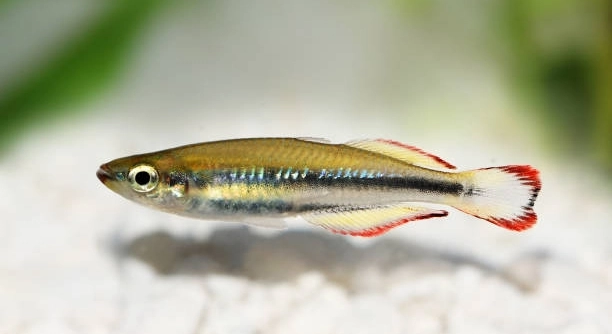
Is your fish swimming frantically, hiding more than usual, or showing unusual colors? Overstimulation in fish can happen quietly, affecting their behavior and overall health. Recognizing the signs early helps keep your aquatic pets calm and safe.
Fish can become overstimulated due to excessive light, strong currents, overcrowding, or frequent disturbances. Signs include erratic swimming, loss of appetite, hiding, rapid gill movement, and color changes, all of which indicate environmental stress requiring immediate adjustment.
Understanding these clues will help you create a calmer, healthier aquarium environment for your fish. Small changes can make a significant difference in their daily life.
Rapid or Erratic Swimming
Rapid or erratic swimming is often the first sign that your fish is overstimulated. You may notice sudden bursts of speed, darting back and forth, or swimming in unusual patterns. This behavior is usually caused by stressors in their environment such as strong currents, sudden changes in lighting, or too much noise near the tank. Fish rely on stable surroundings to feel secure, and when conditions are constantly shifting, they react instinctively. Over time, continuous overstimulation can lead to exhaustion, injuries, and a weakened immune system. Watching your fish’s movements daily helps identify these changes early. Adjusting the water flow, reducing disturbances, and providing hiding spots can calm your fish. Even minor improvements in their environment can greatly reduce stress. Consistent observation and timely adjustments are key to maintaining healthy behavior and preventing long-term problems from developing.
Erratic swimming can be managed by reducing environmental stress and providing more hiding spaces.
Addressing rapid swimming involves more than slowing the water. Tank placement, proper filtration, and minimizing sudden movements near the aquarium all contribute. Ensuring the tank isn’t overcrowded allows each fish to establish territory and feel secure. Adequate plants and decorations give shelter and reduce visibility stress. Light levels should match the natural habits of your species, and avoid sudden flashes or harsh brightness. Regular feeding routines also help, as hungry fish may become more reactive or anxious. Overstimulated fish often show both behavioral and physical signs, so monitoring for injuries, frayed fins, or pale colors is important. By systematically adjusting each factor, the tank can become a calmer space where fish resume normal swimming and feeding behaviors. Patience is required, but changes in environment often lead to noticeable improvement within a few days to weeks.
Loss of Appetite
Loss of appetite is a common indicator that your fish is overstimulated or stressed.
When fish are exposed to too much activity or environmental stress, their feeding patterns can change. Overstimulated fish may ignore food, eat less, or become fussy about what they accept. Stress impacts metabolism, causing a decrease in energy and interest in feeding. A reduction in feeding can weaken the fish further, making them more prone to disease.
To help restore appetite, start by minimizing disturbances and ensuring the tank environment matches their natural preferences. Keep water temperature and quality consistent, maintain a calm feeding area, and remove sudden noises or bright lights during feeding times. Introducing small amounts of high-quality food at regular intervals can encourage eating. Observing which foods your fish prefer helps reestablish routine feeding behavior. Over time, with reduced stress and careful attention, appetite should return, contributing to overall health and vitality in the tank.
Hiding Constantly
Hiding constantly is a sign that your fish feels overwhelmed. Excessive retreating behind decorations or in plants shows they are avoiding stimuli that they cannot process, often due to overcrowding or sudden changes in their tank environment.
Fish that hide continuously may experience stress from too much activity, bright lighting, or aggressive tankmates. They seek shelter to regain a sense of security. Prolonged hiding can reduce feeding, disrupt natural behavior, and affect overall health. Adjusting tank layout, providing calm areas, and reducing disturbances can help your fish feel safe again. Observation is key to understanding triggers.
Consistent hiding indicates your fish needs environmental adjustments. By controlling noise, light, and interactions, you can encourage them to explore again. Adding more plants or decorations for cover helps reduce stress while maintaining visual interest. Slowly reintroducing them to calmer areas allows gradual adaptation. Monitoring water quality and tank mates also prevents further stress, ensuring your fish regains confidence and resumes normal activities like feeding and swimming. A balanced, stable environment supports recovery and long-term health.
Color Fading or Darkening
Color fading or darkening often signals stress in fish. Changes in hue usually reflect poor conditions or overstimulation, requiring careful attention to their environment.
Fish may lose brightness due to stressors like inconsistent lighting, temperature fluctuations, or excessive movement in the tank. Darkening can also occur from illness or lack of proper nutrition. Monitoring water parameters and keeping a stable routine helps maintain their natural coloration. Stress reduction and improved diet often restore vibrant colors.
Preventing color changes involves maintaining consistent water quality and minimizing sudden disturbances. Gradual acclimation to new tankmates, decorations, or lighting changes helps reduce stress-induced fading. Offering a nutrient-rich diet supports pigmentation and overall health. Observing your fish regularly allows you to detect early signs and take corrective action promptly. Environmental adjustments, combined with proper nutrition, create conditions where fish regain their natural hues and maintain a healthier, calmer state.
Gill Flaring
Gill flaring is a clear indicator of stress. Fish may flare their gills more frequently when water quality is poor, oxygen levels are low, or they feel threatened by tankmates or external disturbances.
Persistent gill flaring can lead to exhaustion. Ensuring proper aeration, stable water parameters, and a calm environment reduces this stress response.
Clamped Fins
Clamped fins are a sign that your fish is uncomfortable or overstimulated. Fins held tightly against the body suggest stress from water conditions, aggressive tankmates, or sudden changes in their environment. Regular observation helps detect clamping early and prevents further complications.
Jumping or Escaping Attempts
Jumping or attempting to escape the tank often occurs when fish are overwhelmed. They may react to bright lights, loud noises, or strong water currents. Providing a secure, calm environment and keeping a lid on the tank can reduce these behaviors.
Rapid Breathing
Rapid breathing is another sign of overstimulation. Fish may breathe quickly when stressed due to poor water quality, high temperatures, or excessive activity in the tank. Monitoring oxygen levels and minimizing disturbances helps calm them and restore normal breathing patterns.
How can I tell if my fish is overstimulated?
Overstimulation in fish is usually indicated by behavioral and physical changes. Look for rapid or erratic swimming, clamped fins, hiding constantly, loss of appetite, color fading, gill flaring, or attempts to jump. These behaviors often appear suddenly when environmental conditions are stressful or overwhelming.
What are the main causes of overstimulation in fish?
Fish can become overstimulated from bright or fluctuating lighting, strong water currents, overcrowding, aggressive tankmates, or frequent disturbances near the aquarium. Even small changes, like moving decorations or loud noises, can trigger stress responses. Consistent observation is necessary to identify which factor is affecting your fish.
Can overstimulation harm my fish’s health?
Yes, prolonged overstimulation can weaken the immune system, reduce appetite, and make fish more susceptible to disease. Stress can also cause fin damage, slow growth, and changes in coloration. Addressing environmental triggers quickly helps prevent long-term health problems.
How can I reduce my fish’s stress?
Start by adjusting the tank environment. Reduce strong currents, moderate lighting, and minimize noise near the aquarium. Provide hiding spots and plants to give fish a sense of security. Gradual introduction of tankmates and maintaining proper water quality also help reduce stress levels.
Is water quality linked to overstimulation?
Absolutely. Poor water conditions, such as high ammonia, nitrite, or nitrate levels, can intensify stress. Fish are sensitive to sudden temperature changes or low oxygen levels. Regular water testing and partial water changes are essential to maintain a stable, healthy environment.
Do diet and feeding affect stress levels?
Yes, a consistent and nutritious diet helps fish manage stress. Overfeeding or irregular feeding schedules can worsen anxiety and overstimulation. Offering small amounts of high-quality food at regular intervals supports energy, growth, and vibrant coloration.
Can decorations or tank layout cause overstimulation?
Tank layout matters. Too few hiding spots or crowded decorations can make fish feel exposed. Sudden rearrangements may trigger fear responses. Providing adequate shelter and a stable environment allows fish to explore without feeling overwhelmed.
How long does it take for overstimulated fish to recover?
Recovery depends on the severity of stress and environmental improvements. Minor overstimulation may resolve within a few days, while prolonged stress can take weeks. Consistency in water quality, calm surroundings, and proper nutrition are key factors in helping fish return to normal behavior.
Are some fish more sensitive than others?
Yes, species vary in tolerance. Tropical fish like tetras or bettas are more sensitive to changes, while hardier species such as goldfish can endure minor fluctuations. Understanding your fish’s natural habitat helps tailor the environment to reduce overstimulation.
Should I separate fish if they seem stressed?
Separation may be necessary if aggressive tankmates or overcrowding are causing stress. Quarantining or moving fish to a calmer tank allows them to recover safely. Always ensure the new environment is stable, with appropriate hiding spaces and water parameters.
Can overstimulation lead to disease?
Yes, stress weakens immune responses, making fish more vulnerable to bacterial, fungal, or parasitic infections. Addressing environmental triggers promptly and maintaining clean water reduces the risk of disease. Observing behavior and physical signs helps catch problems early.
What is the best way to prevent overstimulation?
Prevention focuses on maintaining a stable and appropriate environment. Avoid overcrowding, keep water parameters consistent, provide hiding spaces, and introduce changes gradually. Monitoring behavior daily ensures you can address issues before they escalate, promoting long-term fish health and comfort.
Is it normal for fish to flare their gills occasionally?
Occasional gill flaring is natural, often during feeding or when interacting with other fish. However, frequent or persistent gill flaring is a stress response. Monitoring frequency and environment helps determine if intervention is necessary.
Can lighting schedules affect fish stress?
Yes, abrupt changes or excessive brightness can overstimulate fish. A consistent day-night cycle that mimics natural conditions reduces stress. Dimmer lights or floating plants can help sensitive species adjust gradually.
How important is observation in preventing overstimulation?
Observation is crucial. Daily monitoring allows you to notice subtle changes in behavior, appetite, or appearance. Early detection ensures you can make environmental adjustments before stress affects health, keeping fish comfortable and thriving.
Are there signs that indicate immediate intervention is needed?
Signs requiring urgent attention include rapid breathing, frantic swimming, severe hiding, or persistent clamped fins. Water testing and immediate environmental adjustments are necessary to prevent serious health consequences. Acting quickly can save fish from prolonged stress and disease.
Final thoughts on keeping your fish healthy and happy center on understanding their behavior and environment. Fish are sensitive creatures, and their responses to overstimulation can vary widely. Small changes in light, water movement, or tankmates can trigger stress, even if the tank looks fine to the human eye. Observing your fish closely on a daily basis helps you notice subtle signs like hiding, clamped fins, or color changes. These behaviors are not just random; they are communication that something in the environment needs adjustment. Overstimulation is often gradual, and catching it early can prevent more serious health problems. By paying attention, you can intervene in a timely manner and provide a calmer, safer environment for your aquatic pets. Simple adjustments, such as adding plants, rearranging decorations for shelter, or moderating light and noise, can make a significant difference in your fish’s comfort and overall well-being.
Maintaining stable water conditions is another essential factor in preventing overstimulation. Temperature fluctuations, poor water quality, and low oxygen levels are common stressors that affect fish health. Regular testing and maintenance routines, including water changes and filtration checks, ensure a consistent environment that minimizes stress. A properly balanced tank not only reduces overstimulation but also encourages natural behaviors such as feeding, swimming, and interacting with other tankmates. Feeding routines also play a role. Overfeeding or irregular feeding can exacerbate stress, while providing consistent, high-quality nutrition supports both physical health and natural coloration. Every aspect of the tank—from water chemistry to diet to environmental setup—interacts to create a space where fish can thrive. Overstimulation is rarely caused by a single factor, but by addressing multiple elements, you create a holistic approach to care.
Finally, patience and observation are key to supporting overstimulated fish. Recovery does not happen instantly, especially if the stress has been ongoing. Gradually implementing changes, giving fish time to adjust, and monitoring responses are essential steps. Avoid sudden alterations to lighting, water flow, or tank layout, as these can cause further stress. Understanding your fish’s natural behavior and preferences allows you to tailor the environment to meet their needs. Each fish has its own tolerance and comfort level, so what works for one species may differ for another. By combining careful observation, consistent maintenance, and thoughtful environmental adjustments, you can prevent overstimulation, reduce stress, and promote long-term health. Creating a calm, stable aquarium benefits not just the fish but also enhances your enjoyment and satisfaction as a caretaker. Over time, these efforts lead to a harmonious tank where fish display natural behaviors, vibrant colors, and a healthier, more balanced life.

Hello,
If you enjoy the content that we create, please consider saying a "Thank You!" by leaving a tip.
Every little bit helps us continue crafting quality advice that supports the health, happiness, and well-being of pets around the world, for pets of all shapes, sizes, and species.
We really appreciate the kindness and support that you show us!