
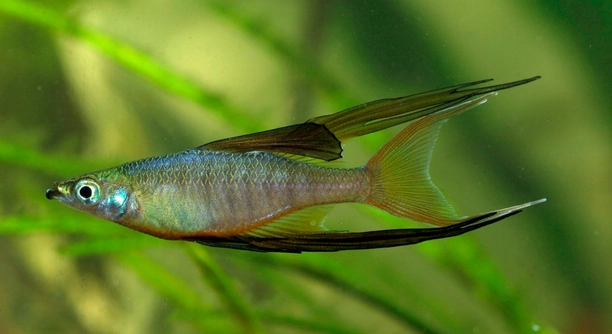
Are your Threadfin Rainbowfish swimming peacefully in their tank but suddenly darting at small disturbances? These vibrant fish are known for their lively colors and active nature, yet sudden vibrations can easily startle them.
Threadfin Rainbowfish exhibit heightened sensitivity to abrupt vibrations in their environment. Sudden movements or tapping near their tank can trigger immediate flight responses, including rapid swimming and hiding. Such reactions are consistent across various stress-inducing stimuli in controlled studies.
Understanding how these fish react to vibrations helps in creating a calmer, safer habitat for them, ensuring their health and natural behavior remain intact.
Understanding Threadfin Rainbowfish Sensitivity
Threadfin Rainbowfish are naturally alert and quick to respond to changes in their surroundings. Their lateral line system helps them detect vibrations and movements in the water, which is essential for avoiding predators in the wild. In an aquarium setting, sudden vibrations from tapping, loud noises, or abrupt movements near the tank can easily startle them. This sensitivity is part of their natural behavior and is not a sign of weakness. Keeping their environment stable and calm helps them feel secure, allowing their colors and activity to flourish. Observing their reactions over time can help identify patterns of stress, such as darting to hiding spots or flaring fins. By minimizing disturbances, you create a space where these fish can swim confidently. Over time, consistent care and gentle handling reduce frequent stress responses, supporting overall health and longevity in the aquarium.
Avoiding sudden disturbances ensures your fish remain calm and active, making their environment safer and more enjoyable.
With consistent observation, you can adjust tank placement, lighting, and nearby activity to minimize startling vibrations. Subtle adjustments, like placing the aquarium away from high-traffic areas or reducing tapping on the glass, can significantly reduce stress. Some fish may adapt more quickly, while others remain sensitive, requiring patience. Regular maintenance should be gentle, avoiding splashes and sudden water changes. By understanding their sensitivity, you create a routine that balances care with minimal stress. Over time, you will notice your Threadfin Rainbowfish swimming confidently, displaying vibrant colors, and interacting naturally. Their health benefits from an environment where they feel secure, and these small, thoughtful adjustments contribute to long-term well-being.
Managing Vibrations in the Aquarium
Reducing sudden vibrations involves careful placement and routine adjustments. Avoid tapping the tank or moving objects nearby.
Frequent exposure to vibrations can cause stress in Threadfin Rainbowfish, affecting their feeding, coloration, and immune response. Minimizing external disturbances is crucial for maintaining a healthy and active tank. Consistent tank placement away from doors, loud appliances, and high-traffic areas reduces unnecessary stimuli. Soft padding beneath the aquarium can absorb vibrations from floors or nearby surfaces. During maintenance, move slowly and avoid sudden hand movements near the glass to prevent startling the fish. Over time, these practices lead to calmer behavior, allowing natural swimming patterns to emerge. Vibrations can also affect water flow, so ensuring equipment runs quietly and steadily further reduces stress. Monitoring fish behavior after environmental changes helps determine what adjustments are most effective. By taking these steps, you not only prevent fear responses but also create a more predictable and secure environment, encouraging healthy growth, proper feeding, and longevity for your Threadfin Rainbowfish.
Common Sources of Sudden Vibrations
Household activities often create vibrations that affect your aquarium. Footsteps near the tank, loud appliances, and furniture movement can startle Threadfin Rainbowfish. Even minor tapping on the glass can trigger a stress response, causing them to swim erratically or hide.
Identifying the specific sources of vibrations is key to reducing stress. Appliances like washing machines, vacuum cleaners, or speakers can transmit subtle vibrations through floors and walls, impacting the fish. Sudden movement in high-traffic areas or children playing near the tank may also disturb them. Observing when fish react most strongly helps pinpoint triggers. Even routine maintenance, such as scooping water or adjusting decorations, can create vibrations if done abruptly. Small changes in daily habits, like walking carefully or placing heavy items away from the tank, can significantly improve their comfort. Over time, these adjustments create a calmer environment.
Monitoring fish behavior daily allows you to notice which vibrations cause the strongest reactions. Consistency in routine and minimizing sudden disturbances will help the fish gradually feel more secure. With patience, they begin to ignore minor vibrations and display natural swimming behavior, improving both health and activity levels. Regularly checking the tank setup for stability and quiet equipment also contributes to reducing stress responses.
Behavioral Signs of Stress
Threadfin Rainbowfish show clear signs when stressed by sudden vibrations, such as darting, hiding, or fin clamping. These behaviors indicate discomfort and alertness.
Stress can have long-term effects on Threadfin Rainbowfish if vibrations persist. Constant hiding or frantic swimming limits their feeding, reduces energy for growth, and can weaken immune responses. Coloration may fade, and social interactions with other fish may diminish. Subtle signs like reduced exploration or staying near tank edges often precede more noticeable stress behaviors. By recognizing these patterns early, you can intervene and reduce triggers. Adjusting tank location, softening vibrations with padding, and maintaining a calm environment are effective strategies. Observing interactions between fish can also highlight if stress is widespread or affects only specific individuals. Consistent attention and adjustments encourage healthier behavior and prevent prolonged anxiety, leading to more active, vibrant fish.
Preventing Stress from Vibrations
Placing the aquarium on a stable surface helps reduce the impact of vibrations. Avoid areas with heavy foot traffic or near loud appliances to keep Threadfin Rainbowfish calm.
Soft padding under the tank absorbs subtle vibrations. Rearranging furniture and minimizing tapping on the glass further prevents sudden reactions and supports a secure environment.
Adjusting Aquarium Equipment
Choosing quiet filters, heaters, and pumps reduces water movement caused by mechanical vibrations. Properly secured equipment prevents rattling that can startle the fish. Maintaining consistent water flow and gentle filtration helps Threadfin Rainbowfish remain calm, promoting regular swimming patterns and natural behavior over time.
Observing Long-Term Behavior
Tracking responses over weeks shows how fish adapt. Noting improvements or recurring stress helps refine the tank environment.
FAQ
How do I know if my Threadfin Rainbowfish is stressed by vibrations?
Signs of stress include darting, hiding, clamped fins, and sudden changes in swimming patterns. Fish may also lose coloration or stop exploring parts of the tank. Observing daily behavior helps identify consistent reactions to household disturbances or maintenance activities.
Are some Threadfin Rainbowfish more sensitive than others?
Yes, individual temperament plays a role. Younger fish or recently introduced fish tend to be more reactive. Fish that have adapted to calm environments may show stronger reactions when exposed to sudden vibrations or high-traffic areas near the tank.
Can vibrations affect their health long-term?
Persistent stress from vibrations can reduce appetite, weaken the immune system, and impact growth. Chronic stress may also cause behavioral changes, including aggression or social withdrawal, making it harder for the fish to thrive in a community tank.
What household activities usually trigger stress?
Common triggers include walking near the tank, moving furniture, using loud appliances, or tapping on the glass. Even subtle vibrations from speakers or washing machines can startle the fish if the tank is placed on a surface that transmits movement easily.
How can I reduce vibrations without moving the tank?
Use soft padding or mats under the aquarium stand. Place rugs nearby to absorb movement, and secure equipment to prevent rattling. Keeping maintenance routines slow and gentle also helps minimize sudden disturbances while allowing the fish to remain comfortable.
Should I change the tank location if vibrations persist?
Yes, relocating to a quieter, low-traffic area can significantly reduce stress. Avoid spots near doors, hallways, or large appliances. Even small adjustments in placement can help Threadfin Rainbowfish feel more secure and reduce repeated flight responses.
Does tank size influence stress from vibrations?
Larger tanks give fish more space to move away from sudden disturbances, which can reduce stress. Smaller tanks limit escape options, so vibrations are more noticeable and alarming to the fish, requiring extra care and stable placement.
Can other fish be affected by vibrations?
Yes, fish with sensitive lateral line systems, like Threadfin Rainbowfish, often react to sudden movement together. Stress can spread in a community tank, so monitoring all fish and maintaining a calm environment benefits everyone.
How often should I observe my fish for stress?
Daily observation is ideal. Watching how they react to routine activities and disturbances helps identify patterns. Early detection allows you to adjust equipment, placement, or tank care to reduce ongoing stress.
Is it normal for Threadfin Rainbowfish to hide after vibrations?
Yes, hiding is a natural defense response. Short-term hiding helps them feel safe, but frequent or prolonged hiding may indicate excessive stress, signaling a need to minimize vibrations or adjust the tank environment.
Can decorations or plants help reduce stress?
Yes, live or artificial plants and hiding spots give fish secure areas to retreat to when startled. Strategically placing decorations also helps diffuse water movement from equipment, creating a calmer environment that encourages natural behavior.
How do I know if my adjustments are working?
Monitor behavior over several weeks. Reduced darting, more regular swimming, and brighter coloration indicate the fish are adapting well. Gradual improvement in social interactions with other fish also shows the environment is becoming less stressful.
Is it necessary to limit visitors near the aquarium?
Limiting sudden activity near the tank, such as tapping or leaning against the glass, reduces stress. While occasional interaction is fine, frequent disturbances from nearby movement can startle sensitive Threadfin Rainbowfish repeatedly.
Should I change maintenance routines to reduce vibrations?
Yes, slow and steady water changes, careful handling of decorations, and gentle equipment adjustments help minimize sudden movements. Consistency and patience in routine care reduce unnecessary stress for the fish over time.
Do vibrations affect feeding habits?
Stress can make fish hesitant to eat. If vibrations occur during feeding, fish may scatter or hide, leaving food uneaten. Ensuring a calm environment during feeding encourages regular eating patterns and supports overall health.
Can Threadfin Rainbowfish ever get used to vibrations?
Some adaptation is possible, but sensitivity remains. Gradual exposure to mild disturbances can help them adjust, yet sudden or loud vibrations may always trigger a reaction. Reducing extremes ensures stress remains minimal.
Does water temperature or flow influence vibration sensitivity?
Stable water conditions help fish feel secure. Sudden changes in temperature or strong currents can compound stress from vibrations. Maintaining steady conditions supports calmer behavior and reduces exaggerated reactions to disturbances.
Are there signs that stress is irreversible?
Severe chronic stress may lead to persistent hiding, weakened health, and reduced coloration. Immediate adjustments in tank care and environment are necessary to prevent long-term consequences and support recovery.
Can I use visual barriers to help my fish?
Yes, backgrounds or plants can block external movements from being seen. Visual barriers combined with secure hiding spots reduce the perception of threats, making fish feel safer and calmer in their tank.
What is the best way to monitor progress?
Keep a simple log of behavior, noting reactions to vibrations, feeding patterns, and coloration changes. Reviewing trends over weeks shows which adjustments are effective, helping maintain a stress-free environment for Threadfin Rainbowfish.
This FAQ provides practical guidance to recognize, prevent, and reduce stress caused by sudden vibrations. Consistent observation, gentle care, and a calm environment help Threadfin Rainbowfish remain healthy, active, and vibrant.
Threadfin Rainbowfish are lively and colorful fish that respond quickly to changes in their environment. Sudden vibrations can easily startle them, causing erratic swimming, hiding, or fin clamping. These reactions are natural and part of their survival instincts. In an aquarium, vibrations come from a variety of sources, such as household appliances, furniture movement, or even tapping on the glass. Observing the fish carefully helps identify which triggers cause the strongest responses. Once identified, small adjustments like moving the tank to a quieter area, adding soft padding, or securing equipment can reduce these disturbances. Creating a stable environment helps the fish feel safe and encourages natural behavior, allowing them to swim freely and display their vibrant colors. Over time, consistent care and attention to these details make a noticeable difference in their comfort and activity levels.
Minimizing stress from vibrations is not only about physical adjustments to the tank but also about understanding fish behavior. Threadfin Rainbowfish have a sensitive lateral line system, which makes them alert to even subtle water movement. By paying attention to daily patterns, you can notice when the fish are calm and when they react strongly. Gentle and consistent maintenance routines reduce the likelihood of startling them, while proper tank placement limits exposure to external disturbances. Providing hiding spots and decorations can also help, offering areas to retreat when needed. Fish that feel secure are more likely to feed regularly, interact with other tank mates, and maintain their coloration. These small steps contribute significantly to long-term health and well-being, ensuring the fish remain active and vibrant.
Maintaining a calm aquarium environment requires observation, patience, and a few practical adjustments. Tracking behavior over time helps identify which strategies work best for reducing stress. Quiet equipment, stable surfaces, and limited sudden movement around the tank all contribute to creating a secure habitat. Even subtle changes, like adjusting lighting or softening vibrations from nearby floors, can make a difference. By implementing these measures consistently, Threadfin Rainbowfish can adapt more easily to their surroundings, reducing unnecessary stress responses. A calm environment supports natural swimming patterns, feeding habits, and social behavior, improving overall health and longevity. With careful attention to both their physical environment and behavior, these fish can thrive, displaying the colors and energy that make them such a rewarding addition to any aquarium.

Hello,
If you enjoy the content that we create, please consider saying a "Thank You!" by leaving a tip.
Every little bit helps us continue crafting quality advice that supports the health, happiness, and well-being of pets around the world, for pets of all shapes, sizes, and species.
We really appreciate the kindness and support that you show us!