
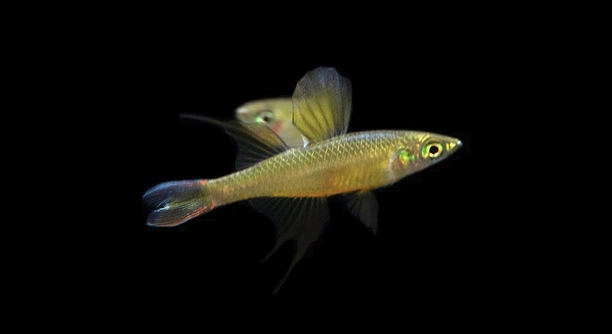
Do your threadfin rainbowfish seem sensitive to changes in their tank water? Many owners notice that certain water additives can cause unexpected stress or health issues in these delicate fish. Proper care requires careful observation.
Threadfin rainbowfish may not tolerate additives such as copper-based treatments, high concentrations of iodine, excessive salt, certain medications, potassium permanganate, formalin, or strong water conditioners. Each of these substances can disrupt their physiology and negatively impact their well-being.
Understanding which additives pose risks will help maintain a stable and healthy environment for your rainbowfish, supporting their growth and overall vitality in your aquarium.
Copper-Based Treatments
Copper-based treatments are often used to control parasites in freshwater tanks, but threadfin rainbowfish are highly sensitive to copper. Even low concentrations can cause gill damage, lethargy, and disrupted swimming behavior. Many aquarists have seen their rainbowfish react negatively after a single copper treatment. Avoid using copper unless the species is known to tolerate it, and always measure levels precisely with a test kit. If treatment is unavoidable, consider moving sensitive fish to a quarantine tank without copper exposure. Monitoring behavior and gill movement is crucial. Sudden changes in water chemistry, combined with copper, can amplify stress. Feeding may decrease, and some fish may refuse food entirely. Copper binds with organic matter in the tank, potentially creating toxic hotspots. Regular water changes after treatment help reduce residual copper. Maintaining stable water parameters is more important than aggressive parasite treatment. Patience and careful planning prevent long-term damage and ensure rainbowfish remain healthy.
Even minimal copper exposure can trigger stress responses in threadfin rainbowfish, leading to reduced activity and compromised immunity over time.
Awareness of how copper affects delicate fish allows owners to adjust treatments, protecting their rainbowfish while maintaining tank health and stability.
High Concentrations of Iodine
High concentrations of iodine, often used for egg or parasite treatments, can overwhelm rainbowfish physiology.
Iodine excess can cause gill irritation, abnormal coloration, and increased mortality in sensitive species. Proper dosing and careful monitoring are essential.
Many aquarists may assume iodine treatments are harmless at standard doses, but threadfin rainbowfish have a low tolerance. Overexposure can weaken the immune system, making fish more susceptible to infections and reducing appetite. Iodine can accumulate in the tank if water changes are infrequent, slowly reaching harmful levels. Some fish may show subtle signs like clamped fins or decreased activity before severe effects appear. Using smaller, controlled doses and isolating affected fish during treatment reduces risk. Testing water chemistry after dosing ensures levels remain safe. Balancing treatment needs with the rainbowfish’s delicate physiology requires attention and patience. Consistently providing clean, stable water will help minimize the impact of any additive and support long-term health in the tank.
Excessive Salt
Threadfin rainbowfish are sensitive to high salt levels. Even moderate increases can cause stress, dehydration, and gill irritation. Salt should only be used cautiously and in small, controlled amounts.
Adding salt to a freshwater tank for treatment or prevention can backfire with rainbowfish. Their delicate osmoregulatory system struggles to adjust, which can lead to erratic swimming, lethargy, and reduced appetite. Stress from salt exposure can also make them more vulnerable to disease. Many owners accidentally overestimate the amount needed, thinking it will help with parasites or general health. A sudden change in salinity, even if temporary, can disrupt their internal balance. Careful measurement and gradual adjustments are essential if salt is required. Always monitor fish closely for behavioral changes, and consider alternative treatments better suited to sensitive species like the threadfin rainbowfish.
Even small doses of salt over time may accumulate stress, affecting long-term health. Frequent water changes and observation are necessary to maintain stability and prevent complications.
Certain Medications
Some medications, particularly those designed for aggressive treatments, are too harsh for threadfin rainbowfish.
Medications for fungal, bacterial, or parasitic issues often contain strong active ingredients that can harm sensitive species. Even recommended doses for other fish can result in gill damage, color fading, and abnormal behavior. Careful research on species-specific tolerance is crucial. Isolating the affected fish and using targeted treatments reduces the risk of impacting the entire tank. Observing behavior before, during, and after treatment ensures any negative effects are caught early. Some medications may require water changes afterward to eliminate residual chemicals that could cause delayed reactions. Maintaining stable water parameters during treatment also minimizes additional stress and supports recovery.
Using medications safely involves precise dosing, monitoring, and an understanding of species sensitivity. Overuse or incorrect administration can create long-term issues, so cautious application is vital for rainbowfish well-being.
Potassium Permanganate
Potassium permanganate is a strong oxidizing agent that can damage gills and skin. Threadfin rainbowfish are particularly sensitive, and even low doses may trigger stress or lethargy.
Overexposure can lead to difficulty breathing and loss of appetite. Careful dosing and short exposure times are essential to prevent long-term harm.
Formalin
Formalin is commonly used to treat parasites, but it can irritate gills and skin. Prolonged exposure can be fatal to threadfin rainbowfish.
Proper dilution and limited treatment duration are critical. Observing the fish closely during and after application ensures safety and reduces the risk of unexpected mortality.
Strong Water Conditioners
Some commercial water conditioners contain chemicals that threadfin rainbowfish cannot tolerate. Always check ingredients and use minimal amounts.
Even routine use of strong conditioners can alter water chemistry too quickly, leading to stress, abnormal swimming, and reduced appetite. Gradual adjustment and careful observation are necessary.
FAQ
What should I do if my threadfin rainbowfish shows signs of stress after an additive?
Immediately remove the fish from the treated water if possible and place it in a clean, untreated quarantine tank. Perform partial water changes in the main tank to reduce residual chemicals. Observe the fish closely for breathing difficulties, unusual swimming patterns, or loss of appetite. Reducing stress and providing stable, clean water can help them recover more quickly. Always consult species-specific care guides before using treatments in the future.
Are there safe alternatives to harsh additives for treating parasites or infections?
Yes, many natural or mild treatments are available. Salt baths at very low concentrations, commercially available mild parasite treatments designed for sensitive freshwater fish, and regular water maintenance can often prevent or reduce infections. Quarantining new fish before introducing them into the main tank is another preventive measure.
How often should I test water if I use any additive?
Frequent testing is essential, ideally before and after each additive application. Monitor pH, ammonia, nitrite, nitrate, and specific additive levels if possible. Threadfin rainbowfish are highly sensitive to changes, and sudden fluctuations can worsen stress or toxicity. Keeping records of water parameters helps track trends and prevents repeated mistakes.
Can I mix different additives in the same treatment?
It is risky to mix additives, especially with threadfin rainbowfish. Chemical interactions can amplify toxicity, causing unexpected reactions. If multiple treatments are needed, use them separately with ample recovery time in between. Always research compatibility and species tolerance before combining substances.
How can I reduce stress when using necessary treatments?
Keep lighting low, reduce sudden movements around the tank, and maintain consistent water temperature. Feeding smaller portions during treatment may help reduce digestive stress. Ensuring proper aeration and minimizing exposure time to the additive are key. Monitoring fish behavior frequently allows early intervention if problems arise.
Is it safe to use additives regularly for prevention?
Regular use of strong or chemical additives is not recommended for threadfin rainbowfish. Preventive care is better managed with stable water parameters, proper filtration, and balanced nutrition. Overuse of chemicals can gradually weaken immunity, making fish more prone to disease rather than healthier.
What signs indicate a fish has been harmed by an additive?
Look for clamped fins, unusual swimming patterns, rapid gill movement, loss of color, and reduced appetite. In severe cases, the fish may become lethargic or float near the surface. Early recognition allows corrective action, such as water changes or removal from the treated environment.
Can sensitive fish recover fully after exposure to harsh additives?
Recovery is possible if exposure is brief and appropriate intervention is taken quickly. Clean water, stress reduction, and supportive care like proper feeding and maintaining ideal temperature can aid recovery. Severe or prolonged exposure may lead to lasting gill damage or increased susceptibility to disease.
Are there additives that are completely safe for threadfin rainbowfish?
Mild water conditioners, pH stabilizers at recommended doses, and carefully measured trace elements can be used safely. Always read labels, check species-specific tolerance, and use minimal amounts. Avoid experimenting with unfamiliar chemicals, as even small doses of some substances can cause stress or harm.
How can I prevent additive-related issues in the future?
Plan treatments carefully, test water regularly, and isolate sensitive species if needed. Research each additive’s effect on threadfin rainbowfish before using it. Maintaining consistent water parameters, avoiding overstocking, and practicing good tank hygiene are the most effective preventive measures.
Threadfin rainbowfish are delicate and sensitive to changes in their environment, particularly when it comes to water additives. While additives are sometimes necessary for disease treatment, parasite control, or water maintenance, improper use can quickly harm these fish. Understanding which substances they cannot tolerate and why is essential for anyone keeping this species. From copper-based treatments to high concentrations of iodine, threadfin rainbowfish can react negatively in ways that are not always immediately obvious. Lethargy, abnormal swimming, clamped fins, or loss of appetite are common signs of stress caused by chemical exposure. Even routine treatments that are safe for hardier fish can become dangerous when applied to rainbowfish without careful measurement and observation. The key is to approach any additive use with caution, patience, and knowledge about the specific needs of this species.
Maintaining stable water conditions is the most important factor for the long-term health of threadfin rainbowfish. Sudden changes in salinity, pH, or chemical concentration can easily overwhelm their delicate physiology. Additives like salt, formalin, potassium permanganate, and strong water conditioners may seem helpful at first but can create more problems if not used correctly. It is always better to err on the side of caution and explore less harsh methods first. Quarantining new fish, performing regular water changes, and maintaining a balanced diet are practical steps that reduce the need for frequent chemical intervention. If treatment is unavoidable, isolating affected fish in a separate tank and monitoring behavior closely can prevent accidental harm to the entire aquarium. Awareness of how each additive interacts with water chemistry and the species’ sensitivity can prevent unnecessary stress and protect overall tank stability.
Long-term care of threadfin rainbowfish requires attentiveness and a gentle approach. Even small mistakes in dosing or water management can lead to cumulative stress and weaken their immune system over time. Observing fish regularly, noting behavioral changes, and maintaining consistent water parameters ensures they remain healthy and vibrant. Knowledge about the specific chemicals to avoid and their potential effects allows for proactive care rather than reactive corrections. By prioritizing stable conditions, careful additive use, and close observation, aquarists can support the well-being of threadfin rainbowfish in a sustainable and safe way. This approach not only reduces the risk of illness or injury but also fosters an environment where these sensitive fish can thrive comfortably in the aquarium for years to come.

Hello,
If you enjoy the content that we create, please consider saying a "Thank You!" by leaving a tip.
Every little bit helps us continue crafting quality advice that supports the health, happiness, and well-being of pets around the world, for pets of all shapes, sizes, and species.
We really appreciate the kindness and support that you show us!