
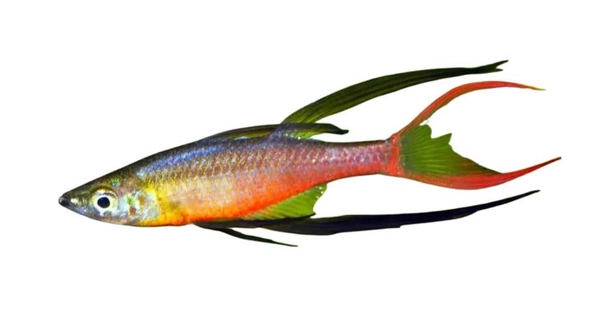
Do you ever find yourself thinking about the ideal setup for your home aquarium and whether certain fish can thrive without extra equipment? Threadfin Rainbowfish are popular for their colors and peaceful nature, making them appealing additions to tanks.
Threadfin Rainbowfish require stable water temperatures typically between 74°F and 80°F. Keeping them in an unheated room that frequently drops below this range can lead to stress, weakened immunity, and a higher risk of illness, making heating essential.
Maintaining the proper environment ensures your fish stay healthy, vibrant, and active, allowing you to enjoy their full beauty for years to come.
Understanding Threadfin Rainbowfish Temperature Needs
Threadfin Rainbowfish are sensitive to sudden changes in temperature. They thrive best in consistent warmth, ideally between 74°F and 80°F. In an unheated room, temperatures can fluctuate, especially during colder months, which may stress the fish. Stress can reduce their appetite, slow growth, and make them more susceptible to disease. Maintaining a stable environment with a reliable heater can prevent these issues. Additionally, regular monitoring of water temperature ensures that the fish remain comfortable and healthy. While they can tolerate brief dips in temperature, prolonged exposure to cold conditions can have long-term impacts on their health. Keeping the tank insulated and away from drafty areas also helps maintain stability. Threadfin Rainbowfish benefit from clean, well-filtered water alongside consistent warmth, supporting their vibrant colors and active swimming behavior. By paying attention to both temperature and water quality, you create a safe and comfortable habitat that supports their natural behaviors and longevity.
Keeping their tank within the recommended temperature range helps them stay active and display their full colors.
Temperature management is key to maintaining their health. Even small drops can cause stress, making them prone to illness. Using a thermostat-controlled heater allows for precise control. Positioning the tank away from windows and drafty spots also helps. Regularly checking the thermometer ensures you catch any fluctuations early. Insulating the tank or adding a cover can reduce heat loss, creating a more stable environment. A consistent schedule for water changes ensures that water conditions remain optimal, complementing the temperature control. For those keeping multiple species, make sure tank mates also tolerate similar temperatures to avoid conflicts or stress. Monitoring behavior and appearance is a good way to gauge comfort levels. Healthy Threadfin Rainbowfish are vibrant, active, and responsive to their surroundings. Taking these precautions supports their long-term well-being and reduces the likelihood of temperature-related issues.
Setting Up an Unheated Room Aquarium
Unheated rooms can pose challenges for tropical fish like Threadfin Rainbowfish. Room temperatures fluctuate with the season, and without a heater, maintaining optimal warmth becomes difficult.
To keep Threadfin Rainbowfish healthy in an unheated room, insulation and strategic placement are essential. Tanks should be positioned away from windows, vents, and exterior walls to reduce cold drafts. Using a thick, insulated hood or surrounding the tank with foam or other materials can help retain heat. Additionally, room temperature should be monitored daily, especially during colder periods, to prevent sudden drops. Incorporating a consistent lighting schedule can provide minimal warmth and encourage normal behavior. If the room consistently drops below the ideal range, consider supplemental heat sources, such as low-wattage heaters or ceramic heat emitters. Even small adjustments, like covering exposed pipes or sealing gaps in windows, can reduce temperature swings. The goal is to create a relatively stable environment where Threadfin Rainbowfish can swim actively, feed normally, and maintain their coloration without experiencing prolonged stress. Proper care in an unheated room requires diligence and attention to detail.
Signs Your Threadfin Rainbowfish Are Uncomfortable
Changes in behavior often indicate temperature stress. Lethargy, loss of appetite, and hiding are common signs when the water is too cold.
When Threadfin Rainbowfish experience prolonged exposure to lower temperatures, their activity levels drop, and they may stop schooling. Swimming becomes slower, and they often linger near the tank bottom. Appetite can decrease, causing weight loss and weaker health. Color vibrancy fades, making the fish appear duller than usual. Stress from cold can weaken their immune system, increasing susceptibility to infections or parasites. Observing these behaviors early allows for timely adjustments to water temperature or tank conditions, preventing more serious health problems.
Behavior changes are often accompanied by physical signs like clamped fins or irregular gill movement. Prompt intervention can prevent long-term damage, ensuring the fish regain normal activity and appearance. Keeping a thermometer and monitoring behavior daily helps detect discomfort early.
Adjusting an Unheated Room for Fish Health
Simple adjustments can improve conditions in an unheated room. Adding insulation around the tank helps retain warmth, reducing temperature swings.
Positioning the tank in a central part of the room avoids cold drafts near windows or doors. Covering the tank with a secure hood or foam can reduce heat loss from the surface. Using room-friendly heaters, even small ones, helps maintain minimal warmth without large energy costs. Monitoring the tank with a thermometer ensures stability, allowing adjustments as needed. Maintaining clean water and proper filtration supports overall fish health, complementing temperature management. Small lifestyle changes, like keeping doors closed during colder periods, also help. These steps create a more stable and comfortable habitat for Threadfin Rainbowfish.
Choosing Tank Location Carefully
Placing the tank away from windows and exterior walls helps prevent sudden temperature drops. Central locations in the room are generally more stable.
Avoid areas with direct sunlight or drafts from vents. Consistent surroundings reduce stress and help maintain water quality and fish health.
Minimal Heating Solutions
Using small, low-wattage heaters or heating pads can provide just enough warmth to prevent cold stress. These solutions are energy-efficient and maintain a stable environment for Threadfin Rainbowfish. Regular monitoring ensures temperatures stay within safe limits.
Monitoring Fish Behavior
Watch for signs like lethargy, clamped fins, or reduced appetite. Early detection of stress allows for timely adjustments to tank conditions.
FAQ
Can Threadfin Rainbowfish survive in an unheated room during winter?
Threadfin Rainbowfish are tropical fish that prefer temperatures between 74°F and 80°F. While they may survive brief periods in cooler temperatures, prolonged exposure to cold can lead to stress, weakened immunity, and disease. If your room drops below their ideal range consistently, supplemental heating is recommended to maintain health and prevent long-term problems.
What are the signs my Threadfin Rainbowfish is too cold?
Cold-stressed Threadfin Rainbowfish often become lethargic and swim slower than usual. They may hide at the bottom of the tank, show a faded color, or lose interest in food. Clamped fins and irregular gill movement are other indicators. Noticing these behaviors early allows for quick intervention.
Is a small heater enough for an unheated room?
Yes, a low-wattage or mini heater can provide enough warmth if the tank is well-insulated and placed away from drafts. Use a reliable thermometer to monitor water temperature. Consistent readings within the recommended range are more important than using a large, powerful heater that causes temperature swings.
Can I rely on room insulation alone to protect my fish?
Insulation helps reduce temperature fluctuations, but it may not be sufficient during very cold periods. While foam covers, central placement, and draft prevention stabilize the tank, some form of supplemental heating ensures the fish remain in their preferred temperature range.
How often should I check the water temperature?
Daily monitoring is ideal, especially in an unheated room. Checking morning and evening helps track fluctuations and catch sudden drops early. Consistent observation allows timely adjustments with heaters, tank placement, or insulation improvements to maintain stable water conditions.
Do Threadfin Rainbowfish need different care in colder months?
Yes, during colder months, water temperature is less stable, so additional precautions are necessary. Increasing insulation, monitoring the tank more frequently, and using low-wattage heaters helps reduce stress. Even small environmental adjustments can prevent illness and maintain normal feeding and activity levels.
Will tank mates affect how my Threadfin Rainbowfish handle cold?
Yes, different species have varying temperature tolerances. If your tank includes fish that tolerate cooler water better, the Threadfin Rainbowfish may still experience stress if the tank temperature drops below their comfort zone. Ensuring compatible species with similar temperature requirements is essential.
Can sudden room temperature changes harm my fish?
Absolutely. Sudden drops or spikes in temperature can shock Threadfin Rainbowfish, weakening their immune system and increasing the risk of disease. Gradual adjustments or maintaining a stable temperature with insulation and heaters helps prevent stress and supports long-term health.
Is it safe to use a heating pad under the tank?
Yes, heating pads can help maintain minimal warmth, but they must be designed for aquarium use. Place the pad evenly under the tank and monitor water temperature closely. Avoid high wattage or uneven heating, which could create hot spots harmful to the fish.
How do I keep water temperature stable without a heater?
Stability is challenging without a heater. Using insulation around the tank, placing it in a central part of the room, minimizing drafts, and maintaining a consistent lighting schedule can help. However, for prolonged cold periods, supplemental heating remains the most reliable method.
Can Threadfin Rainbowfish adapt to cooler temperatures over time?
They can tolerate minor fluctuations, but they are not naturally cold-adapted. Prolonged exposure to temperatures below 74°F can reduce activity, weaken immunity, and shorten lifespan. Controlled heating ensures they remain healthy and vibrant throughout the year.
Does water volume affect temperature stability?
Yes, larger tanks retain heat better and experience slower temperature fluctuations than smaller ones. Increasing water volume or using thicker glass can help buffer against short-term drops in room temperature, providing a more stable environment for Threadfin Rainbowfish.
How do I know if my heating solution is effective?
Consistent water temperature readings and healthy, active fish are indicators. If fish show normal swimming, feeding, and color, your heating setup is likely sufficient. Always check for hot or cold spots and adjust placement or insulation as needed.
Are there alternative methods to maintain warmth besides heaters?
Some alternatives include insulating the tank, adding a lid to reduce evaporation, using ambient room heat, or placing the tank in a warmer part of the house. While these methods help, combining them with a low-wattage heater provides the most reliable stability for tropical fish.
What should I do if my Threadfin Rainbowfish shows stress signs?
Immediate action is necessary. Increase the water temperature gradually, check for drafts, and ensure clean, well-filtered water. Monitor behavior closely and consider adding supplemental heating until the fish return to normal activity and feeding habits.
This FAQ addresses common concerns about keeping Threadfin Rainbowfish in unheated rooms, emphasizing the importance of temperature management, monitoring, and preventive care. Proper attention ensures these fish remain healthy, vibrant, and active.
Word count: 512
Threadfin Rainbowfish are beautiful and active fish that bring color and life to any aquarium. Their health and well-being are closely linked to maintaining stable water temperatures. In an unheated room, the risk of cold stress increases, which can affect their activity, appetite, and immune system. Even if your room does not drop drastically in temperature, small fluctuations over time can cause gradual stress. These fish are tropical by nature, so providing conditions that closely match their natural environment helps them thrive. Ensuring water stays in the recommended range of 74°F to 80°F is essential for keeping them healthy and vibrant. Observing their behavior and appearance regularly is a simple way to check whether the tank conditions are suitable. Signs like dull colors, lethargy, or clamped fins indicate that adjustments may be needed. By paying attention to these factors, you can prevent illness and create a comfortable, safe home for your fish.
Maintaining a consistent environment in an unheated room requires a combination of strategies. Tank placement plays a crucial role, as locating the aquarium away from windows, vents, or exterior walls helps reduce temperature fluctuations. Insulation around the tank and lid can minimize heat loss, and low-wattage heaters or heating pads can provide supplemental warmth without consuming excessive energy. Monitoring the water temperature daily ensures that any changes are caught early, allowing for timely corrections. Clean water and proper filtration support overall health, complementing temperature control. Even small adjustments, such as closing doors during colder months or using foam to reduce drafts, make a noticeable difference in the stability of the tank environment. These measures work together to prevent stress and promote normal behavior, feeding, and growth. Creating a controlled and consistent habitat ensures Threadfin Rainbowfish can display their natural colors and remain active, healthy, and happy over time.
Ultimately, the key to successfully keeping Threadfin Rainbowfish in an unheated room is vigilance and attention to detail. Temperature management is the primary factor, but it is not the only consideration. Maintaining clean water, providing proper nutrition, and observing fish behavior are all equally important to ensure long-term health. Taking preventive measures rather than waiting for signs of stress allows you to maintain a stable environment more effectively. These fish are resilient when their needs are met, and with proper care, they can adapt well to indoor aquariums even in rooms without dedicated heating. By combining practical steps like insulation, careful placement, and supplemental heating with regular monitoring, you can provide a comfortable and safe habitat. This ensures that Threadfin Rainbowfish not only survive but thrive, offering a lively and visually appealing addition to your aquarium. Their vibrant colors and active swimming behavior are a rewarding reflection of the care and effort invested in maintaining the right environment.
Word count: 415

Hello,
If you enjoy the content that we create, please consider saying a "Thank You!" by leaving a tip.
Every little bit helps us continue crafting quality advice that supports the health, happiness, and well-being of pets around the world, for pets of all shapes, sizes, and species.
We really appreciate the kindness and support that you show us!