
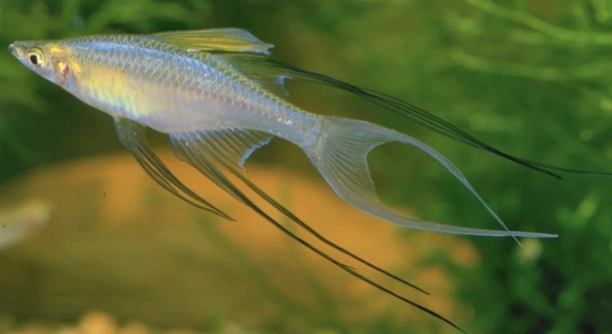
Do you enjoy observing fish in your home aquarium and noticing how they interact with each other in subtle ways? Threadfins are social creatures, and their behaviors can reveal harmony or tension in their group.
Threadfins display several indicators of positive social interaction, including coordinated swimming patterns, minimal aggression, frequent close proximity, synchronized feeding, gentle nipping, mutual grooming, and shared resting areas. Observing these behaviors provides reliable evidence of their compatibility and well-being.
Recognizing these behaviors can help you maintain a peaceful aquarium environment and support the long-term health of your threadfins. Proper observation ensures their interactions remain balanced and stress-free.
Coordinated Swimming Patterns
Threadfins that swim together in a synchronized manner demonstrate a high level of social cohesion. When you watch them, you might notice that their movements are fluid, often mirroring each other’s speed and direction. This behavior is a sign that the fish are comfortable with one another and are establishing a stable social order. Coordinated swimming reduces stress and signals that the fish recognize each other as part of the same group. It also helps them navigate their environment more efficiently, avoiding potential threats and sharing food sources. Observing your threadfins during feeding times or when the lights are turned on can make these patterns easier to see. If one fish consistently leads while others follow without aggression, it shows respect and acceptance among the group. Paying attention to these subtle cues helps in maintaining a peaceful aquarium environment and ensures that any changes in behavior can be noticed quickly.
This harmony in movement reflects their comfort level and reduces stress within the group, promoting healthier interactions and long-term well-being.
Synchronized swimming not only indicates compatibility but also strengthens the bonds between the fish. When threadfins move together, they coordinate their energy efficiently, making it easier to forage and avoid obstacles. It also shows that aggression is minimal, as the group prioritizes collective safety over individual dominance. Watching these patterns can be satisfying and helps you understand their social structure better. Adjusting tank conditions, such as lighting and water flow, can enhance this behavior.
Minimal Aggression
Threadfins that are getting along well rarely show signs of aggressive behavior.
Low levels of aggression include brief chases or mild nips without injury. Consistently calm behavior allows the fish to share space, feeding zones, and resting areas. Aggression usually indicates stress, overcrowding, or incompatible tankmates. To reduce conflict, ensure adequate hiding spots and maintain proper tank size. Observing interactions over several days provides a clearer understanding of their social balance.
Maintaining a low-aggression environment requires careful attention to tank setup, diet, and population density. Aggression often escalates when resources are limited or when a new fish is introduced without a proper acclimation period. Threadfins thrive in groups that respect each other’s personal space, showing only occasional minor disputes that are quickly resolved. Providing visual barriers or structured decorations can help separate dominant individuals temporarily and prevent prolonged confrontations. Feeding them at consistent intervals reduces competition and stress, reinforcing positive behaviors. By monitoring these interactions closely, it is possible to ensure that all fish coexist peacefully. Healthy social dynamics are crucial for their growth, immunity, and overall happiness. Observing minimal aggression over time indicates a stable group hierarchy and balanced community within the tank.
Frequent Close Proximity
Threadfins that stay near each other without signs of stress indicate comfort and social harmony. Close proximity allows them to coordinate movements, share feeding spaces, and rest safely. This behavior reflects mutual trust and reduces anxiety within the group, promoting overall stability in the aquarium.
Staying close together is more than a sign of companionship; it shows that the fish feel secure. Threadfins often maintain a loose formation where each fish can move freely without triggering defensive reactions. This spatial behavior helps prevent territorial disputes and allows the group to respond collectively to changes in the tank, such as sudden movements or feeding times. Over time, observing consistent close proximity can confirm that the group is well-adjusted and comfortable sharing the environment. Fish that avoid each other may be experiencing stress or social imbalance, so monitoring these interactions provides important insight into the group’s health.
Close proximity also facilitates communication through body language and subtle gestures. Threadfins rely on visual cues to coordinate swimming, feeding, and resting. When they remain near one another, it reinforces social bonds, ensures access to resources, and creates a predictable environment. This behavior supports both physical and mental well-being, making it easier to maintain a peaceful, thriving aquarium.
Synchronized Feeding
Threadfins that eat together calmly without aggression are demonstrating healthy social behavior. They take turns or feed simultaneously without chasing or nipping, showing respect for each other’s space and access to food.
Synchronized feeding indicates that the group is balanced and interactions are stable. Fish that eat together in a coordinated way reduce stress and avoid competition-related injuries. During feeding, each fish can access food without anxiety, allowing them to maintain proper nutrition. This behavior also demonstrates that they understand their group hierarchy, preventing conflict over limited resources. Observing these patterns during daily feedings can help ensure the fish remain comfortable and well-adjusted. Maintaining consistent feeding schedules further supports this harmony.
Additionally, synchronized feeding encourages efficient energy use and reduces tension in the tank. Fish that share meals calmly are more likely to engage in other positive behaviors, like coordinated swimming or gentle grooming. Over time, these interactions strengthen social bonds and create a predictable routine. Synchronized feeding also signals that the aquarium environment meets the group’s needs, including adequate space, hiding areas, and a sufficient food supply. Tracking this behavior helps identify early signs of stress or imbalance, allowing adjustments before conflicts arise.
Gentle Nipping
Threadfins that engage in light, brief nipping without injury are displaying normal social interaction. This behavior helps establish hierarchy and communicates boundaries while avoiding serious conflict. Gentle nipping is a positive sign that the group is balanced and comfortable with each other.
These small nips are often part of play or minor disputes that are quickly resolved. Fish use them to test reactions and reinforce social structure. Unlike aggressive biting, gentle nipping rarely leaves marks and does not disrupt group harmony, reflecting a well-adjusted environment where all individuals coexist peacefully.
Mutual Grooming
Threadfins often clean or nuzzle each other’s fins and scales, removing debris and parasites. Mutual grooming strengthens social bonds, reduces stress, and demonstrates trust between individuals, contributing to a cooperative and healthy community within the tank.
Shared Resting Areas
Threadfins that rest near each other or in the same sheltered areas signal comfort and security. Sharing resting spaces indicates trust and helps maintain calm group dynamics.
How can I tell if my threadfins are happy together?
Happy threadfins exhibit calm behavior, swim in coordinated patterns, and maintain close proximity without signs of stress. They feed together without aggression and engage in gentle nipping or mutual grooming. Watching these behaviors over time provides a reliable indication of social harmony within your aquarium.
Is occasional chasing normal among threadfins?
Yes, brief chases are part of establishing social hierarchy and are usually harmless if they do not result in injuries. Frequent, intense chasing may indicate overcrowding or stress, so monitoring frequency and intensity helps ensure the group remains balanced.
Why do some threadfins stay apart from the group?
A fish may isolate itself due to illness, stress, or social tension. Environmental factors like tank size, water conditions, or lack of hiding spaces can contribute. Observing and adjusting tank conditions can encourage reintegration with the group.
What does synchronized feeding indicate?
Synchronized feeding shows that the group is well-adjusted and comfortable sharing resources. Threadfins eating together calmly without chasing or aggression reflect trust and a stable social structure, which supports their health and reduces stress-related behaviors.
How often should I observe their social interactions?
Daily observation is ideal to notice subtle changes in behavior. Watching swimming patterns, feeding, and resting habits allows early detection of stress, illness, or conflicts. Keeping a consistent routine helps maintain group stability and supports long-term well-being.
Do threadfins need specific tank setups for harmony?
Yes, adequate space, hiding spots, and proper water flow reduce stress and prevent territorial disputes. A well-structured environment encourages natural behaviors like synchronized swimming, gentle nipping, and mutual grooming. Providing a stable environment promotes peaceful coexistence.
Can introducing new threadfins disrupt social balance?
Introducing new fish can temporarily cause tension as hierarchies adjust. Proper acclimation, gradual introduction, and monitoring interactions minimize stress. Separating aggressive individuals or providing extra hiding spaces can help integrate newcomers smoothly.
How does gentle nipping differ from aggression?
Gentle nipping is brief, non-injurious, and part of normal social communication. Aggressive biting is prolonged, causes injury, and signals stress or imbalance. Recognizing the difference helps maintain a calm environment and supports healthy social interactions.
Why is mutual grooming important?
Mutual grooming removes debris, reduces parasites, and strengthens social bonds. It indicates trust and comfort among group members, contributing to overall health and minimizing stress-related behaviors in the aquarium.
What if threadfins stop interacting?
A sudden decrease in interaction may indicate stress, illness, or poor water conditions. Checking tank parameters, observing for disease signs, and ensuring adequate space can help restore normal social behaviors. Early intervention prevents long-term issues and supports a balanced group.
Can tank size affect social harmony?
Yes, insufficient space increases competition, stress, and aggression. Larger tanks with adequate hiding spots allow threadfins to establish territories, maintain coordinated swimming, and share resources peacefully, supporting their physical and mental well-being.
How long does it take to establish a peaceful group?
Social hierarchies usually stabilize within days to weeks, depending on group size, tank conditions, and fish temperament. Observing behaviors like synchronized swimming, gentle nipping, and mutual grooming helps confirm when harmony has been achieved.
Are there signs of stress to watch for?
Signs include frequent hiding, aggressive chasing, refusal to eat, or isolation. Sudden changes in color, swimming patterns, or fin condition also indicate stress. Monitoring these behaviors allows timely intervention and maintains a stable, healthy aquarium.
How do environmental factors influence behavior?
Water quality, temperature, and flow directly impact social interactions. Poor conditions increase aggression, reduce synchronized behaviors, and cause isolation. Consistently maintaining optimal parameters ensures threadfins remain comfortable, cooperative, and stress-free.
What role does diet play in social harmony?
Consistent, sufficient feeding reduces competition and aggression. Providing high-quality, evenly distributed food supports synchronized feeding and overall health. Hunger or irregular feeding schedules can trigger stress and disrupt peaceful interactions.
Can observing these behaviors help with long-term care?
Yes, understanding swimming patterns, feeding habits, nipping, grooming, and resting behavior informs adjustments to tank conditions, diet, and group composition. Careful observation ensures threadfins remain healthy, comfortable, and socially balanced over time.
Is it normal for threadfins to rest together?
Yes, sharing resting areas reflects trust and security. Threadfins that rest near each other without signs of stress demonstrate comfort and cohesion, supporting both social bonds and overall well-being within the aquarium.
How do I encourage positive interactions?
Providing sufficient space, hiding spots, consistent feeding, and stable water conditions promotes natural, peaceful behaviors. Monitoring interactions and adjusting the environment as needed helps maintain long-term harmony and reduces aggression.
What should I do if conflicts arise?
Identify aggressive individuals, provide temporary separation if necessary, and ensure resources are sufficient. Adjusting tank layout or introducing visual barriers can help restore calm and encourage positive social behaviors.
Threadfins are fascinating fish that display a range of social behaviors when they are comfortable and well-adjusted in their environment. Observing coordinated swimming patterns, minimal aggression, synchronized feeding, gentle nipping, mutual grooming, and shared resting areas can provide clear insights into how well they are getting along. Each of these behaviors serves as an important indicator of social harmony, showing that the fish feel secure and confident within their group. Paying attention to these cues helps ensure that your aquarium remains a peaceful and balanced space for all inhabitants. It also allows you to detect early signs of stress or tension, so adjustments can be made promptly.
Maintaining a healthy environment for threadfins involves more than just monitoring their behavior. Proper tank setup, including adequate space, hiding spots, and water flow, plays a significant role in promoting positive social interactions. Consistent feeding schedules and providing sufficient, high-quality food reduce competition and reinforce synchronized feeding habits. Observing interactions daily and noting changes in swimming, resting, or feeding patterns helps maintain long-term stability. Even minor adjustments, such as adding visual barriers or rearranging decorations, can support a calm atmosphere and reduce stress among group members. Understanding the balance between environmental factors and natural behavior is key to fostering a harmonious aquarium.
Social harmony among threadfins contributes to both their physical and mental well-being. Fish that feel secure and comfortable are more likely to exhibit natural behaviors, stay healthy, and develop strong social bonds. Observing their interactions offers valuable guidance for maintaining their environment, from tank conditions to diet and group composition. Over time, paying attention to these subtle behaviors allows you to support a thriving community where all individuals coexist peacefully. A well-maintained aquarium not only benefits the threadfins but also creates an enjoyable and rewarding experience for the caretaker. By combining careful observation, proper setup, and consistent care, it is possible to ensure that threadfins remain healthy, calm, and socially balanced over the long term.

Hello,
If you enjoy the content that we create, please consider saying a "Thank You!" by leaving a tip.
Every little bit helps us continue crafting quality advice that supports the health, happiness, and well-being of pets around the world, for pets of all shapes, sizes, and species.
We really appreciate the kindness and support that you show us!