
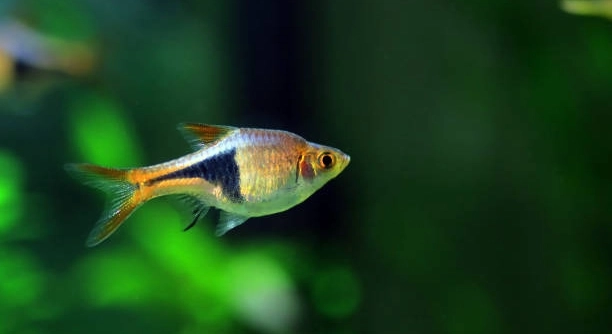
Rasboras are small, active fish that usually swim in schools and enjoy calm, stable environments. Sudden changes in their behavior can be surprising, especially when they start hiding, darting, or acting restless without any obvious reason.
Sudden behavioral changes in rasboras are most often caused by environmental stressors, including water quality fluctuations, sudden temperature changes, inadequate tank conditions, or the presence of aggressive tank mates. Monitoring these factors is essential to maintain stable and healthy behavior.
Observing these changes carefully can help identify the underlying cause and prevent long-term stress or health issues for your fish.
Common Causes of Sudden Behavioral Changes
Rasboras are sensitive to their surroundings, and even small shifts can trigger noticeable changes. Poor water quality is often a major factor, as elevated ammonia or nitrite levels stress the fish and affect their activity. Sudden temperature fluctuations can also disturb their normal patterns, causing them to hide or swim erratically. Overcrowding in the tank reduces available space and increases competition for resources, which can make rasboras skittish or aggressive. Introducing new fish without proper acclimation may further increase stress. Lighting changes, such as prolonged brightness or sudden darkness, can also alter their behavior. Diet plays a role too; a lack of proper nutrition can make them lethargic or restless. Observing their movements daily and maintaining a consistent environment helps prevent these changes. Even minor adjustments, like rearranging decorations or plants, can be unsettling for these small fish.
Regular water testing and gentle adjustments keep rasboras comfortable and reduce stress effectively.
Monitoring and maintaining a clean, stable tank ensures your fish remain active, healthy, and display their usual schooling behavior.
Water Quality and Tank Maintenance
Clean water is essential for rasboras to thrive.
Maintaining proper pH, temperature, and filtration prevents stress and promotes healthy behavior patterns in your fish.
Regular water changes, at least twenty percent weekly, help maintain stable conditions and reduce harmful chemical buildup. Filtration systems must be appropriate for tank size to remove debris and toxins efficiently. Avoid overfeeding, as uneaten food decomposes and pollutes the water. Observing fish for early signs of stress, such as hiding or rapid gill movement, allows quick corrective action. Tank decorations and plants should be rinsed and cleaned periodically to prevent algae and bacteria growth. Testing kits for ammonia, nitrites, nitrates, and pH levels provide accurate readings, helping maintain a safe environment. Even minor fluctuations in temperature can shock rasboras, so a reliable heater or stable room temperature is important. Consistency in maintenance routines gives the fish confidence and reduces sudden behavioral changes. Proper care ensures the tank remains a healthy, stress-free habitat.
Stress and Environmental Factors
Stress in rasboras often arises from sudden changes in their environment. New decorations, bright lighting, or aggressive tank mates can trigger hiding, erratic swimming, or reduced activity, signaling that the fish feel unsafe or uncomfortable in their surroundings.
Temperature swings, overcrowding, and inconsistent feeding schedules significantly impact rasboras’ behavior. Rapid drops or rises in water temperature can shock them, causing lethargy or frantic movement. Overcrowded tanks create competition for space and food, increasing anxiety and reducing natural schooling behavior. Even minor disturbances, like tapping on the glass or loud noises, can lead to noticeable stress reactions. Maintaining a calm, stable environment helps minimize these risks.
Water quality also directly affects stress levels. High ammonia, nitrite, or nitrate levels irritate gills and skin, making swimming difficult and behavior unpredictable. Ensuring proper filtration, regular water changes, and monitoring chemical levels provides a safer, more comfortable habitat. Small adjustments, such as rearranging plants gradually, can reduce sudden stress responses and keep rasboras active.
Diet and Nutrition
A balanced diet is essential for stable behavior and overall health.
Feeding rasboras a varied diet of high-quality flakes, micro-pellets, and occasional live or frozen foods ensures they receive all necessary nutrients. Poor nutrition can lead to lethargy, aggressive tendencies, or erratic swimming.
Overfeeding or irregular feeding schedules can worsen behavior. Uneaten food decomposes, polluting the water and creating additional stress. Nutrient deficiencies may weaken immunity, making rasboras more sensitive to environmental changes. Providing small, frequent meals mimics natural feeding patterns and maintains energy levels throughout the day. Observing feeding habits also helps identify early health issues.
Introducing new food should be done gradually to prevent digestive issues and stress. Mixing live, frozen, and dry foods keeps meals interesting while supporting growth and vitality. Consistent attention to diet reduces sudden behavioral changes and strengthens overall resilience.
Tank Mates and Social Dynamics
Rasboras are social fish that rely on a peaceful environment. Aggressive or overly active tank mates can cause stress, leading to hiding, darting, or disrupted schooling behavior. Choosing compatible species is key for harmony in the tank.
Overcrowding or introducing new fish too quickly can trigger sudden behavior changes. Gradual introductions and monitoring interactions help rasboras feel secure.
Lighting and Habitat Setup
Proper lighting supports natural activity patterns and reduces stress. Bright or fluctuating lights can startle rasboras, causing them to hide or swim erratically. Adjusting light intensity and maintaining consistent day-night cycles helps fish maintain regular behavior and improves overall well-being.
Recognizing Illness
Changes in behavior can also signal health issues. Signs like clamped fins, sluggish swimming, or loss of appetite often indicate disease or infection. Early detection and treatment improve recovery and prevent long-term problems.
Observation Tips
Regular observation allows early detection of stress or illness. Noticing small behavior changes helps identify problems before they escalate. Keeping a log of patterns, feeding, and interactions provides insight into the overall health and stability of your rasboras.
FAQ
Why are my rasboras hiding all the time?
Rasboras hide when they feel threatened or stressed. Sudden changes in tank conditions, aggressive tank mates, or poor water quality can cause them to seek shelter. Providing plants, caves, and consistent environmental conditions helps them feel safe and encourages normal activity.
Why do rasboras swim erratically?
Erratic swimming is often a response to stress or discomfort. Temperature fluctuations, water chemistry issues, or sudden disturbances in the tank can trigger this behavior. Ensuring stable water parameters and a calm environment reduces erratic movements and promotes predictable schooling patterns.
Can diet affect rasbora behavior?
Yes. A poor or inconsistent diet can make rasboras lethargic, restless, or aggressive. Feeding a mix of flakes, micro-pellets, and occasional live or frozen foods provides proper nutrition. Small, frequent meals also prevent overeating and water pollution.
How do I know if my rasboras are stressed?
Signs of stress include hiding, rapid gill movement, clamped fins, and loss of appetite. Schooling may break down, and fish might dart around suddenly. Regular observation and monitoring of tank conditions help detect stress early, allowing corrective actions to be taken quickly.
Do tank mates influence behavior?
Absolutely. Aggressive or fast-moving species can intimidate rasboras, disrupting their schooling and increasing stress. Choosing peaceful, compatible species and gradually introducing new fish prevents conflict and maintains a calm tank environment.
How does water quality affect behavior?
Poor water quality is one of the most common reasons for sudden behavioral changes. High levels of ammonia, nitrites, or nitrates irritate the fish, leading to erratic swimming, hiding, or reduced activity. Regular testing, partial water changes, and proper filtration maintain a healthy environment.
Is lighting important for rasboras?
Yes. Too much brightness or sudden changes in light can startle rasboras, causing them to hide or swim unpredictably. Maintaining a consistent day-night cycle and using moderate lighting helps regulate their natural behavior and reduces stress.
What role does tank size play in behavior?
A small or overcrowded tank increases stress and can lead to aggression or erratic swimming. Rasboras need space to school and explore. Adequate tank size, along with proper decorations and hiding spots, supports healthy behavior and reduces tension among tank mates.
How can I help rasboras acclimate to new tanks?
Acclimation is crucial to prevent stress. Gradually introducing fish to new water conditions and monitoring them closely during the first few days reduces behavioral problems. Floating the bag, slowly adding tank water, and avoiding sudden changes help them adjust comfortably.
When should I seek help for behavioral changes?
If unusual behavior persists despite stable conditions, diet, and tank setup, it may indicate illness. Consulting a veterinarian or experienced aquarist can prevent further health issues and restore normal behavior. Prompt attention ensures long-term well-being for your rasboras.
Are environmental changes reversible for behavior issues?
Yes. Most behavioral problems caused by stress, poor water quality, or diet can be corrected. Stabilizing water parameters, improving tank conditions, and providing proper nutrition gradually restore normal activity. Regular observation ensures changes are effective and long-term health is maintained.
Can rasboras adapt to minor disturbances?
They can, over time. Minor changes like rearranging plants or decorations may initially stress them, but maintaining consistency afterward allows them to adjust. Gradual, predictable adjustments reduce sudden behavior shifts and keep the fish comfortable.
Do rasboras require special monitoring?
Regular observation is important. Noticing small changes in swimming patterns, schooling, or appetite helps identify problems early. Keeping a log of behavior, feeding, and tank conditions provides insight into overall health and supports timely interventions.
Can stress cause disease in rasboras?
Yes. Prolonged stress weakens the immune system, making rasboras more susceptible to infections. Maintaining a stable environment, clean water, and a balanced diet reduces stress and prevents disease, supporting both behavior and long-term health.
What is the best way to prevent sudden behavioral changes?
Consistency is key. Stable water parameters, proper diet, compatible tank mates, suitable lighting, and a calm environment minimize stress. Regular maintenance, observation, and gradual changes when necessary keep rasboras healthy, active, and predictable in their behavior.
Final Thoughts
Rasboras are small, delicate fish that rely heavily on their environment to feel safe and healthy. Their behavior is a direct reflection of the conditions in the tank. Sudden changes, like hiding, darting, or erratic swimming, usually indicate that something in their surroundings has shifted. Often, these changes are linked to stress, which can come from water quality issues, temperature fluctuations, overcrowding, or the presence of aggressive tank mates. Even minor adjustments, like adding a new decoration or rearranging plants, can temporarily unsettle them. Paying attention to their behavior and maintaining consistency in their environment is essential for keeping rasboras comfortable and active. Understanding their natural tendencies and needs helps create a tank that supports stable, predictable behavior.
Water quality is one of the most important factors affecting rasboras. They thrive in clean, well-maintained water with stable parameters. High levels of ammonia, nitrites, or nitrates are harmful and can make them restless or lethargic. Temperature changes can also stress them, causing sudden bursts of activity or hiding. Regular water testing, partial water changes, and proper filtration help keep the tank conditions safe. Overfeeding or poor diet can add to stress and negatively impact their behavior, while a balanced mix of flakes, micro-pellets, and occasional live or frozen foods keeps them healthy. Providing proper nutrition, along with consistent maintenance, ensures that rasboras remain active and display normal schooling patterns.
Observation is key to understanding and supporting your fish. Watching for small changes in swimming patterns, appetite, and social interactions helps identify problems early, whether they are related to stress, diet, or illness. Keeping track of their behavior over time can reveal patterns and help prevent future issues. Even though rasboras are resilient, maintaining a calm, stable, and well-maintained tank is the best way to minimize stress and support long-term health. By combining proper care, careful monitoring, and a consistent environment, you can ensure that your rasboras remain active, healthy, and content, allowing you to enjoy their natural behavior and vibrant presence in your aquarium.

Hello,
If you enjoy the content that we create, please consider saying a "Thank You!" by leaving a tip.
Every little bit helps us continue crafting quality advice that supports the health, happiness, and well-being of pets around the world, for pets of all shapes, sizes, and species.
We really appreciate the kindness and support that you show us!