
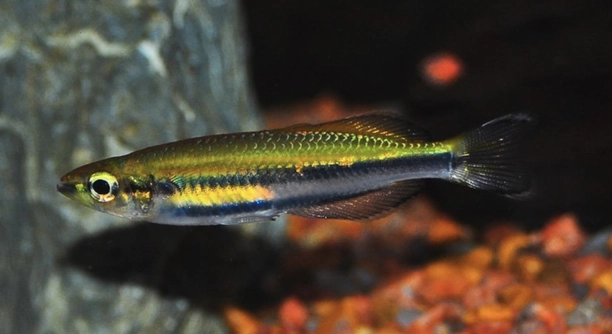
Are your rainbowfish happily swimming in their tank, or could the water be affecting their health? Many fish owners rely on tap water, assuming it is safe and convenient for daily use. Understanding its impact matters.
Rainbowfish can live in properly treated tap water, but the water must be free of harmful chemicals and balanced in pH, hardness, and temperature. Regular testing and adjustments are essential to maintain a healthy environment for these tropical fish.
Maintaining the right water conditions is crucial for rainbowfish wellbeing. Learning proper care will ensure they remain vibrant, active, and healthy in your home aquarium.
Understanding Tap Water for Rainbowfish
Tap water is often convenient, but it may contain chemicals or minerals that affect rainbowfish health. Chlorine and chloramine, commonly added for safety, can be harmful if not removed. Using a water conditioner neutralizes these chemicals. Hardness and pH levels also play a role in fish wellbeing. Rainbowfish prefer slightly hard water with a pH around 6.5 to 7.5. Temperature stability is another factor, as sudden changes can stress the fish. Testing the water regularly helps prevent problems before they occur. It is also important to monitor nitrate and ammonia levels, which can build up quickly in a tank. A filter helps maintain cleanliness, but frequent partial water changes are necessary. Observing your rainbowfish daily allows you to notice early signs of stress or illness. Adjusting water conditions carefully ensures the fish remain active and show their natural colors. A consistent routine reduces risks significantly.
Regular testing and treatment make tap water suitable for rainbowfish without harming them.
Maintaining the ideal conditions requires patience, but it pays off with healthy, vibrant fish that thrive in your aquarium. By paying attention to water quality and keeping a stable environment, rainbowfish display natural behavior and coloring. Consistent care, such as removing chemicals and keeping proper pH, ensures their immune system stays strong. Over time, these small adjustments reduce stress and prevent disease. The process becomes easier once routines are established, and the results are rewarding. Healthy water supports both the physical and behavioral needs of rainbowfish. Simple steps like testing water weekly, adjusting temperature, and performing partial water changes create a balanced habitat. Filters remove debris, but manual maintenance is also crucial. The fish respond to stable conditions by swimming actively and schooling naturally. Investing time in proper care now avoids bigger problems later. Your efforts allow rainbowfish to live comfortably while showing their full colors and personality.
Signs Rainbowfish Are Struggling
Changes in behavior or appearance indicate stress or poor water quality. Rainbowfish may lose color, become lethargic, or hide.
Observing your fish closely helps identify issues early. If stress signs appear, check water parameters, adjust temperature, and ensure chemicals are neutralized. Correcting problems promptly increases survival chances. Poor water quality leads to infections and stunted growth. Rainbowfish respond quickly to improvements if changes are gradual. Nutrition also plays a role, but water remains the primary factor affecting health. Keeping a log of water tests and fish behavior can simplify troubleshooting. Regular attention prevents most problems and keeps the aquarium stable. Early detection avoids serious health issues and ensures rainbowfish remain active and vibrant in their environment.
Preparing Tap Water Properly
Treating tap water before adding it to the tank is essential. Using a water conditioner removes chlorine and chloramine, making it safe. Checking pH, hardness, and temperature ensures the environment is stable for rainbowfish.
Proper preparation starts with testing the water. Tap water varies by region, so pH and hardness levels can differ. Adjusting these parameters keeps rainbowfish healthy. Adding a dechlorinator neutralizes harmful chemicals immediately. Temperature should match the tank, usually between 24–28°C, to prevent stress. Using a small container for mixing and treating water allows gradual introduction into the tank. Slowly adding treated water avoids shocking the fish. Regular checks on nitrate and ammonia levels maintain long-term stability. Even small changes in water chemistry can affect rainbowfish behavior. Keeping consistent treatment routines reduces disease risk.
After preparing water, observe the fish carefully during and after the change. Rainbowfish often react to temperature or chemical differences. Look for signs of stress like clamped fins, sluggish swimming, or hiding. If reactions occur, pause water changes and adjust the parameters slowly. Maintaining a schedule helps rainbowfish adapt and remain healthy. Properly treated water also prevents algae growth and keeps tank equipment functioning well. Over time, careful preparation reduces sudden problems and creates a safe, stable environment.
Monitoring Water Conditions
Daily observation of water and fish behavior is necessary to catch issues early. Even minor changes can indicate imbalance in the tank.
Regular testing is important. Using test kits, check pH, hardness, ammonia, nitrite, and nitrate levels. Record results for comparison over time. Partial water changes prevent chemical buildup and support healthy oxygen levels. Filters should run continuously, but cleaning them occasionally avoids clogging. Temperature fluctuations should be minimized, especially during seasonal changes. Monitoring behavior is equally important. Rainbowfish that stop swimming, hide frequently, or lose color may indicate stress or disease. Adjusting water parameters slowly helps restore balance. Maintaining consistency provides a stable environment, supporting growth and coloration. Observation and testing combined create a proactive approach to care, preventing small issues from becoming serious health threats.
Common Tap Water Issues
Tap water may contain chlorine, chloramine, or heavy metals that affect rainbowfish. Using a water conditioner and regular testing helps prevent health problems.
Hardness and pH fluctuations are also common issues. Gradual adjustments keep rainbowfish comfortable and reduce stress. Stable conditions support color and activity levels.
Signs of Water Stress
Rainbowfish may show stress through dull colors, clamped fins, or reduced swimming activity. These signs often indicate poor water quality or chemical imbalance.
Stress can lead to disease if not addressed. Regular observation and testing of water parameters prevent serious problems. Adjusting water gradually restores a safe environment.
Maintaining Consistency
Keeping tap water conditions steady is key. Consistent pH, hardness, and temperature prevent sudden stress.
Regular partial water changes and monitoring chemicals ensure rainbowfish remain healthy. A steady routine minimizes fluctuations and supports long-term wellbeing.
FAQ
Can rainbowfish live in untreated tap water?
Rainbowfish should not be placed in untreated tap water. Chemicals like chlorine and chloramine are toxic to fish and can cause stress or even death. Always use a water conditioner to neutralize these substances before introducing water into the tank. Testing pH and hardness ensures the water matches the fish’s natural environment.
How often should I change the water in my rainbowfish tank?
Partial water changes should be done weekly or biweekly, depending on tank size and stocking levels. Changing 20–25% of the water helps maintain stable chemical levels, removes waste, and keeps nitrate and ammonia concentrations low. Gradual changes prevent shocking the fish.
What is the ideal pH for rainbowfish in tap water?
Rainbowfish prefer slightly acidic to neutral water, typically between 6.5 and 7.5. Consistent pH levels reduce stress and support healthy coloration. Frequent testing helps maintain balance, and minor adjustments can be made using commercial products if needed.
Can I use a heater with tap water?
Yes, tap water often needs to be heated to maintain tropical temperatures of 24–28°C. Sudden temperature changes can shock rainbowfish, so always match the water to the tank’s temperature before adding it. Using a reliable heater and thermometer ensures stability.
Are filters necessary when using tap water?
Filters are essential for removing debris, maintaining oxygen levels, and supporting beneficial bacteria that process waste. Even with treated tap water, a filter ensures the environment remains stable and reduces the frequency of full water changes. Regular maintenance is required to keep it effective.
How do I know if my tap water is too hard or soft?
Testing kits measure general hardness (GH) and carbonate hardness (KH). Rainbowfish thrive in slightly hard water, but extreme levels can stress them. If hardness is too high or low, consider adjusting with commercial buffers or blending with distilled water. Regular monitoring keeps conditions consistent.
Can rainbowfish adapt to tap water over time?
Rainbowfish can adapt if the water is treated properly and conditions are stable. Gradual changes in pH, hardness, and temperature allow the fish to acclimate without stress. Sudden shifts in chemistry or temperature, however, can cause illness or weaken their immune system.
What signs indicate tap water is harming my rainbowfish?
Look for dull colors, lethargy, clamped fins, or unusual hiding. Rapid gill movement and reduced appetite also signal stress. These signs often indicate chemical imbalances, improper pH, or fluctuating hardness. Early detection and water adjustments prevent long-term damage.
Is it safe to add supplements or fertilizers to tap water?
Only add supplements specifically designed for aquariums and follow instructions carefully. Tap water may already contain minerals, and overdosing can harm rainbowfish. Using test kits ensures chemical levels remain safe, and gradual introduction minimizes stress.
Do I need to let tap water sit before using it?
Letting tap water sit can remove some chlorine naturally, but it does not neutralize chloramine. Using a water conditioner is a faster, safer, and more reliable method. Always check parameters after treatment to ensure water is safe before adding rainbowfish.
How often should I test tap water?
Weekly testing is recommended, especially for ammonia, nitrite, nitrate, pH, and hardness. Frequent monitoring helps catch small issues before they affect fish health. Maintaining a log of results allows easy tracking of trends and early detection of problems.
Can rainbowfish survive in tap water without treatment for short periods?
Short exposure may not immediately harm rainbowfish, but even brief contact with untreated tap water can cause stress. Stress weakens the immune system, making them more prone to disease. Always treat water beforehand to ensure safety, even for temporary changes.
What are the best tools for managing tap water conditions?
Reliable water test kits, a water conditioner, a heater, and a filter are essential. Thermometers and timers help maintain stability. Regular observation of fish behavior complements these tools, ensuring tap water remains suitable for rainbowfish long-term.
Can rainwater or bottled water replace tap water for rainbowfish?
Rainwater and bottled water can be used but may lack essential minerals. Tap water is usually more consistent when treated. If alternative water sources are used, test and adjust pH, hardness, and temperature before adding it to the tank to maintain a stable environment.
How can I safely introduce treated tap water to the tank?
Introduce water slowly to avoid shocking the fish. Mixing treated water in a separate container to match temperature, then gradually adding it, helps rainbowfish adjust. Maintaining a steady routine prevents stress and supports overall health.
Final Thoughts
Rainbowfish are beautiful and lively fish that can thrive in tap water when it is properly treated and maintained. The key is ensuring the water is free from harmful chemicals like chlorine and chloramine, as these can quickly stress or harm your fish. Using a reliable water conditioner neutralizes these substances, making tap water safe for regular use. In addition, keeping track of pH, hardness, and temperature is essential because rainbowfish are sensitive to sudden changes. Small fluctuations in these factors may not seem significant, but they can affect fish behavior, coloration, and overall health. Regular testing and gradual adjustments allow rainbowfish to remain comfortable and active in their environment, which is crucial for their long-term wellbeing.
Maintaining a stable aquarium involves more than just treating water. Filters and heaters play a significant role in supporting a healthy tank. Filters help remove debris, maintain oxygen levels, and foster beneficial bacteria that process waste. Heaters ensure the water temperature remains within the optimal tropical range, usually between 24–28°C. Sudden temperature drops or spikes can stress rainbowfish, making them more susceptible to disease. Partial water changes are equally important, even when tap water is treated. Changing 20–25% of the water weekly or biweekly removes waste and prevents chemical buildup, supporting the balance of the tank’s ecosystem. Combining these practices creates a consistent environment where rainbowfish can thrive.
Observation and routine care are equally important as water treatment. Rainbowfish often give clear signs if something is wrong, such as faded colors, clamped fins, or lethargy. Monitoring behavior daily and checking water parameters regularly allows you to address issues early before they become serious. Maintaining consistency in care builds a stable habitat that encourages natural behaviors, strong immune systems, and vibrant coloration. While tap water may require extra attention initially, following proper treatment, testing, and maintenance routines ensures it is a safe and reliable source for your rainbowfish. Over time, these small but consistent efforts make caring for rainbowfish straightforward and rewarding, helping them stay healthy and lively in your aquarium for years.

Hello,
If you enjoy the content that we create, please consider saying a "Thank You!" by leaving a tip.
Every little bit helps us continue crafting quality advice that supports the health, happiness, and well-being of pets around the world, for pets of all shapes, sizes, and species.
We really appreciate the kindness and support that you show us!