
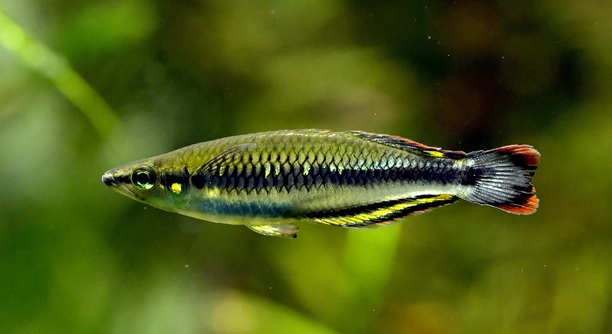
Are your rainbowfish not growing as quickly as you expected, despite careful feeding and regular tank maintenance? Many fish owners face this issue, and it can be frustrating when your aquatic pets don’t thrive as anticipated.
Rainbowfish growth is primarily influenced by water quality, diet, tank size, and stress levels. Poor nutrition, overcrowding, inconsistent temperatures, or inadequate filtration can all hinder development, making it essential to address these factors systematically to support healthy growth.
Understanding these key elements can help you improve your rainbowfish’s environment and diet. Simple adjustments can make a significant difference in their long-term health and growth.
Poor Water Quality
Maintaining clean water is essential for rainbowfish growth. High levels of ammonia, nitrites, or nitrates can stress fish, slowing their development and sometimes causing health issues. Regular water changes and proper filtration help maintain a stable environment. Even small fluctuations in pH or temperature can affect growth. Monitoring water parameters weekly ensures a healthy habitat. It’s important to test the water consistently and adjust as needed. Overfeeding can also deteriorate water quality quickly, leaving excess waste in the tank. A clean, balanced environment allows rainbowfish to focus on growth rather than coping with stress. Observing their behavior can provide clues; lethargy, hiding, or gasping may indicate poor conditions. Providing adequate aeration and avoiding sudden chemical changes supports steady development. Consistent maintenance routines prevent long-term issues and promote natural growth. By prioritizing water quality, your rainbowfish will have a strong foundation for health and size.
Regular water testing and weekly changes keep conditions optimal and reduce stress for your rainbowfish, encouraging steady growth.
Good water quality not only prevents illness but also improves appetite and energy levels. Fish in clean tanks are more active and display brighter colors. Stable conditions support proper digestion and efficient nutrient absorption, which directly affects growth. Sudden changes in temperature or chemical balance can slow metabolism. Using a high-quality filter suitable for your tank size is crucial, and cleaning it regularly prevents buildup. Overcrowding also reduces water quality and can stunt growth. Maintaining proper water hardness and pH according to rainbowfish species ensures comfort. Aeration and gentle circulation improve oxygen levels, supporting overall health. By combining these measures, you create a tank environment where rainbowfish can thrive, grow steadily, and display their natural vibrancy. Careful observation and proactive maintenance are essential for long-term success in raising healthy fish.
Inadequate Diet
A diet lacking essential nutrients can prevent rainbowfish from reaching their full size. Feeding high-quality flakes, pellets, or live food is necessary for balanced growth. Variety ensures they receive sufficient protein, vitamins, and minerals.
Feeding multiple small portions throughout the day improves digestion and nutrient absorption.
Rainbowfish require a combination of protein and plant matter. Relying solely on one type of food can result in slower growth or color fading. Live or frozen foods like brine shrimp, daphnia, or bloodworms provide essential protein for muscle development. Vegetables or spirulina-based foods add vitamins that support immune health. Avoid overfeeding, which can cause obesity and water issues. Adjust portions based on the number of fish and tank size. Observing their eating behavior helps identify preferences and ensures all fish get adequate nutrition. Providing varied, high-quality food consistently promotes steady growth, better energy, and vibrant coloration. Ensuring proper diet alongside clean water and suitable tank conditions maximizes the chances of healthy development for your rainbowfish.
Overcrowded Tank
Too many fish in one tank limits growth by increasing stress and reducing available nutrients. Rainbowfish need enough space to swim freely and establish territories. Overcrowding can also worsen water quality, making it harder to maintain stable conditions.
Limited space causes constant competition for food and hiding spots. Fish in overcrowded tanks may eat less or get stressed from constant interactions. Stress reduces immunity and slows metabolism, directly affecting growth. Maintaining an appropriate fish-to-gallon ratio ensures each rainbowfish has room to move, feed, and grow. Rearranging decorations to create separate areas can reduce territorial conflicts. Regularly monitoring fish numbers and adjusting stocking levels helps prevent stunting.
Overcrowding also impacts water circulation and oxygen availability. Even with good filtration, a packed tank can cause stagnant areas. Unequal access to food can leave smaller or weaker fish undernourished. Providing sufficient space and carefully planning tank stocking promotes healthy growth, stronger immunity, and better color expression. Overcrowded tanks rarely support the natural development of rainbowfish, making space management essential for long-term health and vitality.
Stress and Aggression
Stress from aggressive tankmates or sudden environmental changes can hinder rainbowfish growth. Fish experiencing constant stress often eat less and are more prone to illness, directly affecting development. Maintaining a calm environment reduces these risks.
Aggression between rainbowfish or other species leads to injuries and persistent stress. Even minor conflicts can elevate cortisol levels, slowing growth and weakening the immune system. Properly sized groups and compatible species reduce aggression. Decorations and plants offer hiding spots and visual barriers, which help manage stress. Observing fish interactions allows timely interventions, such as separating aggressive individuals or rearranging the tank. Environmental consistency, like steady lighting and stable water temperature, further minimizes stress. Managing social dynamics and stressors ensures rainbowfish can focus on growth rather than survival.
Inconsistent Water Temperature
Rainbowfish growth slows when water temperature fluctuates frequently. Sudden changes can stress fish, affecting metabolism and appetite. Maintaining a steady temperature within the species’ preferred range supports healthy development and energy levels.
Using a reliable heater and thermometer ensures stable water conditions. Avoid placing the tank near drafts, windows, or heating vents that cause fluctuations. Consistency is key for growth.
Poor Filtration
Inadequate filtration allows waste buildup, which reduces oxygen levels and increases harmful chemicals. Proper filtration maintains water clarity and stability, supporting fish health and growth.
Lack of Light
Rainbowfish need consistent, moderate lighting for proper feeding and activity. Poor or irregular lighting can reduce energy, disrupt behavior, and slow growth.
Why isn’t my rainbowfish growing despite feeding it regularly?
Even with frequent feeding, growth can be limited if the diet lacks essential nutrients. Rainbowfish need a balanced combination of protein, vitamins, and minerals. Overfeeding with low-quality flakes or ignoring live or frozen foods can prevent proper development. Ensuring variety and quality in their diet is critical for healthy growth.
Can water quality alone affect growth?
Yes, poor water quality can directly slow rainbowfish growth. High ammonia, nitrite, or nitrate levels cause stress, reduce appetite, and impair metabolism. Even minor fluctuations in pH or temperature can have long-term effects. Maintaining stable, clean water is essential for supporting both health and size.
How does tank size influence growth?
Rainbowfish require ample space to swim freely and establish territories. A small or overcrowded tank increases stress, limits access to food, and reduces oxygen levels. Proper stocking ratios allow each fish enough room to move and feed, supporting natural growth patterns and minimizing health issues.
Does stress from tankmates affect development?
Yes, stress from aggressive fish or constant social competition can stunt growth. Elevated stress hormones reduce immunity and slow metabolism. Providing hiding spots, compatible species, and monitoring behavior minimizes aggression and allows rainbowfish to thrive without constant stress, improving growth outcomes.
How often should I change water to promote growth?
Regular water changes are critical. Weekly partial water changes of 20–30% remove waste, toxins, and excess nutrients. This maintains stable water chemistry and supports fish health. Consistent changes prevent long-term stress and encourage steady growth in rainbowfish by maintaining a balanced habitat.
Do temperature fluctuations really matter?
Rainbowfish are sensitive to sudden changes in water temperature. Frequent shifts can reduce metabolism and appetite, slowing growth. Maintaining a stable temperature using a reliable heater and thermometer ensures fish expend energy on growth rather than adjusting to stressors, supporting steady development.
Can lighting affect rainbowfish growth?
Yes, insufficient or irregular lighting can reduce activity and feeding efficiency. Rainbowfish are more active during consistent light periods, which helps them feed properly and maintain energy. Providing moderate, consistent lighting encourages regular behavior and supports overall health and growth.
Is overcrowding a serious issue for growth?
Overcrowding limits swimming space, increases stress, and leads to competition for food. It also worsens water quality, creating a cycle that slows development. Ensuring an appropriate fish-to-gallon ratio and providing hiding spots reduces conflict and supports healthy growth for all fish.
How do I know if my rainbowfish is growing properly?
Monitor their size and behavior over time. Healthy growth is gradual and consistent. Bright coloration, active swimming, and regular feeding indicate good health. Comparing fish of similar age and size can help identify growth issues early and allow timely adjustments to care routines.
Can supplements or vitamins help?
Supplements can improve nutrition if the diet lacks variety. Adding spirulina, vegetable matter, or vitamin-enriched foods supports immunity, energy, and growth. However, they should complement a balanced diet rather than replace high-quality flakes, pellets, or live foods, ensuring comprehensive nutrition for rainbowfish development.
How long does it take for rainbowfish to reach full size?
Growth rate varies by species, tank conditions, and diet. On average, rainbowfish reach adult size in 6–12 months. Providing optimal water quality, nutrition, and space accelerates healthy growth, while poor conditions can extend this timeline or cause stunting.
What is the most common mistake slowing growth?
The most frequent issue is a combination of poor water quality, inconsistent diet, and overcrowding. Ignoring any one of these factors can stress fish and slow development. Maintaining clean water, proper feeding, and adequate space is key to achieving steady, healthy growth.
Can stress from handling or maintenance affect growth?
Yes, excessive handling or abrupt changes in the tank environment can elevate stress levels, reducing appetite and metabolism. Performing maintenance gently and gradually helps rainbowfish remain calm, allowing them to focus energy on growth rather than coping with stress.
Are certain species of rainbowfish slower growers?
Yes, growth rates vary by species. Some naturally mature faster, while others take longer to reach full size. Knowing your species’ average growth timeline helps set realistic expectations and adjust care practices accordingly.
Do water hardness and pH levels matter?
Rainbowfish thrive in moderately hard water with stable pH levels. Extreme shifts can stress fish and reduce growth. Regular testing and adjustments to maintain species-appropriate conditions support metabolism, feeding, and overall development.
How important is protein in their diet?
Protein is essential for muscle development and overall growth. High-quality sources like brine shrimp, daphnia, and bloodworms are necessary for young and growing fish. Without sufficient protein, rainbowfish may remain smaller and less vibrant despite adequate feeding.
Can introducing new tankmates affect growth?
New fish can increase competition and stress, impacting growth temporarily. Quarantining new additions and ensuring compatibility reduces aggression and allows rainbowfish to continue developing in a stable environment.
Does tank decor influence growth?
Yes, decorations create territories and hiding spots, reducing stress and promoting activity. Fish that feel safe and have room to explore feed better and grow more efficiently. Balancing open swimming space with cover is ideal.
Is monitoring behavior enough to detect growth issues?
Behavior is a key indicator. Lethargy, poor appetite, or hiding may signal stress or poor conditions. Observing these signs early allows interventions in diet, water quality, or tank setup, helping restore healthy growth patterns.
Can overfeeding ever help growth?
No, overfeeding can harm water quality, cause obesity, and stress fish, ultimately slowing growth. Feeding moderate portions multiple times a day ensures proper nutrition without creating harmful tank conditions.
How do I recover a stunted rainbowfish?
Correcting water quality, providing a balanced diet, reducing stress, and ensuring sufficient space can improve growth over time. Recovery is gradual, and consistent care is essential for regaining health and proper size.
Can seasonal changes affect growth?
Seasonal temperature or light fluctuations can alter metabolism. Maintaining stable conditions year-round with heaters, thermometers, and consistent lighting prevents interruptions in growth and supports continuous development.
What is the best way to combine all growth factors?
Providing clean water, a varied diet, appropriate tank size, stable temperature, gentle handling, and a low-stress environment creates optimal conditions. Observing fish regularly ensures issues are addressed quickly, promoting steady and healthy growth.
How do I know if I’ve fixed the growth problem?
Gradual size increases, bright colors, active swimming, and consistent feeding behavior indicate improvement. Patience and consistent care are essential, as recovery and growth take time, but steady progress confirms success.
Are live plants helpful for growth?
Yes, live plants improve water quality, provide hiding spots, and reduce stress. They also encourage natural behavior, which supports healthy metabolism and steady growth in rainbowfish.
How long before changes show results?
Positive changes in water, diet, and environment usually show results within a few weeks. Consistency is key, as rainbowfish need stable conditions to gradually catch up in growth and display improved health.
Can stress from loud noises or vibrations affect growth?
Yes, frequent disturbances elevate stress hormones, reducing appetite and slowing growth. Placing the tank in a quiet, stable location minimizes stress and supports steady development.
Do rainbowfish grow faster in larger tanks?
Generally, yes. Larger tanks reduce stress, provide more space to swim, and improve water stability. This environment allows rainbowfish to focus energy on growth rather than coping with competition or poor conditions.
Is monitoring water parameters more important than diet?
Both are essential. Poor water quality can nullify even the best diet, while a balanced diet is ineffective in toxic or unstable water. Monitoring and adjusting both ensures optimal growth conditions.
Can I use commercial growth supplements safely?
Yes, if used according to instructions. Supplements can provide missing nutrients, but they should complement, not replace, a varied diet of high-quality flakes, pellets, and live or frozen foods.
How do I prevent future growth problems?
Consistent maintenance, balanced diet, proper stocking, and stress reduction are key. Regular observation and adjustments prevent common issues, ensuring rainbowfish continue growing steadily and healthily in the long term.
Is it normal for growth to slow with age?
Yes, rainbowfish grow rapidly when young and slow down as they approach adult size. Maintaining good care ensures they reach their full potential and remain healthy throughout their life.
Can poor genetics limit growth?
Genetics can influence maximum size and growth rate. While care and environment improve overall health, some individuals may naturally grow slower or remain smaller than others.
Does feeding live food make a difference?
Live food encourages natural hunting behavior, provides high-quality protein, and improves appetite. Including live food occasionally promotes better growth and overall health in rainbowfish.
How do I balance growth with tank aesthetics?
Maintaining sufficient swimming space, hiding spots, and clean water ensures fish grow well while keeping the tank visually appealing. Plants, rocks, and decorations should enhance both environment and health.
Can growth issues indicate disease?
Yes, stunted growth can be a symptom of parasites, infections, or other illnesses. Observing fish closely and treating promptly helps prevent long-term impact on size and health.
Are juvenile rainbowfish more sensitive to care mistakes?
Juveniles are highly sensitive to water quality, diet, and stress. Mistakes at this stage can have lasting effects, making careful management essential for reaching full adult size.
Does fasting affect growth?
Short-term fasting can be tolerated, but prolonged lack of food reduces metabolism and slows development. Consistent feeding with balanced portions supports continuous growth.
Can changing tank location help growth?
Yes, placing the tank in a stable, quiet area reduces stress from vibrations, noise, or light fluctuations. A calm environment encourages feeding, activity, and natural development.
Is professional advice sometimes necessary?
Yes, persistent growth issues despite proper care may require consultation with an aquatic veterinarian or experienced aquarist to identify underlying problems. Early intervention prevents long-term stunting and health complications.
Do rainbowfish recover fully from stunted growth?
Recovery is possible with proper care, though the extent depends on age, severity, and genetics. Consistent maintenance, optimal diet, and low-stress conditions provide the best chance for catching up in size.
What is the most important factor overall?
Balanced water quality, nutrition, space, and stress management are collectively the most important. Focusing on all aspects ensures steady growth and long-term health for rainbowfish.
Can multiple small changes make a difference?
Yes, small improvements in diet, water quality, and tank setup add up. Gradual adjustments reduce stress and allow rainbowfish to grow steadily without overwhelming them with sudden changes.
How do I track growth effectively?
Measure fish regularly or take photos over time to compare size. Observing changes in behavior, coloration, and activity also indicates healthy development. Consistency in monitoring ensures timely interventions if needed.
Are some fish more dominant and affect others’ growth?
Yes, dominant individuals may eat more and stress weaker fish, slowing their growth. Providing adequate food, space, and hiding spots reduces the impact of hierarchy and supports equitable development.
Do frequent tank cleanings stress rainbowfish?
Yes, overly aggressive cleaning can disturb the tank and stress fish. Gentle, gradual maintenance prevents stress while keeping water quality high, promoting healthy growth.
Can adding new fish restart growth issues?
Introducing new fish can temporarily increase stress and competition. Proper quarantine, careful selection, and monitoring behavior prevent setbacks and allow growth to continue steadily.
Is a quarantine tank useful for growth recovery?
Yes, isolating stressed or sick fish reduces competition and allows focused care. A stable, controlled environment encourages feeding and healthy development, helping rainbowfish regain size and vitality.
Do temperature, light, and diet need to match species requirements?
Absolutely. Each rainbowfish species has preferred ranges. Meeting these requirements supports metabolism, feeding efficiency, and overall growth, ensuring fish reach their full potential.
Can growth supplements replace proper care?
No, supplements aid nutrition but cannot compensate for poor water quality, stress, or overcrowding. They should complement comprehensive care practices, not replace them.
Are juvenile rainbowfish more prone to stunted growth?
Yes, young fish are highly sensitive. Proper nutrition, stable water, and low-stress conditions are critical during this stage to ensure normal development and prevent permanent stunting.
How long should I wait to see results after changes?
Visible improvement usually occurs within weeks if conditions are optimized. Patience is essential, as growth is gradual, and consistent care ensures lasting results.
Is preventing growth issues easier than fixing them?
Yes, maintaining balanced care from the start avoids stress, malnutrition, and stunting. Proactive management is far more effective than attempting recovery later.
Can a single factor drastically slow growth?
Sometimes, one major issue like poor water quality or severe overcrowding can significantly hinder development. Addressing the problem promptly restores growth potential.
How can I combine all advice effectively?
Create a stable, clean environment, provide a balanced diet, minimize stress, and monitor behavior regularly. Combining all these practices maximizes growth and health consistently.
Does age affect recovery potential?
Younger rainbowfish recover faster from stunted growth, while older fish may only partially regain size. Early intervention and consistent care yield the best results.
Are certain decorations harmful to growth?
Sharp or poorly placed decorations can injure fish and cause stress. Safe, smooth, and well-arranged tank decor supports activity, hiding, and natural development without harming growth.
How much protein is enough for juvenile rainbowfish?
Juveniles need higher protein levels to support rapid growth. Including live or frozen protein sources several times a week ensures proper muscle development and overall size.
Does feeding frequency matter for growth?
Yes, multiple small feedings support digestion and nutrient absorption. Overfeeding at once can pollute the tank, while too few feedings slow development. Balanced portions throughout the day promote steady growth.
Are tankmates’ growth rates important to consider?
Yes, slower-growing or aggressive species can impact rainbowfish feeding and stress levels. Selecting compatible fish ensures fair access to food and reduces growth-related issues.
Can seasonal changes in light affect growth?
Yes, shorter or inconsistent light periods can reduce activity and feeding efficiency. Using timers for consistent lighting supports energy, metabolism, and proper development year-round.
Should I separate slower-growing fish?
Occasionally, isolating underdeveloped individuals for targeted feeding and low-stress care can help them catch up, provided water and conditions remain optimal.
Do rainbowfish need live plants for growth?
Live plants improve water quality, offer shelter, and reduce stress. These benefits indirectly support steady growth and healthy behavior.
How often should I test water for optimal growth?
Weekly testing for ammonia, nitrite, nitrate, and pH ensures conditions remain stable. Prompt adjustments prevent stress and growth setbacks.
Can stress from nearby pets affect growth?
Yes, vibrations or sudden movement from pets can disturb fish. Placing the tank in a quiet, low-traffic area minimizes stress and supports normal development.
Do all rainbowfish grow at the same rate?
No, growth varies by species, genetics, and environmental conditions. Understanding species-specific growth patterns sets realistic expectations and helps optimize care.
Can sudden changes in diet affect growth?
Yes, abrupt diet changes can stress the digestive system and reduce appetite. Gradual transitions maintain nutrient intake and prevent growth disruption.
Are certain water parameters more critical than others?
Ammonia, nitrite, nitrate, pH, and temperature are all crucial. Neglecting any of these factors can stunt growth and compromise overall health.
How long before I should see improvement after diet changes?
Improved feeding routines typically show effects within weeks. Fish regain energy, appetite, and growth momentum with consistent, high-quality nutrition.
Can poor filtration alone slow growth?
Yes, inadequate filtration reduces oxygen and increases toxins, stressing fish and slowing metabolism. Proper filtration ensures a stable environment for healthy development.
Do rainbowfish grow better in community tanks?
Yes, if tankmates are compatible and stress is minimal. Proper space and diet management allow rainbowfish to grow while cohabiting peacefully.
Can growth be affected by water movement?
Strong currents or stagnant areas can stress fish or limit activity. Balanced circulation promotes oxygenation, healthy swimming, and normal development.
Are tank location and ambient light important?
Yes, placing the tank in a stable, well-lit area supports feeding, activity, and overall growth. Avoid drafts, vibrations, and direct sunlight.
Do rainbowfish need vitamins in their diet?
Vitamins support immunity, metabolism, and growth. A varied diet or occasional supplements ensures they receive necessary nutrients for proper development.
Is monitoring behavior more important than measuring size?
Both are important. Behavior indicates stress or feeding issues, while measuring size tracks growth progress. Combined observation ensures timely adjustments.
Can aquarium decorations affect stress and growth?
Yes, providing hiding spots and territories reduces stress and competition, indirectly supporting healthy growth and natural behavior.
Do rainbowfish ever stop growing completely?
They slow growth as they reach adult size, but proper care ensures they reach their species’ maximum potential without stunting or health issues.
How can I prevent all future growth issues?
Consistent maintenance, balanced diet, sufficient space, low-stress conditions, and careful observation collectively prevent growth problems and support long-term health.
Is recovery from stunted growth guaranteed?
Not always. Age, genetics, and prior conditions influence recovery. Early, consistent care maximizes potential but may not fully reverse severe stunting.
Can overfeeding reduce growth?
Yes, it harms water quality and stresses fish. Balanced, moderate feedings promote proper development without negative consequences.
Are juvenile rainbowfish more sensitive to environmental changes?
Yes, young fish are highly susceptible to water quality, diet, and stress. Careful management is crucial to prevent permanent growth issues.
Does consistent feeding improve growth?
Absolutely. Regular, balanced feeding ensures proper nutrient intake, supporting metabolism, energy, and steady growth.
Can tankmates’ aggression stunt growth?
Yes, dominant or aggressive fish can reduce access to food and increase stress, directly affecting weaker fish’s development.
How important is oxygenation for growth?
Proper oxygen levels support metabolism and energy. Insufficient oxygen slows growth, reduces appetite, and increases stress, making aeration and circulation critical.
Do rainbowfish need hiding spots for proper growth?
Yes, hiding spots reduce stress, allow natural behavior, and encourage feeding, indirectly supporting healthy growth and development.
Can temperature extremes halt growth?
Yes, temperatures outside the preferred range stress fish and slow metabolism. Maintaining stable, species-appropriate temperatures promotes steady development.
Does juvenile nutrition impact adult size?
Yes, early-life nutrition strongly influences maximum
Taking care of rainbowfish requires attention to several key factors that influence their growth and overall health. Water quality is one of the most important aspects. Maintaining clean water with stable parameters ensures that fish are not stressed and can feed properly. Regular testing of ammonia, nitrites, nitrates, and pH levels helps prevent conditions that can slow growth. Temperature consistency also plays a crucial role. Sudden changes can disrupt metabolism and appetite, making it harder for rainbowfish to grow. Proper filtration is necessary to keep the water clear and well-oxygenated. Without good filtration, waste can build up quickly, creating an environment that is harmful to fish and can stunt their development over time.
Diet is equally important for healthy growth. Rainbowfish need a balanced combination of protein, vitamins, and minerals. Relying on only one type of food can limit their nutrient intake. High-quality flakes or pellets, combined with occasional live or frozen foods like brine shrimp, daphnia, or bloodworms, provide the necessary protein and nutrients for muscle and overall development. Including plant-based foods or spirulina ensures they receive vitamins that support immunity and metabolism. Feeding multiple small portions throughout the day can improve digestion and nutrient absorption. Overfeeding, however, can cause water quality issues and stress, which also slows growth. Observing the fish during feeding helps ensure each individual is getting enough food and prevents weaker fish from being left behind.
Stress management and proper tank setup are additional factors that impact rainbowfish growth. Overcrowding, aggressive tankmates, or lack of hiding spots can increase stress, which slows metabolism and reduces appetite. Providing sufficient space, decorations, and live plants allows fish to establish territories and feel secure. Consistent lighting and a quiet tank location also help maintain a calm environment. Monitoring behavior regularly makes it easier to spot issues before they become serious. Taking a proactive approach to water quality, diet, and stress management ensures that rainbowfish have the best conditions to grow steadily and remain healthy. By addressing these elements consistently, you support their natural development and long-term well-being, allowing them to thrive and reach their full potential.

Hello,
If you enjoy the content that we create, please consider saying a "Thank You!" by leaving a tip.
Every little bit helps us continue crafting quality advice that supports the health, happiness, and well-being of pets around the world, for pets of all shapes, sizes, and species.
We really appreciate the kindness and support that you show us!