
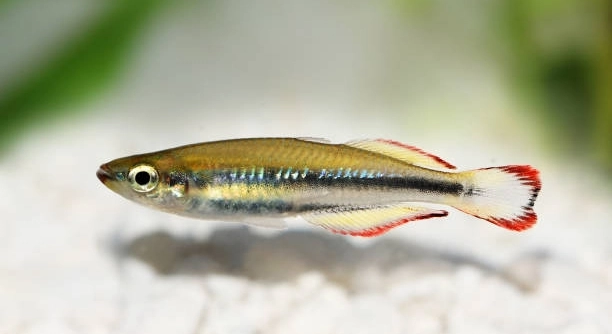
Rainbowfish are small, colorful freshwater fish that brighten up any aquarium. They are known for their graceful movements and peaceful nature, making them a popular choice among both beginner and experienced fish keepers.
Rainbowfish tend to display higher activity levels when kept in groups rather than alone. Social interactions stimulate natural behaviors such as schooling, foraging, and exploration, which contribute to overall physical and mental well-being in these fish.
Observing rainbowfish in a group setting reveals patterns not seen when they are solitary. Their social environment has a notable effect on their behavior and daily routines.
Social Behavior of Rainbowfish
Rainbowfish are naturally social creatures, often moving together in small groups or schools. In a community tank, I noticed how their colors shine brighter when they swim alongside others. Being in a group allows them to follow patterns of movement, avoid stress, and feel safer. When kept alone, rainbowfish can become timid and may hide for extended periods, which limits their natural activity. Social interactions also encourage healthy foraging and exploration. Observing their schooling behavior, I realized it’s not just about safety but also about stimulation. They seem more alert and engaged, often interacting with tank decorations or chasing small food particles. Even subtle gestures, like a flick of a fin or a quick dash, become more frequent when they have company. Group living supports both mental and physical health, making their tank environment more lively and dynamic. This behavior emphasizes the importance of keeping rainbowfish in appropriate numbers.
Rainbowfish thrive in groups of at least six, which helps reduce stress and maintain consistent activity levels.
Keeping them together creates a more dynamic and natural environment. Their movements appear synchronized, making the tank lively, and they respond more actively to feeding times and changes in their surroundings.
Tank Setup for Active Rainbowfish
Proper tank size and structure are key to promoting activity. A 30-gallon tank or larger allows rainbowfish to swim freely without feeling cramped. Plants, rocks, and gentle currents mimic their natural habitat, giving them spaces to explore and hide. I arranged floating plants and open swimming areas, which encouraged the fish to move more confidently. Bright lighting accentuates their colors and keeps them visible, while water quality must be maintained with regular changes and filtration. Temperature also plays a role, as rainbowfish prefer stable warmth to remain energetic. Observing their response to a well-structured tank confirmed that environmental enrichment is directly linked to activity levels.
Proper decorations and open swimming areas keep rainbowfish engaged and active throughout the day.
Providing a balanced diet, monitoring water parameters, and maintaining group cohesion are essential for long-term activity. When rainbowfish are in a well-set tank with companions, they display natural behaviors like schooling, chasing, and exploring. They are less stressed and more interactive, which improves overall health. Attention to lighting, temperature, and hiding spots ensures they feel secure while staying active. This approach not only enhances their appearance but also encourages natural rhythms, keeping the aquarium lively and interesting. By creating an environment that meets both social and physical needs, rainbowfish can thrive, showing their full range of colors and behaviors consistently.
Feeding and Group Activity
Rainbowfish become more active during feeding, especially in groups. Watching them swim together to grab food shows their natural energy. Feeding time is not just about nutrition; it also stimulates movement and social interactions. A well-fed group is a lively group.
Providing small, frequent meals encourages constant activity. In my experience, rainbowfish respond quickly to floating flakes or live food. When feeding together, they chase food in coordinated movements, which promotes exercise and reduces aggression. Feeding in a group also helps maintain social bonds, as fish learn to respect personal space while competing for food. Overfeeding must be avoided to prevent water quality issues that could reduce activity. I found that a balanced diet of protein-rich flakes and occasional live treats keeps them energetic and healthy.
The type of food influences activity levels. High-quality flakes, live brine shrimp, and occasional vegetables stimulate chasing and foraging behavior. Observing rainbowfish, I noticed they become noticeably more vibrant and agile when their diet meets both nutritional and engagement needs. Feeding in a group enhances movement, strengthens social dynamics, and keeps the tank environment lively.
Monitoring Behavior and Health
Regular observation helps identify changes in activity. Noting patterns of swimming, hiding, or chasing food ensures they are healthy. Subtle shifts often signal stress or illness, which should be addressed immediately to maintain energy levels.
Consistency in water temperature, pH, and cleanliness supports natural activity. I record behavior daily, noting any lethargy or unusual isolation. Minor stressors, like sudden noises or new tankmates, can reduce movement temporarily. Maintaining a stable environment reduces stress and encourages normal schooling. Health issues like fin rot or parasites often manifest through decreased swimming or erratic patterns, making observation crucial. Intervening early prevents long-term problems, preserving group dynamics and activity. Structured monitoring, combined with proper diet and social settings, ensures rainbowfish remain lively and display their full range of natural behaviors.
Tank Companions
Rainbowfish are peaceful and do well with other non-aggressive species. I keep them with small tetras and rasboras, which adds movement without causing stress. Choosing compatible companions ensures they remain active and confident in the tank.
Aggressive or large fish can intimidate rainbowfish, reducing their activity. Observing interactions helps maintain harmony. Grouping them with calm species promotes natural schooling and consistent swimming patterns throughout the day.
Lighting and Activity
Bright, consistent lighting encourages rainbowfish to swim and display colors. I use a soft LED setup that simulates daylight, which keeps them moving and visible. Shadows and dim areas reduce activity, so balanced lighting is key for daily energy.
Observing Seasonal Behavior
Rainbowfish activity can fluctuate with seasonal changes in temperature and daylight. I notice more energy during warmer months when the tank mimics natural conditions. Adjusting lighting and maintaining stable warmth ensures activity remains consistent, even in cooler seasons.
Tank Size Considerations
A larger tank allows rainbowfish to swim freely and reduces stress. I use a 40-gallon setup, giving them space to school naturally and maintain high activity levels.
FAQ
How many rainbowfish should I keep together?
Rainbowfish are schooling fish and need company to thrive. I keep at least six together, which allows them to swim naturally and reduces stress. Smaller numbers often make them timid, hiding in corners or staying inactive. More than six works too, as long as the tank is spacious enough to prevent overcrowding and maintain water quality. A proper group size encourages consistent activity and healthy social interactions.
What tank size is best for rainbowfish?
A minimum of 30 gallons is suitable for a small school of rainbowfish, but larger tanks, like 40 or 50 gallons, provide better swimming space. I found that in bigger tanks, the fish are more energetic and display brighter colors. Ample swimming space supports schooling behavior and reduces aggression, especially if other peaceful species share the tank. Plants, open swimming areas, and gentle currents enhance activity further, allowing rainbowfish to move freely and explore their environment.
What type of water conditions do rainbowfish prefer?
Rainbowfish thrive in clean, stable water with a temperature between 74–78°F. pH should be around 6.5–7.5, with moderate hardness. I test water weekly to prevent sudden changes, as even minor fluctuations can reduce activity. Proper filtration and regular water changes maintain oxygen levels, encouraging natural behaviors like schooling and foraging. Stable conditions also prevent stress-related illness, which often causes lethargy.
Do rainbowfish get along with other fish?
Yes, but choosing peaceful tankmates is important. I keep them with tetras, rasboras, and other small, non-aggressive fish. Larger or aggressive species can intimidate rainbowfish, causing them to hide or reduce activity. Observing initial interactions helps ensure harmony. Compatibility promotes normal schooling and daily movement patterns, keeping the tank lively.
How often should I feed rainbowfish?
I feed my rainbowfish small meals two to three times daily. Frequent, moderate feedings encourage movement and natural foraging behavior. Overfeeding can harm water quality, reducing activity levels, so portion control is key. A varied diet of flakes, live food, and occasional vegetables keeps them energetic, healthy, and engaged.
Does lighting affect rainbowfish activity?
Yes, lighting is crucial. I use soft LED lights to mimic natural daylight. Bright, consistent lighting encourages swimming and enhances color display, while dim or inconsistent light can make them sluggish. Balanced lighting also supports plant growth and natural hiding spots, which contribute to an enriched environment.
Why do rainbowfish sometimes hide even in groups?
Hiding may occur due to stress, illness, or sudden changes in the tank. I watch for environmental factors like new tankmates, loud noises, or fluctuating water parameters. Even social fish need secure spaces. Plants, rocks, and shaded areas allow them to retreat temporarily, but consistent hiding can signal a problem requiring attention.
Can rainbowfish be kept in a planted tank?
Absolutely. I keep my rainbowfish in a planted tank, which provides shelter and encourages exploration. Floating plants and open swimming areas balance security and space. Live plants also improve water quality and oxygen levels, contributing to higher activity. Plants make the tank more dynamic and visually appealing while supporting natural behaviors.
How do I tell if rainbowfish are healthy and active?
Active swimming, schooling behavior, bright colors, and regular feeding are signs of healthy rainbowfish. I monitor for lethargy, faded colors, or erratic swimming, which may indicate illness or stress. Early observation allows me to adjust water conditions, diet, or social settings to maintain vitality and consistent activity.
Do rainbowfish need specific temperature adjustments for activity?
Yes, consistent warmth promotes energy. I keep the water stable between 74–78°F. Sudden drops in temperature can reduce activity and stress the fish. Maintaining steady heat with a reliable heater ensures natural movement patterns and supports overall health, particularly during seasonal changes.
How can I encourage rainbowfish to be more active?
Providing companions, a spacious tank, enriched decorations, and varied food stimulates movement. I notice that adding floating plants and open swimming zones keeps them engaged. Balanced lighting, stable water parameters, and a proper diet all work together to maintain consistent activity and vibrant behavior.
What are common signs of stress in rainbowfish?
Stress often shows as hiding, reduced movement, faded colors, or loss of appetite. I check for environmental causes such as aggressive tankmates, overcrowding, poor water quality, or sudden changes. Addressing these factors promptly restores natural behavior and helps maintain an active, healthy group.
Can rainbowfish live alone if necessary?
While possible, living alone is not ideal. A solitary rainbowfish becomes less active, shy, and may hide for long periods. I keep them in groups whenever possible, as social interactions are essential for mental stimulation, movement, and overall well-being.
How do I maintain group harmony in the tank?
I observe interactions and ensure ample space to prevent conflicts. Balanced feeding, consistent environment, and compatible tankmates reduce stress. Providing multiple hiding spots and open swimming areas allows each fish to express natural behaviors without dominance issues, maintaining both activity and peace.
Do seasonal changes affect rainbowfish activity?
Yes, variations in temperature and daylight can influence energy levels. I maintain stable lighting and warmth to mimic favorable conditions year-round. Adjustments prevent lethargy and support consistent swimming, foraging, and schooling behaviors, ensuring rainbowfish remain active despite external seasonal fluctuations.
Final Thoughts
Rainbowfish are naturally social and energetic creatures that thrive in groups. Observing them in a community tank, I have noticed a clear difference in behavior when they are kept alone versus in a school. Alone, they tend to hide, swim less, and appear timid. In a group, their movements are more confident, coordinated, and frequent, showing natural patterns like schooling, chasing, and exploring. The presence of other rainbowfish provides mental stimulation and encourages interaction, which improves overall activity levels. Group living also helps reduce stress, as these fish feel safer moving together in open areas. Even small changes in the number of companions can noticeably affect their behavior, highlighting the importance of maintaining an adequate group size for healthy activity. Their social nature makes it clear that companionship is not just a preference but a key factor in their daily routines.
Proper tank setup is essential to support rainbowfish activity. I have found that larger tanks with open swimming areas, plants, and gentle currents promote movement and exploration. Decorations like rocks and floating plants provide hiding spots and stimulation, while still leaving enough space for schooling behavior. Consistent water quality, temperature, and lighting also play a major role in maintaining energy levels. Rainbowfish respond quickly to balanced diets that include both flakes and live food, showing increased movement and engagement during feeding. Even small adjustments in tank conditions, such as adding new plants or rearranging decorations, can encourage exploration and activity. Regular observation helps me notice subtle changes in behavior, allowing me to address potential stressors or health issues before they impact overall energy. A combination of proper social structure, enriched environment, and consistent care ensures rainbowfish can display their full range of natural behaviors.
Feeding, tank companions, and environmental factors all work together to influence rainbowfish activity. I have learned that keeping them in groups, providing adequate space, monitoring water parameters, and offering a varied diet creates a lively and dynamic tank. Seasonal changes can slightly affect energy levels, but stable lighting and temperature help maintain consistent behavior. Rainbowfish are sensitive to stress, overcrowding, and incompatible tankmates, all of which can reduce activity. Observing and adjusting these factors allows them to remain confident, healthy, and active. Their vibrant colors, playful movements, and schooling behavior make the effort worthwhile. By understanding their social and environmental needs, it is possible to create a tank where rainbowfish thrive, move naturally, and maintain high levels of activity throughout the day. Proper care not only supports their physical health but also ensures their behavior reflects their natural energy and curiosity.

Hello,
If you enjoy the content that we create, please consider saying a "Thank You!" by leaving a tip.
Every little bit helps us continue crafting quality advice that supports the health, happiness, and well-being of pets around the world, for pets of all shapes, sizes, and species.
We really appreciate the kindness and support that you show us!