
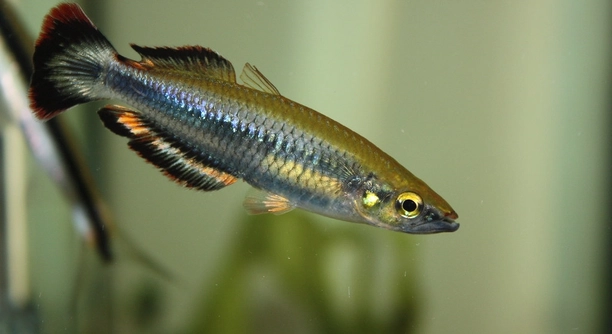
Keeping a solo rainbowfish can seem simple at first, but many fish owners soon realize there are unique challenges. From maintaining water quality to preventing loneliness, caring for a single rainbowfish requires careful attention and planning.
The primary challenges of keeping a solo rainbowfish include ensuring stable water conditions, providing proper nutrition, preventing stress, offering mental stimulation, monitoring health regularly, maintaining suitable tank environments, and addressing social behavior needs to promote overall well-being.
Understanding these challenges can help you create a healthier and more balanced environment, making life more comfortable and enjoyable for your rainbowfish.
Water Quality Maintenance
Maintaining stable water quality is critical when keeping a solo rainbowfish. These fish are highly sensitive to changes in pH, ammonia, nitrite, and nitrate levels. Even small fluctuations can cause stress and illness. Regular water testing, partial water changes, and proper filtration are essential to prevent harmful spikes. It is important to cycle the tank before introducing your fish and continue monitoring parameters consistently. Using dechlorinated water and ensuring the temperature remains stable will support the fish’s immune system. Overfeeding can lead to waste buildup, so measuring portions carefully is necessary. Live plants and substrate can aid in maintaining water stability, but they require their own care. Observing your fish daily allows you to notice early signs of stress, such as color fading or erratic swimming. Maintaining water quality is not a one-time task but an ongoing commitment that directly affects the health and longevity of your rainbowfish.
Regular attention to water quality ensures a healthy environment for a single rainbowfish to thrive.
A stable and clean tank reduces the risk of disease, promotes vibrant coloration, and supports natural behaviors. Consistent monitoring helps you catch minor issues before they escalate. Providing a balanced diet, controlling waste, and maintaining filtration will reinforce the benefits of clean water. Over time, a well-maintained tank allows your rainbowfish to develop confidence and exhibit normal activity patterns. Environmental enrichment, such as plants and gentle water flow, complements water quality efforts. Temperature fluctuations can stress the fish, so maintaining consistency is crucial. By understanding the connection between water conditions and fish health, you can prevent common problems that arise in solo setups. Observation is key, as subtle behavioral changes often indicate environmental stressors. Patience and diligence in maintaining water parameters create a reliable foundation for your rainbowfish’s overall well-being, helping them remain active and resilient.
Loneliness and Social Needs
Rainbowfish are naturally social, and isolation can lead to stress.
Providing stimulation through decorations, plants, and varied swimming areas can reduce stress levels and keep a solo rainbowfish engaged.
While a single rainbowfish can survive alone, social deprivation may cause behavioral changes such as hiding, lethargy, or loss of appetite. In a community setting, rainbowfish interact constantly, which promotes mental engagement and natural schooling behaviors. Without companions, it is important to create an enriched environment that mimics these interactions. Adding floating plants, rocks, and open swimming areas allows the fish to explore and exercise. You can also use mirrors or visual stimuli cautiously to simulate activity, but monitor the fish to ensure it does not become agitated. Regular observation helps identify signs of stress early, so adjustments can be made to the environment. Maintaining proper nutrition, offering occasional live or frozen food, and ensuring a consistent day-night cycle also support mental and physical health. By addressing social and environmental needs, you can help your solo rainbowfish remain active, healthy, and display its natural colors.
Nutrition and Feeding
Providing a balanced diet is essential for a solo rainbowfish. Overfeeding can harm water quality, while underfeeding affects health and growth. High-quality flakes, pellets, and occasional live or frozen food should be offered in measured portions to ensure proper nutrition and vibrant coloration.
A varied diet supports immune function, coloration, and energy levels. Rainbowfish benefit from protein-rich foods like brine shrimp, daphnia, and bloodworms, supplemented with plant-based flakes or spirulina. Feeding small amounts two to three times daily prevents overeating and reduces waste accumulation. Observing eating habits can reveal health issues early, such as loss of appetite or selective feeding. Avoiding prolonged fasting or sudden diet changes helps maintain stability in the fish’s digestive system. Consistency in feeding routines contributes to overall well-being and minimizes stress.
Monitoring portion sizes and frequency is crucial for a solo rainbowfish. Overfeeding leads to water contamination, while underfeeding can cause lethargy and stunted growth. Proper nutrition ensures strong fins, bright colors, and natural behaviors. Adjusting feeding habits according to age, activity level, and seasonal changes helps maintain health. Combining live, frozen, and prepared foods provides variety and prevents deficiencies. Supplements like vitamins or algae wafers can enhance overall vitality. Tracking feeding patterns also aids in detecting illnesses early. A consistent and balanced approach supports a resilient, active, and visually vibrant fish.
Tank Environment and Space
A well-structured tank with ample space is critical for a single rainbowfish. Crowded or poorly arranged tanks increase stress and reduce swimming areas, impacting overall health. Proper layout encourages natural behaviors and exploration.
Tank size should accommodate the fish’s growth and activity level. A minimum of 20 gallons is recommended for one adult rainbowfish, with extra space improving swimming freedom. Substrate selection, plants, rocks, and hiding spots should mimic natural habitats, providing security and stimulation. Decorations should not overcrowd the tank but create a varied environment that encourages exploration. Maintaining stable water flow and temperature complements environmental enrichment. Monitoring behavior helps determine whether adjustments are necessary to reduce stress.
Open swimming areas combined with vertical and horizontal structures enhance exercise and activity. Providing plants and smooth rocks allows for hiding, resting, and exploring, which supports mental health. Avoid sharp decorations that can damage fins. Placement of filtration and heaters should maintain water stability without obstructing space. Regular rearrangement of non-living decorations prevents monotony and encourages natural behaviors. Environmental enrichment, even in a solo setup, promotes confidence and reduces stress, allowing the fish to display its full color spectrum. Ensuring the tank is spacious and thoughtfully arranged supports long-term health and well-being.
Monitoring Health
Regular observation is necessary to catch early signs of illness in a solo rainbowfish. Changes in color, behavior, or appetite can indicate stress or disease that needs immediate attention.
Checking fins, scales, and gills daily helps ensure the fish remains healthy. Prompt action can prevent minor issues from becoming severe and supports long-term well-being.
Stress Management
Minimizing stress is essential for a single rainbowfish. Sudden changes in temperature, lighting, or water parameters can trigger stress responses. Maintaining a stable, calm environment reduces aggression and promotes natural behavior. Stress management supports immunity and prevents common health problems.
Tank Cleaning and Maintenance
Consistent cleaning prevents waste buildup and maintains water quality. Regular substrate vacuuming, filter checks, and water changes are required. Neglecting maintenance can lead to disease and poor fish health, while a clean environment supports vibrant coloration and natural activity.
Behavioral Observation
Watching daily behavior helps detect potential problems. Changes in swimming patterns, appetite, or interaction with tank elements can indicate stress or illness, allowing timely adjustments to care and environment.
FAQ
How often should I feed a solo rainbowfish?
Feeding should be done two to three times a day with small portions that can be consumed in a few minutes. Overfeeding can harm water quality, while underfeeding affects health and growth. Combining flakes, pellets, and occasional live or frozen food ensures balanced nutrition. Observing the fish during feeding helps track appetite and detect health issues early. Adjust portions based on activity level and seasonal changes, and avoid sudden diet shifts that could upset the digestive system. Proper feeding routines support vibrant coloration, energy levels, and overall well-being.
What tank size is appropriate for one rainbowfish?
A minimum of 20 gallons is recommended for a single adult rainbowfish. Providing extra space improves swimming freedom and reduces stress. The tank should include open swimming areas, plants, rocks, and hiding spots to simulate a natural habitat. Decorations should not overcrowd the tank but encourage exploration. Proper filtration and stable temperature are essential. Regularly monitoring behavior ensures the environment meets the fish’s needs. A spacious, well-structured tank supports natural behaviors, mental stimulation, and long-term health.
How can I prevent loneliness in a solo rainbowfish?
Rainbowfish are naturally social, so a solo fish may need extra environmental enrichment. Adding plants, rocks, and varied swimming areas provides stimulation. Floating plants and visual decorations can mimic activity. Using mirrors should be done cautiously to prevent stress. Observing behavior helps ensure the fish is not showing signs of isolation, such as lethargy or hiding. Regular attention to tank conditions, feeding, and enrichment keeps the fish active and reduces stress caused by isolation.
What signs indicate stress or illness?
Changes in color, faded fins, erratic swimming, loss of appetite, or excessive hiding are early indicators of stress or illness. Monitoring gills, scales, and body shape helps detect problems early. Stress can result from poor water quality, sudden temperature changes, or environmental disturbances. Prompt intervention, including water testing and adjusting care routines, supports recovery. Maintaining stable conditions and a calm environment reduces stress and promotes natural behavior.
How important is water quality for a solo rainbowfish?
Water quality is critical for health and longevity. Parameters like pH, ammonia, nitrite, and nitrate must remain stable. Regular testing, partial water changes, and proper filtration prevent harmful spikes. Temperature should also remain consistent, and overfeeding must be avoided to reduce waste buildup. Live plants and substrate can help maintain balance. Observing fish behavior helps identify water-related stress early. A clean, stable environment supports immunity, vibrant coloration, and normal activity.
Can I keep other fish with my rainbowfish?
Rainbowfish are generally peaceful but can be stressed by overly aggressive or very small tank mates. Compatibility depends on size, temperament, and water requirements. Introducing companions requires careful observation and a sufficiently large tank to prevent overcrowding. Environmental enrichment and hiding spots can reduce tension. Solo rainbowfish may thrive alone if enrichment and care needs are met, but compatible species can provide social stimulation when introduced properly. Monitoring interactions is essential to ensure a harmonious environment.
How often should I clean the tank?
Tank cleaning should be consistent, including partial water changes weekly or biweekly, substrate vacuuming, and filter maintenance. Neglecting cleaning can lead to waste buildup, poor water quality, and increased disease risk. Maintaining cleanliness supports healthy swimming, natural behavior, and vibrant coloration. Observation during cleaning allows detection of early signs of stress or illness, ensuring timely intervention and a safe, comfortable environment for the rainbowfish.
What decorations and plants are best for a solo rainbowfish?
Smooth rocks, driftwood, and live or artificial plants provide hiding spots and exploration areas. Floating plants create shade and visual interest. Avoid overcrowding to maintain open swimming space. Rearranging decorations periodically prevents boredom and encourages natural behaviors. Environmental variety supports mental stimulation, reduces stress, and helps the fish display its full color potential. A thoughtfully arranged tank promotes confidence, comfort, and long-term health for a single rainbowfish.
How can I monitor behavior effectively?
Daily observation is essential. Watch for changes in swimming patterns, appetite, and interaction with tank elements. Early detection of abnormal behavior allows prompt adjustments in diet, environment, or water quality. Keeping a simple log of feeding times, behavior, and water parameters can help track trends and identify potential issues before they escalate. Understanding normal behavior ensures that any deviations are noticed quickly, supporting timely intervention.
Is temperature stability crucial for a solo rainbowfish?
Yes, rainbowfish are sensitive to sudden temperature changes. Keeping a stable range between 74–78°F prevents stress, supports immunity, and encourages natural activity. Using a reliable heater, thermometer, and monitoring daily ensures consistency. Sudden drops or spikes in temperature can weaken the fish, making it more susceptible to disease. Maintaining a steady, appropriate temperature is a key aspect of long-term care for a solo rainbowfish.
How do I prevent overfeeding without underfeeding?
Offer small portions that the fish can finish in a few minutes, two to three times daily. Observe consumption and adjust amounts based on activity. Combining flakes, pellets, and occasional live or frozen food ensures proper nutrition. Avoid leaving excess food, which can degrade water quality and stress the fish. Tracking feeding habits helps maintain balance and supports health, coloration, and energy.
Are supplements necessary for a solo rainbowfish?
Supplements are not always required if a varied diet is provided. Occasional vitamins or algae wafers can enhance vitality and coloration. Live and frozen foods provide protein, while plant-based flakes add necessary nutrients. Monitoring fish health will indicate whether supplements are beneficial. Consistency in diet and proper portioning is often sufficient for long-term well-being.
What is the best way to introduce changes to the tank?
Any changes in water parameters, decorations, or diet should be gradual. Sudden shifts cause stress and behavioral problems. Incremental adjustments allow the rainbowfish to adapt safely. Observing reactions during and after changes ensures the fish remains comfortable. Patience and careful implementation support a stable, healthy environment.
How long can a solo rainbowfish live with proper care?
With consistent attention to diet, water quality, and environment, rainbowfish can live seven to ten years or longer. Providing a spacious tank, enrichment, and monitoring behavior ensures longevity. Preventing stress, disease, and poor water conditions is critical for maintaining a healthy, active, and vibrant fish throughout its lifespan.
Can mirrors replace tank mates for social stimulation?
Mirrors can provide temporary visual stimulation but should be used cautiously. Prolonged exposure may cause aggression or stress. Short periods of interaction can mimic activity, but environmental enrichment and proper care remain more important for long-term mental health. Observation is necessary to ensure the fish does not become agitated or stressed.
What common mistakes should I avoid?
Overfeeding, poor water maintenance, insufficient tank space, and neglecting environmental enrichment are the most frequent errors. Ignoring subtle signs of stress or illness can escalate problems quickly. Consistency in care routines, attention to water quality, and observing behavior are crucial for a healthy, thriving rainbowfish. Avoid sudden changes in diet, temperature, or tank setup to reduce stress.
How can I encourage natural behaviors in a solo rainbowfish?
Providing varied swimming areas, plants, rocks, and hiding spots encourages exploration and activity. Environmental enrichment and stable water parameters support natural schooling tendencies, even in a single fish. Introducing occasional live or frozen foods and rearranging decorations prevents monotony. Observing behavior ensures these measures are effective and supports overall health.
What should I do if my rainbowfish shows signs of disease?
Immediate attention is required. Test water quality, isolate the fish if necessary, and consult a professional for proper diagnosis. Maintaining clean water, proper diet, and stable conditions supports recovery. Early intervention significantly increases the chance of full recovery and minimizes long-term stress.
How can I make a solo tank interesting without adding more fish?
Use plants, rocks, driftwood, and varied substrate to create an engaging environment. Open swimming areas combined with hiding spots encourage exploration. Rearranging decorations occasionally prevents boredom. Visual stimuli such as floating plants or subtle movement in the tank can keep a single rainbowfish mentally stimulated and active.
What is the ideal lighting setup?
Moderate lighting that mimics a natural day-night cycle is recommended. Too bright or continuous light can stress the fish. Live plants benefit from appropriate lighting, and a timer ensures consistency. Balanced lighting enhances coloration and supports natural behavior patterns without causing stress or disrupting sleep cycles.
How do I know if my solo rainbowfish is happy?
A healthy rainbowfish exhibits vibrant colors, steady swimming, and regular feeding habits. Exploration of the tank, interaction with decorations, and consistent energy levels are positive signs. Sudden lethargy, hiding, or faded coloration may indicate stress or health issues, requiring adjustments in care.
What precautions should I take when traveling or moving the tank?
Minimize movement and maintain stable water conditions during transport. Use a secure container, avoid sudden temperature changes, and ensure the fish has enough water and oxygen. Prepare the tank in advance to reduce stress. Gradual acclimation after relocation helps the fish adjust safely and prevents health complications.
Can I breed a solo rainbowfish?
Breeding requires a compatible mate and proper environmental conditions. A single fish cannot reproduce alone, but ensuring excellent care prepares it for potential breeding in the future. Maintaining health, optimal water quality, and proper diet supports reproductive readiness when a mate is introduced.
How often should I test water parameters?
Testing at least once a week is recommended. Ammonia, nitrite, nitrate, and pH should be monitored consistently. Frequent testing helps identify issues early and ensures the fish remains in a stable, safe environment. Rapid corrective action prevents stress and supports long-term health.
What type of filtration is best for a solo rainbowfish?
A reliable filter that provides gentle water flow and effective mechanical, chemical, and biological filtration is ideal. Overly strong currents can stress the fish, while insufficient filtration allows waste accumulation. Regular filter maintenance maintains efficiency and supports clean, stable water conditions.
How do I manage temperature fluctuations during seasonal changes?
Use a high-quality heater and thermometer to maintain a consistent range of 74–78°F. Avoid placing the tank near windows or drafts. Sudden temperature swings can stress the fish and weaken immunity. Consistent monitoring during seasonal shifts prevents health problems and supports natural activity.
Are live plants better than artificial plants?
Live plants offer natural filtration, oxygenation, and stimulation, while artificial plants require less maintenance. A combination can provide aesthetic variety and enrichment. Choose safe, smooth decorations to prevent injury, and ensure plants do not overcrowd swimming space. Environmental enrichment supports health and natural behaviors.
How can I prevent aggression in a solo setup?
Even in a single-fish tank, aggression may appear if mirrors or reflections are used excessively. Avoid sharp decorations and sudden disturbances. Maintaining a calm, stable environment and observing behavior prevents stress-related aggression and supports a peaceful habitat.
Is it necessary to quarantine new items before adding them to the tank?
Yes, rinsing decorations, substrate, and plants before introduction reduces the risk of introducing pathogens. Proper preparation prevents contamination, maintains water quality, and protects the health of your rainbowfish. Quarantining new items is a simple yet effective preventive measure.
How often should I replace filter media?
Replace or rinse filter media according to manufacturer instructions. Overused media can reduce efficiency, while overly frequent replacement may disrupt beneficial bacteria. Maintaining effective filtration supports water quality and fish health, ensuring a stable and clean environment.
What is the best way to acclimate a rainbowfish to a new tank?
Float the bag in the tank to equalize temperature, then gradually mix tank water into the bag over 30–60 minutes. Slow acclimation reduces stress, prevents shock, and allows the fish to adapt safely to water parameters and environment.
Can a solo rainbowfish adapt to a community tank later?
Yes, with careful introduction and monitoring. Gradual acclimation, observing interactions, and ensuring sufficient space reduce stress. A healthy, well-adjusted fish can integrate with compatible species if environmental and social needs are met.
What is the ideal pH range?
Rainbowfish thrive in a pH range of 6.5–7.5. Stability is more important than exact values. Sudden shifts can stress the fish, so gradual adjustments are necessary if corrections are needed. Consistent water chemistry supports health, coloration, and natural behavior.
How can I encourage natural foraging behavior?
Scatter food across the tank, use live or frozen prey, and occasionally hide food in plants or decorations. This stimulates exploration, exercise, and mental engagement, supporting natural instincts even in a single-fish tank.
Are supplements necessary for coloration?
A varied diet typically provides sufficient nutrients for vibrant colors. Occasional specialized flakes or supplements can enhance intensity but are not required if overall nutrition is balanced. Observing changes in coloration helps determine whether additional support is needed.
How do I prevent fungal or bacterial infections?
Maintaining clean water, proper diet, and stable temperature reduces infection risks. Quarantining new additions, removing uneaten food promptly, and avoiding overcrowding are also essential. Early detection and treatment of minor symptoms prevent severe outbreaks.
Can I use a bubbler or air stone in a solo tank?
Yes, but ensure it does not create strong currents. Gentle aeration improves oxygen levels, supports filtration, and encourages natural movement. Monitor behavior to confirm the fish is comfortable and not stressed by excessive water flow.
How do I handle a rainbowfish safely during maintenance?
Minimize direct handling. Use a soft net or container for transfers. Avoid squeezing or sudden movements. Proper handling reduces stress, prevents injury, and ensures safe tank maintenance.
Is it necessary to provide nighttime lighting?
No. Rainbowfish need a natural day-night cycle. Lights should be off at night to allow rest. Consistent cycles support natural behaviors, reduce stress, and maintain overall health.
How can I reduce stress when performing water changes?
Use water at matching temperature and parameters, perform gradual partial changes, and avoid sudden disturbances. Calm, consistent procedures maintain stability and minimize stress, ensuring the fish remains healthy during maintenance.
What are the best substrate options?
Fine gravel, sand, or smooth pebbles are suitable. Avoid sharp or rough materials that can damage fins. Substrate choice affects aesthetics, plant growth, and waste management. A safe substrate supports natural behaviors and tank cleanliness.
How do I manage algae growth?
Regular cleaning, controlled lighting, and maintaining water quality help prevent excessive algae. Introducing plants can compete with algae for nutrients. Moderate growth is natural, but monitoring prevents overgrowth that may harm the fish or reduce water quality.
Can I keep a rainbowfish without live plants?
Yes, but enrichment is necessary. Artificial plants, rocks, and decorations provide hiding spots and stimulation. Lack of greenery requires thoughtful arrangement to maintain interest and reduce stress in a single-fish tank.
How do I ensure proper oxygen levels?
Adequate filtration, gentle water flow, and optional aeration maintain oxygen. Plants also contribute to oxygenation during the day. Monitoring fish behavior ensures levels remain sufficient, supporting health and activity.
What is the best way to deal with uneaten food?
Remove uneaten food promptly to prevent water contamination. Excess food decomposes, producing ammonia and nitrates, which harm fish health. Consistent observation and careful feeding prevent waste buildup.
Can temperature swings affect breeding readiness?
Yes, stable temperature supports reproductive health. Sudden changes stress the fish and may inhibit natural behaviors. Maintaining consistent conditions is crucial for overall health and potential breeding.
How can I recognize good overall health?
Active swimming, bright colors, steady appetite, and responsive behavior indicate a healthy rainbowfish. Normal exploration of the tank and regular interaction with the environment reflect well-being. Changes in these behaviors signal potential issues requiring attention.
Are certain water additives beneficial?
Dechlorinators are essential, while other additives should be used only as needed. Minerals or supplements may support water hardness or fish health, but unnecessary chemicals can disrupt stability. Use additives cautiously and according to guidelines.
How often should I rearrange decorations?
Occasional rearrangement prevents monotony and encourages exploration. Avoid frequent changes that may stress the fish. Moderate adjustments keep the tank stimulating without disrupting established territories or comfort zones.
What is the role of live plants in reducing stress?
Live plants provide hiding spots, visual cover, and enrichment, which reduce stress and encourage natural behavior. They also contribute to water quality by absorbing nitrates and producing oxygen, supporting overall health.
How do I avoid overstocking when adding companions?
Calculate tank capacity based on species size and activity level. Even small additions require space and environmental enrichment. Overcrowding causes stress, aggression, and water quality issues, undermining care efforts.
Can I use water conditioners for stress reduction?
Some conditioners reduce stress by neutralizing harmful substances or adding electrolytes. Use as directed, but they do not replace proper water maintenance or environmental enrichment. Consistent care remains the foundation for a healthy fish.
How can I detect subtle signs of illness early?
Monitor appetite, swimming patterns, fin condition, and coloration daily. Keeping a simple log of behavior and water parameters helps detect gradual changes. Early detection allows timely intervention, preventing serious health problems.
What should I do if my rainbowfish refuses food?
Check water quality, temperature, and tank conditions first. Offer varied foods or live/frozen options. Temporary appetite loss may occur due to minor stress, but prolonged refusal requires investigation and possible treatment. Maintaining consistency in care supports recovery.
Is water hardness important for rainbowfish?
Yes, moderate hardness is ideal. Extremely soft or hard water can stress the fish. Stable conditions, with gradual adjustments if necessary, ensure health, coloration, and normal behavior. Regular testing prevents harmful fluctuations.
How can I make the tank visually stimulating?
Combine plants, rocks, driftwood, and open swimming areas. Occasional rearrangement and varied textures provide enrichment. Visual variety encourages exploration, reduces boredom, and supports mental stimulation for a solo rainbowfish.
What are the risks of sudden water changes?
Rapid changes can shock the fish, causing stress, weakened immunity, or illness. Gradual partial changes are essential to maintain stability and prevent negative health effects. Monitor behavior during changes to ensure comfort and safety.
How do I ensure a long lifespan for my rainbowfish?
Consistent care, stable water quality, balanced diet, proper tank setup, and stress reduction are key. Observation of behavior and early intervention for issues support longevity. A healthy, enriched environment allows a rainbowfish to live seven to ten years or more.
Can a rainbowfish recover from fin damage?
Yes, with proper care, clean water, and nutrition, fins can regenerate. Prevent further injury by avoiding sharp decorations and maintaining a calm environment. Observation ensures recovery proceeds without complications.
How do I handle algae-eating needs?
Introduce plants or decorations that provide surfaces for algae growth and supplement with occasional algae wafers if necessary. Proper maintenance and balanced lighting help control algae while meeting dietary needs.
What are safe tank mates for a rainbowfish?
Peaceful, similarly sized species with compatible water requirements
Final Thoughts
Keeping a solo rainbowfish can be both rewarding and challenging. These fish are naturally social, and being alone requires careful attention to their needs. Maintaining water quality, providing proper nutrition, and creating an enriched environment are essential for their health. Even though a single fish can survive alone, neglecting these factors may lead to stress, illness, or shortened lifespan. A well-maintained tank supports natural behavior, bright coloration, and overall activity. Observing the fish daily allows you to notice small changes in behavior or appearance, which can indicate potential issues before they become serious. Simple actions like regular water testing, partial water changes, and proper feeding routines go a long way in promoting a healthy, stable environment. A single rainbowfish can thrive with consistent care, patience, and attention to detail.
Environmental enrichment is critical when keeping a rainbowfish alone. Open swimming spaces combined with hiding spots from plants or decorations give the fish freedom to explore and rest when needed. Rearranging decorations occasionally can prevent boredom and stimulate natural curiosity. Even subtle visual stimuli, such as floating plants or gentle water movement, can provide mental engagement. Mirrors or reflective surfaces may mimic the presence of other fish, but they should be used cautiously to prevent aggression or stress. Creating a balanced tank layout ensures that the fish can display natural swimming patterns and behaviors without feeling confined or insecure. By thoughtfully designing the tank and maintaining proper water parameters, a solo rainbowfish can enjoy an active and stimulating environment that meets both physical and mental needs.
Attention to diet and general care is also vital for long-term health. Feeding small, balanced portions of high-quality flakes, pellets, and occasional live or frozen food ensures proper nutrition while preventing waste buildup. Overfeeding or inconsistent feeding can harm water quality and the fish’s health, so measuring portions and maintaining a routine is important. Monitoring the fish for signs of stress or illness, such as faded color, hiding, or unusual swimming patterns, allows for timely intervention. Temperature stability, consistent lighting, and careful observation of behavior all contribute to a calm, healthy environment. While keeping a solo rainbowfish requires dedication, these efforts result in a vibrant, active fish that can live a long, comfortable life. With regular care, environmental enrichment, and a focus on their specific needs, a single rainbowfish can thrive and display its natural beauty fully.

Hello,
If you enjoy the content that we create, please consider saying a "Thank You!" by leaving a tip.
Every little bit helps us continue crafting quality advice that supports the health, happiness, and well-being of pets around the world, for pets of all shapes, sizes, and species.
We really appreciate the kindness and support that you show us!