
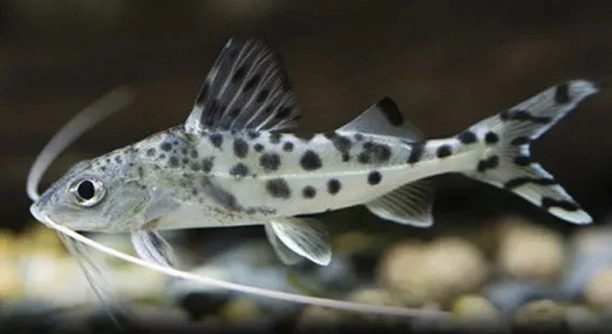
Discoloration in pictus catfish is a common concern among fishkeepers. These changes in their natural coloring can be caused by several factors, affecting the fish’s appearance and overall health. Knowing what causes these shifts can help maintain a vibrant tank.
The seven main causes of discoloration in pictus catfish include poor water quality, inadequate diet, stress, disease, aging, genetic factors, and environmental changes. Each factor impacts pigmentation differently, often signaling underlying health or habitat issues requiring attention.
Understanding these causes will help you manage your pictus catfish’s well-being effectively. Keeping their colors bright involves more than just regular feeding—it requires careful attention to their environment and care.
Poor Water Quality
Poor water quality is a leading cause of discoloration in pictus catfish. When the water contains high levels of toxins like ammonia, nitrites, or nitrates, it stresses the fish and can damage their skin and scales. Dirty water can also lead to infections or diseases that affect their coloration. Maintaining clean water with regular changes and proper filtration helps keep your catfish healthy and colorful. Testing water parameters regularly ensures the environment stays safe for them. If water conditions are neglected, the fish may lose their natural shine and develop pale or blotchy patches. Besides discoloration, poor water quality can cause lethargy and appetite loss, which signals that the fish are under stress and need immediate attention.
Consistent water testing and weekly water changes of 20-30% help prevent discoloration caused by poor water conditions. Clean water supports the fish’s natural color and overall health.
Keeping the tank clean and monitoring water parameters will help your pictus catfish retain their bright patterns. Avoid overcrowding and remove uneaten food promptly. Using a reliable water conditioner can neutralize harmful chemicals, reducing stress on your fish. This way, your catfish will stay vibrant and active for longer.
Inadequate Diet
A poor diet lacking essential nutrients can cause your pictus catfish to lose their color. Without proper vitamins and minerals, their pigmentation fades, and their immune system weakens. Feeding a balanced diet with high-quality pellets, frozen foods, and occasional live foods provides the nutrients they need. Variety in their diet supports better coloration and overall health. Overfeeding or relying solely on one food type can lead to nutritional deficiencies, resulting in dull or uneven color. Supplements rich in carotenoids and vitamins can also help enhance their natural hues. If you notice fading colors, reviewing and improving their diet should be one of the first steps to consider. Healthy eating directly affects their appearance and vitality.
Stress
Stress is a significant factor that causes discoloration in pictus catfish. Changes in their environment or aggressive tank mates can make them lose their vibrant colors.
Stress triggers a hormonal response that affects pigmentation and overall health. When stressed, pictus catfish may hide more often, eat less, and show dull or faded colors. Common stressors include sudden changes in water temperature, poor water quality, overcrowding, or incompatible tankmates. Minimizing these stress factors helps maintain their natural appearance. Providing plenty of hiding spots and a calm environment is essential for their well-being.
Reducing stress improves not only coloration but also immunity. Pictus catfish recover color faster in stable, peaceful tanks. Observing their behavior regularly can help detect stress early and prevent long-term effects.
Disease
Diseases such as fungal or bacterial infections can cause patches or fading in the skin of pictus catfish. Illness impacts both color and health significantly.
Infections often result from poor water conditions or injuries that allow pathogens to enter. Common signs include discoloration, lethargy, clamped fins, and loss of appetite. Treatment depends on the type of infection but usually involves isolating the fish and using appropriate medications. Preventive measures include maintaining clean water, avoiding overcrowding, and providing a nutritious diet. Early detection and treatment are crucial to restoring your catfish’s natural color and preventing further health problems.
Aging
Aging naturally causes changes in the color of pictus catfish. Older fish often lose some of their bright markings as their metabolism slows down.
This process is normal and doesn’t necessarily indicate poor health. However, it’s important to keep aging fish in good conditions to support their overall well-being.
Genetic Factors
Genetic makeup influences the natural coloration of pictus catfish. Some fish may have genes that cause lighter or darker shades. Breeding practices can also affect color variations seen in different individuals.
Environmental Changes
Sudden changes in the environment, such as lighting or tank decorations, can impact how pictus catfish display their colors. Adjusting their surroundings gradually helps maintain stable coloration.
FAQ
Why is my pictus catfish losing its color suddenly?
Sudden color loss usually signals stress, illness, or poor water quality. When the environment changes rapidly, or if the fish is sick, their natural pigmentation can fade quickly. Check water parameters immediately and look for signs of disease or injury.
Can poor diet cause permanent discoloration?
A poor diet typically causes temporary fading, but if prolonged, it may lead to lasting damage. Lack of essential nutrients weakens the immune system and pigment production. Improving their diet with varied, high-quality foods can often restore color.
How often should I test my aquarium water to prevent discoloration?
Testing water weekly is ideal. Frequent monitoring helps catch issues like ammonia spikes or pH changes early. Stable water conditions keep pictus catfish healthy and colorful.
Is discoloration always a sign of disease?
Not always. Discoloration can be due to natural aging, genetics, or stress, without any illness. However, if accompanied by other symptoms like lethargy or loss of appetite, disease is likely and should be treated promptly.
Can lighting affect the color of my pictus catfish?
Yes, lighting plays a role. Too bright or too dim lighting can stress the fish or make colors appear dull. Using lighting that mimics their natural habitat helps maintain vivid coloration.
Will changing tank decorations affect my fish’s color?
Sudden changes in tank layout or decorations can stress pictus catfish, causing temporary color fading. Introducing changes gradually lets the fish adjust without losing their bright patterns.
How can I reduce stress for my pictus catfish?
Provide plenty of hiding spots and avoid aggressive tankmates. Keep water stable and avoid sudden changes in temperature or lighting. A calm environment helps maintain their natural colors.
Are some pictus catfish naturally lighter or darker than others?
Yes, genetic differences cause variations in color intensity. Some individuals naturally have paler or deeper markings without any health problems.
Does water temperature influence coloration?
Extreme temperatures can stress fish and lead to dull colors. Maintaining a consistent temperature between 74-79°F supports healthy pigmentation.
Can medication affect my catfish’s color?
Certain medications might temporarily alter coloration. Always follow dosage instructions and use treatments only when necessary to avoid unnecessary stress or discoloration.
Final thoughts on discoloration in pictus catfish highlight the importance of understanding the many factors that affect their color. These fish rely on stable conditions to maintain their natural patterns and brightness. Changes in water quality, diet, stress levels, diseases, aging, genetics, and environment all play roles in how their coloration appears. Being aware of these causes allows for better care and a healthier tank. Taking small but consistent steps to address each issue can make a big difference in your fish’s overall appearance and well-being.
Keeping water clean and well-balanced is one of the most effective ways to prevent discoloration. Regular water testing and maintenance reduce toxins that harm your fish’s skin and scales. Feeding a varied and nutritious diet supports pigmentation and helps your catfish stay vibrant. Managing stress by providing a calm, stable environment with enough hiding places keeps your fish comfortable and less prone to fading colors. Also, watching for signs of disease early on can save your catfish from long-term health problems and loss of color.
It is important to remember that some changes in color may be natural, such as those caused by aging or genetics. These are not always signs of poor health but rather part of the fish’s life cycle. Patience and careful observation help determine when action is needed. Overall, maintaining consistent care practices and addressing any problems promptly will help your pictus catfish keep their beautiful appearance for years. By paying attention to their needs, you ensure a healthy and colorful environment for these lively and charming fish.

Hello,
If you enjoy the content that we create, please consider saying a "Thank You!" by leaving a tip.
Every little bit helps us continue crafting quality advice that supports the health, happiness, and well-being of pets around the world, for pets of all shapes, sizes, and species.
We really appreciate the kindness and support that you show us!