
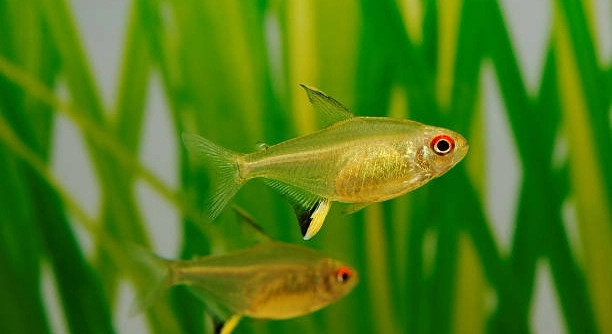
Lemon tetras are popular freshwater fish known for their bright colors and peaceful nature. Many aquarium owners enjoy their lively presence, but these small fish can be sensitive to environmental changes. Temperature stability plays an important role in their overall well-being.
Lemon tetras thrive best in water that remains consistently between 72 and 80 degrees Fahrenheit. Sudden fluctuations in room temperature can stress them, potentially weakening their immune system, reducing activity, and increasing susceptibility to disease, making careful monitoring essential.
Maintaining a stable aquarium environment ensures your lemon tetras stay healthy and vibrant while adjusting to your home’s unique conditions.
Understanding Lemon Tetra Temperature Needs
Lemon tetras are small, delicate fish that require stable water conditions to remain healthy. Their natural habitats have fairly consistent temperatures, and even small fluctuations can cause stress. When water becomes too cold, their metabolism slows, leading to reduced activity and feeding. Conversely, water that is too warm can increase their metabolism, making them more restless and vulnerable to disease. Monitoring your room’s temperature and adjusting heaters or coolers is essential, especially during seasonal changes. Using a reliable thermometer helps you ensure that the aquarium stays within the recommended 72 to 80 degrees Fahrenheit range. Proper acclimation when introducing them to a new tank also prevents shock from temperature differences. Even minor adjustments should be gradual, allowing the fish to adapt. Consistency in temperature supports their natural behavior, keeps their colors vibrant, and minimizes health issues. Observing their swimming patterns and appetite can also provide early signals of stress due to temperature shifts.
Maintaining stable water temperature helps lemon tetras feel secure and reduces the likelihood of disease, promoting long-term health.
Small measures, like placing the tank away from vents or direct sunlight, can prevent rapid temperature changes and create a more stable environment for your tetras.
Signs of Temperature Stress in Lemon Tetras
Temperature fluctuations can manifest in subtle ways. Fish may appear lethargic, lose appetite, or hide more often than usual. These behaviors indicate they are struggling to cope with changes. Quick detection allows for timely adjustments to the tank environment.
Prolonged exposure to unsuitable temperatures can lead to severe health issues. Cold water can slow their immune system, leaving them prone to infections, while overly warm water can cause oxygen depletion, leading to difficulty breathing. Additionally, stressed tetras may experience faded colors, making them less visually vibrant. Regular observation of behavior and physical appearance is crucial, as these fish cannot vocalize discomfort. Using reliable heaters, thermostats, and monitoring equipment ensures that the water temperature remains consistent. Even minor fluctuations should be addressed promptly. Providing proper filtration and aeration supports stable conditions and helps maintain oxygen levels. Gradual acclimation to new tanks or water changes reduces the risk of shock. By understanding these signs and responding quickly, you can help your lemon tetras thrive and maintain a healthy, active, and colorful aquarium presence.
Adjusting Room Temperature for Your Aquarium
Keeping the room temperature stable prevents sudden changes in the water. Avoid placing the tank near air vents, heaters, or windows that receive direct sunlight. Small adjustments in the room can significantly reduce stress on lemon tetras.
Using a reliable heater and thermometer is key for maintaining consistent water temperature. Set the heater to the recommended 72 to 80 degrees Fahrenheit range and monitor it daily. Sudden changes in room temperature, such as those from seasonal shifts or air conditioning, can quickly affect the aquarium. Insulating the tank or adding a heater cover can help minimize fluctuations. Gradual adjustments are better than abrupt changes to prevent shock.
Monitoring your tank during hot or cold weather is essential. Extra care during seasonal changes ensures that water temperature remains stable. Small habits, like avoiding placing the tank near open windows or frequently checking the heater, make a big difference. Lemon tetras respond well to consistent conditions and thrive when room and water temperatures are aligned.
Tools and Equipment for Temperature Control
A thermometer and heater are essential for precise temperature management in your aquarium. These tools help maintain a stable environment for lemon tetras, preventing stress and disease.
Reliable equipment ensures the water stays within the ideal 72 to 80 degrees Fahrenheit range. Digital thermometers provide accurate readings, while submersible heaters allow for precise control. Using a thermostat with the heater can prevent overheating. Supplemental insulation or a heater guard can also help maintain consistency. Frequent checks of the equipment, especially during power outages or extreme weather, protect your fish from sudden changes. Well-maintained tools give confidence that your lemon tetras are living in optimal conditions. Consistency in monitoring and equipment maintenance directly impacts their health, activity, and color vibrancy. Proper investment in these tools reduces the risk of illness and supports long-term stability in the aquarium.
Common Mistakes Affecting Temperature
Placing the aquarium near drafty windows or doors can cause sudden temperature swings. Even brief exposure to cold or hot air can stress lemon tetras and affect their health.
Overheating from room heaters or direct sunlight is another frequent issue. Consistently monitoring the environment helps prevent these problems and keeps the fish safe.
Gradual Temperature Changes
When adjusting the tank’s temperature, make changes slowly to avoid shocking the fish. Sudden shifts, even a few degrees, can impact metabolism, behavior, and immunity. Gradual increases or decreases over several hours allow the fish to acclimate safely.
Seasonal Temperature Variations
Room temperature naturally fluctuates with the seasons, which can affect your aquarium. Extra attention is needed during hot summers or cold winters to maintain a stable environment for lemon tetras.
FAQ
What is the ideal water temperature for lemon tetras?
Lemon tetras thrive in water temperatures between 72 and 80 degrees Fahrenheit. Maintaining this range supports their metabolism, activity, and overall health. Temperatures consistently below 72 can slow their metabolism, reduce feeding, and make them more prone to illness. Water above 80 degrees can stress them, reduce oxygen levels, and increase susceptibility to disease. Keeping a reliable thermometer in the tank allows for precise monitoring. Gradual adjustments are important if changes are needed to prevent shock and ensure their well-being.
Can lemon tetras tolerate minor room temperature fluctuations?
They can handle slight variations, but sudden or frequent swings are stressful. Even a few degrees up or down in a short period can affect their behavior. Signs of stress include hiding, decreased appetite, and faded colors. Maintaining a consistent environment with heaters, insulation, and careful placement of the aquarium minimizes these risks. Gradual acclimation during water changes also helps them adapt safely to any minor temperature differences.
How do I prevent temperature stress during seasonal changes?
Seasonal shifts can significantly impact room and tank temperature. In winter, avoid placing tanks near drafty windows or doors, and ensure heaters are functioning properly. In summer, keep tanks out of direct sunlight and away from air conditioning vents. Using a thermometer daily and adjusting heaters gradually helps maintain stability. Installing insulation around the tank or using a heater guard can provide additional protection against sudden changes. Consistent monitoring allows for timely intervention before the fish experience stress or health issues.
Do lemon tetras need a heater year-round?
In most homes, a heater is recommended year-round. Even mild drops in room temperature can affect water and stress the fish. A reliable submersible heater with a thermostat ensures the water stays within the ideal 72–80 degrees Fahrenheit range. During warmer months, you may only need minor adjustments, but having the heater ready helps maintain consistency. Regular maintenance of the heater and thermometer ensures accurate readings and prevents equipment failure from impacting the fish.
What equipment helps maintain stable temperature?
A good-quality submersible heater, digital thermometer, and thermostat are essential. The heater keeps the water within the target range, the thermometer provides accurate readings, and a thermostat prevents overheating. Optional insulation or a heater guard can further reduce temperature fluctuations. Regular checks of all equipment, especially after power outages or extreme weather, protect the tetras from sudden changes. Consistent monitoring supports health, behavior, and vibrant coloration. Proper tools make temperature management simple and reliable.
What are the signs of temperature stress in lemon tetras?
Temperature stress manifests as lethargy, decreased appetite, hiding, and faded colors. Overly warm water may cause rapid swimming, gasping at the surface, or restlessness. Cold water slows movement and feeding, sometimes causing the fish to stay near the bottom. Observing behavior and appearance regularly allows for early detection and timely corrective action. Stress can weaken their immune system, so rapid response to changes is important to maintain a healthy aquarium environment.
Can sudden temperature changes be harmful?
Yes, sudden shifts can shock lemon tetras, affecting metabolism and immunity. Even a few degrees change in a short period can trigger stress responses. Avoid placing the tank near heating or cooling vents and make gradual adjustments during water changes. Monitoring the aquarium during power outages or extreme weather ensures minimal impact. Gradual acclimation is essential when introducing new fish or adjusting the environment to prevent health problems and maintain stable behavior.
How can I acclimate lemon tetras to a new tank safely?
Float the sealed bag in the aquarium for 15–20 minutes to match the water temperature. Gradually mix small amounts of tank water into the bag every 5–10 minutes. After 30–45 minutes, release the fish slowly into the tank. This method reduces stress from temperature differences and helps the fish adjust comfortably. Ensuring stable water conditions during this process supports their health and encourages normal feeding and swimming behaviors immediately after introduction.
Does room temperature affect oxygen levels in the tank?
Yes, warmer water holds less oxygen, which can stress lemon tetras. Cold water has more oxygen but can slow metabolism. Maintaining moderate, consistent temperatures supports a balanced oxygen level and overall tank health. Proper aeration and filtration also help stabilize oxygen content and prevent issues during seasonal temperature changes. Monitoring both water temperature and oxygen levels ensures the fish remain active and healthy.
How often should I check the aquarium temperature?
Daily monitoring is ideal. Regular checks allow early detection of fluctuations caused by room temperature changes, heater issues, or seasonal shifts. Observing trends over time helps prevent sudden stress on the fish. Combining thermometer readings with visual observation of the fish ensures both water and fish health are maintained. Consistent checks and prompt adjustments create a stable environment, supporting lemon tetras’ activity, feeding, and vibrant coloration.
Final Thoughts
Maintaining a stable environment is essential for keeping lemon tetras healthy and vibrant. These small fish are sensitive to sudden changes in water temperature, and even minor fluctuations can affect their behavior and overall health. Consistency in room and tank temperature helps support their natural metabolism and immune system. Observing their swimming patterns, appetite, and coloration provides useful indicators of their comfort level. By paying attention to these signs, you can take prompt action if the fish appear stressed. Gradual changes in temperature, rather than sudden shifts, allow the tetras to adjust without shock. Even simple steps, such as placing the aquarium away from windows, air vents, or heaters, can significantly reduce stress caused by environmental changes. Small daily habits, like checking the thermometer and ensuring the heater is functioning properly, contribute greatly to the well-being of your fish. Over time, consistent monitoring creates a stable environment where lemon tetras can thrive and display their natural, vibrant colors.
Equipping your tank with proper tools makes temperature management easier and more reliable. A submersible heater with a thermostat ensures the water stays within the recommended 72–80 degrees Fahrenheit range. Using a digital thermometer allows you to monitor the water precisely and respond to even minor changes. Adding insulation or a heater guard can provide extra protection from sudden room temperature shifts. Maintaining this equipment is equally important; regular checks prevent malfunction and reduce the risk of stressing the fish. During seasonal changes, extra attention is necessary, as room temperature can fluctuate more dramatically. By combining reliable equipment with careful observation, you can create a controlled environment that keeps lemon tetras active, healthy, and colorful. These simple steps reduce the chances of illness, behavioral issues, and stress, making the aquarium more enjoyable for both the fish and the owner.
Consistency and observation are key to long-term success with lemon tetras. Gradual acclimation when introducing new fish, regular temperature checks, and maintaining proper equipment all contribute to a stable and healthy environment. Stress from temperature changes can lead to illness, decreased appetite, or lethargy, so early detection and timely action are important. Providing stable conditions supports natural behavior, encourages proper feeding, and allows the tetras to display their full colors. Over time, maintaining a balanced environment becomes part of routine care, making it easier to prevent problems before they occur. Lemon tetras respond well to thoughtful attention, and a stable temperature range ensures they remain lively and healthy. By focusing on these essential practices, you can enjoy a thriving aquarium that highlights the natural beauty and activity of your lemon tetras.

Hello,
If you enjoy the content that we create, please consider saying a "Thank You!" by leaving a tip.
Every little bit helps us continue crafting quality advice that supports the health, happiness, and well-being of pets around the world, for pets of all shapes, sizes, and species.
We really appreciate the kindness and support that you show us!