
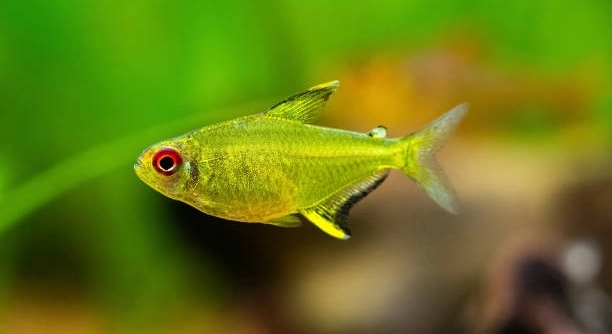
Are your aquarium tanks filled with lively Lemon Tetra, but you notice some seem bolder than others? Observing these small fish can reveal patterns in behavior that signal which individuals are taking control of their environment.
Lemon Tetra dominate their tank through consistent behaviors such as leading swimming routes, securing the best feeding areas, exhibiting territorial displays, displaying bright coloration, outcompeting peers for space, initiating social interactions, and maintaining preferred spots within the aquarium.
Recognizing these behaviors allows aquarists to maintain balanced tank dynamics and ensure the well-being of all fish within the community environment.
Leading Swimming Routes
Lemon Tetra that dominate often take charge of the tank by choosing the main swimming paths. They move confidently around the aquarium, guiding other fish along their routes. Observing which fish consistently lead can show dominance patterns. Dominant Tetra are not aggressive without reason; they establish routine routes for feeding and exploration. By maintaining these paths, they set the rhythm for the tank’s social dynamics. Less assertive Tetra tend to follow or avoid conflict. Leading swimming routes also help dominant fish access food faster and secure safer areas. Over time, this behavior becomes predictable and reinforces hierarchy. Aquarists noticing this can adjust feeding or decorations to ensure all fish remain comfortable. Tank layout, hiding spots, and plant placement can influence which Tetra assert control. These paths are also indicators of overall health; active, confident fish usually occupy the leading positions. Watching the patterns closely allows better management of tank balance and fish interaction.
Observing the leading fish can prevent stress among the others and help maintain a peaceful aquarium environment.
Dominant Lemon Tetra often select central swimming areas or regions with open visibility. By doing this, they monitor the movements of other fish and maintain control over feeding locations. These routes also help them assert presence without direct conflict. Submissive Tetra will avoid these routes, staying near plants or corners. Over time, this behavior ensures that the dominant fish receives more attention during feeding and exploration. Adjusting tank structures can subtly influence which Tetra lead, ensuring that weaker fish are not constantly stressed or deprived. Leading swimming patterns are a reliable indicator of dominance and overall confidence within the group.
Securing the Best Feeding Areas
Dominant Lemon Tetra consistently reach the food first and occupy areas where food is plentiful. They assert control over these spots without constant aggression.
These Tetra position themselves near feeding zones, ensuring they get the best portions while keeping less dominant fish at the edges. They monitor newcomers and often chase them away from prime locations. Feeding dominance is subtle, relying on speed, awareness, and positioning rather than outright fighting. Observing which fish consistently reach food first can indicate the strongest individuals. Tank setup affects this behavior; open spaces make it easier for dominant fish to claim areas, while cluttered sections provide refuge for shy fish. Over time, a hierarchy becomes visible during feeding sessions, with top Tetra moving confidently and others adjusting their approach. Proper feeding management, like spreading food evenly or using multiple feeding points, helps maintain fairness and reduces stress. Dominance during feeding also reflects social status and confidence, which impacts interactions throughout the tank. Fish that control feeding spots often influence swimming routes, resting locations, and social engagements.
Watching feeding behavior offers insights into maintaining balance and fairness among all Lemon Tetra in the tank.
Displaying Bright Coloration
Lemon Tetra that dominate often show brighter, more vivid colors than others. This visual signal communicates health, confidence, and social status within the tank.
Bright coloration in Lemon Tetra serves as a sign of strength and dominance. Fish with vibrant yellows and clear markings are typically more active, assertive, and confident in social interactions. This color display is not just decorative; it reflects good nutrition, low stress, and strong immunity. Dominant Tetra use these signals to assert control, often reducing the need for constant physical confrontation. Submissive fish tend to display duller colors, avoiding attention and potential conflict. Maintaining water quality, proper lighting, and a balanced diet enhances coloration naturally. Observing the intensity of colors can help aquarists identify leaders, monitor health, and ensure that weaker fish are not stressed. Color brightness also influences social interactions, as other fish respond to these visual cues when establishing swimming routes and feeding order.
Color display can also change based on mood, breeding readiness, and interactions with other fish. Dominant Lemon Tetra may intensify their colors during feeding, territorial defense, or when new fish enter the tank. Submissive fish may retreat and dull their appearance to avoid confrontation. These color shifts are natural signals in aquarium hierarchy, helping fish navigate social structures without unnecessary fighting. Brightly colored individuals usually maintain preferred spots, lead swimming routes, and gain first access to food. Maintaining consistent water conditions and a nutritious diet ensures dominant fish keep their visual edge while supporting overall tank health.
Maintaining Preferred Spots
Dominant Lemon Tetra often claim specific areas of the tank as their own and defend them subtly. These spots provide safety, visibility, and comfort.
Maintaining preferred spots is a key indicator of dominance. Dominant Tetra occupy areas that offer open swimming space, hiding opportunities, or proximity to food. They may patrol these locations regularly to monitor other fish. Submissive Tetra generally avoid these areas, staying near plants, corners, or lower tank levels to reduce conflict. Preferred spots are not strictly defended through aggression; dominance is reinforced through presence, movement, and body language. Aquarists can observe these patterns to understand social hierarchies and ensure weaker fish have access to alternative spaces. Changing tank layout or adding plants may influence which Tetra claim prime locations, balancing stress and interaction among the group. Proper observation ensures all fish thrive without constant dominance disputes.
Consistency in spot selection shows a Tetra’s confidence and social stability. Dominant fish will often return to the same area after feeding or exploration, signaling ownership. These spots also serve as vantage points for observing the entire tank, controlling access to feeding zones, and monitoring other fish. Submissive Tetra use peripheral areas to reduce stress, creating a natural hierarchy that supports social order. Maintaining clear areas and hiding places allows the tank to function smoothly, minimizing conflict and promoting health. Recognizing which Tetra hold these spots helps aquarists manage group dynamics effectively while ensuring every fish feels secure and has access to resources.
Outcompeting Peers
Dominant Lemon Tetra consistently get the best access to food and territory by outcompeting other fish. Their speed, awareness, and assertiveness give them an edge over less confident tank mates.
This behavior is subtle rather than aggressive. Dominant Tetra position themselves strategically, moving quickly when food is introduced or when space becomes limited. They often claim the most favorable spots while others yield without confrontation. Submissive fish adjust by avoiding these areas, keeping a low profile to reduce stress. Observing these interactions helps understand the social structure and ensures weaker fish are not consistently deprived of resources. Outcompeting peers is a reliable indicator of a Tetra’s confidence and dominance within the aquarium environment.
Initiating Social Interactions
Dominant Lemon Tetra frequently start interactions with other fish, whether by swimming ahead, nudging, or coordinating movements. Initiating social contact reinforces hierarchy.
Exhibiting Territorial Displays
Territorial displays are common among dominant Lemon Tetra. These fish may flare fins, chase intruders, or hover in key spots to signal ownership and maintain control.
How can I tell if a Lemon Tetra is dominating my tank?
A Lemon Tetra shows dominance through consistent behaviors like leading swimming routes, claiming preferred spots, and reaching food first. Bright coloration, frequent social initiation, and subtle territorial displays are also clear signs. Observing these patterns over time will reveal which fish are setting the tank’s social structure.
Why do dominant Lemon Tetra get brighter colors?
Dominance is often reflected in coloration. Brighter Lemon Tetra typically have better nutrition, lower stress, and stronger immunity. This visual display communicates confidence to other fish, reducing the need for constant physical confrontation. Submissive fish tend to display duller colors to avoid attention and conflict.
Do dominant fish harm weaker ones?
Usually, dominance is established through presence and subtle behaviors rather than outright aggression. Less confident fish adapt by avoiding prime areas or staying near plants. Some chasing may occur, but it is generally limited and helps maintain social order without serious harm.
Can tank setup influence dominance?
Yes. Open areas, plant placement, and hiding spots affect how dominance is expressed. Dominant fish prefer open swimming spaces for visibility and quick access to food. Providing multiple feeding points and alternative shelters allows weaker fish to thrive while reducing stress and conflict.
How does feeding behavior indicate dominance?
Dominant Lemon Tetra usually reach food first and control feeding zones. They position themselves strategically, quickly moving to secure the best portions. Less assertive fish adjust by eating from the edges or later in the feeding session. Watching who consistently eats first is a clear marker of hierarchy.
What role do swimming routes play?
Leading swimming routes indicate confidence and social rank. Dominant Tetra establish and maintain routine paths that others follow or avoid. These routes help secure food, maintain preferred spots, and reduce confrontation. Monitoring these patterns provides insight into the tank’s social structure.
Are territorial displays dangerous?
Territorial displays are mostly harmless signaling behaviors. Dominant Tetra may flare fins, hover in key areas, or nudge others to assert presence. These actions maintain order and reduce the likelihood of serious fights by communicating boundaries clearly.
Can dominance change over time?
Yes. Health, age, tank conditions, and new introductions can shift hierarchy. A previously dominant fish may lose its position if it becomes weaker or stressed. Similarly, a previously submissive fish may rise in rank if conditions favor its confidence and assertiveness.
How can I manage dominant Lemon Tetra?
Providing a balanced environment helps. Multiple feeding points, ample hiding spaces, and strategic plant placement prevent weaker fish from being constantly stressed. Observing behaviors and adjusting tank layout ensures all fish maintain access to food, resting areas, and safe swimming paths.
Do dominant Lemon Tetra impact breeding?
Dominant fish often control access to ideal breeding locations. They may initiate courtship displays and maintain proximity to plants or shaded areas. Submissive fish adapt by avoiding these zones, which can affect their breeding opportunities but helps reduce overall tank conflict.
Can water quality affect dominance?
Absolutely. Stress from poor water conditions can reduce a fish’s confidence, dull coloration, and disrupt hierarchy. Maintaining stable water parameters, clean substrate, and proper filtration supports natural social behavior and allows dominant Tetra to display their usual patterns.
Are there signs a dominant fish is unhealthy?
Even dominant Tetra can experience stress or illness. Signs include faded coloration, sluggish movement, lack of social initiation, or avoidance of previously claimed spots. Regular observation ensures early detection, allowing interventions to maintain health and hierarchy balance.
Does tank size influence dominance?
Larger tanks provide more space for multiple fish to establish territories without constant conflict. Smaller tanks can heighten competition, making dominance more pronounced. Adjusting tank size, layout, and hiding spots helps balance social dynamics and reduces stress for all Lemon Tetra.
How do I encourage weaker fish to thrive?
Providing multiple feeding points, shaded areas, and ample plants allows less confident Tetra to eat and rest safely. Reducing stress ensures all fish remain healthy while maintaining the natural social hierarchy without constant confrontations.
Can dominance affect swimming behavior?
Yes. Dominant fish lead swimming routes, explore freely, and occupy central locations, while submissive fish adapt by following, staying at edges, or hiding. Observing these behaviors gives insight into social structure and overall tank balance.
Are dominant Lemon Tetra aggressive toward new fish?
New fish may trigger brief displays of dominance, such as nudging or chasing. Typically, these behaviors subside as hierarchy stabilizes. Providing sufficient hiding spots and multiple feeding areas reduces stress and allows newcomers to integrate more smoothly.
Does diet influence dominance?
Proper nutrition supports bright coloration, energy, and overall confidence. Dominant Tetra require a balanced diet with high-quality flakes, live or frozen foods, and occasional treats to maintain health and social standing. Malnutrition can reduce assertiveness and disrupt tank hierarchy.
Can lighting affect dominance?
Yes. Bright, consistent lighting highlights coloration, making dominant fish more visible. Dull or inconsistent lighting may mask visual cues, reduce color intensity, and affect social interactions. Proper lighting helps reinforce natural behaviors and hierarchy.
Is it normal for dominant fish to occasionally lose their spots?
Yes. Temporary shifts occur due to stress, illness, or environmental changes. Dominant Tetra may leave preferred areas briefly but usually return once conditions stabilize. Observing these changes helps ensure all fish remain healthy and social balance is maintained.
How long does it take to recognize dominant behavior?
Typically, patterns become noticeable within a few weeks. Consistent observation of swimming routes, feeding order, coloration, and territorial behavior reveals which fish are consistently leading and asserting control within the tank.
Do dominant Lemon Tetra influence other species in a community tank?
Yes. Their confident behavior can affect smaller or less assertive fish, guiding swimming patterns and feeding access. Ensuring enough space, hiding spots, and feeding points allows all species to coexist without constant stress.
Can I safely have multiple dominant Lemon Tetra in the same tank?
Yes, if the tank is large enough with adequate resources. Multiple dominant fish may share space if they have distinct routes, feeding points, and resting areas. Observing interactions ensures conflicts are minimal and social hierarchy remains stable.
Does age affect dominance?
Older, more experienced Tetra often assert leadership due to confidence and established routines. Younger fish may be more submissive until they mature or conditions allow them to challenge for higher rank. Age interacts with health, size, and experience to shape social dynamics.
Can tank decorations influence dominance?
Decorations create hiding spots, barriers, and landmarks that affect movement and territorial behavior. Dominant fish often claim open areas, while submissive fish use structures for refuge. Thoughtful placement can reduce conflict and support balanced social interactions.
Is dominance linked to overall health?
Yes. Confident, brightly colored, and active Lemon Tetra usually reflect good health. Illness, stress, or poor nutrition reduces dominance behaviors, affects coloration, and can shift hierarchy within the tank. Maintaining optimal conditions supports natural social structures.
How often should I monitor dominant behaviors?
Regular observation is key. Daily or weekly checks of swimming routes, feeding order, coloration, and territorial displays help detect changes, prevent stress, and ensure all fish have access to resources. Monitoring supports long-term health and social stability.
Can dominant behavior be reduced or moderated?
Adjusting tank layout, providing multiple feeding points, and adding plants or decorations can help balance interactions. While dominance is natural, environmental adjustments reduce stress for submissive fish and promote a healthier, more harmonious tank environment.
Does dominance affect breeding behavior?
Dominant fish often secure prime breeding locations, initiate courtship displays, and maintain proximity to mates. Submissive fish may be limited in breeding opportunities but adapt by using peripheral or shaded areas, reducing conflict while allowing natural reproduction.
How do I prevent stress from dominant Lemon Tetra?
Ensuring sufficient hiding spots, multiple feeding areas, stable water conditions, and regular observation helps weaker fish avoid constant pressure. Managing dominance through environment rather than intervention supports a healthy, balanced aquarium ecosystem.
Can dominance lead to aggression?
Aggression is usually minimal and controlled. Dominant fish rely on presence, coloration, and subtle displays to maintain rank. Occasional chasing may occur, but severe aggression is rare if the tank is properly sized and enriched with hiding spots and feeding points.
What are the long-term effects of dominance in the tank?
Stable dominance supports social order, reduces conflict, and ensures resource access for dominant and submissive fish. Regular monitoring and environmental management help maintain hierarchy, prevent stress, and encourage overall health and longevity among Lemon Tetra.
Observing Lemon Tetra in a home aquarium can be a fascinating experience, especially when noting which individuals consistently take the lead. Dominant fish display behaviors that influence the tank’s social structure, such as selecting preferred swimming routes, securing the best feeding areas, and maintaining favored spots. These actions are not aggressive by nature but instead reflect natural hierarchy within a small aquatic community. Understanding these patterns allows aquarists to better support all fish, ensuring that the tank remains balanced and that weaker individuals are not constantly stressed or deprived of resources. The consistent behaviors of dominant Tetra, from bright coloration to initiating social interactions, provide clear visual cues for anyone paying close attention. Over time, observing these behaviors can help identify which fish are leaders, which are submissive, and how each fish interacts with its surroundings and peers.
Maintaining the health and well-being of Lemon Tetra is closely linked to the environment provided within the aquarium. Proper tank size, careful placement of plants and decorations, and multiple feeding points help accommodate both dominant and submissive fish. Dominant Tetra often claim open swimming areas, allowing them to monitor the tank and reach food efficiently, while less assertive fish find refuge in planted corners or near tank decorations. Water quality and nutrition play a major role in supporting dominance behaviors, as healthy fish display stronger colors and more confidence in movement and interactions. By keeping these conditions consistent, aquarists can prevent stress and promote stable social dynamics. Recognizing the signs of dominance, such as leading routes, territorial displays, and controlled feeding behavior, helps in making small adjustments that benefit all tank inhabitants and foster a peaceful, thriving aquatic environment.
Observing dominance in Lemon Tetra also provides insight into broader aspects of aquarium management. The hierarchy established by dominant fish affects swimming patterns, feeding efficiency, and even breeding opportunities. Subtle shifts in dominance can occur over time due to changes in health, age, or environmental conditions, and aquarists who monitor these behaviors can adapt the tank setup accordingly. Providing enough space, hiding spots, and feeding options ensures that all fish have access to essential resources without constant competition. Understanding and supporting these natural behaviors encourages a harmonious balance, where dominant fish can express their instincts while less assertive individuals maintain safety and comfort. Overall, recognizing the indicators of dominance in Lemon Tetra is not only about identifying which fish are in control but also about maintaining a healthy, stable, and well-structured tank that promotes long-term well-being for every member of the aquatic community.

Hello,
If you enjoy the content that we create, please consider saying a "Thank You!" by leaving a tip.
Every little bit helps us continue crafting quality advice that supports the health, happiness, and well-being of pets around the world, for pets of all shapes, sizes, and species.
We really appreciate the kindness and support that you show us!