
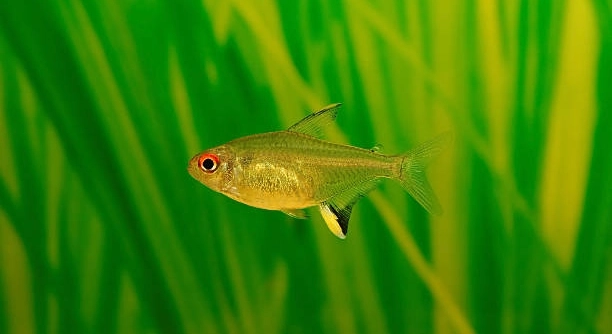
Are your aquarium communities calm and harmonious, or do conflicts arise among your fish? Lemon tetras are often admired for their vibrant color and active swimming, making them a popular choice for home aquariums. Their small size and schooling behavior appeal to many enthusiasts.
Lemon tetras are generally peaceful by nature. They exhibit minimal aggression toward other species and thrive in community tanks when kept in proper group sizes. Stress or overcrowding can trigger occasional skirmishes, but these are typically minor and brief.
Understanding their temperament and ideal conditions will help maintain a balanced aquarium environment. Observing their interactions ensures long-term health and a pleasant visual display for your tank.
Understanding Lemon Tetra Behavior
Lemon tetras are small, active fish that prefer to swim in schools of at least six. Their peaceful nature makes them compatible with other small, non-aggressive species. In a properly sized tank, they spend most of their time exploring mid-level waters and interacting within their group. Aggression is rare but can appear if the tank is overcrowded or if their environment lacks hiding spots. They respond well to planted tanks with gentle water flow, which reduces stress and promotes natural behavior. Proper lighting and temperature levels help maintain their vibrant yellow coloration, which can fade when fish are stressed or unhealthy. Regular observation of their swimming patterns can help identify potential issues early, such as signs of disease or bullying from tank mates. Providing a balanced diet with high-quality flake food, small live, or frozen foods supports their health and energy levels. Their schooling instinct keeps them safe and confident, reinforcing their peaceful demeanor.
Monitoring water conditions and tank setup ensures their comfort and reduces minor conflicts, keeping your community tank harmonious and stable.
Lemon tetras are sensitive to abrupt changes in their environment. Sudden shifts in temperature, pH, or water hardness can stress them and provoke unusual behavior. Maintaining a consistent environment is essential for their long-term health. They are naturally active, and a spacious tank with plants, rocks, or driftwood allows them to exhibit typical swimming and hiding behavior. Observing their interactions can reveal subtle changes in their social dynamics, such as one fish isolating itself or chasing another briefly. While minor nipping can occur, it is usually situational and not indicative of a fundamental aggression problem. Keeping them in appropriately sized groups reduces stress and helps maintain the calm nature for which they are known. Proper feeding routines, along with attentive care, ensure that lemon tetras remain peaceful, healthy, and visually appealing. Their social behavior and gentle temperament make them a rewarding addition to a community aquarium, offering both visual enjoyment and a sense of balance.
Tank Conditions for Peaceful Coexistence
Lemon tetras thrive in well-maintained, planted tanks with stable water parameters and gentle filtration.
A tank between 20 and 30 gallons is ideal, providing enough space for schooling and exploration. Water temperature should remain between 72 and 78°F, with a slightly acidic to neutral pH around 6.5 to 7.5. Plants and decorations create hiding spots, which reduce stress and support their natural behavior. Regular partial water changes prevent the buildup of nitrates and other toxins, maintaining a healthy environment for all tank inhabitants. Avoid overcrowding, as this can lead to tension and minor aggressive encounters. Choosing peaceful tank mates, such as small rasboras, corydoras, or other small tetras, promotes harmony. Observation of daily activity is important, noting if any fish are being consistently chased or excluded. Feeding should be done in small amounts, twice a day, to prevent competition and ensure all fish get sufficient nutrition. A stable, clean, and thoughtfully arranged tank encourages natural behavior and enhances the overall calmness of your aquarium.
Common Signs of Stress in Lemon Tetras
Lemon tetras may show stress through faded coloration, erratic swimming, or hiding excessively. Loss of appetite and clamped fins are also common indicators. Observing these signs early helps prevent health issues and keeps the community tank peaceful.
Stress can arise from poor water quality, overcrowding, or incompatible tank mates. Sudden changes in temperature or pH can also trigger stress responses. Providing plants, hiding spots, and a stable environment reduces anxiety. Maintaining a consistent feeding schedule ensures they receive proper nutrition. Watching their interactions within the school can highlight potential issues. Addressing stress quickly minimizes the risk of illness and preserves their peaceful nature, creating a more balanced tank environment for all inhabitants.
Behavioral changes like chasing, nipping, or isolation are often linked to environmental stress rather than aggression. Ensuring proper schooling numbers and a spacious layout allows lemon tetras to feel secure. Observing their behavior daily makes it easier to spot subtle changes before they escalate. Adjusting tank conditions, such as improving water quality or rearranging plants, can restore harmony. Keeping stress minimal encourages natural schooling patterns, promotes bright coloration, and supports overall health. Peaceful coexistence is reinforced when the fish feel safe, comfortable, and adequately cared for, allowing them to thrive within a community tank.
Feeding Habits and Diet
Lemon tetras thrive on small, varied meals including flakes, frozen, and live foods. Regular feeding supports growth, energy, and vibrant color.
A balanced diet is essential for their health. High-quality flake food provides necessary vitamins and minerals, while live or frozen options, such as daphnia or brine shrimp, offer protein and stimulate natural hunting behavior. Feeding should be done twice daily in small portions to avoid overfeeding and water contamination. Uneaten food should be removed promptly to prevent bacterial growth. Variety in their diet keeps the fish engaged and supports their immune system. Providing proper nutrition directly influences their activity levels, coloration, and overall peaceful temperament.
In addition to variety, portion control is important. Overfeeding can lead to obesity, poor water quality, and aggression. Observing their eating behavior ensures all fish are consuming enough. Rotating food types keeps them healthy and reduces boredom. Supplementing with occasional plant-based options, like blanched spinach or zucchini, can provide fiber and additional nutrients. Feeding routines help establish a sense of security and minimize stress, which supports their naturally calm behavior. Attention to diet directly enhances their overall wellbeing, schooling behavior, and visual appeal in the tank.
Ideal Tank Mates
Lemon tetras coexist well with other small, peaceful fish like rasboras, guppies, and corydoras. Avoid aggressive or much larger species that may intimidate or harm them. Proper compatibility supports a calm and stable aquarium environment.
Schooling species of similar size help lemon tetras feel secure. Keeping at least six together reduces stress and encourages natural swimming patterns. Peaceful interactions prevent unnecessary aggression and promote visual harmony in the tank.
Breeding Behavior
Breeding lemon tetras requires a separate, well-planted tank with slightly acidic water and consistent temperature. They scatter eggs among plants, which should be protected from adult fish. Eggs hatch within a few days, and fry require infusoria or finely crushed food to survive and grow.
Common Health Issues
Fin rot, ich, and swim bladder problems are the most common issues. Maintaining clean water, proper diet, and stable conditions prevents these illnesses. Early detection and treatment ensure long-term health and preserve their peaceful nature.
FAQ
Are lemon tetras aggressive toward other fish?
Lemon tetras are naturally peaceful and rarely show aggression. Minor chasing can happen in overcrowded tanks or if hiding spaces are limited, but this is usually brief and not harmful. Choosing compatible tank mates and maintaining proper school sizes keeps interactions calm and stable.
How many lemon tetras should I keep together?
A minimum of six is recommended, though larger schools are better for comfort and natural behavior. Small groups can become shy or stressed, while proper numbers allow them to swim confidently, display schooling behavior, and maintain their peaceful temperament.
What water conditions are ideal for lemon tetras?
They prefer slightly acidic to neutral water, with pH between 6.5 and 7.5 and a temperature of 72–78°F. Stable conditions prevent stress, fading colors, and health issues. Gentle filtration and regular partial water changes help maintain a safe, clean environment.
What should I feed lemon tetras?
A varied diet works best. High-quality flake food provides essential nutrients, while live or frozen options like brine shrimp or daphnia offer protein and stimulate natural feeding instincts. Small, frequent meals prevent overfeeding and maintain water quality.
Can lemon tetras live with other small fish?
Yes, they thrive with peaceful species of similar size, such as rasboras, guppies, or corydoras. Avoid large or aggressive fish that could intimidate them or compete for food. Properly chosen tank mates support a calm, visually balanced community.
How do I know if my lemon tetra is stressed?
Faded colors, clamped fins, hiding excessively, or erratic swimming are common signs. Stress may result from overcrowding, poor water quality, or sudden environmental changes. Observing behavior early allows adjustments to restore comfort and reduce health risks.
Do lemon tetras require plants in the tank?
Yes, live or artificial plants provide hiding spots and reduce stress. Plants also help maintain water quality and mimic natural habitats. A well-decorated tank supports natural swimming patterns and encourages peaceful interactions within the school.
How long do lemon tetras live?
With proper care, lemon tetras can live 3–5 years. Stable water conditions, a balanced diet, and a safe environment increase longevity. Regular observation helps identify problems early, ensuring a healthy and lasting aquarium community.
Is breeding lemon tetras difficult?
Breeding requires a separate, planted tank with slightly acidic water and stable temperatures. They scatter eggs among plants, which adults may eat. Fry need fine food like infusoria initially. Success depends on careful tank preparation and consistent care.
What common health issues should I watch for?
Fin rot, ich, and swim bladder problems are the most frequent. Maintaining clean water, a balanced diet, and stable conditions helps prevent these illnesses. Early treatment ensures long-term health and preserves their peaceful temperament.
Can lemon tetras adapt to different tank sizes?
They prefer medium tanks of at least 20 gallons to allow proper schooling and movement. Smaller tanks can cause stress, overcrowding, and aggression. Providing adequate space ensures comfort, natural behavior, and a harmonious community environment.
How do I introduce lemon tetras to a new tank?
Acclimate them slowly to avoid shock. Float the bag in the tank to equalize temperature, then gradually mix tank water with the bag water over 20–30 minutes. Proper introduction reduces stress and helps maintain their peaceful behavior.
Are lemon tetras suitable for beginners?
Yes, they are hardy and generally low-maintenance, making them suitable for those new to aquariums. Consistent water care, proper feeding, and compatible tank mates are the main requirements for success. Their peaceful nature adds ease to community setups.
How do I maintain their color?
Vibrant yellow coloration comes from a healthy diet, stable water conditions, and low stress. High-quality flakes and live or frozen foods, along with a planted, well-lit tank, enhance brightness and overall appearance. Stress or poor care can cause fading.
Can lemon tetras live with bottom-dwelling fish?
Yes, species like corydoras or small loaches are excellent companions. They occupy different tank levels, reducing competition. This supports peaceful interactions and allows lemon tetras to swim freely in mid-level waters without stress.
What is the best lighting for lemon tetras?
Moderate lighting works best. Too bright lighting can cause stress, while dim lighting may dull their coloration. A balance that supports plant growth and highlights their natural color is ideal for a healthy, visually appealing tank.
How often should I clean the tank?
Partial water changes of 20–25% weekly are recommended. This maintains water quality, removes waste, and prevents buildup of harmful chemicals. Over-cleaning is unnecessary, but regular maintenance keeps the fish healthy and calm.
Do lemon tetras need companions of the same species?
Yes, keeping them in groups ensures natural schooling behavior, safety, and confidence. Single fish or very small groups often become shy, stressed, and less active. Proper schooling numbers reinforce their peaceful temperament.
Can lemon tetras live in a community tank with shrimp?
Generally yes, but monitor interactions. Small, peaceful shrimp usually coexist well. Larger shrimp or aggressive species might stress the tetras. Observation and careful selection of tank mates maintain harmony and a stable aquarium environment.
What should I do if a lemon tetra falls ill?
Quarantine the affected fish if possible, maintain water quality, and provide appropriate treatment based on symptoms. Early intervention prevents disease spread and helps preserve the peaceful nature of the tank. Regular monitoring and preventive care are key.
This FAQ provides practical guidance for keeping lemon tetras peaceful, healthy, and vibrant. Addressing tank conditions, diet, companions, and stress ensures long-term success and a balanced community aquarium.
Lemon tetras are widely recognized for their calm and peaceful nature. Their small size, schooling behavior, and bright coloration make them an appealing choice for a community aquarium. When kept in the right environment with proper care, they rarely show aggressive behavior and tend to coexist well with other small, non-aggressive fish. Maintaining a proper group size is important, as these fish feel most secure when swimming in schools of six or more. A well-planted tank with gentle water flow encourages natural behavior, providing places to hide and explore. Stable water parameters, including temperature, pH, and cleanliness, play a significant role in keeping them healthy and maintaining their calm demeanor. Observing their interactions daily helps identify minor stress or environmental issues before they escalate, ensuring the school remains peaceful.
Proper feeding and nutrition are essential to support their health, coloration, and activity levels. A varied diet of high-quality flake food, along with live or frozen options such as brine shrimp or daphnia, ensures they receive adequate protein and essential vitamins. Feeding small portions twice a day helps prevent overfeeding, which can lead to water quality problems or stress among the fish. Healthy lemon tetras display bright colors, active swimming patterns, and minimal aggression, reflecting a stable and balanced tank environment. Avoiding sudden changes in water conditions, overcrowding, or introducing aggressive tank mates also helps maintain harmony. Attention to these details allows the tetras to thrive while contributing to the overall calm and visual appeal of the aquarium.
Understanding their behavior and needs allows for a long-term, rewarding aquarium experience. Lemon tetras are sensitive to their environment, but with consistent care, they remain active, peaceful, and visually striking. Providing appropriate tank mates, a suitable tank size, and regular maintenance ensures that minor issues do not disrupt their natural behavior. Monitoring stress indicators, such as faded coloration or hiding, helps address potential problems quickly, supporting their long-term health. A balanced diet, stable water conditions, and a secure school create an environment where lemon tetras feel comfortable and display their natural temperament. Overall, their peaceful nature, combined with proper care and observation, makes lemon tetras an excellent choice for a harmonious community tank, offering both aesthetic appeal and a stable, enjoyable aquarium experience.

Hello,
If you enjoy the content that we create, please consider saying a "Thank You!" by leaving a tip.
Every little bit helps us continue crafting quality advice that supports the health, happiness, and well-being of pets around the world, for pets of all shapes, sizes, and species.
We really appreciate the kindness and support that you show us!