
Lemon Tetras and Neon Tetras are popular choices for home aquariums, admired for their vibrant colors and small size. Many aquarium enthusiasts enjoy keeping both species, but they have unique traits that set them apart in care and appearance.
Lemon Tetras and Neon Tetras differ in coloration, size, temperament, water parameter preferences, schooling behavior, diet adaptability, and breeding tendencies, which affect their suitability for various aquarium setups and require specific attention from aquarists.
Recognizing these differences ensures a harmonious tank environment and helps maintain the health and happiness of your colorful freshwater companions.
Coloration Differences
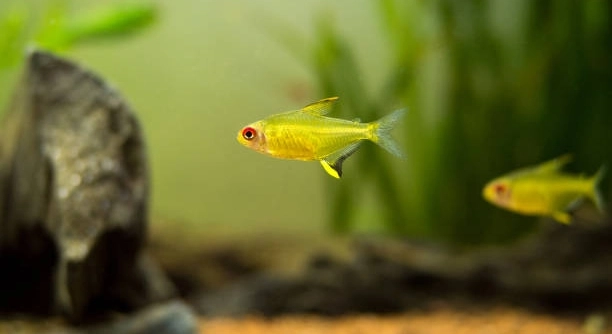
Lemon Tetras have a bright yellow body with a subtle, metallic sheen, making them easily noticeable in a planted aquarium. Neon Tetras, in contrast, display a striking blue stripe along their body with a red tail section that adds a vivid contrast. While both species bring color to a tank, their tones complement different decorations and lighting setups. Lemon Tetras often appear more muted in dim lighting, whereas Neon Tetras’ iridescent blue shines brightly even in low-light conditions. These visual differences can influence how you plan your aquarium design and select tank mates. Over time, both species may slightly fade if water conditions are not optimal, highlighting the importance of maintaining a stable environment. Their coloration also plays a role in schooling behavior, as more vibrant fish tend to lead the group in movement patterns, especially during feeding or when startled. Recognizing these color traits helps in identifying each species accurately in a mixed tank setup.
Lemon Tetras exhibit a more uniform yellow tone, while Neon Tetras stand out with bold blue and red markings.
These differences in coloration are important for pairing with other fish and choosing the right background, plants, and substrate in your aquarium. Bright colors can enhance the tank’s appearance, but ensuring they thrive requires attention to water quality, diet, and lighting conditions, as dull colors often indicate stress or poor health. Planning your aquarium around these visual traits helps create a lively and attractive environment while keeping the fish comfortable.
Size and Shape
Lemon Tetras are slightly larger, reaching up to 1.5 inches, with a more rounded body shape that gives them a fuller appearance in the tank.
Neon Tetras remain smaller, averaging 1.2 inches, with a slender body and streamlined shape.
Size affects tank compatibility and swimming behavior. Lemon Tetras, being slightly larger, can coexist with Neon Tetras in moderate-sized aquariums, but they may dominate smaller species during feeding. The differences in body shape also influence movement; Neon Tetras tend to dart quickly across the tank, while Lemon Tetras swim with a more relaxed pattern. Their size and shape affect how they school together, as similar-sized fish maintain cohesion more easily. When arranging tank decor, larger plants or open swimming areas benefit Lemon Tetras, whereas Neon Tetras thrive in narrow spaces with hiding spots. Properly considering these differences ensures both species feel secure and display natural behavior, contributing to a balanced and visually appealing aquarium setup.
Temperament
Lemon Tetras are generally calm but slightly more assertive in a group. Neon Tetras are peaceful and shy, often hiding behind plants when introduced to new tank mates. Their temperaments influence schooling behavior and interaction with other fish.
Lemon Tetras can adapt to a community tank well, but their slightly dominant nature means they may compete for food more than Neon Tetras. They swim confidently and lead groups during movement, which can affect smaller, timid species. Neon Tetras, on the other hand, prefer staying in dense schools, using their numbers for safety. Both species are social, but their approach to hierarchy and interaction differs.
Tank arrangement and group size can help balance these temperaments. Lemon Tetras need open swimming areas to reduce territorial behavior, while Neon Tetras benefit from hiding spots and thicker plant coverage. Matching compatible tank mates ensures both species feel secure and display natural behaviors, reducing stress and promoting health.
Water Parameter Preferences
Lemon Tetras tolerate slightly higher pH and hardness than Neon Tetras, making them more adaptable to moderate water conditions. Both species need stable temperatures to prevent stress.
Maintaining the right temperature is crucial. Lemon Tetras thrive between 72-79°F, whereas Neon Tetras prefer 70-76°F. Sudden fluctuations can lead to disease or weakened immunity in both species. While pH tolerance overlaps, Neon Tetras are more sensitive to changes, making consistent monitoring essential. Hardness levels also play a role, as Lemon Tetras handle slightly harder water better than Neon Tetras. Regular testing helps prevent issues like color fading or lethargy.
Proper filtration and gradual adjustments in water parameters benefit both species. A stable environment encourages natural behavior, consistent feeding, and proper schooling. Using plants and gentle water flow can help mimic natural habitats, keeping both Lemon and Neon Tetras comfortable and healthy in a community tank.
Schooling Behavior
Lemon Tetras prefer smaller groups of six to eight, moving calmly together and maintaining loose formations. Neon Tetras thrive in larger schools of ten or more, staying tightly packed for security and synchronized movement.
School size affects tank dynamics. Larger Neon Tetra schools create a more striking visual effect, while smaller Lemon Tetra groups encourage relaxed interaction without overcrowding.
Diet Adaptability
Both species are omnivorous and accept flakes, pellets, and live or frozen foods. Lemon Tetras may eat slightly more and show more curiosity toward new food items. Neon Tetras prefer smaller, finely sized foods and can be slower to adapt to diet changes, requiring gradual introduction.
Breeding Tendencies
Lemon Tetras are slightly easier to breed in home aquariums. They spawn in soft, slightly acidic water with gentle lighting and fine-leaved plants or spawning mops to protect eggs from being eaten. Careful observation and separation of eggs improve survival rates.
Tank Compatibility
Both species coexist well with other peaceful fish, but tank size and decorations matter. Lemon Tetras need more open swimming space, while Neon Tetras benefit from dense planting for security.
FAQ
What is the best tank size for Lemon Tetras and Neon Tetras?
A tank of at least 20 gallons works well for a mixed group. Lemon Tetras need space to swim freely, while Neon Tetras prefer room to school. Proper space prevents stress and ensures both species display natural behavior. Adding plants and hiding spots balances open areas and cover.
Can Lemon Tetras and Neon Tetras live together?
Yes, they can coexist peacefully if the tank is properly sized and water conditions are stable. Lemon Tetras are slightly more assertive, so maintaining enough space and hiding spots for Neon Tetras helps reduce competition and keeps both species comfortable.
What water temperature is ideal for both species?
Lemon Tetras thrive in 72-79°F, and Neon Tetras prefer 70-76°F. Maintaining a consistent temperature is important to prevent stress, illness, and color fading. A reliable heater and thermometer help ensure a stable environment for both species.
How often should I feed them?
Feeding twice a day with small portions is ideal. Both species eat flakes, pellets, or live and frozen foods. Avoid overfeeding to prevent water quality issues, which can lead to disease and poor coloration. Observe their behavior to adjust portions as needed.
Do they require special water parameters?
Neon Tetras are more sensitive to pH changes, thriving in slightly acidic water around 6.0-7.0. Lemon Tetras tolerate slightly higher pH and hardness. Regular testing ensures stable conditions, supporting health and vibrant coloration for both species.
How do I encourage breeding in a home aquarium?
Provide soft, slightly acidic water and low lighting. Use fine-leaved plants or spawning mops to protect eggs. Separating adults from eggs prevents predation. Both species may require temperature adjustments or frequent small feedings of live food to stimulate spawning.
Are they prone to disease?
Both species are generally hardy but can develop common freshwater diseases if stressed or exposed to poor water quality. Signs include faded colors, clamped fins, or erratic swimming. Prompt water changes, quarantine of new fish, and proper diet reduce disease risk.
Can they live with other fish?
Yes, they are compatible with peaceful community fish like small rasboras, guppies, or corydoras. Avoid aggressive or large species that may harass them. Proper tank size and decorations help reduce stress and maintain harmony in the community setup.
How many should I keep together?
Keep Lemon Tetras in groups of six to eight and Neon Tetras in schools of ten or more. Larger groups reduce stress, encourage natural schooling, and improve overall activity. Maintaining correct group sizes enhances both social behavior and tank aesthetics.
What plants or decorations work best?
Lemon Tetras benefit from open swimming areas with occasional hiding spots. Neon Tetras prefer dense plants for security and visual cover. Floating plants, driftwood, and soft-leaved plants create a natural environment while maintaining swimming space and reducing territorial disputes.
How long do they live?
With proper care, both Lemon and Neon Tetras live around five years. Stable water conditions, balanced diet, and minimal stress contribute to longevity and overall health. Monitoring behavior and color provides insight into their well-being.
Can their diet affect coloration?
Yes, high-quality foods with carotenoids and vitamins enhance vibrancy. Neon Tetras show brighter blues and reds, while Lemon Tetras’ yellow becomes more intense. A varied diet ensures health, supports growth, and maintains attractive appearance in the aquarium.
Do they need special lighting?
Moderate lighting works best. Too bright lighting can stress Neon Tetras, while Lemon Tetras tolerate slightly higher intensity. Lighting affects plant growth, fish activity, and coloration. A balanced setup with shaded areas helps both species feel secure.
Is tank maintenance different for them?
Maintenance is similar for both species. Regular water changes, monitoring pH and hardness, and cleaning the substrate help maintain a stable environment. Neon Tetras require slightly more attention to water quality due to their sensitivity. A consistent schedule keeps both species healthy and vibrant.
Can they jump out of the tank?
Both species are small and not known for strong jumping behavior, but a covered tank prevents accidents. Even gentle jumpers can escape when startled, so lids or tightly fitting covers are recommended to protect them.
Do they interact with each other?
Yes, they school separately but can coexist peacefully. Lemon Tetras’ assertiveness does not usually harm Neon Tetras. Observing interactions helps ensure both species are comfortable, especially during feeding or when adjusting the tank layout.
Can stress affect their health?
Stress can weaken immunity, fade colors, and increase susceptibility to disease. Overcrowding, poor water quality, or aggressive tank mates are common stressors. Providing adequate space, stable water, and compatible companions reduces stress and promotes well-being.
How can I tell if they are happy?
Active swimming, bright coloration, and consistent schooling are signs of well-being. Lack of movement, clamped fins, or hiding indicates stress. Monitoring behavior and tank conditions ensures both Lemon and Neon Tetras remain healthy and display natural activity.
What is the ideal pH range?
Neon Tetras prefer slightly acidic water around 6.0-7.0, while Lemon Tetras tolerate a range of 6.5-7.5. Regular testing helps maintain stability. Keeping pH within the ideal range supports health, breeding potential, and natural coloration.
How do I introduce new fish safely?
Quarantine new fish for at least two weeks. Gradually acclimate them to the main tank using temperature and water parameter matching. This reduces disease risk and allows both Lemon and Neon Tetras to adjust without stress.
Are there differences in activity levels?
Neon Tetras are more skittish and dart quickly, while Lemon Tetras swim more calmly and explore open areas. Understanding activity differences helps plan tank layout and feeding strategies, ensuring both species thrive in the same environment.
Can they live in planted tanks?
Both species thrive in planted tanks. Neon Tetras use plants for hiding, while Lemon Tetras enjoy open swimming areas with scattered vegetation. Plants improve water quality and provide natural behavior outlets, creating a balanced and visually pleasing aquarium.
Do they require water movement?
Gentle water flow is preferred. Lemon Tetras tolerate slightly higher currents, while Neon Tetras prefer calmer areas. Proper circulation ensures oxygenation and waste removal without stressing the fish. Adjustable filters or diffusers help create suitable conditions for both species.
How often should water be tested?
Weekly testing for temperature, pH, hardness, and nitrate levels is recommended. Both species benefit from stable water parameters. Frequent testing helps detect problems early, preventing illness and maintaining vibrant, active fish.
Can they tolerate community tank lights?
Yes, moderate lighting works for both. Neon Tetras may hide under plants in brighter tanks, while Lemon Tetras adjust more easily. Providing shaded areas and moderate intensity ensures comfort and encourages natural behavior.
What is the best way to feed live foods?
Use small portions of brine shrimp or daphnia. Lemon Tetras may eagerly explore new foods, while Neon Tetras eat more cautiously. Feeding in small quantities ensures all fish get adequate nutrition without fouling the water.
Are there common mistakes with these fish?
Overcrowding, sudden water changes, and aggressive tank mates are common problems. Ignoring pH or temperature preferences can lead to stress or illness. Following care guidelines ensures healthy, vibrant Lemon and Neon Tetras.
Can I keep only one species?
Yes, both species can thrive separately. Neon Tetras benefit from larger groups for security, and Lemon Tetras show more relaxed behavior in small schools. Either setup requires proper space, water conditions, and monitoring.
Do they need vitamins or supplements?
A balanced diet usually provides sufficient nutrients. Occasional supplements can enhance color and health, especially during breeding or growth periods. Overuse is unnecessary and may affect water quality.
How do I handle sudden illness?
Isolate affected fish, test water, and consider appropriate medication. Maintaining clean water and reducing stress are critical. Early intervention improves survival chances and prevents spread to healthy fish.
Are Lemon Tetras or Neon Tetras better for beginners?
Neon Tetras require slightly more attention to water quality, while Lemon Tetras are more forgiving. Both are manageable with basic care, stable parameters, and proper diet, making them suitable for hobbyists willing to maintain consistent tank conditions.
Do they sleep at night?
Yes, both species rest in low-light areas. Neon Tetras often hide among plants, while Lemon Tetras may rest in open areas. Providing a natural day-night cycle helps maintain health and natural behavior.
Can they coexist with bottom dwellers?
Yes, both species are mid-to-top swimmers and generally ignore peaceful bottom dwellers like corydoras or small loaches. Proper tank size and feeding routines prevent competition and ensure harmony among different fish types.
How important is water hardness?
Neon Tetras prefer softer water, while Lemon Tetras tolerate slightly harder water. Consistent hardness levels support health, reduce stress, and maintain color vibrancy. Testing helps adjust water as needed for both species.
Are they sensitive to chlorine or chloramine?
Yes, both species are sensitive. Using water conditioners during water changes removes harmful chemicals, preventing stress, gill damage, and disease. Proper preparation ensures a safe environment for both Lemon and Neon Tetras.
How can I improve their lifespan?
Stable water, varied diet, proper tank mates, and avoiding overcrowding contribute to longevity. Observing behavior, maintaining quality water, and providing suitable hiding spaces help both species thrive for several years.
Is it necessary to change water frequently?
Yes, weekly 20-30% water changes help maintain optimal water quality. Both species benefit from consistent parameters, reducing stress, illness, and color fading. Proper water maintenance supports overall tank health and natural behavior.
Can they live in unheated tanks?
Both prefer stable temperatures. Unheated tanks may fluctuate too much, especially in cooler climates, stressing fish. Using a reliable heater ensures comfort, health, and natural activity patterns for both Lemon and Neon Tetras.
Do they interact with plants?
Yes, Neon Tetras use plants for hiding, while Lemon Tetras swim around them. Plants provide shelter, improve water quality, and create natural movement patterns, enhancing the overall aquarium environment.
How long should I quarantine new fish?
At least two weeks allows observation for illness and adaptation to water conditions. Quarantine prevents disease introduction and ensures compatibility before adding fish to the main tank.
What signs indicate water stress?
Clamped fins, faded colors, lethargy, or erratic swimming signal stress. Both species are sensitive to sudden changes in temperature, pH, or hardness. Monitoring behavior helps identify and correct issues promptly.
Are they easy to catch for maintenance?
Both are small and quick, but using a fine-mesh net and minimizing stress works best. Gentle handling prevents injury, reduces stress, and allows safe relocation during tank cleaning or medical treatment.
Can they tolerate strong currents?
Both prefer gentle water flow. Lemon Tetras can handle slightly stronger currents, but Neon Tetras need calmer areas. Proper flow supports oxygenation without causing fatigue or stress.
Do they need any special filtration?
Standard aquarium filters work well. Gentle flow and efficient biological filtration maintain water quality. Adjustable filters help create conditions suitable for both species without disturbing schooling or activity.
Are floating plants beneficial?
Yes, floating plants provide shade, reduce stress, and offer hiding spots for Neon Tetras. Lemon Tetras enjoy partially shaded areas. Floating plants also help maintain water quality by absorbing excess nutrients.
How do I know they are breeding-ready?
Active swimming, brighter coloration, and pairing behavior indicate readiness. Providing proper spawning conditions and diet supports successful reproduction in both species.
Can tank mates affect their behavior?
Aggressive or large fish may stress them, causing hiding or reduced activity. Peaceful, similar-sized species promote natural schooling and interaction, maintaining health and visual appeal.
Do they require vitamins in water?
Not usually. Balanced diets provide sufficient nutrients. Occasional supplements may help during stress or breeding periods but are not essential for day-to-day health.
Are they sensitive to lighting changes?
Yes, sudden bright light can stress Neon Tetras, while Lemon Tetras tolerate moderate changes. Gradual adjustments and shaded areas reduce stress and encourage natural behavior.
Do they enjoy hiding spots?
Neon Tetras prefer dense plants and shaded areas, while Lemon Tetras occasionally use cover but swim more openly. Providing both ensures comfort and reduces stress for both species.
Can they live with shrimp or snails?
Yes, peaceful shrimp and snails coexist well. Both species generally ignore them, making them compatible additions for a balanced, lively aquarium.
Is diet variety necessary?
Yes, a mix of flakes, pellets, and live or frozen foods ensures optimal health, coloration, and activity. Variety prevents nutritional deficiencies and keeps both species active and healthy.
Can they adapt to new water conditions?
Gradual acclimation helps. Lemon Tetras tolerate slight changes more easily, while Neon Tetras require slow adjustments to prevent stress. Careful acclimation supports health and vibrant coloration.
Are they sensitive to noise or vibrations?
Both species may become stressed by sudden vibrations or loud noises near the tank. Minimizing disturbances maintains calm behavior, proper schooling, and overall well-being.
Do they need a day-night cycle?
Yes, both benefit from consistent lighting cycles. Neon Tetras use shaded areas to rest, and Lemon Tetras adjust more easily. A regular cycle supports natural behavior and overall health.
Can they recognize tank mates?
They form stable schools and recognize other individuals within their species. Familiar tank mates reduce stress, improve schooling cohesion, and enhance natural behavior in the aquarium environment.
Is water clarity important?
Yes, clear water ensures health and vibrant colors. Both species are sensitive to excess waste and debris. Regular maintenance and filtration support optimal living conditions.
Can they tolerate different pH temporarily?
Short-term fluctuations may be tolerated, but prolonged changes stress both species. Maintaining consistent pH ensures health, coloration, and natural behavior.
Are they suitable for planted aquascapes?
Yes, Neon Tetras use plants for cover, while Lemon Tetras enjoy swimming around them. Proper plant placement balances open swimming areas and shaded spots.
Do they require substrate types?
Both are flexible. Fine gravel or sand works well. Neon Tetras may use substrate for foraging, while Lemon Tetras are less dependent on it but benefit from a natural tank setup.
Can they survive without plants?
Yes, but plants provide shelter, reduce stress, and improve water quality. Both species thrive better in partially planted environments with adequate hiding spots.
Do they need supplemental aeration?
Not always. Gentle water movement from filtration is usually sufficient. Aeration can be helpful in densely stocked tanks to maintain oxygen levels and overall water quality.
How do I prevent aggression in the tank?
Maintain proper group sizes, provide hiding spots, and avoid aggressive species. Lemon Tetras are slightly dominant, but careful planning ensures peaceful coexistence with Neon Tetras and other community fish.
Can they tolerate cold water?
No, both species prefer stable tropical temperatures. Cold water can stress fish, reduce activity, and increase susceptibility to disease. A heater maintains safe, consistent conditions.
Do they require quarantine for illness?
Yes, isolating sick fish prevents disease spread. Prompt treatment, clean water, and monitoring reduce impact on healthy tank mates and improve recovery chances.
Are they good for visually appealing tanks?
Yes, their vibrant colors and schooling patterns create a lively display. Lemon Tetras’ yellow tones contrast with Neon Tetras’ blue and red markings, enhancing visual appeal in planted or community setups.
Can they live in low-light tanks?
Yes, but Neon Tetras may appear less vibrant. Lemon Tetras tolerate lower light better. Moderate lighting enhances coloration and natural activity patterns.
How do I handle water changes with sensitive fish?
Use gradual adjustments, matching temperature and pH to tank water. Sudden changes stress Neon Tetras more than Lemon Tetras. Proper handling maintains health and prevents color fading.
Do they require special care during winter?
Maintain stable temperature with a heater. Both species are tropical and sensitive to drops in temperature. Consistent care prevents stress, illness, and reduced activity.
Can they survive in small tanks temporarily?
Short-term confinement may be possible, but long-term health and behavior require proper tank size, schooling numbers, and stable water parameters. Stress increases in cramped conditions.
How often should I observe their behavior?
Daily observation helps detect stress, illness, or aggression early. Monitoring swimming patterns, coloration, and schooling ensures both species remain healthy and active.
Can they tolerate temporary fasting?
Yes, both species can handle a day without food, but extended fasting affects health. Maintaining regular feeding schedules supports growth, coloration, and activity levels.
Are they suitable for nano tanks?
Nano tanks can house small schools, but care is required to maintain water quality and stable conditions. Overcrowding or poor filtration can quickly stress both species.
How do I prevent fin damage?
Provide smooth decorations and avoid aggressive tank mates. Proper schooling and open swimming areas reduce collisions and fin wear.
Do they need vitamins in the diet?
Balanced foods usually supply adequate nutrients. Occasional supplements can enhance color and support breeding, but they are not essential for daily health.
Can they live in brackish water?
No, both species are freshwater and sensitive to salinity. Salt exposure can cause stress, illness, or death. Maintaining freshwater conditions is critical.
How do I acclimate new fish?
Use drip acclimation or gradual water mixing. Neon Tetras need slower acclimation due to sensitivity, while Lemon Tetras adjust more easily. Proper acclimation prevents stress and illness.
Are they sensitive to heavy metals?
Yes, both species are vulnerable to copper and other metals. Using treated water and avoiding contaminated substrates protects health and supports vibrant coloration.
Can they live with fast-swimming fish?
Fast species may outcompete them for food or stress them. Choosing similarly paced, peaceful species ensures both Lemon and Neon Tetras thrive in the tank.
Do they respond to human presence?
They recognize movement near the tank but are generally cautious. Over time, they may become more comfortable with routine feeding and gentle observation.
Can they tolerate seasonal changes?
Sudden environmental changes cause stress. Stable temperature, lighting, and water conditions are necessary year-round to maintain health and coloration.
Do they require special filtration media?
Standard biological and mechanical filtration is sufficient. Fine media may help in smaller tanks to remove debris without creating strong currents that stress Neon Tetras.
Are they prone to bullying in groups?
Lemon Tetras may show minor assertiveness, but Neon Tetras’ tight schooling reduces bullying.
Final Thoughts
Lemon Tetras and Neon Tetras are both excellent choices for freshwater aquariums, each offering unique qualities that make them stand out. Lemon Tetras bring a soft yellow glow to the tank, with slightly larger, rounded bodies that swim calmly and explore open areas. Neon Tetras, on the other hand, are smaller, streamlined, and display bright blue and red markings that remain vivid even in low-light conditions. Their tight schooling behavior creates a dynamic visual effect, contrasting with the more relaxed, evenly spaced groups of Lemon Tetras. Both species are social and benefit from proper group sizes, but their differences in temperament, activity level, and body shape should be considered when designing a shared tank environment. Ensuring adequate space, hiding spots, and swimming areas allows both species to display natural behavior without stress.
Water parameters play a critical role in maintaining the health of Lemon and Neon Tetras. Neon Tetras are more sensitive to changes in pH, hardness, and temperature, requiring stable and slightly acidic conditions to thrive. Lemon Tetras are more forgiving and tolerate a slightly wider range of water conditions, but both species perform best in well-maintained tanks with regular monitoring. Temperature stability is particularly important, as sudden fluctuations can cause stress, illness, or faded coloration. Proper filtration, gentle water flow, and routine water testing are essential practices for keeping both species healthy. Diet is equally important, with both fish requiring a mix of flakes, pellets, and occasional live or frozen foods to maintain vibrant colors and overall health. Observing behavior and adjusting care routines based on activity, feeding response, and coloration helps prevent long-term stress and ensures a lively, balanced aquarium.
Breeding and community tank considerations further highlight the differences between Lemon and Neon Tetras. Lemon Tetras are slightly easier to breed, requiring soft, slightly acidic water and protection for their eggs. Neon Tetras may need more specific conditions and careful attention to group dynamics. Both species coexist well with peaceful tank mates, but aggressive or large fish can create stress and interfere with natural behavior. Plants, hiding spots, and open swimming areas improve comfort and reduce territorial disputes, allowing both species to thrive together. Understanding the subtle differences in temperament, schooling behavior, and environmental preferences ensures a harmonious setup that maximizes the health, activity, and visual appeal of both Lemon and Neon Tetras. Proper attention to care, water quality, and diet makes maintaining these vibrant, social fish straightforward and rewarding.

Hello,
If you enjoy the content that we create, please consider saying a "Thank You!" by leaving a tip.
Every little bit helps us continue crafting quality advice that supports the health, happiness, and well-being of pets around the world, for pets of all shapes, sizes, and species.
We really appreciate the kindness and support that you show us!