
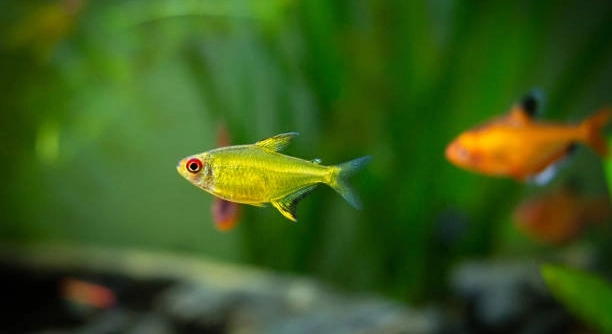
Are your lemon tetras displaying unusual behavior during the night? These small, bright fish are a popular choice for aquariums, and their care requires understanding their natural environment and daily light cycles. Observing their habits helps maintain their health.
Lemon tetras can tolerate occasional periods of darkness without significant stress. Providing a consistent day-night cycle is essential, but short, irregular dark periods do not adversely affect their physiological or behavioral well-being in a well-maintained aquarium.
Knowing how occasional darkness impacts your lemon tetras will help you maintain a stable environment and ensure their long-term comfort and vitality in your aquarium.
Understanding Lemon Tetras’ Natural Light Cycle
Lemon tetras are native to slow-moving rivers and streams in South America, where light levels naturally fluctuate due to dense vegetation and water conditions. In their natural habitats, these fish experience periods of both bright light and shaded darkness. Mimicking this environment in your aquarium helps them feel secure and reduces stress. Sudden or prolonged exposure to intense light can cause them to hide or display erratic swimming. Conversely, occasional darkness, even beyond their regular night cycle, is not harmful. It is important to provide a stable day-night schedule, using timers if necessary, to maintain consistency. Regular observation of their behavior during light and dark periods allows you to detect potential health issues early. Adjusting tank decorations, plants, and lighting can enhance their comfort, creating areas where they can retreat if needed. A well-planned lighting routine contributes significantly to their overall well-being and longevity.
Providing intermittent darkness occasionally aligns with their natural adaptation and does not negatively impact their behavior or health.
Even in a home aquarium, replicating the subtle changes in light can make a noticeable difference. Lemon tetras thrive when they have shaded areas or plants where they can rest during darker periods. Using floating plants or small decorations creates microhabitats and helps them regulate exposure to light naturally. Observing their activity during these times shows how they respond, as they may slow their swimming or gather near cover. It is also important to avoid abrupt changes in light, which can startle them. Gradual dimming or scheduled lighting ensures their circadian rhythm remains stable. By understanding these needs, you can maintain a balanced environment that supports their natural behavior. Regular monitoring, along with proper water conditions and nutrition, will keep your lemon tetras healthy and active. Their vibrant colors and peaceful temperament are enhanced when they feel secure in their surroundings.
Managing Tank Lighting for Occasional Darkness
Occasional darkness can be introduced without concern if it does not disrupt the overall light schedule.
To provide occasional darkness safely, consider using a timer to create short periods of reduced light during the day. This approach simulates natural cloud cover or shade from overhanging vegetation in rivers. Ensure these periods are brief and consistent, so fish do not experience stress from sudden environmental changes. Avoid complete blackout conditions lasting several hours during the day, as extended darkness can interfere with feeding patterns and social interaction. Positioning plants, rocks, or other decorations strategically creates shaded areas without turning off lights completely, allowing lemon tetras to retreat as needed. Monitoring behavior during these times is essential to confirm they are adjusting well. By maintaining clean water, stable temperature, and a consistent diet, you provide a secure environment for them to thrive while accommodating occasional darkness.
Introducing occasional periods of darkness can benefit your lemon tetras by mimicking natural conditions, but it must be done thoughtfully. The timing and duration should complement the existing light schedule, ensuring minimal disruption to their routine. Using shaded areas and plants, you can offer spots where they can rest or hide, allowing for more natural behavior. Observing their response to these changes helps determine if adjustments are necessary, ensuring their comfort. This method reinforces their natural circadian rhythm and reduces stress, ultimately promoting healthier activity levels and stronger coloration. Integrating subtle variations in light, alongside proper feeding and clean water management, supports their overall health and reduces the likelihood of behavioral issues. By understanding how to balance light and darkness, you can maintain an environment where lemon tetras remain vibrant, active, and well-adapted to their home aquarium.
Signs Lemon Tetras Are Comfortable With Darkness
Lemon tetras often slow their movement or gather near plants during darker periods. They may display normal schooling behavior and remain near tankmates, showing that occasional darkness is not causing stress or fear, as long as feeding and activity remain consistent.
Observing their daily routines helps determine if they are adjusting well to intermittent darkness. Comfortable lemon tetras continue to feed reliably and interact socially without sudden changes in behavior. Their coloration may appear slightly muted in dim light but returns under normal lighting. Providing shaded areas and maintaining consistent water parameters ensures they feel secure, even when lights are temporarily reduced. Temporary darkness should not interfere with their overall activity patterns.
Behavioral cues, such as hiding, slower swimming, or clustering near decorations, indicate normal adaptation. Lemon tetras that remain active when lights return demonstrate they tolerate darkness well. Avoid prolonged, unexpected light changes, which may startle them. Properly timed dark periods can mimic natural conditions, allowing the fish to rest without negative effects. Continuous monitoring of their feeding and schooling behavior ensures they remain comfortable and stress-free, reinforcing a stable environment that supports both physical and behavioral health.
Adjusting Your Aquarium Setup
Use plants and decorations to create shaded areas that allow tetras to retreat during darker periods. Strategic placement helps them feel safe without turning off lights completely.
Floating or tall plants, along with rocks and other decorations, provide natural cover that supports occasional darkness. By creating these areas, you mimic natural river conditions, giving lemon tetras spaces to rest or hide. Ensuring the tank is well-aerated and water parameters remain stable is critical. Small adjustments, such as slightly dimmed lighting or repositioned decorations, help them adapt naturally. Observing how fish use these shaded areas indicates whether the setup meets their needs and allows for comfortable adjustment to intermittent darkness.
Adjusting your tank requires attention to how your lemon tetras respond. Notice where they gather during dim periods and ensure these spots are easily accessible. Avoid overcrowding or placing decorations that block swimming space. Maintaining consistent feeding schedules and monitoring water quality support their overall well-being. Subtle changes, like introducing new plants gradually, prevent stress. The combination of natural cover, stable light schedules, and proper maintenance ensures lemon tetras can thrive. Their behavior during periods of darkness reflects how well the aquarium environment accommodates their needs, making adjustments simple and effective.
Effects of Prolonged Darkness
Extended periods of darkness can cause stress in lemon tetras if they disrupt normal activity patterns. Fish may hide excessively, reduce feeding, or display unusual swimming behaviors, signaling that the environment is not balanced.
Maintaining a consistent day-night cycle is crucial. Occasional darkness is safe, but continuous dim or absent light can interfere with circadian rhythms, leading to health issues.
Lighting and Tank Placement
Position the aquarium away from direct sunlight to prevent overheating and sudden brightness. Consistent lighting ensures lemon tetras maintain normal behavior and coloration.
Monitoring Behavior During Dark Periods
Observe schooling, feeding, and resting patterns during darkness. Changes in these behaviors can indicate stress or discomfort and signal adjustments are needed.
FAQ
Can lemon tetras survive complete darkness for a few hours?
Yes, lemon tetras can handle a few hours of complete darkness without harm. In their natural habitats, shaded areas and overcast conditions occur frequently. Short periods of darkness mimic these natural conditions and generally do not stress the fish. Consistent feeding and water quality remain essential during these times.
Will occasional darkness affect their color?
Temporary darkness may slightly dull their colors, but this effect is not permanent. When normal lighting resumes, their vibrant yellow and silver hues return. Color changes during darkness are natural responses to reduced light, helping them blend with surroundings and feel secure.
Is it safe to turn off the aquarium lights unexpectedly?
Briefly turning off lights occasionally is safe if the overall day-night schedule remains consistent. Avoid abrupt, prolonged darkness during active periods, as this can startle them or disrupt feeding routines. Gradual dimming or short interruptions is preferable.
How do I know if darkness is stressing my lemon tetras?
Stress signs include excessive hiding, loss of appetite, erratic swimming, or isolating from the school. Monitoring their behavior closely during dark periods helps determine if the environment is appropriate. Adjust lighting or provide shaded areas if stress signs appear.
Should I use a timer for aquarium lights?
A timer is highly recommended. It ensures consistent lighting and darkness cycles, maintaining their circadian rhythm. Timers reduce human error in turning lights on and off, helping lemon tetras feel secure and maintain healthy behavior patterns.
Can darkness affect their feeding schedule?
Temporary darkness does not significantly affect feeding if it occurs outside their main activity periods. Lemon tetras will still feed normally once lights return. Maintaining a predictable feeding schedule alongside light cycles supports their overall health and growth.
Do plants and decorations help with occasional darkness?
Yes, plants, rocks, and other decorations create shaded spots where tetras can retreat during darker periods. This mimics their natural habitat and allows them to regulate exposure to light without stress, enhancing their sense of security.
Is it okay to have a few hours of darkness during the day?
Yes, occasional darkness during the day is generally harmless if it does not exceed normal activity periods. Short breaks in lighting can replicate cloud cover or shaded areas in rivers, making the environment more natural.
Will prolonged darkness at night cause problems?
Extended darkness that exceeds normal night periods may stress lemon tetras, reduce activity, and interfere with feeding or schooling. Always maintain a predictable night length, around 10–12 hours, to match natural conditions and support healthy behaviors.
Do lemon tetras need full brightness all the time?
No, full brightness all day is unnecessary. Moderate light with occasional shaded areas is sufficient. Bright light for long periods can increase stress, while intermittent darkness supports natural behaviors and allows periods of rest.
Can sudden darkness cause disease?
Sudden darkness itself does not cause disease, but it can trigger stress, which weakens the immune system. Stress-related susceptibility can make them more prone to infections. Gradual lighting changes and stable water parameters help prevent stress-related health issues.
How do I adjust lighting for multiple species in a community tank?
Consider the needs of all species. Provide areas with varied lighting intensity and shaded spots. Lemon tetras adapt well to partial darkness, so balance the setup so all fish have access to light and cover as needed.
Is it better to have a single long dark period or multiple short ones?
A single consistent dark period is preferred to multiple short interruptions. This supports their circadian rhythm and provides uninterrupted rest, while occasional short darkness for natural simulation is still acceptable if done carefully.
Can lemon tetras get used to artificial darkness over time?
Yes, they adapt quickly to predictable artificial darkness. Their behavior, feeding, and coloration remain stable as long as water conditions and light cycles are consistent. Observing their response helps fine-tune the environment for comfort and security.
Do I need to adjust water temperature during dark periods?
Typically, no adjustment is needed for short periods of darkness. Stable water temperature is more important than minor changes in light. Avoid sudden temperature fluctuations, which can stress lemon tetras more than temporary darkness.
How long should the dark period last each day?
Lemon tetras do best with 10–12 hours of darkness daily, reflecting their natural night cycle. Shorter periods occasionally are fine, but consistency ensures healthy behavior and proper rest without compromising activity during daylight.
Can darkness affect their reproduction?
Occasional darkness does not prevent breeding. Stable light cycles and proper environmental conditions, such as water quality and temperature, are more critical for successful spawning than short periods of darkness.
Is it okay to dim lights instead of turning them off completely?
Yes, dimming lights can be beneficial. It reduces stress, provides rest areas, and replicates natural shaded conditions. Gradual dimming is preferable to sudden darkness, allowing lemon tetras to adjust smoothly.
How should I monitor their response to darkness?
Track swimming, feeding, and schooling behavior. Note changes during dark periods. Healthy lemon tetras maintain routine behavior, while excessive hiding, sluggishness, or aggression signals the need to adjust lighting or tank setup.
Does tank size influence how darkness affects them?
Yes, larger tanks with varied lighting and decorations allow lemon tetras to find shaded areas naturally. Smaller tanks may require additional plants or structures to provide safe spaces during dark periods, reducing stress and promoting normal behavior.
Can seasonal changes in light affect them?
Seasonal changes may slightly alter behavior, but lemon tetras adapt well if light cycles remain relatively stable. Using timers can help replicate seasonal variation safely without disrupting feeding or schooling patterns.
Are there differences between individual tetras in tolerating darkness?
Individual fish may respond differently. Some may explore shaded areas more, while others prefer open spaces. Observing the group as a whole ensures lighting adjustments meet the needs of all fish and maintain overall harmony.
Do lemon tetras prefer gradual darkness or sudden lights off?
Gradual dimming is preferable, as it reduces stress. Sudden darkness can startle them, while smooth transitions allow fish to adjust naturally and maintain calm behavior.
Can darkness improve their activity at other times?
Yes, intermittent darkness can enhance daytime activity. Providing rest periods allows fish to recover energy and display more natural schooling, feeding, and swimming patterns during illuminated periods.
Is occasional darkness necessary or optional?
It is optional but beneficial. Occasional darkness mimics natural variations and provides resting opportunities. Regular, predictable dark periods remain the most important factor for health and behavior stability.
How do I combine artificial and natural light effectively?
Balance artificial lighting with available daylight. Avoid direct sunlight that may overheat the tank. Use artificial lights to maintain a consistent schedule while shaded areas provide natural variation for comfort.
Can I use colored lights during dark periods?
Soft, dim-colored lights can be used if needed, but bright colors may disrupt behavior. Red or blue lights minimally affect activity and allow observation without fully disturbing their natural rest.
Should I adjust feeding if lights are dimmed?
Feeding schedules can remain consistent, as lemon tetras adjust to light changes quickly. Ensure food is offered during active periods, and maintain water quality to prevent leftover debris from accumulating.
Do lemon tetras ever need complete darkness during the day?
Complete darkness is not necessary during daylight, but short periods for natural simulation are safe. Providing shaded areas or brief dimming mimics natural river conditions without harming their routine or behavior.
What are common mistakes when managing darkness for tetras?
Common errors include inconsistent lighting schedules, abrupt light changes, insufficient shaded areas, and extended darkness. Each can stress fish and affect feeding, coloration, and social behavior. Consistency and observation prevent these issues effectively.
Can darkness help reduce aggression?
Yes, shaded areas and brief dark periods provide safe retreats, reducing territorial disputes. While lemon tetras are generally peaceful, providing cover helps mitigate stress-related aggression and supports natural schooling behavior.
Is monitoring water quality more important than light adjustments?
Water quality is always more critical. Stable parameters, including temperature, pH, and cleanliness, have a larger impact on health than temporary changes in light, though proper lighting supports natural behavior and rest.
Do all lemon tetras react the same to occasional darkness?
Reactions vary slightly by individual, but as a species, they tolerate occasional darkness well. Observing the group ensures lighting adjustments meet the needs of the majority while minimizing stress.
How long does it take for them to adjust to new light schedules?
Adjustment typically occurs within a few days to a week. Gradual changes help, while abrupt shifts may temporarily alter behavior. Consistency ensures lemon tetras adapt smoothly and maintain normal activity.
Can I combine occasional darkness with other environmental changes?
Yes, but changes should be gradual. Sudden alterations in temperature, water chemistry, or lighting simultaneously can stress fish. Introduce one change at a time to allow safe adaptation.
Does tank cover, like a lid, impact darkness effects?
Yes, a lid helps control light exposure and prevents sudden brightness. It ensures darkness periods are consistent and protects fish from external disturbances while maintaining temperature stability.
Are there long-term benefits of occasional darkness?
Occasional darkness supports natural behaviors, reduces stress, and provides rest opportunities. While not critical, it enhances comfort and promotes more consistent activity, coloration, and overall well-being in lemon tetras.
Can darkness affect disease detection?
Short-term darkness does not affect disease detection if observation occurs during normal lighting. Consistent monitoring during active periods is necessary to notice early signs of illness.
Do lemon tetras need darkness even if the tank is fully planted?
Yes, even planted tanks benefit from a dark period. Plants provide shade, but scheduled darkness ensures fish rest, maintaining natural circadian rhythms and supporting health.
Is occasional darkness better than constant low lighting?
Yes, brief dark periods are better than constant dim lighting. They allow proper rest, simulate natural conditions, and maintain normal activity during lit periods, avoiding stress from continuous low-light conditions.
How often can I safely introduce extra darkness?
Extra darkness can be introduced occasionally, such as a few hours per week. Ensure the regular light-dark cycle remains consistent to prevent disruption of feeding and social behavior.
Do lemon tetras sleep in complete darkness?
Yes, they rest more deeply in darker areas, often near plants or decorations. Complete darkness is not required for short periods, but shaded areas allow natural rest patterns to occur.
Can lighting adjustments improve their schooling behavior?
Yes, consistent light cycles with shaded areas encourage natural schooling. Fish feel secure in areas with cover, promoting group cohesion and calmer interactions throughout the tank.
Is it necessary to track behavior during darkness?
Observation is important, even during dark periods. Noting changes in swimming, hiding, or feeding helps identify stress early and ensures the environment meets the needs of your lemon tetras.
Does occasional darkness affect tank mates?
Other peaceful species tolerate brief darkness similarly. Monitor behavior to ensure all species maintain activity, feeding, and social interactions without excessive hiding or aggression.
Are there tools to simulate natural darkness?
Timers, dimmers, and floating plants can simulate natural shading. Gradual dimming is preferred, allowing fish to adjust without sudden changes, supporting natural behavior and comfort.
Can darkness influence breeding cycles?
Short-term darkness does not interfere with reproduction. Stable water parameters, temperature, and overall environment are more important factors for spawning success than occasional light changes.
How do I safely combine occasional darkness with daytime activities?
Schedule brief periods when fish are less active. Maintain feeding, water quality, and social interactions during active times. Short, controlled darkness periods complement their routine without causing stress or disruption.
Will occasional darkness cause stress if water conditions are poor?
Yes, poor water quality combined with darkness can increase stress. Ensuring clean, stable water and proper nutrition is critical for fish health, making darkness a minor factor in overall well-being.
Do lemon tetras prefer more darkness in larger or smaller tanks?
Larger tanks offer more shaded areas naturally, so fish may use these spots more. Smaller tanks may require additional plants or structures to create safe zones for intermittent darkness.
Is there a recommended lighting schedule to balance occasional darkness?
Maintain roughly 10–12 hours of light and 10–12 hours of darkness daily. Short extra dark periods can be added occasionally, but consistency ensures stable behavior and reduces stress.
Can occasional darkness help during tank maintenance?
Yes, dimming lights during maintenance can reduce stress, making fish calmer and easier to handle while performing water changes or cleaning decorations.
Do lemon tetras need adjustment time after introducing darkness?
Yes, they adapt within a few days. Gradual changes and observation ensure smooth adjustment without behavioral disruption, maintaining normal feeding, schooling, and coloration patterns.
Are there risks if darkness is too frequent?
Excessive or unpredictable dark periods can stress fish, reduce feeding, and alter social behavior. Maintaining consistent light-dark cycles prevents these negative effects and supports long-term health.
Can occasional darkness improve overall tank harmony?
Yes, providing shaded areas and brief darkness periods reduces stress and territorial behavior, supporting a calm, cohesive group dynamic and more natural interactions among lemon tetras.
Does light intensity matter during occasional darkness?
Low or dimmed light is preferable. Bright lights during dark periods can startle fish. Gentle shading or partial dimming allows rest without complete interruption of the environment.
Should I adjust temperature when dimming lights?
Minor temperature fluctuations are acceptable if gradual, but avoid sudden drops or spikes. Stable water conditions are more important than small light-related temperature changes.
Is occasional darkness suitable for young lemon tetras?
Yes, juveniles tolerate brief darkness well. Ensure they have shaded areas and maintain feeding schedules, as young fish are more sensitive to stress but adapt quickly with consistent conditions.
Can darkness impact algae growth?
Short dark periods may slightly slow algae growth, but this effect is minimal. Proper cleaning and water maintenance remain the main factors controlling algae in the tank.
How can I tell if occasional darkness is beneficial?
Healthy activity, proper schooling, normal feeding, and bright coloration indicate that intermittent darkness is well-tolerated and beneficial for lemon tetras. Behavioral observation is the best indicator of comfort.
Are there tools to monitor behavior in darkness?
Low-intensity red or blue lights, night-vision cameras, or dim observation lamps allow monitoring without disturbing fish during shaded periods, ensuring they are adapting well.
Can occasional darkness prevent aggressive interactions?
Yes, shaded areas allow fish to retreat, reducing stress-related aggression. Peaceful species like lemon tetras benefit from cover, maintaining calmer social dynamics in the tank.
Do I need to adjust filtration during dark periods?
No adjustment is necessary for filtration. Continuous water circulation supports oxygenation and waste removal, which is more critical than light changes for health and activity.
Is occasional darkness beneficial for nocturnal species in the same tank?
Yes, it allows nocturnal species to be active without disrupting diurnal fish. Shaded areas and brief dark periods create a balanced environment for mixed-species tanks.
Can darkness affect growth rates?
Short, occasional darkness does not affect growth if feeding and water conditions remain optimal. Consistent nutrition and a stable environment are the main factors influencing growth.
Does adding floating plants help with darkness simulation?
Yes, floating plants create partial shade and mimic natural environments. They offer areas for rest, reduce stress, and enhance comfort during intermittent darkness periods.
Can occasional darkness reduce stress from external stimuli?
Yes, brief dark periods can shield fish from sudden movements, bright lights, or vibrations, providing calm spaces that reduce stress and promote natural behavior.
Should I document lighting adjustments and fish response?
Yes, keeping notes helps track tolerance and behavior changes. Documentation allows fine-tuning of lighting schedules and ensures the environment supports health and natural routines.
Do lemon tetras prefer gradual or sudden darkness for resting?
Gradual dimming is preferred. Sudden darkness can cause brief stress or panic swimming. Smooth transitions help them adjust naturally while maintaining calm behavior.
Are there any health benefits of occasional darkness?
Yes, it supports normal circadian rhythms, reduces stress, allows rest, and promotes natural behavior patterns, contributing to overall physical and behavioral health in lemon tetras.
Can darkness impact oxygen levels in the tank?
Short periods of darkness do not affect oxygen significantly if filtration and aeration are adequate. Maintaining equipment and proper water flow ensures oxygen levels remain stable.
Do lemon tetras need adjustments in social hierarchy during darkness?
No major adjustments are necessary. Shaded areas provide escape and resting spaces, reducing minor territorial conflicts and helping maintain social harmony without direct intervention.
How do I combine darkness with feeding for best results?
Feed during active, lit periods. Avoid feeding in complete darkness, as it can reduce visibility and increase waste. Consistent feeding alongside intermittent darkness ensures proper nutrition.
Can darkness reduce stress from tank cleaning?
Yes, dimmed lighting during maintenance minimizes disturbance and stress, helping lemon tetras remain calm while cleaning or performing water changes.
Are there differences between young and adult fish regarding darkness tolerance?
Juveniles adapt similarly but may be more sensitive to stress. Adults tolerate brief dark periods well. Providing shaded areas benefits both age groups and supports normal behavior.
Does occasional darkness affect territorial behavior?
Yes, shaded areas allow fish to retreat, reducing minor territorial disputes. Intermittent darkness supports calmer schooling behavior and more peaceful social interactions.
Can I use darkness to simulate seasonal changes?
Yes, brief, controlled adjustments can mimic natural seasonal shading. Maintain consistent schedules to avoid stress while providing slight variation in light exposure.
Should I avoid darkness during breeding periods?
Short periods are generally safe. Stable water parameters and consistent overall lighting remain the key factors for successful breeding rather than occasional dark periods.
Can darkness help reduce aggression in mixed-species tanks?
Yes, providing shaded areas allows all species to find refuge, reducing conflicts and supporting peaceful coexistence, especially in community tanks.
Is there a risk of disrupting circadian rhythm with occasional darkness?
If brief and controlled, occasional darkness does not disrupt circadian rhythm. Maintaining consistent overall light-dark cycles ensures normal rest and activity patterns.
Can occasional darkness influence stress hormone levels?
Short periods may reduce stress by providing shelter and rest opportunities. Excessive or irregular darkness could increase stress hormones, but controlled periods generally benefit well-being.
Do lemon tetras respond differently to artificial versus natural darkness?
They adapt to both, but predictable schedules are important. Gradual dimming or shaded areas simulating natural conditions ensures smoother behavioral adaptation.
How often should I check behavior during dark periods?
Observation during active periods is sufficient. Check for schooling, feeding, and hiding behavior after lights return to ensure fish are comfortable and adapting well.
Are there risks if multiple dark periods occur in one day?
Frequent interruptions can stress fish, disrupt feeding, and alter social behavior. Maintain a primary consistent dark period, using short, occasional darkness sparingly.
**Can
Lemon tetras are resilient fish that can adapt well to occasional darkness in their aquarium environment. While consistent lighting is important for maintaining their daily routines and overall health, short periods of darkness do not harm them. These periods can replicate the natural conditions of their native habitats, where shaded areas and varying light levels are common. Providing a stable day-night schedule remains the most important factor, but brief interruptions or shaded areas allow the fish to rest, explore, and regulate their behavior naturally. Observing their reactions during these times is key to ensuring they are comfortable and stress-free.
Creating shaded areas using plants, rocks, or decorations supports their natural behavior. Lemon tetras often slow their swimming or gather near cover during darker periods, which is normal and healthy. It is not necessary to turn off lights completely for extended periods, as this could disrupt feeding and social interactions. Short periods of darkness, introduced gradually or strategically, allow the fish to adapt without stress. Monitoring their schooling, feeding, and resting patterns ensures they are adjusting well, and any signs of excessive hiding, sluggishness, or aggression should prompt minor adjustments to the tank setup or lighting schedule. Over time, lemon tetras learn to utilize shaded areas effectively, making them feel secure and promoting calmer, more natural behavior.
Maintaining proper water conditions, feeding schedules, and consistent light cycles alongside occasional darkness contributes to the overall well-being of lemon tetras. These fish benefit from predictable routines that allow them to rest and recover while maintaining normal activity levels during the day. Occasional darkness is not just safe; it can enhance their comfort by simulating the subtle variations they would encounter in the wild. By carefully observing their responses and providing spaces where they can retreat, you create a balanced environment that supports healthy behavior, coloration, and social interaction. When combined with proper maintenance and a thoughtful tank setup, occasional darkness becomes a useful element in ensuring your lemon tetras remain vibrant, active, and well-adjusted in their aquarium.

Hello,
If you enjoy the content that we create, please consider saying a "Thank You!" by leaving a tip.
Every little bit helps us continue crafting quality advice that supports the health, happiness, and well-being of pets around the world, for pets of all shapes, sizes, and species.
We really appreciate the kindness and support that you show us!