
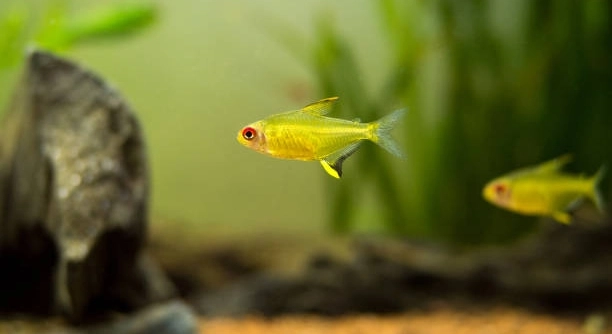
If you ever find yourself curious about the colorful world of aquarium fish, you might enjoy learning how lemon tetra respond to different shades, creating a simple and friendly introduction to their unique visual abilities.
Research shows lemon tetra have cone cells that allow them to perceive varied wavelengths of light. This capability supports accurate color discrimination, helping them identify important visual cues in their surroundings for effective navigation, social behavior, and feeding each day.
Further exploration reveals subtle details showing how color perception gently shapes their simple routines within a calm aquatic habitat setting.
Understanding Color Perception in Lemon Tetra
Learning how lemon tetra interpret colors can help you understand their simple needs a little better, especially if you spend time watching them move through gentle lighting in an aquarium. Their behavior often reflects how they respond to different shades, and this can shape how they interact with plants, tank mates, and food. When you notice them react more quickly to certain objects, it often shows how their eyes capture subtle contrasts. This awareness can guide you when choosing decor and feeding options, making their environment feel calmer and more welcoming. Even small changes in tank setup might influence how well they distinguish shapes and motion. Understanding these little details can build a sense of connection as you observe them day after day, noticing how their color perception influences their peaceful routines. These gentle observations help you appreciate their simple patterns without adding unnecessary stress to their calm habitat daily.
Lemon tetra rely on sensitive cone cells that interpret light variations, allowing them to recognize important visual cues with steady accuracy. Their ability to register contrast helps them react to movement, locate food, and maintain stable interactions within the tank in a simple and consistent way each passing quiet day.
Noticing how they respond to colors can guide your choices when shaping a comfortable space for them. Soft backgrounds, gentle lighting, and balanced plant arrangements often allow their visual abilities to work smoothly. Their reactions to colored objects can help you understand when something feels overwhelming or distracting. Small adjustments, like selecting calmer tones or reducing bold decorations, can create a more natural rhythm in the tank. When their environment supports clear perception, you may see more relaxed swimming patterns and steady feeding habits that reflect their comfort. These thoughtful choices can gently support their well being each new day.
Factors That Influence Their Color Recognition
Color recognition in lemon tetra depends on lighting strength, water clarity, background shades, and overall tank layout. These elements affect how effectively their eyes detect contrast and subtle variations. When conditions remain consistent, their responses become easier to interpret during daily care routines in a calm and steady tank setting.
Several conditions can shape how clearly lemon tetra distinguish colors, and paying attention to these details can help you maintain a stable environment. Light intensity influences how well their cone cells capture different wavelengths, so balanced illumination prevents harsh glare that may disrupt natural responses. Water quality also plays a role, since particles and cloudiness can interfere with clarity, reducing the contrast they rely on when navigating and reacting to movement. Background tones matter as well, because strong or overly bright colors may distract them from subtle cues. Soft, neutral decorations often allow their visual system to function without unnecessary strain. Plant density and placement further affect how they interpret shapes and motion, giving them areas to retreat when they need calm. Even feeding routines connect to color perception, since they often depend on contrast to locate food quickly. When each of these factors works together, the tank becomes a gentle space where their visual abilities remain steady and reliable throughout their daily patterns. Such careful attention creates a setting that supports natural behavior, allowing them to move with ease while responding to the soft shifts around them in ways that reflect comfort and stability each time you observe them.
How Lighting Conditions Shape Their Visual Responses
Lighting affects how clearly lemon tetra notice color changes, and steady illumination helps their eyes register contrast with less strain. Bright or uneven light can create sharp reflections that make it harder for them to react calmly to simple movements or objects in their space.
Balanced lighting allows their cone cells to interpret subtle shifts in shades without overwhelming them. When the tank has gentle, even brightness, they react with smoother swimming patterns and fewer sudden movements. Harsh beams or strong overhead lights may cause them to hide more often, since their eyes process glare poorly. Soft plant coverage, dimmable lights, and consistent schedules help them adjust comfortably. These choices support their natural instincts and give them a stable setting that matches their visual abilities.
Adjusting the light to suit their sensitivity can also influence how they locate food and interact with tank mates. When the brightness remains steady, they can identify contrasting shapes more easily, leading to calmer feeding and less confusion when multiple fish move through the same space. If the lighting becomes too intense, they may rely on quick darting motions rather than steady exploration. Providing shaded areas and avoiding strong color bulbs keeps their reactions balanced. These small adjustments create a comfortable rhythm that supports their simple daily behaviors.
How Tank Decor Influences Their Color Recognition
Decor choices affect how well lemon tetra detect shapes and patterns, especially when objects create gentle contrast instead of overwhelming their vision. Softer plant tones and natural textures help them track movement without added stress, forming a more comfortable layout for their easy routines.
Selecting decor with calm shades helps them respond to color differences at a steady pace. Bright or sharply patterned items can disrupt their ability to distinguish important cues, especially when they compete with light reflections across the tank. When decorations match the soft, neutral look of their preferred surroundings, their eyes can interpret motion more naturally. Plants, driftwood, and smooth stones create predictable shapes that support relaxed swimming. If objects are too bold, they may react more defensively or avoid certain areas. A thoughtful setup encourages smoother interactions and prevents them from becoming overstimulated. With the right choices, their visual responses remain gentle and consistent as they explore their environment.
How Feeding Habits Connect to Color Recognition
Feeding routines often depend on how well lemon tetra notice contrast, since they respond faster when food stands out against calm backgrounds. Their reactions feel smoother when the tank lighting and decor support clear visibility during regular feeding times.
Offering foods that create gentle contrast can help them locate each piece without confusion. Softer lighting and uncluttered areas allow them to track movement more easily, reducing rushed behavior while they search for small bites in the water.
How Stress Levels Affect Their Visual Clarity
Stress can influence how effectively lemon tetra interpret colors, especially when sudden changes in lighting or decor disrupt their usual patterns. A stable environment helps their eyes focus on subtle cues without overwhelming them. When conditions remain predictable, their responses to color shifts become steadier, making daily care more comfortable for both you and the fish. Gentle adjustments, consistent feeding schedules, and calm surroundings help maintain their visual clarity.
How Water Quality Shapes Their Color Perception
Clear, clean water makes it easier for lemon tetra to notice subtle color variations, giving them better visibility during simple daily activities in the tank. Ensuring regular maintenance supports their comfort and helps them react more naturally to the soft movements around them.
FAQ
Can lemon tetra see a full range of colors?
Lemon tetra can see a wide range of colors, but their perception focuses more on contrasts and simple differences in shades rather than a detailed spectrum. Their cone cells help them register various wavelengths, allowing them to notice important visual cues. Even though their abilities are not as refined as human vision, they still respond well to gentle differences in tone, especially when the tank environment supports clear visibility. Keeping lighting steady and avoiding overly bright decor helps them use their natural visual strengths during daily activities.
Do lighting changes affect how they recognize colors?
Lighting plays a major role in how lemon tetra interpret colors, since sudden shifts can disrupt their ability to notice subtle details. Soft, consistent lighting allows their eyes to pick up contrast without unnecessary strain. Bright, sharp beams or quick changes can overwhelm them, causing them to hide or react more nervously. When you maintain a stable lighting schedule, their color recognition stays more reliable. This helps them move calmly, feed with ease, and respond to motion at a steady pace throughout the day.
Does stress reduce their ability to perceive colors clearly?
Stress can affect how well they distinguish colors, especially when it disrupts their usual routines. When they experience sudden changes in decor, water conditions, or tank mates, their responses may become less steady. A calm, predictable environment helps their eyes process visual cues more effectively. Stable conditions also encourage smoother swimming and more relaxed behavior. Adjusting the tank slowly when needed can help keep their visual clarity consistent. Reducing stress supports not just their color recognition, but their overall comfort in the tank.
Can decor colors influence how they respond to their surroundings?
Decor has a noticeable effect on how lemon tetra interpret color differences. Calmer tones create softer contrasts that help them move comfortably from one area to another. Bright or sharply patterned objects may cause confusion or overstimulation. Natural decorations like plants, driftwood, and gentle stone shades give them predictable shapes to navigate. When decor supports their visual comfort, they react with smoother patterns and show more consistent behavior. This simple approach helps them remain at ease while exploring their space.
Does water clarity affect how they see color?
Clear water makes a significant difference in how effectively they recognize colors. When the water becomes cloudy or filled with particles, contrast becomes harder for them to detect. This can lead to rushed or hesitant behavior. Regular maintenance helps them interpret subtle shifts in their surroundings without added strain. Clean water supports both their color perception and their general well being. It also helps them locate food more easily and stay aware of gentle movements around them.
Do they rely on color recognition when feeding?
Color recognition supports their feeding routines by helping them notice movement and contrast. Foods that stand out gently against the background can make feeding more efficient. If lighting is too harsh or the decor is overly bold, they may struggle to locate food pieces. Creating a clear, calm feeding area helps them respond with steady movements. This reduces confusion and supports healthier eating habits.
Is their color vision helpful when interacting with other fish?
Their ability to notice contrasts helps them understand simple social cues. While they do not rely heavily on detailed color differences, they use visual signals to maintain group coordination. Calm lighting and natural decor help them read these cues without stress. Their responses become more predictable when the environment allows them to interpret movement clearly. This supports peaceful interactions and steady patterns within the group.
Final Thoughts
Caring for lemon tetra becomes easier when you understand how their simple visual abilities shape their daily routines. Their sensitivity to lighting, movement, and gentle contrasts influences how they behave throughout the day. When their environment supports clear perception, they swim with steadier patterns and show calmer responses to changes around them. This makes it easier for you to interpret their behavior without guessing. Creating a space that feels predictable helps them react naturally, and it also lets you enjoy watching them in a peaceful setting. Small adjustments can make a noticeable difference, especially when you pay attention to how they move and respond to different parts of the tank. Their quiet nature becomes more visible when they feel secure, and their subtle behavior can be appreciated more easily when they are not overwhelmed by harsh lights or strong colors.
Maintaining a stable habitat supports both their visual comfort and their general well being. Clean water allows them to detect soft color variations without confusion. Balanced lighting prevents glare that could disrupt their calm movements. Decor choices also shape how they interpret their surroundings, especially when softer tones and natural textures guide their responses. These small details help you create a setting that matches their needs. Over time, you may notice that gentle changes in the tank lead to more predictable behavior. When their space remains consistent, they tend to rely on steady swimming patterns and relaxed feeding habits. Their visual system works best in environments that avoid sudden shifts or unnecessary distractions. Paying attention to these factors not only supports their comfort but also helps you understand how they experience the space you create for them.
Observing them each day gives you a better sense of how they react to colors, lighting, and movement. Their ability to interpret contrast plays a part in feeding, social behavior, and exploration. When you watch their responses closely, you can adjust the tank in ways that encourage calm behavior and reduce stress. These small choices help them maintain clarity as they interact with their surroundings. Over time, you learn which adjustments support their comfort and which ones may overwhelm them. Lemon tetra depend on simple patterns, and meeting those needs allows them to show their natural behaviors more freely. By giving them a stable environment that supports their visual abilities, you create a space where they can thrive while maintaining their quiet, steady presence in your care.

Hello,
If you enjoy the content that we create, please consider saying a "Thank You!" by leaving a tip.
Every little bit helps us continue crafting quality advice that supports the health, happiness, and well-being of pets around the world, for pets of all shapes, sizes, and species.
We really appreciate the kindness and support that you show us!