
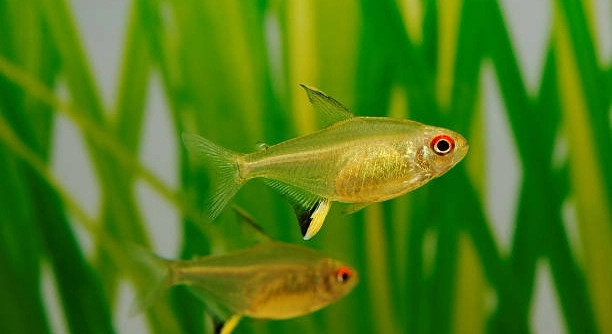
Do you enjoy keeping lemon tetras but occasionally notice sudden losses in your aquarium? These small, bright fish can sometimes die unexpectedly, leaving owners concerned and unsure about what caused the issue. Understanding potential factors is important.
Sudden death in lemon tetras is often caused by poor water quality, sudden temperature fluctuations, infections, inadequate diet, stress from overcrowding, incompatible tank mates, or improper acclimation procedures. Each factor can independently or collectively affect their survival.
Identifying the underlying causes is essential for maintaining a healthy environment. By learning these key factors, you can take proactive steps to protect your lemon tetras.
Poor Water Quality
Maintaining clean water is essential for lemon tetras. Even small amounts of ammonia or nitrites can stress their delicate systems and lead to sudden death. Filtration, regular water changes, and monitoring water parameters are critical. I have seen tanks with minor neglect result in unexpected losses, despite careful feeding and observation. Stress from poor water conditions weakens immune systems, making fish more prone to infections. Overfeeding can also worsen water quality by leaving excess food to decay. Testing for pH, hardness, and chlorine ensures a stable environment. Using a reliable water conditioner when refilling the tank helps protect the fish. Even when a tank appears clean, harmful compounds can accumulate unnoticed. Establishing a maintenance routine reduces risks significantly and keeps the environment safe for delicate species like lemon tetras.
Keeping water safe requires attention to detail and consistency. Testing weekly and performing partial changes prevents harmful buildup and protects fish health.
Regular water maintenance is not just about cleaning; it’s about creating a stable ecosystem. Each change, test, or adjustment contributes to longevity and vitality. Observing behavior and appearance daily allows early detection of stress signs. Minor changes can prevent sudden deaths and improve overall health. A balanced tank with proper filtration, aeration, and plant coverage creates a stable environment. Lemon tetras thrive in well-oxygenated water with consistent temperatures and low toxins. Overcrowding increases waste and stress, so keeping appropriate numbers is essential. By committing to routine care, you minimize risk factors and ensure your tetras remain active and colorful. Proper care also supports breeding if desired. Ultimately, attention to water quality protects your investment and enhances the enjoyment of observing these lively fish in a flourishing habitat.
Sudden Temperature Changes
Sudden shifts in temperature shock lemon tetras, causing stress and immune suppression. Even a few degrees can have a serious impact. Maintaining a stable, appropriate temperature is vital to their survival.
Temperature fluctuations increase stress and susceptibility to disease. Sudden cold or hot water can trigger rapid health decline.
Lemon tetras are sensitive to their environment. Rapid temperature changes, such as introducing tap water without proper conditioning or turning off heaters, can lead to death. Seasonal variations in room temperature may also affect the tank. Using a reliable heater and thermometer helps maintain steady conditions. Gradual acclimation when introducing new water or fish prevents shock. Stress from temperature swings makes fish more vulnerable to infections, reducing their chances of survival. Consistency is key. Observing how fish respond to changes allows timely adjustments. Even small efforts, like monitoring the room temperature near the aquarium, can make a big difference. Over time, these precautions create a safer and more stable environment, helping lemon tetras remain healthy, active, and vibrant in your care.
Infections and Disease
Bacterial, fungal, and parasitic infections can quickly kill lemon tetras. Poor water quality or stress often triggers these diseases. Early detection and treatment are essential to prevent sudden deaths.
Infections can spread rapidly in small tanks. Symptoms like faded color, clamped fins, or unusual swimming indicate illness. Quarantining new fish and avoiding overcrowding reduces risk. I have noticed that even minor injuries can become entry points for bacteria, making timely care crucial. Medication should be used carefully, following instructions to prevent further stress. Maintaining cleanliness and observing behavior daily allows for early intervention. Fish with strong immune systems handle minor pathogens better.
Prevention is easier than treatment. Regular water testing, balanced diet, and gentle handling reduce stress and keep immune systems strong. Keeping tanks clean and removing uneaten food limits bacteria growth. Isolation of sick fish prevents disease from spreading to healthy individuals. Even small precautions like disinfecting equipment and avoiding rapid water changes make a noticeable difference. Consistent care supports long-term health and prevents unnecessary losses, creating a safe environment for lemon tetras to thrive.
Inadequate Diet
A poor diet weakens lemon tetras, making them prone to illness and sudden death. Feeding variety and proper nutrition is essential for vitality and longevity.
Lemon tetras need a balanced diet of high-quality flakes, frozen or live foods. Relying on one type can lead to nutritional deficiencies. I have found that small daily portions work better than occasional large feedings. Overfeeding increases waste, while underfeeding reduces energy and immunity. Supplements like brine shrimp or daphnia provide essential proteins and nutrients. Observing how fish respond to new foods ensures they receive adequate nutrition. A consistent feeding routine helps maintain health and prevents sudden mortality.
Nutrition directly impacts immune response and overall health. Poor feeding leads to weakness, dull colors, and susceptibility to infections. Variety keeps them active and vibrant while providing essential vitamins and minerals. Using quality foods reduces digestive issues and prevents water contamination. Even minor adjustments, like rotating frozen and live foods, improve resilience. Adequate nutrition supports growth, energy, and reproduction, contributing to a stable and healthy aquarium. Proper feeding practices also prevent behavior issues linked to stress or competition, ensuring a harmonious tank environment.
Overcrowding
Too many lemon tetras in one tank increases stress and competition for food. Overcrowding can lead to aggressive behavior and poor water quality, both of which contribute to sudden deaths.
Maintaining proper stocking levels is essential. I have noticed smaller tanks suffer the most when overpopulated. Adequate space allows natural swimming patterns and reduces stress-related illnesses.
Incompatible Tank Mates
Aggressive or larger fish can harm lemon tetras, causing injuries or stress that may lead to sudden death. Choosing peaceful companions is crucial.
Lemon tetras are small and peaceful. Tank mates that chase or nip them increase stress and weaken immunity. I once observed a small tetra constantly harassed by a larger species, resulting in rapid decline. Careful selection based on temperament and size ensures harmony. Including plants and hiding spots further protects them, giving the tetras space to feel safe and thrive.
Improper Acclimation
Sudden introduction to a new tank without proper acclimation can shock lemon tetras. Gradual adjustment is necessary to prevent stress and death.
Adding new fish slowly allows them to adapt to temperature, pH, and water chemistry differences. I always float the bag first, then slowly mix tank water over an hour. This step reduces shock and improves survival rates, especially in sensitive species like lemon tetras.
Why did my lemon tetra die suddenly without any warning?
Sudden death in lemon tetras is usually linked to stress, water quality issues, or infections. Even if your tank appears clean, harmful chemicals can accumulate unnoticed. I have seen perfectly healthy fish die quickly after minor changes in temperature or water parameters, showing how delicate they can be. Maintaining stable conditions, proper diet, and regular observation helps prevent unexpected losses.
How can I tell if my lemon tetra is stressed before it dies?
Signs of stress include clamped fins, faded colors, erratic swimming, or hiding excessively. Fish may also stop eating or float near the surface. I pay close attention to subtle changes because early detection allows corrective action. Stress often weakens their immune system, making them more vulnerable to infections. Providing hiding spots, stable water conditions, and gentle handling reduces stress.
Can water quality alone cause sudden death in lemon tetras?
Yes, poor water quality is one of the most common causes of sudden death. High levels of ammonia, nitrites, or nitrates are toxic even in small amounts. I regularly test my tanks for pH, hardness, and toxins to ensure safety. Filtration, frequent water changes, and avoiding overfeeding prevent harmful chemical buildup. Lemon tetras thrive in clean, stable water.
What is the best way to prevent disease in my lemon tetras?
Prevention starts with proper quarantine for new fish and regular tank maintenance. Avoid overcrowding, overfeeding, and sudden environmental changes. I have found that observing behavior and appearance daily helps catch early signs of illness. Providing a balanced diet and keeping tanks clean minimizes the risk of bacterial, fungal, or parasitic infections. Early treatment is key to survival.
Do lemon tetras need a specific diet to stay healthy?
Yes, a varied diet keeps them strong and reduces mortality risk. High-quality flakes, frozen or live foods, and occasional supplements like brine shrimp provide necessary nutrients. I rotate foods to ensure balanced nutrition. Feeding small portions multiple times a day prevents overfeeding and maintains water quality. Nutrition directly impacts immunity and vitality.
How important is tank mate selection for lemon tetras?
Tank mates are very important. Aggressive or larger species can stress or injure lemon tetras, leading to sudden death. I choose peaceful, similarly sized fish and add plants or decorations for hiding spots. Proper compatibility reduces stress and supports a harmonious tank, ensuring the tetras remain active and healthy.
Can temperature changes really kill lemon tetras?
Yes, even minor shifts in temperature can be fatal. Lemon tetras are sensitive to sudden hot or cold water. I always use a heater and thermometer to maintain stability. Gradual acclimation to new water or environmental changes prevents shock and keeps fish healthy. Consistency is critical for their survival.
How do I acclimate new lemon tetras properly?
Float the bag in the tank for 15–20 minutes to equalize temperature. Slowly add small amounts of tank water to the bag over an hour. I have seen fish survive only when given enough time to adjust. This step reduces shock from pH, temperature, or chemical differences and increases survival rates.
Is overcrowding a serious problem for lemon tetras?
Yes, overcrowding increases stress, reduces oxygen, and worsens water quality. I keep tanks appropriately stocked to allow swimming space and reduce aggression. Smaller tanks are particularly sensitive to population density. Proper space ensures healthier fish and lowers the risk of sudden death.
What is the quickest way to recover a stressed or sick lemon tetra?
Immediate actions include isolating the fish, checking water parameters, and adjusting diet or environment. I often perform a partial water change and observe closely for signs of infection. Early intervention, proper treatment, and reducing stressors provide the best chance for recovery and long-term health.
Can lemon tetras survive if one dies suddenly?
Yes, other fish can survive if the cause is addressed promptly. I remove the deceased fish, test water quality, and monitor remaining fish for stress or illness. Ensuring stable conditions, proper diet, and minimal stress reduces the chance of further deaths. Immediate corrective action is essential.
How can I make my tank safer for lemon tetras long-term?
Consistent maintenance, stable temperature, clean water, proper diet, compatible tank mates, and careful observation create a safe environment. I keep records of water tests and feeding schedules to track trends. Preventive measures, not just treatment, make a lasting difference in the health and longevity of lemon tetras.
Can stress from handling really affect lemon tetras?
Yes, rough or frequent handling weakens their immune system. I avoid unnecessary netting and disturbance. Gentle, minimal interaction reduces stress and prevents vulnerability to infections or sudden death. Creating a calm environment is just as important as water quality or diet.
Are there signs that a lemon tetra might recover from illness?
Improvement in color, active swimming, and consistent appetite usually indicate recovery. I look for these signs when adjusting treatment or environmental conditions. Early response to illness, coupled with stress reduction and proper care, increases the likelihood of survival and prevents repeated losses.
Does tank decoration influence lemon tetra health?
Yes, plants and hiding spots reduce stress and aggression. I include sufficient cover for each fish, allowing natural behavior and safety. A well-structured environment lowers mortality risk and promotes a more peaceful, active tank community.
How often should I monitor water parameters for lemon tetras?
Weekly testing for ammonia, nitrites, nitrates, and pH is ideal. I also observe temperature daily. Consistent monitoring allows early detection of issues and prevents sudden deaths. Stable water parameters are the foundation of a healthy tank.
Can lemon tetras die from a sudden diet change?
Yes, abrupt changes can stress their digestive system. I introduce new foods gradually while observing reactions. Consistent, varied, and balanced feeding prevents digestive upset and maintains strong immunity. Gradual changes help maintain overall health.
Is it necessary to quarantine all new fish?
Quarantining is essential to prevent disease spread. I keep new arrivals separate for at least two weeks while monitoring health. This step protects the main tank and reduces the risk of sudden deaths caused by infections or parasites.
Can environmental noise or vibration harm lemon tetras?
Yes, frequent vibrations or loud disturbances increase stress and weaken immunity. I position tanks away from heavy foot traffic, appliances, or constant tapping. Minimizing disturbances improves health and reduces the chance of sudden death.
How long do lemon tetras usually live with proper care?
With consistent care, lemon tetras live up to five years. I have observed longevity in stable tanks with clean water, proper diet, and minimal stress. Attention to daily behavior and water quality maximizes lifespan and keeps the fish vibrant.
What are the most common preventable causes of sudden death?
Poor water quality, stress from overcrowding or aggressive tank mates, improper acclimation, infections, and inadequate diet are preventable with careful management. I focus on these areas to minimize losses. Regular observation, consistent care, and preventive measures significantly reduce sudden mortality risk.
Caring for lemon tetras requires attention to detail and consistency. These small, delicate fish are highly sensitive to changes in their environment, which can sometimes lead to sudden death. Maintaining stable water quality is one of the most important factors in keeping them healthy. Regular testing for ammonia, nitrites, nitrates, and pH, along with frequent partial water changes, helps prevent harmful chemical buildup. Temperature stability is equally important, as sudden fluctuations can shock their systems. A reliable heater and thermometer ensure consistent conditions, while careful acclimation of new fish reduces the risk of stress-related deaths. Even minor improvements, such as avoiding overcrowding and adding hiding spaces, contribute to creating a safer, more stable environment for lemon tetras.
Diet plays a major role in the overall health of lemon tetras. Providing a varied, balanced diet that includes high-quality flakes, frozen or live foods, and occasional supplements helps maintain strong immune systems. Overfeeding should be avoided, as excess food can decay and worsen water quality. Observing the fish for changes in appetite or appearance allows early detection of nutritional deficiencies or illness. Stress reduction is another key element in preventing sudden deaths. Aggressive or incompatible tank mates, frequent disturbances, and rough handling can weaken the fish over time. Creating a calm, peaceful environment supports their natural behavior and helps them thrive. Even small measures, such as arranging plants or decorations for hiding spots, can make a significant difference in reducing stress levels.
Prevention is always easier than treatment. While infections and diseases can occur despite careful care, proactive measures significantly reduce their likelihood. Quarantining new fish, maintaining proper water conditions, observing daily behavior, and feeding a balanced diet all help minimize risks. Lemon tetras can live several years with the right care, but they depend on a stable and well-managed habitat. Consistency in maintenance, monitoring, and feeding routines ensures they remain active, vibrant, and healthy. Paying attention to small details, like gradual acclimation or spacing within the tank, supports their long-term well-being. By focusing on these key aspects, sudden deaths can be minimized, allowing lemon tetras to flourish and remain a rewarding addition to any aquarium.

Hello,
If you enjoy the content that we create, please consider saying a "Thank You!" by leaving a tip.
Every little bit helps us continue crafting quality advice that supports the health, happiness, and well-being of pets around the world, for pets of all shapes, sizes, and species.
We really appreciate the kindness and support that you show us!