
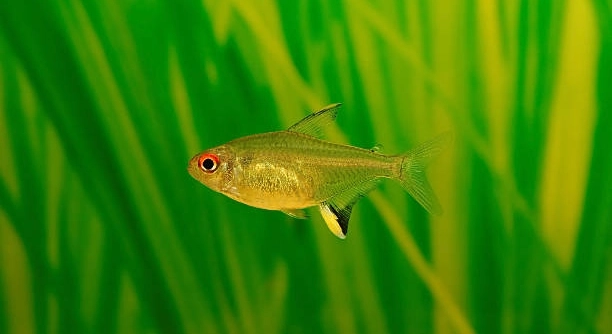
Are your Lemon Tetra swimming patterns puzzling you during different times of the day? Observing these small fish can reveal subtle behaviors, especially regarding their activity levels when lights are on or off in their aquarium.
Lemon Tetra are generally more active in dim or dark conditions compared to bright light. They exhibit increased swimming and schooling behavior at night, reflecting their natural tendencies to move cautiously under low visibility while reducing stress from strong illumination.
Understanding these patterns can help you create a comfortable environment for your fish and support their natural behaviors in captivity.
How Light Affects Lemon Tetra Activity
Lemon Tetra are naturally sensitive to light, and their behavior changes depending on illumination. In bright lighting, they tend to stay closer to plants or shaded areas, moving slowly and cautiously. When lights are off, they explore the entire tank more freely, swimming in small groups and interacting more actively with their environment. Observing these changes is important for maintaining a healthy tank. Overexposure to strong light can stress the fish, leading to reduced activity and hiding behavior. Adjusting the light gradually, rather than sudden changes, helps them adapt. Providing shaded areas and floating plants can simulate natural conditions, encouraging natural movement patterns. Monitoring their reactions over several days gives a clearer picture of their preferences. Noticing when they are most active allows you to plan feeding and maintenance times to minimize stress. Overall, understanding their light sensitivity is key to creating a balanced and stimulating environment that promotes healthy activity levels.
Managing light levels carefully ensures your Lemon Tetra stay comfortable and active, supporting both health and natural behavior.
Keeping lights consistent while offering shaded areas allows the fish to regulate activity naturally, reflecting their instincts from the wild.
Adjusting Tank Environment for Night Activity
Nighttime activity is higher when the tank environment mimics natural conditions. Lemon Tetra respond well to dim lighting or a gradual transition to darkness.
Creating a natural environment involves adding plants, hiding spots, and gentle water movement. They feel secure with floating plants and low decorations, allowing exploration while staying protected. Nighttime feeding with minimal disturbance supports their active period without causing stress. Observing their patterns over multiple nights helps identify their peak activity periods. Water temperature and tank mates also influence movement; stable temperatures encourage normal swimming, while compatible fish reduce stress. By controlling these factors, the fish exhibit healthy behaviors, including schooling, foraging, and playful swimming. Adjusting light cycles and providing shaded zones gives them freedom while maintaining comfort. Understanding these small changes creates a tank where Lemon Tetra thrive during both light and dark periods. Properly managing nighttime conditions ensures they remain lively, healthy, and show natural tendencies in your aquarium environment.
Feeding Patterns and Light
Lemon Tetra are more likely to eat actively during dim lighting or when lights are off. Sudden bright light can make them cautious, reducing feeding behavior and causing temporary hiding.
Feeding in low light encourages natural foraging. They explore the tank more freely, picking at floating or sinking food without hesitation. Timing meals to coincide with lower lighting helps them establish a routine. Over time, you notice they swim confidently toward food, even in partially illuminated areas. Observing how quickly they respond during these periods can guide portion sizes and feeding frequency. Consistent feeding under preferred conditions improves health and energy. Small adjustments to light during feeding can make a significant difference in activity and appetite.
Nighttime or dim feeding can prevent stress caused by bright lights. Using floating food or sprinkling flakes encourages natural swimming patterns and social interactions. This approach reduces competition and ensures all fish receive adequate nutrition while supporting active nighttime behavior.
Tank Setup Considerations
A well-structured tank with plants and hiding spots allows Lemon Tetra to move confidently. Open spaces combined with shaded areas balance exploration and security.
Adding floating plants, driftwood, and small caves provides cover and simulates natural habitat. These elements reduce stress during bright light and encourage nighttime swimming. Placement of decorations should create zones for both resting and active movement. Minimal water disturbance maintains calm conditions while encouraging schooling. Observing fish reactions helps identify preferred spots for light and shade. Regular cleaning and careful arrangement prevent overcrowding while keeping activity high. Adjusting these features gradually allows fish to adapt naturally without sudden stress, improving overall behavior and health. Properly structured tanks support both active and resting periods, maintaining consistent movement patterns.
Light Transition Strategies
Gradually dimming the aquarium light helps Lemon Tetra adjust without sudden stress. Abrupt changes can cause hiding or erratic swimming.
Using a timer for consistent light cycles allows fish to anticipate day and night. A slow transition improves comfort and encourages natural activity patterns, reducing stress.
Observing Behavior at Night
Tracking swimming patterns during dark periods shows increased activity, schooling, and exploration. Fish move more freely when they feel secure and unexposed to bright light. Observations help determine ideal light schedules and feeding times, supporting healthier behavior and a balanced tank environment.
Minimizing Stress Factors
Strong currents and sudden noise can discourage nighttime activity. Gentle water flow and minimal disturbance help maintain natural movement and calm behavior.
FAQ
Do Lemon Tetra sleep at night?
Lemon Tetra do rest during dark periods, though they don’t sleep like mammals. They slow their movements, hover near plants or shaded areas, and reduce activity. Resting helps them conserve energy and maintain health, especially if the tank lighting is strong during the day.
Why are my Lemon Tetra more active when lights are off?
They feel safer under low light, which mimics natural conditions. Bright light can make them cautious, so turning off lights allows them to explore, school, and interact without stress. This behavior is natural and indicates comfort in their environment.
Should I feed Lemon Tetra at night?
Feeding in dim light or shortly before turning lights off works best. They forage more naturally under low light, which encourages normal movement and reduces hiding. Small, frequent meals ensure all fish get enough food without overfeeding.
How can I create a low-stress environment for night activity?
Add floating plants, driftwood, or small caves to create shaded areas. Gentle water flow and a consistent light schedule reduce stress. Avoid sudden noises or abrupt light changes, as these disrupt natural behavior and limit nighttime activity.
Can Lemon Tetra become stressed from too much light?
Yes, excessive light causes hiding, reduced swimming, and erratic behavior. Providing shaded areas, controlling light duration, and using a timer for gradual transitions helps them feel secure and active. Observing behavior regularly ensures their environment supports natural habits.
Do tank mates affect their nighttime activity?
Tank mates influence behavior. Aggressive or fast-moving species can stress Lemon Tetra, limiting activity. Choosing peaceful companions and maintaining adequate space allows schooling, swimming, and feeding patterns to continue naturally during low light.
Is schooling behavior stronger at night?
Yes, under dim light or darkness, Lemon Tetra group together more closely. This behavior is protective and helps them explore safely. Schooling also strengthens social bonds and encourages natural movement patterns, which is a sign of healthy, comfortable fish.
How long should the lights be off for active nighttime behavior?
A standard cycle of 8–10 hours of darkness is sufficient for night activity while keeping overall health in check. Consistency is more important than duration, as sudden changes in lighting can create stress and disrupt routines.
Does water temperature influence night activity?
Stable, slightly warm water encourages swimming and exploration. Rapid temperature changes or excessively cold water slow movement, making the fish less active even in darkness. Maintaining a steady range supports both daytime and nighttime behavior.
Are there signs that Lemon Tetra are uncomfortable at night?
Hiding excessively, staying near the bottom, or refusing food during dim periods indicates discomfort. Adjusting light levels, decorations, and feeding schedules helps them regain confidence and natural nighttime activity. Consistent observation ensures they remain healthy and stress-free.
Can light timers improve their behavior?
Yes, timers create predictable light cycles, reducing stress and encouraging regular movement patterns. Gradual dimming simulates natural sunset, promoting active behavior in low light while maintaining a structured environment for feeding and rest.
Do Lemon Tetra interact differently under dim light?
Under low light, they explore more, interact with each other, and swim confidently. Reduced fear of exposure encourages natural behaviors, including schooling, foraging, and gentle play. Observing these interactions helps identify preferred tank zones and optimize decoration placement for comfort.
Should I adjust decorations for nighttime activity?
Yes, providing shaded areas and safe hiding spots encourages active exploration. Floating plants, driftwood, and small caves help them feel secure and promote natural movement during night hours, improving overall health and well-being.
How can I monitor their nighttime behavior without disturbing them?
Use dim, indirect lighting or infrared cameras if needed. Avoid tapping the glass or turning lights on abruptly. Observing quietly allows you to track activity, schooling, and feeding habits without causing stress, giving insight into their natural nighttime routines.
What is the relationship between feeding, light, and activity?
Feeding during dim periods encourages movement, foraging, and social behavior. Bright light can suppress appetite and activity. Adjusting light and feeding schedules together ensures they remain healthy, active, and comfortable in their tank environment.
Can too much nighttime activity be harmful?
Moderate activity at night is natural and healthy. Excessive restlessness may indicate stress from tank mates, water conditions, or inconsistent lighting. Monitoring behavior and maintaining proper tank conditions prevents undue strain while supporting natural swimming patterns.
How do I balance day and night activity?
Maintain consistent lighting cycles, provide shaded areas, and feed at times that encourage natural foraging. Observing responses to these conditions ensures they remain active when appropriate and rest comfortably during dark periods, creating a balanced routine.
Are there signs of improved health linked to night activity?
Active swimming, regular schooling, consistent feeding, and exploration during low light indicate comfort and well-being. Reduced hiding and steady movement show they are adapting well to tank conditions and light cycles, reflecting overall health.
Can changing tank placement affect activity?
Yes, moving the tank or changing surrounding light levels can cause stress. Consistent placement, gradual changes in decoration, and stable ambient conditions support confidence and encourage natural nighttime activity patterns.
Do Lemon Tetra need complete darkness to be active?
Complete darkness is not required. Dim or diffused lighting is sufficient to trigger natural movement and exploration. Providing shaded areas while keeping the tank partially illuminated helps them feel secure and encourages healthy activity levels.
Final Thoughts
Lemon Tetra are naturally sensitive to light, and their activity patterns reflect this sensitivity. Observing their behavior shows that they are generally more active under dim lighting or in darkness. During the day, bright light can cause them to hide or move cautiously, often staying near plants or shaded areas. At night or under low light, they swim more freely, explore their tank, and interact closely with other fish. This behavior is a normal response to their environment, helping them feel secure while maintaining natural instincts. Recognizing these patterns is important for creating an aquarium that supports both their physical and emotional well-being. Adjusting lighting gradually, rather than making sudden changes, allows Lemon Tetra to adapt without stress, encouraging healthy swimming, schooling, and foraging habits.
Tank setup also plays a major role in supporting their activity. Providing plants, floating decorations, driftwood, and small hiding spaces gives them zones where they can rest during bright periods and feel secure during nighttime exploration. Open spaces combined with shaded areas create a balance between freedom of movement and protection. Gentle water flow, stable temperatures, and peaceful tank mates further enhance comfort, allowing them to exhibit natural behaviors consistently. Feeding practices also influence activity, with meals offered during low light encouraging foraging and social interaction. Small, regular portions help ensure all fish eat without competition, while supporting active swimming and schooling. Monitoring responses to these environmental adjustments helps maintain a stable routine and reduces stress, which is essential for long-term health and vitality.
Understanding Lemon Tetra behavior requires patience and observation. By paying attention to light preferences, feeding habits, and nighttime activity, you can create an environment that closely mimics natural conditions. Consistent lighting schedules, shaded areas, appropriate tank decorations, and calm surroundings contribute to healthier, more active fish. Nighttime activity is not only a reflection of comfort but also an indicator of overall well-being, showing that they feel safe and supported in their environment. Maintaining these conditions helps prevent stress, encourages natural behavior, and promotes longevity. With careful observation and thoughtful adjustments, Lemon Tetra can thrive, displaying their lively and social nature throughout both day and night. A well-managed tank ensures they remain healthy, active, and confident in their aquatic home.

Hello,
If you enjoy the content that we create, please consider saying a "Thank You!" by leaving a tip.
Every little bit helps us continue crafting quality advice that supports the health, happiness, and well-being of pets around the world, for pets of all shapes, sizes, and species.
We really appreciate the kindness and support that you show us!