
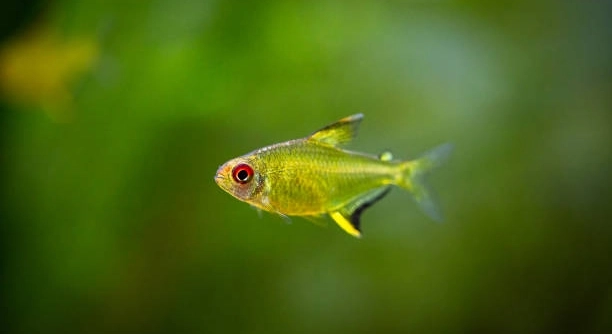
Have you ever noticed your lemon tetra swimming differently and wondered what it might mean for your tank water? These small, bright fish seem delicate but can be surprisingly sensitive to changes in their environment. Their behavior can reveal important clues about water quality and overall tank health.
Lemon tetras can detect certain water pollutants through changes in their behavior and health. Studies indicate that exposure to contaminants like heavy metals or chemical residues can cause stress responses, altered swimming patterns, and visible physical changes in these fish.
Observing their reactions carefully can provide insights into water quality issues and help maintain a safer, healthier environment for all aquatic life.
How Lemon Tetras Show Signs of Pollutants
Lemon tetras are small but very perceptive to changes in their water. When pollutants like chemicals, heavy metals, or excess waste enter their tank, these fish often show visible signs of stress. Their swimming may become erratic, or they might cling to one area instead of exploring. Some tetras may even hide more than usual or lose their usual bright coloration. Changes in appetite are also common, as stressed fish often eat less or ignore food entirely. By paying attention to these subtle changes, aquarists can identify water quality problems early. Even minor pollutants can affect their delicate systems, making observation essential. Keeping the tank clean, testing water regularly, and understanding these behaviors can prevent serious health issues and keep the lemon tetras thriving in a safe environment.
Behavioral and physical changes in lemon tetras are often reliable indicators of pollutants in their water.
Careful observation combined with regular testing helps ensure the tank remains safe and supportive for all aquatic life. Observing their patterns over time makes it easier to notice when something is off.
Common Pollutants Affecting Lemon Tetras
Nitrites, nitrates, and chlorine are the most common pollutants found in aquariums that can impact lemon tetras.
High levels of these chemicals can cause serious stress and weaken their immune system. Prolonged exposure may lead to illness or even death. Monitoring water regularly is crucial to maintain safe conditions.
Household tap water often contains chlorine or chloramines that are harmful to fish. Uneaten food and fish waste contribute to nitrate buildup, which can slowly poison the tank environment. Heavy metals from pipes or decorations may also accumulate, subtly affecting fish over time. Observing lemon tetras’ behavior can reveal early warning signs like sluggishness, clamped fins, or sudden darting. Maintaining a consistent cleaning routine, using water conditioners, and testing water parameters ensures their habitat stays safe. Even small amounts of pollutants can have lasting effects on these sensitive fish, so being proactive is essential. By combining observation with proper tank care, it is possible to create a stable, healthy environment where lemon tetras can thrive, display natural colors, and remain active and happy.
Signs of Stress in Lemon Tetras
Lemon tetras often show stress through unusual swimming patterns, hiding, or loss of color. Their fins may clench, and appetite can decrease. Stress is usually linked to water quality problems, overpopulation, or sudden environmental changes in the tank.
Stress in lemon tetras is not always obvious at first. They may swim slower than usual or avoid their normal spots. Some may isolate themselves or stop interacting with other fish. Over time, chronic stress can lead to health problems like weakened immunity or infections. Noticing subtle signs early allows aquarists to adjust water conditions, reduce toxins, and create a more stable environment. Observing their daily behavior can help catch issues before they become severe.
Environmental stressors like temperature fluctuations, chemical exposure, and overcrowding can amplify negative effects. Lemon tetras respond quickly, and sustained stress may cause lasting damage. Acting fast to correct the tank conditions can prevent illness, improve overall health, and maintain their natural bright colors. Consistency in care is key to keeping them happy and active.
How to Monitor Water Quality
Regular testing of pH, nitrates, and ammonia is essential for lemon tetras’ health. Small changes can indicate pollution or imbalance in the tank.
Testing water weekly helps detect harmful chemicals before they impact fish. Observation combined with measurements allows timely adjustments, like partial water changes or filtration improvements.
Keeping a log of water conditions and fish behavior provides clear trends over time. Using simple test kits ensures accuracy, while noting sudden changes in swimming or eating habits signals possible issues. Filters should be cleaned, and tanks partially changed regularly to maintain stable water parameters. Combining careful observation with testing helps prevent stress, illness, and long-term damage, giving lemon tetras a healthy, balanced environment to thrive.
Preventing Water Pollution
Using a good filtration system helps keep lemon tetras safe from pollutants. Regular water changes reduce waste buildup and maintain healthy water conditions.
Avoid overfeeding, as leftover food can decompose and raise harmful chemicals. Keeping the tank clean prevents stress and illness in your fish.
Natural Indicators in Behavior
Lemon tetras naturally respond to poor water quality by changing their swimming or schooling patterns. They may swim closer to the surface or cluster in certain areas when water conditions are unfavorable. Watching these behaviors helps identify issues quickly.
Choosing Safe Tank Materials
Avoid decorations or substrates that can leach harmful substances. Smooth, inert materials like glass, ceramic, or treated plastics are safest.
Checking labels and rinsing new items before placing them in the tank ensures no hidden pollutants affect the water quality for your lemon tetras.
FAQ
How do lemon tetras react to polluted water?
Lemon tetras show stress through changes in behavior and appearance. They may swim erratically, hide more often, or stay near the surface. Their color can fade, and fins may appear clamped. Reduced appetite is another common sign. Observing these behaviors can help detect water problems early.
What types of pollutants are harmful to lemon tetras?
Common pollutants include ammonia, nitrites, nitrates, chlorine, heavy metals, and chemical residues. Ammonia and nitrites are toxic even in small amounts, while high nitrates over time can weaken the fish. Chlorine from tap water and metals from decorations or pipes can also negatively affect their health.
Can lemon tetras survive mild pollution?
Short-term exposure to low pollutant levels may not be fatal, but it causes stress and weakens their immune system. Stress makes them more susceptible to disease and infections. Consistent observation and water changes are necessary to prevent long-term damage and ensure their well-being.
How often should I test my tank water?
Testing at least once a week is recommended, especially for ammonia, nitrites, nitrates, and pH levels. Sudden changes in behavior or swimming patterns should prompt immediate testing. Keeping a record of readings helps spot trends and prevent problems before they worsen.
Are lemon tetras sensitive to temperature changes?
Yes, temperature fluctuations can stress lemon tetras. They thrive in stable conditions between 72–79°F (22–26°C). Sudden drops or spikes can lead to sluggish swimming, hiding, or appetite loss. Using a reliable heater and thermometer helps maintain consistent water temperature.
How do I remove pollutants safely?
Performing partial water changes, cleaning the filter, and removing uneaten food are the safest ways. Using water conditioners neutralizes chlorine and chloramines. Avoid harsh chemicals, as these can harm the fish further. Frequent observation ensures adjustments are effective.
Do decorations and plants affect water quality?
Some materials can leach harmful substances. Inert materials like glass, ceramic, and treated plastics are safest. Live plants help absorb nitrates and improve water quality but should be monitored for decay. Rinse new items thoroughly before adding them to the tank.
Can I rely solely on lemon tetra behavior to detect pollution?
Behavior is an important indicator but should be combined with water testing. Stress can be caused by factors other than pollution, such as overcrowding or disease. Testing water provides precise information to confirm issues and guide corrections.
How quickly do lemon tetras show signs of poor water?
Responses vary depending on pollutant type and concentration. High ammonia or nitrites can cause immediate stress within hours, while nitrate buildup shows effects gradually over days. Regular observation helps catch early warning signs before serious damage occurs.
What preventive measures keep lemon tetras safe?
Routine water changes, proper feeding, careful selection of decorations, and consistent monitoring are key. Maintaining a clean, stable environment prevents stress and keeps fish active and healthy. Paying attention to behavior and water quality ensures a long, vibrant life for lemon tetras.
How can I improve water quality naturally?
Adding live plants, avoiding overfeeding, and maintaining a balanced tank population help. Plants absorb excess nutrients, and a properly stocked tank reduces waste accumulation. Observing fish behavior alongside water parameters ensures natural methods are effective and safe.
Do lemon tetras need a quarantine period for new water or fish?
Yes, quarantining new fish or plants prevents the introduction of pollutants or disease. This reduces stress on existing fish and keeps the water stable. It also allows careful observation before adding anything to the main tank.
Can stress from pollution be reversed?
If identified early, stress can be reduced by improving water quality, performing partial water changes, and adjusting feeding. Fish regain color and activity once the environment stabilizes. Chronic exposure may have lasting effects, so early action is crucial.
Is tank size important for pollution management?
A larger tank dilutes pollutants more effectively and provides stable conditions. Overcrowding increases waste, leading to higher chemical buildup. Maintaining proper stocking levels helps lemon tetras remain healthy and reduces stress from environmental changes.
How do I balance keeping the tank clean without overdoing it?
Regular partial water changes and filter maintenance are sufficient. Over-cleaning can remove beneficial bacteria, destabilizing the tank. Observing fish behavior and water parameters helps determine the right balance between cleanliness and natural stability.
Lemon tetras are small fish, but they are very sensitive to their environment. Their health depends largely on the quality of the water they live in. Poor water conditions can quickly cause stress, illness, or even death. Observing their behavior carefully can give early warning signs of trouble. Changes like hiding, fading color, clamped fins, or reduced appetite often mean something is off in the tank. These behaviors are simple to notice if you spend time watching your fish regularly. Even small adjustments in care, like testing water or doing a partial water change, can make a big difference in their health and comfort.
Maintaining stable and clean water is key for lemon tetras to thrive. Pollutants such as ammonia, nitrites, nitrates, chlorine, and heavy metals are harmful even in small amounts. Avoid overfeeding, remove leftover food, and keep the tank clean. Using safe decorations and rinsing new items before adding them to the tank can prevent harmful chemicals from entering the water. Live plants can help naturally improve water quality by absorbing excess nutrients, and a properly filtered tank keeps toxins under control. Regular testing of pH, ammonia, nitrites, and nitrates ensures the water is safe and balanced for your fish. Combining careful observation with consistent maintenance allows lemon tetras to remain healthy and active.
By paying attention to the small details, you can create a stable and safe environment for your lemon tetras. Their behavior serves as a natural indicator of water quality, but monitoring water parameters is just as important. A tank with clean water, proper filtration, and safe materials helps reduce stress and supports long-term health. Partial water changes, careful feeding, and attention to fish activity are all practical ways to maintain a healthy tank. Lemon tetras may be small, but they respond strongly to their surroundings, so careful care ensures they remain vibrant, active, and healthy. Taking these steps consistently creates a positive environment where your fish can flourish, and it helps prevent problems before they become serious. Observing, testing, and adjusting as needed forms the foundation of good fish care.

Hello,
If you enjoy the content that we create, please consider saying a "Thank You!" by leaving a tip.
Every little bit helps us continue crafting quality advice that supports the health, happiness, and well-being of pets around the world, for pets of all shapes, sizes, and species.
We really appreciate the kindness and support that you show us!