
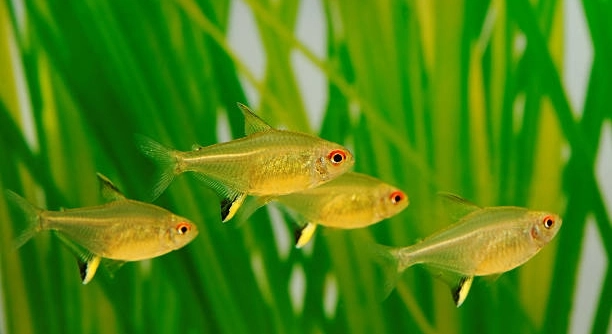
Have you ever noticed your lemon tetra flaring their fins in calm moments, adding flashes that catch your eye and make the aquarium feel lively while leaving you unsure about the cause behind this behavior
Lemon tetra typically flare their fins in response to social hierarchy, territorial signaling, or minor environmental stress. This behavior functions as a communication method that helps establish dominance, maintain appropriate spacing, and support stable interactions within the group each day.
By understanding these patterns, you can create a calmer environment that supports interactions and encourages predictable behavior in lemon tetra.
Understanding Flaring Behavior
Flaring behavior in lemon tetra often comes from natural communication that helps them manage their place within the group. I like keeping this in mind because it reminds me that many actions in the aquarium have simple explanations tied to daily routines. When these small fish spread their fins wide they are expressing interest, confidence or mild assertiveness as they interact with others. This behavior can appear intense but it usually reflects normal patterns that help maintain balance within the school. Observing these moments closely allows you to understand how each fish responds to movement, light and nearby tank mates. It also helps you identify when something shifts in their environment and triggers more frequent displays. By watching how long the flaring lasts and how the fish behave afterward you can spot useful details about stress, excitement or simple social conversations happening in the background of your aquarium each day.
Short bursts of fin flaring often signal quick interactions that help lemon tetra settle minor disputes or confirm their place in the group. These displays usually pass quickly and show that the fish are maintaining normal routines without signs of ongoing stress or unhealthy competition inside the tank each day.
Understanding these small displays can help you feel more confident about interpreting the atmosphere inside your aquarium. When lemon tetra flare their fins they rely on instinctive signals that guide how they interact with nearby fish and respond to shifting conditions. Paying attention to these moments helps you recognize early signs of changes in comfort, lighting or social balance. By noting when the behavior increases or decreases you can adjust tank conditions to support calmer interactions. This simple awareness makes it easier to maintain a steady predictable environment that keeps your lemon tetra active, bright and comfortable in their routine.
Improving Their Environment
Maintaining a stable tank environment helps reduce unnecessary fin flaring and keeps lemon tetra comfortable during daily interactions. Clean water, steady lighting and predictable feeding support normal behavior and help the group respond calmly to movement and activity around them in a way that supports long term comfort and balance.
Creating an environment that supports calm interactions begins with consistency in water quality, lighting and tank layout. Lemon tetra react strongly to sudden changes so maintaining steady conditions helps minimize unnecessary displays and keeps their schooling behavior smooth. Regular water changes with appropriate temperature matching prevent fluctuations that may cause them to flare more often. Keeping the tank free of excessive clutter allows open swimming areas which helps reduce territorial tension among the group. Balanced lighting also plays an important role since overly bright conditions can increase alert behavior and make the fish more reactive. Providing gentle filtration ensures stable movement in the water without overwhelming currents that push the fish into constant motion. It is also helpful to keep a predictable feeding schedule so the group develops steady expectations and fewer competitive reactions. When the fish know when food arrives they settle into calmer routines that support their natural patterns. Monitoring the group each day helps you notice subtle changes that may signal discomfort allowing you to adjust conditions before stress builds. By supporting a consistent environment you help your lemon tetra stay relaxed, active and comfortable reducing unnecessary fin flaring and promoting smoother interactions within the aquarium daily.
Identifying Stress Signals
Stress in lemon tetra often appears through frequent fin flaring, sharper movements or sudden changes in schooling patterns. These signs help you notice when something in the tank feels off to them and needs attention to maintain a calmer atmosphere for the group.
When flaring becomes more repetitive it often connects to environmental shifts that feel uncomfortable for the fish. Sudden changes in water temperature, increased noise near the tank or inconsistent lighting can raise their alertness and cause stronger displays. Watching how the group moves together can help you spot whether tension is spreading or limited to one fish. If multiple fish begin separating from the school or speeding around the tank it often signals that the environment needs adjustment. Keeping an eye on these moments helps you respond early before discomfort becomes a routine part of their behavior.
Another sign of stress includes visible tension in how the fish hold their bodies, especially when their fins stay partially spread as they swim. This posture often appears when the fish feel unsure about their surroundings, even if nothing seems wrong at first glance. Paying close attention to these details helps you interpret early signs that something in the tank might be affecting their comfort. By adjusting lighting, reducing sudden disturbances and keeping water conditions steady you can quickly bring the group back to a calmer rhythm. This consistent monitoring supports a stable environment where the fish settle easily and display more predictable behavior.
Social Dynamics Within the School
Lemon tetra maintain their stability through constant interactions, and fin flaring often plays a direct role in how they manage space and order. These displays allow each fish to express confidence without causing harm, helping the group settle into patterns that feel natural and balanced for their daily routines.
Understanding these interactions requires watching how individuals respond to each other throughout the day. Some fish naturally take on more assertive roles and use fin flaring to reinforce their place, while others show quieter behaviors that support smoother schooling. When the tank offers enough space and stable conditions these displays stay brief and controlled, showing that the group communicates without tension. Overcrowding, mismatched tank mates or sudden changes in layout can disrupt these interactions and lead to more frequent displays. Giving the group enough room, steady lighting and a predictable routine helps them manage their social structure with ease. Recognizing these patterns allows you to support a calmer environment where lemon tetra interact smoothly and maintain healthy communication within the school.
Environmental Adjustments That Help
Stable water conditions play a major role in reducing unnecessary fin flaring. Keeping temperature and pH consistent helps the group settle into predictable patterns that feel comfortable for them, making their interactions smoother and less reactive during daily movement around the tank.
Lighting also influences their behavior, especially when brightness shifts too quickly. Soft steady lighting keeps the fish calm and prevents sharp reactions that lead to repeated displays. Maintaining a balanced feeding routine further supports their comfort since it reduces competition and predictable meals help them stay relaxed.
Recognizing Healthy Displays
Some fin flaring is completely normal and reflects natural communication that supports harmony in the school. When the behavior stays brief, controlled and evenly distributed among the group it often signals that the fish feel secure and are maintaining their social rhythm with ease each day.
When Behavior Changes Suddenly
Sudden increases in fin flaring often signal changes in the tank that need attention. Watching for patterns helps you adjust conditions promptly so your lemon tetra return to calmer predictable behavior without letting stress build over time.
FAQ
Why do my lemon tetra flare their fins so often?
Frequent fin flaring usually comes from normal communication within the school. Lemon tetra use these displays to express confidence, maintain spacing and settle small interactions that help them understand their place in the group. When the tank environment stays stable these displays remain brief and mild. If you notice the behavior increasing it may mean something in the tank has changed. Even small shifts, like a slight temperature drop or sudden noise near the aquarium, can make them more alert. I have found that once the environment returns to steady conditions the displays usually settle as well.
Is fin flaring a sign of aggression?
Fin flaring can look bold but is not usually aggressive. Lemon tetra rely on visual signals to communicate without causing harm. These displays allow the fish to show assertiveness while avoiding actual conflict. When the tank is spacious and calm the behavior stays controlled and predictable. If aggression were present you would see chasing, nipping or prolonged tension, which is different from quick flaring moments. Observing how the group interacts afterward helps you determine whether the display was harmless or part of something more serious.
Can water quality influence fin flaring?
Yes, water quality plays a major role. Lemon tetra react quickly to changes in parameters such as ammonia, nitrite, nitrate, pH or temperature. When something shifts too fast they become more reactive, and fin flaring may appear more frequently. Maintaining clean water through regular changes, stable temperature and a well-functioning filter helps keep their behavior steady. I usually notice calmer schooling when the water stays consistent for several days. Monitoring with a reliable test kit helps you catch small fluctuations before they affect the fish.
Do changes in lighting affect their behavior?
Lighting has a strong impact on how lemon tetra behave. Sudden brightness, overly harsh lighting or inconsistent schedules can raise their alertness. Gentle consistent lighting calms their movements and helps the school maintain smooth patterns. If the fish start flaring more after adjusting your lights, it often means the brightness or timing needs tweaking. Dimming the lights slightly or keeping a steady schedule usually helps the group settle back into a relaxed rhythm.
Why do only some of my lemon tetra flare their fins?
Individual temperament plays a part in how fish express themselves. Some lemon tetra naturally behave more confidently and use fin flaring more often. Others stay quieter and rely on subtle movements instead. When the school feels balanced these differences support normal social structure. If only one or two fish flare excessively it may mean they are responding to temporary stress or adjusting their place within the group. Watching how they interact over time helps you understand what feels normal for your specific school.
Is fin flaring a problem in community tanks?
Fin flaring is usually not a problem as long as the tank mates are peaceful and compatible. Lemon tetra thrive with calm fish that respect their space. When placed with species that chase or display too intensely, the tetra may flare more often in response. Choosing gentle companions helps maintain stability. If the tetra start reacting too strongly to certain tank mates you may need to adjust the setup to prevent long term stress.
How can I reduce fin flaring if it becomes excessive?
The best approach is to check environmental conditions first. Make sure temperature, pH and water clarity remain steady. Reduce sudden movements around the tank, soften lighting and keep feeding times consistent. Ensure the tank has enough swimming space and avoid overcrowding. These adjustments help the fish feel secure. Once the environment feels predictable the tetra often return to calm steady behavior. Keeping a close eye on changes helps you maintain a supportive setting that keeps unnecessary displays to a minimum and helps the fish stay relaxed throughout the day.
Final Thoughts
Maintaining a comfortable environment for lemon tetra becomes much easier when you understand the simple signals behind their behavior. Flaring often looks dramatic, but it usually carries clear meaning that reflects communication, curiosity or mild tension within the group. When you keep your attention on steady water conditions, predictable feeding times and calm surroundings, the fish respond with smoother movements and more relaxed interactions. I find that gently observing the school from day to day helps you notice even the smallest shifts in their behavior. These small details give you valuable clues about what they experience inside the tank and guide you toward making thoughtful adjustments. With time, you begin to recognize patterns that reveal how the fish interact with each other, how they respond to changes and how they settle into their routines when everything feels balanced and secure.
Supporting a stable environment helps your lemon tetra build trust in their surroundings and reduces unnecessary displays linked to stress or uncertainty. When their world feels consistent, they rely on soft movements and calm schooling patterns that show they feel safe. Even though fin flaring can appear bold, it usually blends naturally into their daily interactions once the tank setup remains settled. Bright lighting, sudden sounds or shifts in water quality can make them more alert, but these reactions often fade once the environment returns to normal. By keeping lighting gentle, maintaining a regular maintenance schedule and avoiding overcrowding you create a setting that encourages smooth predictable behavior. The more familiar you become with their natural rhythm, the easier it becomes to spot when something small needs attention. This awareness helps prevent stress from building and keeps the group functioning as a steady supportive school.
Understanding your lemon tetra’s behavior also strengthens your connection to the aquarium and helps you respond with confidence when changes arise. Flaring shows how actively they communicate, and recognizing this makes their behavior feel less mysterious and more like a natural part of their daily life. You do not need complicated techniques to support them, only consistency, patience and a willingness to observe. Each adjustment you make, whether it is improving water flow or softening the lighting, contributes to a peaceful environment that allows the fish to thrive. Over time, these small efforts create a reliable foundation that supports long term comfort and healthy interactions. With steady care your lemon tetra develop predictable patterns that reflect balance, stability and an atmosphere where their natural behaviors feel welcome, calm and easy to understand.

Hello,
If you enjoy the content that we create, please consider saying a "Thank You!" by leaving a tip.
Every little bit helps us continue crafting quality advice that supports the health, happiness, and well-being of pets around the world, for pets of all shapes, sizes, and species.
We really appreciate the kindness and support that you show us!