
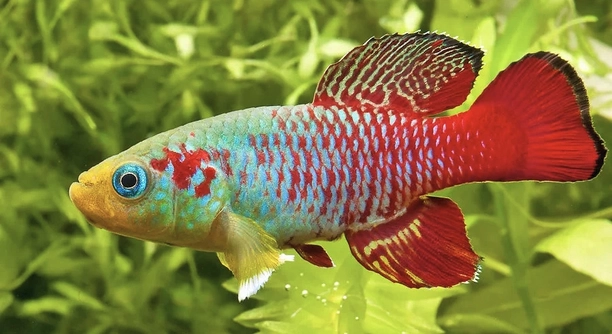
Are your killifish tank conditions ideal for their health and happiness? Many hobbyists keep these delicate fish without considering temperature needs. Knowing when a heater is necessary can prevent stress and illness in your killi community.
A killi tank requires a heater when water temperatures consistently drop below the species’ preferred range. Signs include lethargy, reduced appetite, faded colors, and slow growth. Maintaining stable warmth supports metabolism, immunity, and breeding success in killifish.
Recognizing these signs early helps ensure your killifish thrive. Proper temperature management protects their well-being and promotes a vibrant, active aquarium environment.
Why Temperature Matters for Killifish
Maintaining the right temperature is essential for killifish health. These fish originate from warm environments, so their bodies depend on stable warmth to function properly. When the water gets too cold, their metabolism slows down. This means they eat less, move slower, and become more vulnerable to diseases. Sudden temperature changes can cause stress, weakening their immune systems and increasing the risk of infections. Additionally, breeding success drops sharply in cooler water. Killifish need consistent warmth to trigger mating behaviors and proper egg development. Without a heater, it can be difficult to keep water temperatures stable, especially in cooler climates or during winter months. Using a heater helps mimic their natural habitat, improving overall activity and coloration. This creates a healthier tank environment where killifish can thrive, stay active, and show their best colors.
A reliable heater ensures temperature stability, preventing sudden drops that harm killifish health and vitality.
Proper temperature control keeps killifish lively and supports their natural behaviors. It also reduces illness risks by maintaining optimal metabolic function. Consistent warmth encourages normal feeding and growth rates. Without a heater, tank temperatures can fluctuate too much, leading to stress and health problems. This is particularly true in rooms with variable heating or during cold seasons. A heater with a thermostat allows precise control, ensuring the water stays within the ideal range. This stability fosters a more natural environment, helping killifish maintain vibrant colors and strong immune responses. In addition, it supports breeding efforts by providing the warmth needed for egg laying and fry development. For anyone caring for killifish, investing in a good heater is a practical step to ensure a healthy, thriving aquarium.
Signs Your Killifish Are Too Cold
When killifish experience cold water, their behavior and appearance change noticeably. They may become sluggish, hiding more often and swimming less actively. Appetite tends to decrease as their metabolism slows. Colors can fade, losing the bright hues that make killifish so attractive. Some may show signs of stress, such as clamped fins or erratic swimming. These symptoms indicate the water temperature is too low and needs adjustment.
Cold water slows killifish metabolism, reducing activity and appetite, while dulling their colors.
If you notice lethargy and poor feeding, it is important to check your tank temperature. Killifish are sensitive to drops below their ideal range, usually around 72–78°F (22–26°C), depending on the species. Consistent readings below this range cause stress and weaken the fish over time. Stress can lead to common diseases, such as fungal or bacterial infections. Addressing temperature issues promptly prevents long-term damage. In addition, breeding will be unlikely if the water is too cold, since warmth triggers reproductive behavior. Using a heater with a reliable thermostat allows you to maintain a steady temperature. Regular monitoring helps catch temperature drops early, especially during colder months. Keeping the water warm and stable promotes healthier, more active killifish with better coloration and improved overall well-being.
Inconsistent Temperature Fluctuations
Sudden temperature changes can harm killifish more than steady cold water. Fluctuations cause stress and weaken their immune system, making them prone to illness. A heater with a thermostat helps avoid these swings.
Temperature swings disrupt killifish’s delicate balance. When water temperature changes rapidly, their bodies struggle to adapt. This causes stress and lowers their ability to fight infections. Even a few degrees of fluctuation can affect feeding behavior and energy levels. Without consistent warmth, killifish may become inactive and hide more often. Long-term exposure to unstable temperatures can lead to chronic health problems. Installing a heater that maintains a constant temperature is essential for stability. This also supports breeding, as killifish rely on steady warmth to trigger reproductive cycles.
Monitoring the tank regularly ensures the heater functions properly. Keeping the temperature steady promotes a healthier, less stressed fish population that displays vibrant colors and natural activity.
Fading Colors and Poor Health
Killifish lose their bright colors when water temperature is too low. Dull coloration is often a sign of stress or illness related to cold conditions.
Colors fade because killifish metabolism slows in cooler water, affecting pigment production. When their environment is too cold, their immune systems weaken, making them more vulnerable to infections. Stress from improper temperature also causes physical changes, like clamped fins or slow swimming. Poor health can become chronic if the temperature issue is not corrected, leading to shorter lifespans and lack of breeding. Ensuring the water stays within the preferred range helps maintain vibrant colors and boosts the immune system. A heater that keeps temperature stable allows killifish to remain active and healthy. Proper warmth also supports recovery from minor illnesses and stress, improving their overall appearance and behavior.
Lethargy and Reduced Activity
Killifish become noticeably less active when water is too cold. They tend to rest more and swim sluggishly.
This drop in activity results from slowed metabolism caused by low temperatures. It affects their ability to feed and explore, which can impact overall health if prolonged.
Poor Appetite
Cold water reduces killifish appetite significantly. Without a proper heater, they may refuse food, leading to malnutrition.
A consistent warm environment encourages regular feeding and supports their energy needs. Without adequate nutrition, killifish become weak and more prone to disease.
Breeding Difficulties
Killifish often stop breeding in cooler water. Warm temperatures are critical to trigger spawning behavior and egg development. Without stable heat, breeding efforts usually fail.
Ensuring the tank stays within the proper temperature range increases the chance of successful reproduction and healthy fry development.
FAQ
How do I know what temperature my killifish need?
Most killifish species thrive in temperatures between 72°F and 78°F (22°C to 26°C). It’s important to research the specific species you have, as some may prefer slightly warmer or cooler water. Using a reliable aquarium thermometer helps keep track of the temperature. Make sure to keep it stable within the recommended range to avoid stress or illness.
Can I use any heater for my killifish tank?
Not all heaters are suitable for killifish tanks. It’s best to choose a heater with a built-in thermostat for precise temperature control. Submersible heaters designed for small tanks work well since many killifish tanks are compact. Avoid cheap or unregulated heaters, as they can cause dangerous temperature swings.
What happens if my killifish tank gets too warm?
Temperatures above 78°F (26°C) can also stress killifish. High heat lowers oxygen levels in the water and can encourage harmful algae growth. Killifish may become more active but also more prone to disease. Keeping the temperature within the recommended range is important to avoid these problems.
How often should I check the water temperature?
It’s good practice to check the temperature daily, especially if your home experiences temperature fluctuations. Regular checks ensure the heater is working properly and that water conditions remain stable. Using an aquarium thermometer with a clear display can simplify monitoring.
Can a heater help during winter only?
While heaters are most necessary during colder months, they can be useful year-round. Even in warmer seasons, room temperature can vary, especially overnight. A heater helps maintain constant warmth, preventing harmful temperature swings that stress killifish.
Are there any signs my heater is malfunctioning?
If you notice sudden temperature drops or spikes, your heater may be failing. Killifish showing stress symptoms like lethargy or color loss can be a clue. Inspect your heater regularly for damage or mineral buildup. Consider a backup heater or thermometer alarm for safety.
Can killifish survive without a heater?
In very warm climates, killifish might survive without a heater if room temperatures stay within their ideal range. However, in most cases, natural temperature fluctuations will cause stress. A heater provides a controlled environment that supports their health and longevity.
How do I set up a heater properly?
Place the heater near the aquarium’s water flow to distribute heat evenly. Avoid placing it near decorations or corners where water circulation is poor. Allow the heater to warm the tank slowly after installation, and use a thermometer to verify accurate temperature.
What’s the best way to avoid temperature swings?
Use a quality heater with a thermostat, monitor water temperature regularly, and keep the tank away from drafts, windows, or heat sources. Consistent room temperature and a stable heater setup help prevent sudden changes.
Will a heater affect other tank inhabitants?
Most tropical fish benefit from stable temperatures, so a heater is generally helpful. However, some species prefer cooler water, so research your entire tank community before adjusting temperatures. Avoid overheating for species that need lower temperatures.
How can I prepare my killifish tank for winter?
Check your heater’s functionality before winter arrives and consider adding a backup heat source. Insulate the tank if needed and keep it away from cold drafts or windows. Regularly monitor temperature to catch drops early and maintain a warm, stable environment.
Final Thoughts
Maintaining the right temperature for your killifish tank is crucial for their health and well-being. Killifish come from warm environments, and they rely on stable warmth to keep their metabolism, immune system, and behavior normal. Without proper heating, these fish can become stressed, lose color, and stop eating. Temperature fluctuations or cold water slow down their metabolism, making them less active and more prone to illness. Using a heater designed for aquariums helps keep water temperature steady, which supports their overall health and longevity.
Investing in a quality heater with an adjustable thermostat is one of the best ways to ensure your killifish thrive. This allows you to maintain consistent warmth within the ideal range, usually between 72°F and 78°F, depending on the species. A reliable heater prevents sudden drops or spikes in temperature, which can cause stress and weaken the fish’s immune response. Regularly monitoring the water temperature is also important to catch any problems early. When your killifish tank stays warm and stable, your fish will display brighter colors, stay more active, and have a better chance of successful breeding.
Taking care of killifish means understanding their temperature needs and providing an environment that mimics their natural habitat. While it may seem simple, temperature control has a large impact on their health and happiness. A good heater can make a significant difference in preventing disease and supporting natural behaviors like feeding and reproduction. Keeping a close eye on water temperature throughout the year, especially during colder months, helps avoid unnecessary stress. Overall, a well-heated tank creates a healthier, more vibrant home for your killifish.

Hello,
If you enjoy the content that we create, please consider saying a "Thank You!" by leaving a tip.
Every little bit helps us continue crafting quality advice that supports the health, happiness, and well-being of pets around the world, for pets of all shapes, sizes, and species.
We really appreciate the kindness and support that you show us!