
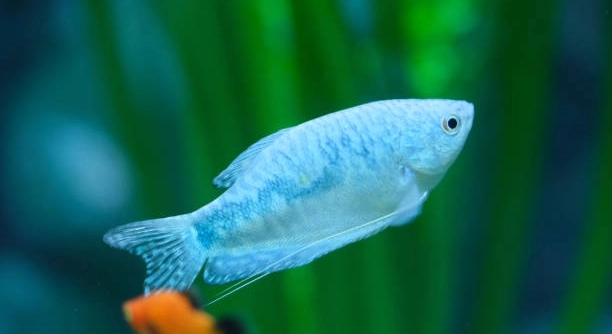
Are your gourami swimming alone in their tank, and you’re unsure if that’s okay for their well-being and health?
Gourami can live without tank mates, but their behavior and happiness may vary depending on the species, tank environment, and individual personality. Some types do well alone, while others thrive in peaceful, community settings.
Learning more about your gourami’s needs can help you create a healthy and stress-free tank that suits their specific nature.
Understanding Gourami Behavior Without Tank Mates
Gourami are peaceful fish, but their social needs can vary based on their type. Dwarf gourami, for example, can often live happily on their own if they have enough stimulation in their tank. Larger species, like pearl gourami, tend to prefer calm tank mates. When kept alone, some gourami may become more territorial, while others may stay calm and active. It’s important to provide plants, hiding spots, and gentle lighting to reduce stress. Without tank mates, they rely more on their environment for engagement. Their behavior may change slightly over time, but if they eat well and explore often, they’re likely content. Some owners find their gourami become more interactive with them when alone, showing a bit more personality. The key is paying attention to signs of boredom or stress. Alone doesn’t always mean lonely, especially if the tank feels safe and stimulating for them.
Some gourami do better on their own, especially if tank mates cause stress or competition for food.
Adding live plants, caves, and decorations can help a solo gourami stay active and relaxed. Movement in the tank gives them things to explore and interact with, which keeps them mentally and physically stimulated. Gourami can develop routines, and when alone, they often create their own rhythm. Some will patrol their space or rest in favorite hiding spots. It’s also easier to monitor their health when no other fish are present to compete for attention or cause injury. Keep an eye on their colors and fins—they should be bright and clean. Solo gourami sometimes show more interest in their surroundings, including you. Watching them closely can tell you a lot about their comfort and needs. If they seem stressed or sluggish, try adjusting lighting, flow, or layout. With the right setup, many gourami live happy, healthy lives without sharing their tank.
When Tank Mates Might Be a Good Idea
Some gourami seem livelier with peaceful tank mates that don’t nip or compete for space.
Adding tank mates can reduce boredom for certain types of gourami, especially those that enjoy light interaction. Peaceful fish like corydoras or small tetras can make good companions, as they usually stay out of the gourami’s way. It’s important to consider the size of the tank, the temperament of the gourami, and the activity levels of potential tank mates. A crowded or high-energy tank can stress them out, leading to aggression or illness. On the other hand, a well-planned community setup can encourage natural behaviors and reduce anxiety. Always watch closely when introducing new fish. Look for signs like flared fins, hiding, or changes in appetite. If these appear, separation might be necessary. Choose tank mates that are calm and won’t nip fins. Avoid housing two male gourami together unless the tank is large and heavily planted. In the right setup, some gourami thrive with gentle companions around them.
Setting Up a Tank for a Solo Gourami
A solo gourami needs a calm, clean tank with space to explore. A 10-20 gallon tank works for most species, with a filter that creates gentle water flow and stable water conditions.
Live or silk plants, caves, and floating decorations give them places to hide and rest. These features reduce stress and mimic their natural habitat. Gourami also enjoy calm lighting, so avoid bright overhead lights. Include a lid or cover, since gourami are surface breathers and may jump. Keeping the water temperature stable between 74–82°F helps maintain their health. Regular partial water changes support good water quality. Try not to overfeed, and watch for signs of inactivity or changes in appetite. A solo setup lets you really focus on their habits, making it easier to spot issues early. With care and the right environment, they can stay healthy and active even without other fish around.
Feeding a solo gourami is easier since there’s no competition. Use a mix of floating pellets, occasional live or frozen foods, and some vegetable matter. Watch how much they eat in two minutes, and remove leftovers to keep the water clean. Feed them once or twice a day depending on their activity. Overfeeding can lead to bloating and water problems. Solo gourami often come to recognize feeding routines and may even respond to your presence at feeding time. Their appetite and energy levels tell you a lot about how they’re doing. If they suddenly stop eating or hide more often, it might signal stress or sickness. In a solo tank, it’s easier to adjust food types and portions based on their behavior. Having no other fish also helps prevent bullying during mealtimes. With attention and variety, feeding time can become a reliable part of their daily rhythm.
Watching for Stress or Boredom
A solo gourami might become less active or start hiding more if stressed. Faded colors, poor appetite, or flared fins without reason are also signs to watch for.
Make sure the tank stays interesting and calm. If your gourami starts acting differently—like staying in one corner, refusing food, or getting jumpy—something may be off. Check water quality first. Ammonia or temperature spikes can cause discomfort. Next, look at their environment. Lack of stimulation, too much light, or strong current may lead to boredom or anxiety. Change up their space from time to time. Move decorations or add new plants. Some gourami enjoy watching movement outside the tank, so placing the tank in a quiet area with light foot traffic can help. Don’t tap the glass or cause loud noises. Keep lighting gentle and consistent. If they remain stressed, consider a divider for more security or experiment with tank enrichment like floating toys or leaf hammocks.
Signs Your Gourami Is Content Alone
If your gourami explores the tank, reacts to your presence, and eats regularly, those are good signs they’re doing well. Bright colors and smooth, upright fins also show they’re healthy and not feeling threatened or bored.
Resting calmly on leaves or near decorations is normal behavior. Occasional bubble nest building is another positive sign, especially in males. These habits suggest they feel safe and settled in their environment.
When to Reconsider a Solo Setup
If your gourami shows long-term signs of stress like hiding, dull coloring, or low activity, it might need changes. These don’t always mean it needs tank mates—often, adjusting the environment helps. But in some cases, certain gourami may do better with calm companions. Monitor how they act over time. A lonely gourami might lose interest in feeding or spend most of its time in one corner. If the tank is already well-decorated and enriched, consider testing with a peaceful tank mate. Watch carefully during introductions. If things improve, a companion might have been the right choice. But if aggression starts, it’s okay to go back to a solo setup.
Choosing the Right Tank Size
A 10-gallon tank works for one dwarf gourami, while larger types like pearl or opaline need 20 gallons or more to stay comfortable.
FAQ
Can gourami get bored if they live alone?
Yes, some gourami can get bored in a plain or unstimulating tank. While they don’t need constant interaction, a bare setup with no plants or hiding spots can cause stress or restlessness. You might notice them pacing, hiding more, or acting sluggish. To help with this, use floating plants, small caves, and decorations they can swim around. Rearranging the tank from time to time can also keep things fresh. Even though they’re alone, changes in their surroundings give them something new to explore. A solo tank doesn’t have to feel empty or dull.
How can I tell if my gourami is stressed?
Look for changes in color, behavior, and appetite. Faded or blotchy coloring, hiding for long periods, or refusing food are clear signs something may be wrong. Rapid gill movement or darting around the tank can also point to stress. Check the water quality first—ammonia, nitrite, or sudden temperature changes can trigger these reactions. If water conditions are good, think about lighting, noise, and tank setup. A strong filter current, bright lighting, or loud vibrations can bother them. Small changes in the environment often help calm a stressed gourami.
Do gourami need other fish to stay healthy?
No, gourami do not need tank mates to stay healthy. Many do well alone if the environment is well-suited for them. Good water quality, the right tank size, and a mix of plants and structures go a long way in supporting their health. Some gourami actually become more relaxed when alone because they don’t have to compete for food or territory. However, certain species may act livelier with calm tank mates, so it depends on the individual fish. Watch their behavior to decide what’s best for them.
What types of tank mates are safest for gourami?
If you choose to add tank mates, go with peaceful, non-fin-nipping fish. Corydoras, small rasboras, kuhli loaches, and certain types of tetras are usually safe choices. Avoid other gourami unless your tank is large and heavily planted. Stay away from aggressive or very active fish, like barbs or larger cichlids. The key is picking fish that won’t stress or outcompete your gourami. Introduce new fish slowly, and monitor their behavior closely for the first few days. Always quarantine new fish before adding them to prevent the spread of disease.
Can a male gourami live alone peacefully?
Yes, male gourami can live alone and often do better that way. Males can be territorial, especially in smaller tanks or when housed with other males. A solo male gourami tends to be calmer without others around to challenge him. Just make sure the tank offers plenty of coverage—floating plants and hiding spots help him feel secure. Bubble nest building is a common behavior in male gourami and doesn’t mean they need a mate. It’s a natural instinct and a sign they feel comfortable in their space.
What are the benefits of keeping a gourami alone?
There are several benefits. A solo gourami tank is easier to manage—feeding is simpler, there’s no competition, and it’s easier to track their health. Aggression and stress from unsuitable tank mates are no longer a concern. Plus, the fish may be more interactive with you. Some owners find their solo gourami greet them or follow their movement outside the tank. This setup also allows you to design the tank specifically around their needs. While not all gourami prefer being alone, many adjust well with the right care.
How can I keep a solo gourami entertained?
Create a tank that encourages natural behaviors. Use floating plants, leaf hammocks, driftwood, and caves. Gourami like to explore, so changing the layout once in a while can keep them curious. Slow-moving water and dim lighting match their natural environment and help them feel relaxed. You can also try placing safe objects outside the tank—like a gentle bubbler or new decorations—to give them something to watch. Just avoid overstimulation. A calm, enriched tank helps them stay engaged and stress-free. Watch how they respond and adjust things slowly over time.
Is a solo tank better for beginner fish keepers?
A solo gourami tank can be a good choice for beginners. It reduces the complexity of managing tank dynamics between different species. With only one fish, it’s easier to keep track of water quality, feeding schedules, and behavior changes. Gourami are hardy and relatively low-maintenance when kept in stable conditions. Just make sure to research the specific type of gourami you have. Some, like dwarf gourami, are more beginner-friendly than others. Stick to the basics—clean water, proper diet, and a safe environment—and your solo gourami can thrive.
Final Thoughts
Keeping a gourami without tank mates can work well if you focus on creating a peaceful and stimulating environment. Not all fish need company, and gourami are one of the species that can do just fine on their own. A solo setup allows them to live without the stress of competition or bullying, especially if they are more territorial or shy. Many owners find that their solo gourami are calmer and even show more personality when they don’t have to share space. With the right tank size, proper water conditions, and regular feeding, a single gourami can stay healthy and active for years.
The most important thing to remember is to pay attention to your fish’s behavior. If your gourami is exploring, eating well, and has bright colors, then it’s likely happy on its own. Boredom and stress can still happen in a solo tank, but small changes like moving decorations or adding new plants can make a big difference. It’s also easier to monitor one fish and spot signs of illness early. Solo tanks can be low-maintenance, and they give you the chance to really learn your fish’s habits and preferences. That connection can make the experience more personal and rewarding over time.
Whether or not you choose to keep your gourami alone depends on its species, your tank setup, and what works best for your space and schedule. If your gourami seems restless or withdrawn, it might be worth trying peaceful tank mates, but it’s not always necessary. Many gourami are perfectly content living by themselves if their needs are met. What matters most is that the tank is safe, quiet, and suited to their behavior. As long as you’re watching closely and making thoughtful choices, keeping a solo gourami can be a great option. It’s all about understanding their nature and giving them the kind of environment where they feel secure and engaged.

Hello,
If you enjoy the content that we create, please consider saying a "Thank You!" by leaving a tip.
Every little bit helps us continue crafting quality advice that supports the health, happiness, and well-being of pets around the world, for pets of all shapes, sizes, and species.
We really appreciate the kindness and support that you show us!