
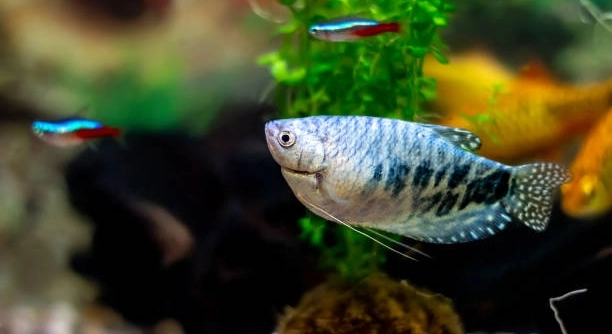
Gourami fish are popular in home aquariums, admired for their colors and calm nature. However, many myths about them persist, leading to confusion among fish enthusiasts. It’s important to separate fact from fiction.
There are several misconceptions surrounding Gourami care and behavior. These myths can lead to improper care and misunderstanding of their needs. It’s essential to debunk these myths to ensure these fish thrive in your aquarium environment.
Understanding the facts behind these myths will help you create a better environment for your Gourami. Let’s explore some common misunderstandings and set the record straight.
Myth 1: Gouramis Are Aggressive Fish
Many people believe that Gouramis are aggressive and territorial. While some species can display territorial behavior, most Gouramis are peaceful and well-suited for community tanks. They tend to get along with other peaceful fish if provided with enough space. However, it’s important to note that males can sometimes become more territorial, especially during breeding season.
Gouramis generally do best in groups of similar species or with other calm fish. If you’re introducing them to a community tank, make sure to avoid mixing them with overly aggressive fish.
By maintaining the right environment and pairing them with compatible tankmates, you can avoid aggression and enjoy watching their peaceful nature. Proper tank size and hiding spots also help keep stress levels low and reduce territorial conflicts.
Myth 2: Gouramis Are Hard to Care For
Some people think Gouramis require special care, but they are relatively low-maintenance fish. They adapt to a wide range of water conditions and are not overly sensitive. With a stable environment, Gouramis can thrive without much extra effort.
Gouramis are hardy fish that can survive in a variety of tank setups. It’s important to maintain consistent water conditions and keep the tank clean, but beyond that, they don’t need complicated care routines.
They are not as fragile as some other freshwater species, and they can live for many years if given the right care. Regular water changes, proper filtration, and a balanced diet are enough to keep them healthy. With the proper setup, Gouramis are an excellent choice for beginner fishkeepers.
Myth 3: Gouramis Need a Huge Tank
Some people think Gouramis require a large tank, but this is not always the case. While a bigger tank is always better for fish health, Gouramis can thrive in smaller tanks if conditions are right. A tank of at least 20 gallons is generally recommended for one or two Gouramis.
Having a spacious tank allows for proper filtration and water circulation, which helps maintain water quality. It also provides enough room for the fish to move around without feeling cramped, reducing stress. However, they don’t need tanks that are excessively large unless you plan to house several species together.
For smaller tanks, it’s important to include plants, hiding spots, and other elements that make the space feel more natural. This encourages Gouramis to swim comfortably and interact with their environment, creating a more enjoyable setup for them.
Myth 4: Gouramis Only Eat Live Food
Many believe that Gouramis only eat live food, but they will also readily consume flakes, pellets, and frozen foods. While Gouramis do enjoy occasional live food like brine shrimp or bloodworms, they do not rely on it for survival.
Feeding them a balanced diet of high-quality flake or pellet food, supplemented with frozen or freeze-dried treats, is more than enough. Gouramis are omnivorous and will eat a variety of plant matter, as well as protein. Offering a mix of food types ensures that they get the nutrition they need to stay healthy.
Live food can still be a fun and enriching treat for your Gouramis, but it is not necessary for their well-being. A well-rounded diet helps maintain their colors and energy levels. Be sure to provide food in small portions to prevent overfeeding, which can lead to water quality issues.
Myth 5: Gouramis Are Sensitive to Water Conditions
Many people think that Gouramis are very sensitive to water conditions, but this is not true. They can adapt to a variety of water types and temperatures, as long as changes are gradual. Proper filtration and regular water changes are key to keeping them healthy.
Although they are more tolerant than other species, sudden shifts in water temperature or pH can stress them. Keeping the tank stable with consistent water parameters is still important. Using a heater and a reliable water testing kit can help maintain the right conditions.
Gouramis are hardy fish, but maintaining balanced water conditions will ensure they stay vibrant and active. Minor fluctuations are usually fine, but rapid changes should be avoided to prevent stress.
Myth 6: Gouramis Don’t Need Plants or Decorations
Some people think Gouramis don’t need plants or decorations, but that’s far from the truth. Providing plants, rocks, and decorations mimics their natural habitat, reducing stress and promoting healthier behavior.
Gouramis love to hide and explore, so a tank with a few plants and places to retreat to can make them feel secure. Floating plants are especially beneficial because Gouramis sometimes swim near the surface, as they have a labyrinth organ that allows them to breathe air. Adding decorations also helps in creating a more stimulating environment.
These additions provide a place for Gouramis to rest, swim, and forage. Plus, they can act as hiding spots when Gouramis feel threatened or stressed.
Myth 7: Gouramis Can Live Alone Forever
It’s often said that Gouramis are solitary creatures, but that’s not entirely accurate. While they can live alone, they are social fish and benefit from having tankmates of their species or other calm fish.
Gouramis can develop better social behaviors when housed with other peaceful species. Males might become territorial, especially during breeding season, but in general, they thrive when given company. Having multiple Gouramis can also help avoid loneliness and encourage natural behaviors like schooling and socializing.
That said, be mindful of tank size and compatibility. A single Gourami in a large tank might feel lonely, while multiple Gouramis in a smaller space could lead to conflicts.
FAQ
What is the ideal tank size for Gouramis?
The ideal tank size for Gouramis is at least 20 gallons for one or two fish. A larger tank offers more space for swimming, better water circulation, and helps maintain water quality. For multiple Gouramis, or if you plan to include other fish species, a 30-gallon tank or larger would be more suitable. While they can live in smaller tanks, providing them with adequate space helps reduce stress and promotes a more natural, healthier environment.
Do Gouramis get along with other fish?
Yes, Gouramis are generally peaceful and can live with other calm fish species. They are best kept with non-aggressive species that won’t compete for food or space. Good tankmates include tetras, mollies, and other peaceful species. However, avoid pairing them with very aggressive or fast-moving fish, as this can stress them out. During breeding season, males may become territorial, so keep this in mind if you are planning to house multiple Gouramis together.
Are Gouramis easy to breed?
Breeding Gouramis can be relatively easy if you provide the right conditions. These fish are bubble nest builders, meaning the male creates a nest of bubbles at the surface of the water to attract a female. To encourage breeding, maintain warm water temperatures around 78-80°F (25-27°C) and provide plenty of plants for the female to hide in. It’s helpful to have a separate breeding tank to ensure the fry have a safe environment away from other fish. However, not all Gouramis will breed easily, and it may take some patience.
What do Gouramis eat?
Gouramis are omnivores, and their diet should include a variety of foods. High-quality flake or pellet food can form the base of their diet, supplemented with live or frozen treats like brine shrimp, bloodworms, or daphnia. They also enjoy vegetable matter such as blanched spinach, zucchini, and peas. Offering a balanced diet ensures they get the nutrients they need to stay healthy, with the occasional live food offering for enrichment.
Can Gouramis live in cold water?
Gouramis prefer warm water temperatures, typically between 75-82°F (24-28°C). While they can tolerate slightly cooler temperatures, prolonged exposure to cold water can stress them out and weaken their immune system, making them more susceptible to disease. It’s best to maintain a stable, warm environment for them using a reliable aquarium heater. This helps them stay active and healthy.
How do you care for a Gourami?
Caring for a Gourami involves providing the right tank environment, feeding them a balanced diet, and ensuring consistent water quality. Keep their tank clean with regular water changes, maintain appropriate water parameters, and offer plenty of hiding spots or plants. Make sure their diet includes both protein and plant matter, and monitor for any signs of illness, such as a loss of appetite or abnormal swimming. Avoid overcrowding the tank to reduce stress, and be mindful of potential territorial behavior during breeding seasons.
Do Gouramis need a filter?
Yes, Gouramis need a filter to maintain clean water and provide proper circulation. Although they are relatively hardy fish, a good filtration system helps remove waste, excess food, and toxins that could harm them. It also ensures oxygen is properly distributed throughout the tank. However, make sure the filter isn’t too strong, as Gouramis prefer calm water, especially at the surface. Choose a filter that provides gentle water flow.
How long do Gouramis live?
On average, Gouramis live between 4 to 6 years in captivity, though with proper care, some can live up to 8 years or more. Their lifespan can be influenced by factors like tank size, water quality, diet, and overall health. Keeping water parameters stable and providing them with a healthy environment will increase their chances of living a long, happy life.
Can Gouramis breathe air?
Yes, Gouramis have a labyrinth organ, which allows them to breathe oxygen from the air, making them unique among fish. This organ allows them to gulp air at the surface of the water when necessary. While they do need access to the water surface to breathe, they are not dependent on surface air like some other species. This organ also allows them to thrive in low-oxygen environments.
Do Gouramis get stressed easily?
Gouramis can get stressed easily if their environment isn’t suitable. Poor water quality, inappropriate tank mates, and sudden changes in temperature or pH can all cause stress. Signs of stress include a loss of color, reduced activity, or hiding. Ensuring a stable, peaceful tank with good water quality and proper hiding places can help minimize stress and promote their well-being.
What are common health issues for Gouramis?
Gouramis are generally hardy fish, but they can still suffer from some common health issues, especially if tank conditions aren’t ideal. Some of the most common issues include ich (a parasitic infection), fin rot, and swim bladder problems. Keeping the water clean and monitoring their behavior regularly can help prevent most health problems. If a Gourami shows signs of illness, it’s important to isolate them and treat the issue promptly.
Can Gouramis live with other species of Gouramis?
Gouramis can live together, but there are a few things to consider. Male Gouramis, particularly in species like the Blue or Dwarf Gourami, can become territorial, especially during breeding times. It’s important to provide enough space for each fish and avoid overcrowding. If you want to keep multiple Gouramis, make sure to mix species that are known to be more peaceful, and always monitor for signs of aggression.
Are there different types of Gouramis?
Yes, there are several species of Gouramis, each with different characteristics. Popular types include the Dwarf Gourami, the Pearl Gourami, the Blue Gourami, and the Moonlight Gourami. Each species has slightly different care requirements, so it’s important to research the specific type you are interested in. Some are more peaceful than others, and some have different environmental needs.
Why are my Gouramis losing color?
Loss of color in Gouramis can be a sign of stress, poor water quality, or illness. Stress can result from a variety of factors, such as aggressive tank mates, changes in water conditions, or overcrowding. Ensure your tank has stable water parameters and that the Gouramis are not being harassed by other fish. If the problem persists, check for signs of illness and take necessary precautions. A poor diet can also affect their coloration, so providing a variety of foods will help maintain their vibrant colors.
Final Thoughts
Gouramis are fascinating fish that can be a great addition to many aquariums. They are relatively low-maintenance and can adapt to different environments, making them suitable for both beginner and experienced fish keepers. While there are some myths about Gouramis, understanding their true needs can help ensure they thrive. They are peaceful fish, and with proper care, they can live for several years, adding beauty and calm to your aquarium.
When setting up a tank for Gouramis, it’s important to provide enough space, maintain stable water conditions, and offer a balanced diet. These fish don’t require huge tanks, but they do need a clean and well-maintained environment. Keeping the right water temperature, using a gentle filter, and offering plants or hiding spots will help keep your Gouramis happy and stress-free. A mix of food types, including flakes, pellets, and occasional live food, will keep them healthy and active.
Overall, Gouramis are hardy and easy to care for once their basic needs are met. They don’t need anything overly complicated but do require attention to water quality and tank mates. Whether you choose to keep them alone or in a community tank, these fish can adapt well to different setups. With the right environment and care, your Gouramis can live a long, happy life and be a beautiful part of your aquarium.

Hello,
If you enjoy the content that we create, please consider saying a "Thank You!" by leaving a tip.
Every little bit helps us continue crafting quality advice that supports the health, happiness, and well-being of pets around the world, for pets of all shapes, sizes, and species.
We really appreciate the kindness and support that you show us!