
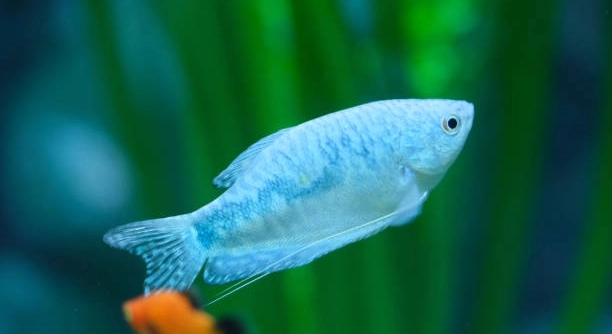
Have you ever noticed your gourami acting differently when there’s a lot of movement near their tank? Sudden changes can leave fish feeling unsettled, especially when their environment is meant to be calm and consistent.
Gourami can indeed become overstimulated by excessive movement around their tank. Their sensitive nature makes them prone to stress, which can impact their behavior, appetite, and overall health when their surroundings become too active or unpredictable.
Learning how your presence and routine activity affect your gourami can help you create a more stable, peaceful space for them to thrive.
Why Movement Can Affect Your Gourami
Gouramis are sensitive fish that respond strongly to their surroundings. When there is frequent movement near their tank—like people walking by often, sudden hand gestures, or kids tapping the glass—they can become stressed. This stress doesn’t always show up right away, but over time, it can affect their behavior. You might see them hiding more, skipping meals, or acting jittery. Constant stimulation from movement can also make it hard for them to rest properly, which is important for their health. These fish prefer calm environments with stable conditions. Fast or frequent movements outside the tank might not seem like a big deal to you, but for a gourami, it can feel like a constant threat. Creating a low-traffic area for their aquarium, using background covers, and reducing sudden gestures near the tank can help your fish feel safer and more at ease each day.
Many gouramis do better when their tanks are placed in quieter spots of the home.
Choosing a tank location is more important than some people realize. The right spot can help reduce stress in your gourami. Keep their aquarium away from doorways, hallways, and loud electronics. Softer lighting and steady routines will also help support a sense of calm. If you live in a busier household, consider placing a visual barrier behind or beside the tank to cut down on external motion. Try to avoid putting the tank near TVs or areas where children or pets often move around. This doesn’t mean your house must stay silent, but even small steps like moving the tank to a less active room or using plants for coverage can make a big difference. Your gourami will respond better when the environment feels safe, which can improve their color, appetite, and interaction. A peaceful space can help bring out their best behavior.
Signs of Overstimulation in Gouramis
Overstimulation can show up in ways that are easy to miss if you’re not paying close attention. Look for subtle changes in your gourami’s daily behavior.
One of the first signs of overstimulation is hiding more often than usual. Gouramis may spend long periods near the bottom or behind decorations to avoid motion. Another common sign is reduced appetite. If your fish starts skipping meals or eating less, it might be reacting to stress. Over time, overstimulation can even affect their colors, causing them to fade or appear dull. Fast swimming with sudden stops or bumping into tank decorations may also happen when they’re overwhelmed. Some gouramis might become more aggressive, while others grow quiet. It depends on the individual fish. If you notice these behaviors, try making small adjustments to reduce movement near their tank. Soft background noise, limited traffic, and better tank placement can all help restore a sense of calm for your gourami.
How to Reduce Overstimulation
Start by watching how often movement happens near the tank. If the area is busy all day, that’s likely affecting your gourami. Choose a calmer location or block off some of the view with plants or background covers to help limit outside motion.
Use natural or dim lighting during the day, and avoid turning bright lights on and off quickly. Sudden changes can stress your gourami. Limit tapping or knocking on the glass, and remind kids to avoid loud play near the tank. Try to keep a steady feeding and maintenance routine. Stability matters. Add floating plants or leafy decorations to provide hiding spots so your fish can feel secure when they want to rest. Make sure the tank is large enough to allow space between activity and hiding areas. Even a small tank change can help reduce stress when done gently.
Try not to move decorations or equipment around too often. Constant changes inside the tank can also overstimulate your gourami. When you clean or rearrange, do it in small steps instead of all at once. A consistent layout gives your fish a better sense of security. Also, limit direct eye contact or leaning over the tank repeatedly, as that can feel like a threat to them. Quiet background sounds like soft music or a low fan can mask other movement and help create a calming environment. Watch how your fish responds to small changes. A less stressed gourami will swim calmly, eat regularly, and rest more comfortably.
Creating a Calming Tank Environment
A peaceful setup starts with a well-balanced layout. Add broad-leaf plants, floating cover, and smooth decorations to create gentle hiding spaces. Avoid bright gravel or flashy lights, which can overstimulate. Keep tank lighting soft and consistent throughout the day.
Use a sponge filter or gentle-flow filter to prevent strong currents. Loud or fast-moving water can overwhelm your gourami. Try adding a darker background on the tank to reduce outside movement from being too visible. Avoid mirrors or reflective surfaces, which can make your gourami feel like there are constant intruders. Include driftwood, rock caves, or tall plants to give your fish areas to retreat when they need quiet. Make sure your tank mates are calm species, as aggressive fish will only add to the stress. Keeping the water clean and maintaining the same schedule for feeding and care helps promote a peaceful environment. Small changes add up to lasting calm.
Common Mistakes to Avoid
Placing the tank near a window may seem nice, but it causes too much light and movement, which can stress your gourami. Shifting sunlight and outdoor activity can lead to overstimulation and even algae problems over time.
Using bright or flashing lights above the tank can overwhelm your fish. Constant light changes, especially in the evening, make it harder for your gourami to rest and feel secure. A stable light cycle helps support a healthy rhythm.
When to Make Changes
If your gourami hides often, skips meals, or shows dull coloring, it’s time to adjust the tank environment. Start small—move the tank to a quieter space or add floating plants for shade. Avoid making many changes all at once, as that can add more stress. Observe your fish for signs of calmness like steady swimming and regular eating. If things don’t improve after a few days, double-check water quality, lighting, and noise levels. Sometimes it’s a mix of small stress factors that add up. Stay patient and make changes slowly so your gourami can adjust without shock or confusion.
Final Tips to Keep in Mind
A calm tank space, soft lighting, and minimal movement nearby all make a big difference in your gourami’s comfort. Small changes can lead to better behavior and a healthier fish.
FAQ
Can loud noises overstimulate my gourami?
Yes, loud noises can cause stress and overstimulation. While fish don’t hear the same way people do, they feel vibrations through the water. Sounds like slamming doors, loud music, or yelling nearby can create sudden disturbances. These vibrations can make your gourami feel unsafe and may lead to hiding, reduced eating, or darting behavior. It’s best to keep their tank in a calm room where the noise level stays low and predictable. Soft background sounds are fine, but avoid placing the tank near speakers, televisions, or areas with frequent noise spikes throughout the day.
Is it okay to have the tank in the living room?
It depends on how busy your living room is. If there’s constant foot traffic, loud conversations, or children and pets moving around, it could overstimulate your gourami. However, if the room stays relatively calm and lighting is gentle, it can work fine. You can also place visual barriers on the sides of the tank or decorate with tall plants to block some of the surrounding movement. Every home is different, so it helps to watch how your gourami behaves over a few days and make changes if needed.
Do gouramis get scared of people?
Yes, they can be startled by people, especially if someone leans over the tank quickly or taps on the glass. Gouramis are cautious fish, and they prefer slow, predictable motion. New fish may take a few weeks to get used to you, but even after that, sudden movements can scare them. Try to approach the tank gently, avoid fast hand gestures, and teach children not to tap or shout near the tank. Over time, your gourami can grow more comfortable, especially if they associate you with feeding and gentle care.
How can I tell if my gourami is calm?
A calm gourami swims smoothly, eats regularly, and shows bright, healthy colors. They may explore the tank slowly, rest in open areas, or hide when tired. If your fish is pacing, darting, hiding constantly, or refusing food, those are signs of stress. Watch for other subtle signs, too—like flared fins, sudden color fading, or erratic movement. Healthy, relaxed gouramis have steady patterns and react calmly to gentle interaction. Small, slow changes in tank setup can help improve their comfort if they seem stressed.
Can overstimulation lead to sickness?
Yes, long-term stress from overstimulation can weaken your gourami’s immune system. This makes them more likely to get sick from common tank illnesses like fin rot, ich, or fungal infections. Stress also affects appetite, which can lead to poor nutrition over time. That’s why it’s important to notice behavioral changes early and take simple steps to reduce stimulation in their environment. A stable, calm tank helps prevent health problems and improves your fish’s ability to recover if they do get sick.
What if I can’t move the tank to a quieter room?
If moving the tank isn’t possible, you can still make small changes. Add a dark background to the tank and place plants or tall decorations inside to reduce visual exposure. Use soft lighting and avoid turning it on and off quickly. Limit sudden movements or loud noises in that area, and try to keep a steady routine. A calm environment is not only about location—it’s also about the way people interact with the tank. A few mindful adjustments can still make a big difference in your gourami’s stress level.
Can tank mates cause overstimulation?
Yes, if your gourami shares the tank with fast or aggressive fish, that can cause ongoing stress. Some fish swim quickly or chase others, which can make the tank feel chaotic. Gouramis do better with slow, peaceful tank mates like certain tetras, rasboras, or corydoras. Before adding new fish, research their behavior to avoid stress and compatibility issues. If your gourami starts hiding or acting anxious after new fish are added, consider rehoming or separating the more active species to restore balance.
Is glass tapping really that harmful?
It may not seem serious, but repeated glass tapping causes stress. The vibration travels directly through the tank and can scare your fish. Over time, it leads to anxiety and even hiding or poor health. Teach children not to tap the tank, and remind guests to keep interaction gentle. Your gourami will feel more secure in a space that stays calm, both inside and out.
Why does my gourami dart suddenly when I walk by?
Sudden darting is often a fear response. Your gourami may be reacting to quick motion, shadows, or noise. If the tank is in a high-traffic area or near a bright light source, it may increase these reactions. Adding plants for shelter, dimming lights, or covering part of the tank can help reduce this behavior. Over time, many gouramis adjust to normal activity, but reducing the triggers can speed up their comfort level.
How long does it take for a stressed gourami to recover?
It depends on how long they’ve been stressed and what changes are made. Some fish bounce back within a few days of a calmer setup, while others take a few weeks to show improvement. Consistency is key. Avoid making too many changes at once. Watch for better appetite, calmer swimming, and brighter coloring. With time and a peaceful environment, most gouramis recover fully and become more relaxed in their behavior.
Final Thoughts
Taking care of a gourami means more than just feeding them and cleaning their tank. These fish are sensitive and can be affected by things happening outside their tank, like too much movement or noise. While they may not show stress in obvious ways at first, overstimulation can build up and lead to behavior changes, health problems, or loss of color. Small things like where you place the tank, how often people walk by, or how loud a room is can all make a difference. Keeping their space calm and steady is one of the best ways to support their well-being.
If you notice signs that your gourami may be overstimulated, such as hiding more, darting around, or skipping meals, it helps to make small changes right away. Moving the tank to a quieter place, adding some floating plants, or limiting activity near the tank can help create a safer, more peaceful space. You don’t need to make big changes all at once. Start small and watch how your fish responds. Pay attention to their body language and habits. A calm gourami will swim slowly, eat regularly, and explore more freely. Over time, you’ll learn what works best in your home to keep their stress low.
It’s also important to remember that each gourami is different. Some may be more social or bold, while others are shy and easily spooked. What works for one fish may not be right for another. Be patient and gentle with any changes you make. Try to keep things predictable—steady light, soft sounds, and a regular feeding schedule can all help. Reducing overstimulation doesn’t have to be complicated. With simple steps and regular care, your gourami can live a calmer, healthier life. Their comfort depends on the environment you create for them, and even a few thoughtful choices can make a lasting difference.

Hello,
If you enjoy the content that we create, please consider saying a "Thank You!" by leaving a tip.
Every little bit helps us continue crafting quality advice that supports the health, happiness, and well-being of pets around the world, for pets of all shapes, sizes, and species.
We really appreciate the kindness and support that you show us!