
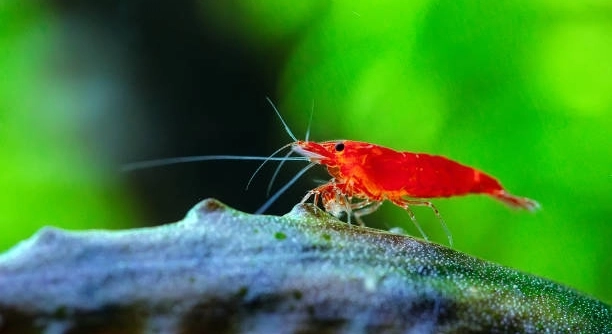
Cherry shrimp are often admired for their bright colors and delicate movements in aquariums. Many enthusiasts notice their patterns and behaviors, yet few consider the mental abilities these tiny creatures may possess. Observing them can be surprisingly engaging.
Recent studies suggest that cherry shrimp exhibit learning, memory retention, and problem-solving behaviors that were previously underestimated. Their ability to navigate complex environments and respond to stimuli indicates cognitive capacities beyond mere instinctual responses. This challenges traditional views of invertebrate intelligence.
Exploring their behaviors reveals a world of subtle interactions and adaptive skills that go unnoticed in daily observation. Understanding these traits provides deeper appreciation for these small aquatic companions.
Recognizing Cherry Shrimp Intelligence
Watching cherry shrimp closely reveals patterns that suggest higher intelligence than often assumed. They can learn to navigate mazes, locate food efficiently, and remember safe areas in the tank. Even small changes in their environment trigger adaptive responses. Observing these behaviors shows they are capable of memory retention and learning from past experiences. Their movements are not random; they seem to evaluate risk and opportunity, especially when exploring new territories. Interaction with other shrimp also demonstrates social awareness. Shrimp can sense changes in water quality, light, and temperature, adjusting behavior accordingly. These responses indicate more than instinct—they reflect decision-making based on past exposure. Over time, repeated behaviors confirm their ability to learn, making them more interactive and responsive than many assume. Understanding these patterns allows for better tank management and enhances observation of subtle behavioral traits. Their intelligence, while different from mammals, is impressive and deserves recognition.
Their ability to adapt quickly makes daily observation both educational and engaging for tank caretakers.
Even basic tasks, like finding food or avoiding predators, show problem-solving skills. Cherry shrimp can develop routines, learn timing, and react to changes faster than many other small invertebrates. Observing them consistently helps identify these learning patterns. Over days and weeks, shrimp show memory retention, returning to previously successful paths. Some display social learning, copying behaviors from others in the tank. These insights into their cognitive abilities suggest that their intelligence is practical, helping them survive and thrive in diverse conditions. Recognizing these traits shifts how we view shrimp from simple decoration to active participants in their environment. The subtlety of their behaviors can make them highly engaging to watch, offering insight into invertebrate cognition in ways that are often underestimated in common aquarium practice.
Feeding Habits and Problem Solving
Cherry shrimp display careful consideration when approaching food, often prioritizing safety and opportunity over speed.
They evaluate surroundings, avoid conflict, and plan feeding paths to maximize efficiency. Observing their methods highlights their problem-solving abilities and shows that feeding is more than instinct—it requires assessment and choice. Their approach varies with tank setup, type of food, and presence of others, revealing adaptability. This intelligence can be enhanced by offering structured feeding strategies. Over time, shrimp remember the safest and most productive ways to access food, demonstrating memory and spatial awareness. Tank caretakers can encourage this natural learning by varying feeding locations or introducing small challenges, such as food obstacles or timed feeding. The shrimp’s ability to solve simple problems reflects their mental flexibility. It also encourages careful observation, allowing caretakers to see patterns that might otherwise be missed. Understanding these habits improves shrimp care and fosters a deeper appreciation of their abilities. Their feeding strategies, combined with learning and memory, make cherry shrimp remarkably capable for such small creatures.
Social Interactions
Cherry shrimp often interact in subtle ways, showing awareness of each other’s presence. They communicate through movements, antennae contact, and synchronized behavior. These interactions help establish territory, coordinate feeding, and reduce conflict. Observing these patterns highlights their social awareness and responsiveness to group dynamics.
Shrimp are sensitive to nearby tank mates, adjusting movements to maintain spacing or avoid aggression. In group settings, some shrimp take lead roles in exploring, while others follow or retreat, demonstrating recognition of hierarchy and safety. Social learning occurs when one shrimp observes another handling food or navigating obstacles, then imitates successful strategies. Over time, these interactions strengthen bonds and create an organized dynamic, showing intelligence beyond instinct.
They can also recognize familiar tank mates and differentiate between new and established individuals. These behaviors indicate memory and learning, allowing shrimp to adapt strategies based on previous encounters. Careful observation reveals that even minor gestures, like antennae flicks or small retreats, carry meaning in their social structure. Social complexity is more apparent when the tank has multiple individuals, offering a glimpse into cooperative and adaptive behaviors. Understanding these interactions improves care and tank design, as shrimp thrive in environments that support natural social structures.
Environmental Awareness
Cherry shrimp respond to changes in water temperature, flow, and lighting, adjusting behavior to maintain comfort and safety. Their sensitivity ensures survival and demonstrates cognitive adaptability.
They explore new structures, hiding spots, and plants with caution, learning the safest paths and areas for shelter. This exploration shows memory, spatial awareness, and problem-solving. Shrimp modify movements depending on currents, obstacles, or potential threats, balancing risk with opportunity. Over time, repeated exposure allows them to remember locations of food, safe zones, and hazards. Observing these behaviors provides insight into their adaptability, showing they actively evaluate surroundings rather than acting purely on instinct. Environmental cues trigger precise adjustments, including altered swimming patterns, selective feeding, or avoidance of danger zones. These responses indicate that shrimp are highly attuned to their habitat.
Adapting to environmental change is part of daily life for cherry shrimp. They can navigate complex setups, learn optimal hiding spots, and exploit food sources efficiently. Their behavioral adjustments are consistent, showing both short-term learning and long-term memory retention. Tank arrangements, plant placement, and water flow all influence shrimp decisions, revealing their capacity to process information and respond intelligently. Understanding these patterns allows caretakers to create environments that promote both safety and activity, enhancing shrimp health and engagement. Awareness of subtle cues and responses demonstrates that shrimp intelligence extends beyond simple reactions.
Learning and Memory
Cherry shrimp can remember food locations and safe areas in the tank. Repeated exposure to obstacles allows them to improve navigation and efficiency over time, showing clear signs of learning.
They adapt to new routines, avoiding dangers they’ve encountered before. Memory helps them survive and thrive, reflecting intelligence beyond instinct.
Observation and Response
Shrimp react quickly to changes in light, water movement, and tank mates’ behavior. They notice patterns and adjust movements to stay safe or find food efficiently. Observing these responses shows that they actively process their environment rather than acting randomly.
Problem-Solving Skills
When presented with barriers to food, cherry shrimp explore multiple strategies to reach it. They try different routes, climb plants, and use existing structures to bypass obstacles. Over time, successful approaches are repeated, demonstrating both trial-and-error learning and memory retention. This ability reflects cognitive flexibility and practical intelligence.
Adaptation to Habitat
Shrimp adjust to new tank setups gradually. They explore cautiously, learn hiding spots, and adapt feeding routines to match environmental changes. These adjustments improve survival and comfort in their habitat.
FAQ
How do cherry shrimp show intelligence in a tank?
Cherry shrimp display intelligence through memory, learning, and problem-solving. They remember where food is located and can navigate obstacles efficiently. Their interactions with other shrimp show social awareness, and they adjust behaviors based on environmental changes. These actions demonstrate adaptive thinking rather than simple instinct.
Can cherry shrimp learn from each other?
Yes, cherry shrimp often observe others and imitate successful behaviors. If one shrimp discovers a new food source or safe hiding spot, others may follow similar paths. This social learning indicates they can process information from both their own experience and observation of tank mates.
Do they recognize individual tank mates?
Cherry shrimp seem to differentiate between familiar and new shrimp. They may act more cautiously around unfamiliar individuals and maintain space from certain tank mates. This behavior shows memory and social recognition, helping them establish a comfortable hierarchy and reduce conflict.
How do they adapt to environmental changes?
Shrimp respond to water flow, temperature shifts, lighting changes, and new tank structures. They adjust swimming patterns, feeding routines, and sheltering behavior to remain safe and comfortable. Their ability to adapt highlights both cognitive flexibility and environmental awareness, ensuring survival and stability.
Can cherry shrimp solve problems when food is hard to reach?
Cherry shrimp approach obstacles methodically. They try multiple routes, use plants or decorations to bypass barriers, and refine successful strategies over time. This trial-and-error approach shows practical intelligence and memory retention, as they remember which methods work best for future situations.
How long can they remember things?
Memory in cherry shrimp is evident over days and even weeks. They remember the location of safe zones, food sources, and paths through complex environments. Repeated behavior in familiar situations reflects long-term memory and learning, which is essential for survival.
Do shrimp show different personalities?
Yes, shrimp exhibit individual tendencies. Some are more exploratory, while others are cautious. Bold shrimp may lead in feeding or exploring, whereas timid ones follow or retreat. These differences reflect varying strategies for risk management and survival, which can appear as unique personalities in a tank setting.
How can caretakers encourage learning and interaction?
Providing varied tank setups, different food locations, and small challenges like obstacles can stimulate problem-solving. Observing shrimp over time allows caretakers to notice learning patterns, social behaviors, and adaptability, which can improve tank management and enhance the shrimp’s well-being.
Are their behaviors consistent across different tanks?
While environmental factors influence behavior, most shrimp exhibit similar learning, memory, and social patterns. Tank size, population density, and complexity of hiding spots or obstacles affect how behaviors appear, but cognitive abilities remain consistent across different settings.
What signs indicate a shrimp is actively learning?
Repeated attempts to solve problems, strategic navigation of obstacles, avoidance of previous dangers, and imitation of other shrimp indicate active learning. Observing changes in behavior over time reveals both memory retention and the development of new strategies, which are key markers of intelligence.
Do they interact with other species in the tank intelligently?
Cherry shrimp adjust movements around other species, avoiding predators and sometimes following safe animals when exploring. Their awareness of other creatures’ behaviors demonstrates risk assessment and adaptability, showing that their intelligence extends beyond interactions within their own species.
Can observing shrimp improve tank management?
Yes, paying attention to shrimp behaviors helps caretakers optimize feeding routines, shelter placement, and tank maintenance. Understanding patterns of learning, memory, and social interaction ensures a healthier, more stable environment and supports the shrimp’s natural cognitive abilities.
How much stimulation do they need for cognitive development?
Providing a varied environment with hiding spots, plants, and occasional changes encourages exploration and problem-solving. Stimulating conditions allow shrimp to exercise memory and learning, improving adaptability and reinforcing natural behaviors in a controlled setting.
Are there limits to their intelligence?
While cherry shrimp demonstrate remarkable learning, memory, and adaptability for invertebrates, their cognition is limited compared to mammals. Their intelligence focuses on survival, environmental awareness, and social interactions, rather than abstract reasoning. Yet within these boundaries, they show clear signs of thoughtful behavior.
Can stress affect their cognitive abilities?
Stress from poor water quality, overcrowding, or aggressive tank mates can reduce problem-solving, learning, and interaction. Maintaining stable conditions supports memory and adaptive behavior, while stress can hinder cognitive performance, making careful tank management essential for mental and physical health.
How do they navigate new environments?
Shrimp explore cautiously, testing paths and retreating when threatened. They remember successful routes and safe zones, gradually mapping out new territories. This exploration combines trial-and-error learning, memory, and environmental awareness, allowing them to adapt efficiently to unfamiliar surroundings.
Do they have preferred hiding spots?
Yes, shrimp often select consistent shelters for safety. Preferences can depend on plant cover, tank structure, and water flow. Repeated use of these spots shows memory and awareness of what areas provide optimal protection while balancing access to food and social interactions.
Can observing shrimp behaviors help in breeding?
Understanding learning, memory, and social behaviors aids in creating optimal breeding environments. Recognizing which shrimp interact well, where safe zones are, and how they respond to changes allows caretakers to support healthy reproduction and ensure both adult and juvenile shrimp thrive.
Are there differences between juveniles and adults in learning?
Juveniles explore more cautiously and take longer to master tasks. Adults display refined strategies for navigation, feeding, and social interaction. Learning develops with experience, showing that cognitive abilities improve with age and environmental exposure, highlighting the importance of observation over time.
Do shrimp show signs of stress when learning fails?
Yes, repeated failures or inability to access food or shelter may cause hesitancy or avoidance. These responses indicate awareness and learning attempts, showing that even unsuccessful experiences influence behavior and decision-making in the tank.
How do cherry shrimp balance risk and reward?
Shrimp evaluate potential danger before accessing food or exploring. They often choose safer routes, retreat when threatened, and adjust actions based on past outcomes. This risk assessment demonstrates practical intelligence and allows them to survive while still taking advantage of opportunities in their environment.
Are some shrimp naturally better learners than others?
Individual differences exist. Bold, exploratory shrimp may learn faster due to frequent testing, while cautious shrimp rely on observation. Both strategies succeed in different contexts, reflecting variation in cognitive approaches and showing that intelligence manifests in diverse ways among individuals.
Can environmental enrichment improve problem-solving?
Introducing varied textures, obstacles, and new structures encourages shrimp to explore and develop strategies. Enrichment stimulates memory and learning, supporting adaptive behavior and cognitive development, and creating a more engaging tank environment that reflects natural challenges.
Do shrimp remember negative experiences?
Yes, shrimp avoid areas or actions that previously resulted in threats or stress. This avoidance reflects memory retention and risk assessment, helping them adapt strategies to maintain safety while continuing to explore and feed efficiently.
Can shrimp recognize repeated patterns?
Shrimp notice recurring events, such as feeding times or environmental changes. They adjust movements and routines based on these patterns, demonstrating temporal awareness and learning, which contributes to survival and efficient behavior within the tank.
How quickly do they adapt to new challenges?
Adaptation speed varies by individual and experience. Shrimp using trial-and-error or observing others can adjust within hours to days. Their ability to quickly incorporate new information shows flexible thinking and effective problem-solving skills, even in small, controlled environments.
Do they communicate during problem-solving?
Communication is subtle, often through antennae touches or synchronized movements. Shrimp may signal caution, food location, or territory boundaries, coordinating with others. These behaviors indicate social awareness and cooperative problem-solving strategies that improve group efficiency in navigating challenges.
Are their cognitive abilities comparable to other invertebrates?
Cherry shrimp show higher learning, memory, and adaptability than many similar-sized invertebrates. While intelligence varies across species, their ability to solve problems, recognize patterns, and interact socially is notable, highlighting their advanced cognitive traits in aquatic environments.
How can caretakers track shrimp learning progress?
Observing repeated behavior, route selection, problem-solving efficiency, and social interactions provides insight into learning. Recording changes over time helps identify memory retention, adaptability, and individual differences, allowing caretakers to create environments that support continued cognitive development and well-being.
Do shrimp show curiosity in their behavior?
Yes, exploratory behavior, testing new structures, and investigating changes in the tank reflect curiosity. They assess risk while seeking opportunities, demonstrating awareness and learning, which adds depth to their behavior and shows intelligence beyond instinct.
What role does memory play in survival?
Memory helps shrimp avoid predators, find food, and navigate complex environments. Retaining successful strategies, safe zones, and social knowledge ensures effective survival. Memory is essential for adaptive behavior, showing intelligence that directly impacts daily life and well-being in the tank.
Can shrimp problem-solving improve with age?
Yes, experience enhances strategy, efficiency, and adaptability. Older shrimp demonstrate refined navigation, quicker responses to changes, and better social interactions, showing that cognitive abilities develop and improve through repeated exposure and learning over time.
How do shrimp respond to repeated stress?
Repeated stress may reduce exploratory behavior and learning efficiency. Shrimp may retreat, avoid challenges, or exhibit slower reactions. Maintaining stable conditions allows recovery and supports ongoing cognitive function, showing that environment significantly impacts mental performance.
Do they remember safe routes in complex tanks?
Yes, shrimp navigate multiple paths, remembering those that are safest. Memory allows them to reach food, avoid threats, and move efficiently. Their ability to recall routes demonstrates both spatial awareness and learning, enhancing survival and interaction with their habitat.
Are their problem-solving skills instinctual or learned?
While some behaviors are instinctual, most problem-solving arises from learning and memory. Shrimp experiment, adjust, and repeat successful strategies, showing intelligence that goes beyond reflexes and highlights adaptability, trial-and-error learning, and cognitive flexibility.
Can observing shrimp behaviors influence tank design?
Yes, noticing patterns in exploration, feeding, and social interaction helps create better tank layouts. Providing safe zones, varied terrain, and accessible food improves behavior, encourages learning, and supports overall health, reflecting a balance between environmental enrichment and natural instincts.
Do shrimp show signs of boredom or stimulation?
Shrimp explore more when stimulated by new structures or changes. Limited variation can reduce activity and curiosity. Providing environmental enrichment promotes engagement, learning, and problem-solving, indicating that cognitive stimulation directly impacts their behavior and mental well-being.
How important is observation for understanding shrimp intelligence?
Close observation reveals learning, memory, problem-solving, and social behaviors. Tracking these behaviors over time uncovers subtle patterns, allowing caretakers to support cognitive development, improve care, and appreciate the complexity of shrimp intelligence beyond appearance.
Are some tasks more challenging for shrimp than others?
Yes, tasks requiring navigation around obstacles, coordination with others, or risk assessment take longer to master. Shrimp approach these challenges carefully, using memory and trial-and-error strategies to succeed, showing that their intelligence is practical, situational, and adaptive.
Can shrimp retain memory across tank changes?
Shrimp may retain memory of safe routes, food locations, and social interactions even after tank rearrangements. Familiarity with patterns allows quicker adaptation, demonstrating resilience and cognitive flexibility when adjusting to new environments.
Do shrimp plan movements ahead?
Shrimp often anticipate obstacles, retreat when necessary, and choose optimal paths to food or shelter. Their behavior suggests forward-thinking within environmental constraints, combining memory, risk assessment, and problem-solving into coordinated action.
Are their learning abilities affected by tank size?
Larger tanks provide more exploration opportunities, enhancing learning and problem-solving. Smaller tanks limit movement and reduce challenges, potentially slowing cognitive development. Environment size directly influences the expression of intelligence, memory, and adaptability in shrimp behavior.
Do they show preferences for specific routes or areas?
Yes, shrimp repeatedly use efficient and safe paths. These choices reflect memory, spatial awareness, and risk assessment, demonstrating that preference is guided by learned experience and environmental familiarity rather than random movement.
How do they react to new obstacles?
Shrimp explore carefully, testing options and retreating when threatened. They remember successful approaches for future attempts, demonstrating learning, memory retention, and adaptability. Observing these reactions provides insight into practical intelligence in navigating challenges.
Can shrimp recover from mistakes in problem-solving?
Yes, they often adjust strategies after failed attempts. Trial-and-error learning allows shrimp to refine approaches, showing resilience, memory, and adaptive problem-solving that improves efficiency over time.
Do shrimp anticipate food delivery?
Some shrimp respond to cues such as light changes or caretaker movements, positioning themselves near food locations. This anticipation shows memory, learning, and pattern recognition, reflecting cognitive engagement with their environment.
How detailed is their spatial memory?
Cherry shrimp remember hiding spots, food sources, and optimal paths. Spatial memory allows efficient navigation, reduced risk, and better resource access. Observation shows consistent use of familiar areas, demonstrating cognitive mapping and long-term memory retention.
Can they modify behavior based on past experiences?
Yes, shrimp adjust exploration, feeding, and social interaction based on prior outcomes. Avoiding threats, repeating successful strategies, and imitating others demonstrates adaptive learning and flexible intelligence that evolves with experience.
Do they interact differently with juveniles?
Adults may guide or avoid juveniles depending on context. Social awareness and recognition of size or developmental stage influence interaction patterns, reflecting learning, memory, and adaptive social behavior in their community.
How sensitive are they to water quality changes?
Shrimp respond immediately to poor water conditions, altering movement and sheltering behavior. Sensitivity ensures survival and shows environmental awareness. Maintaining stable conditions supports learning, memory, and overall health.
Are their problem-solving skills innate or shaped by experience?
Innate instincts guide basic behaviors, but most problem-solving relies on learning from experiences, observation, and memory. Over time, shrimp refine strategies, demonstrating that intelligence develops through exposure and adaptation.
Do they remember multiple food sources at once?
Yes, shrimp can recall locations of several food areas, switching efficiently between them. This ability shows memory capacity, spatial awareness, and strategic planning within their tank environment.
Can stress impair memory and learning?
Yes, stress from poor conditions or overcrowding reduces cognitive performance. Stabilizing the environment allows recovery, maintaining problem-solving, memory, and adaptive behaviors that are key to survival and overall well-being.
Do they exhibit individual learning speeds?
Some shrimp grasp tasks quickly, while others take more time. Learning speed varies by temperament, prior experience, and risk-taking tendencies, reflecting individual differences in cognitive development and problem-solving abilities.
How do they coordinate group behavior?
Shrimp communicate subtly through movement, antennae contact, and synchronized actions. This coordination improves feeding efficiency, reduces conflict, and allows shared navigation of complex areas, reflecting social awareness and adaptive intelligence.
Can memory influence social hierarchy?
Shrimp remember interactions with others, avoiding aggressive individuals and recognizing dominant tank mates. This memory shapes social dynamics, reduces conflict, and promotes efficient group behavior in feeding and territory use.
Are there signs of boredom when learning opportunities are limited?
Limited variation in environment can reduce exploration and problem-solving behavior. Shrimp benefit from enrichment, showing increased activity and engagement when presented with challenges that stimulate learning and memory.
Do shrimp display curiosity toward new objects?
Yes, they investigate plants, decorations, or changes in the tank. Curiosity drives exploration, testing, and learning, allowing them to map their environment, identify safe areas, and develop problem-solving strategies.
How can caretakers track learning over time?
Recording behavior patterns, responses to obstacles, and interaction with tank mates reveals memory, problem-solving, and social learning. Observing over weeks highlights cognitive development and adaptability, guiding tank management decisions to support shrimp intelligence.
Do shrimp show different strategies in groups versus alone?
Shrimp in groups often imitate others, follow safe paths, and coordinate movements, while isolated shrimp rely solely on personal experience. Social context influences learning methods, showing flexible problem-solving based on environment and company.
Can they remember negative experiences across multiple days?
Yes, shrimp avoid areas or actions associated with stress, demonstrating long-term memory. This retention supports adaptive behavior, enhances survival, and shows that even small invertebrates maintain learned experiences over time.
Are feeding behaviors influenced by learning?
Shrimp optimize routes, avoid hazards, and choose efficient paths to food based on prior experience. Learning affects timing, selection, and coordination with others, showing intelligence that directly impacts daily survival strategies.
Do they communicate danger to others?
Through antennae contact and movement patterns, shrimp signal threats. Observing these cues shows social awareness and adaptive strategies, allowing groups to respond efficiently to environmental risks.
Can shrimp solve problems cooperatively?
While not truly collaborative, shrimp often follow or mimic successful behaviors, indirectly benefiting from others’ problem-solving. This social learning supports efficiency and shows intelligence in using group information to guide personal actions.
Are their cognitive abilities consistent across species of shrimp?
While intelligence varies, cherry shrimp exhibit notable learning, memory, and adaptive behavior compared to similar invertebrates. Differences reflect species-specific traits, but cognitive abilities like problem-solving and environmental awareness are broadly observable in many small shrimp species.
Do they modify behavior when exposed to repeated challenges?
Repeated exposure encourages refinement of strategies. Shrimp remember effective approaches, avoid failures, and adapt to maximize efficiency. This shows memory, learning, and flexibility, allowing them to handle recurring tasks with improved success.
How do they balance exploration and safety?
Shrimp weigh risk and reward when exploring, cautiously approaching new areas and retreating when necessary. Their behavior combines learning, memory, and instinct to navigate efficiently while minimizing danger.
Can shrimp recognize humans over time?
While not in the traditional sense, shrimp can associate caretaker actions with feeding. Repeated exposure to movement or routine elicits anticipation behavior, showing pattern recognition and learning related to humans’ presence.
Do shrimp show different learning styles?
Some rely on trial-and-error, others on observation of peers. Bold or cautious tendencies affect learning approach, showing individual variation in cognitive strategy and problem-solving methods within the same tank.
Are memory and problem-solving linked in shrimp?
Yes, memory of past experiences informs decisions, guiding navigation, feeding, and interaction. Problem-solving depends on recalling effective strategies and avoiding past failures, showing that these cognitive functions work together in adaptive behavior.
Can cherry shrimp teach each other new behaviors?
Indirectly, shrimp imitate successful strategies seen in others, learning new ways to access food or avoid threats. This form of social learning reflects observation-based intelligence rather than direct teaching, yet is effective in improving survival.
Do they exhibit selective attention?
Shrimp focus on relevant stimuli like food, movement, or environmental changes while ignoring irrelevant ones. This selective attention demonstrates the ability to process information efficiently and prioritize important cues for survival.
How do they respond to repeated environmental changes?
Shrimp adjust gradually, testing new conditions and refining strategies. They show learning, memory, and adaptability, balancing caution with exploration to navigate safely and take advantage of new opportunities.
Can shrimp plan for future events?
While not in a complex sense, they anticipate food delivery, safe routes, and potential threats. This forward-looking behavior shows
Final Thoughts
Cherry shrimp are often seen as simple creatures, yet close observation reveals a surprising depth to their behavior. They navigate their tanks with careful attention, remembering the safest paths, food locations, and hiding spots. Their ability to adapt to changes in water flow, temperature, and lighting demonstrates more than instinct—it reflects a level of intelligence that supports survival and well-being. Shrimp explore cautiously, learning from experience and observation, showing memory retention that allows them to make better decisions over time. These tiny invertebrates may seem fragile, but their cognitive abilities enable them to thrive in a range of environments. What might appear as random movement is often a calculated choice, based on past experiences and learned knowledge. This highlights that intelligence does not have to be complex to be meaningful; even small creatures like cherry shrimp display practical problem-solving skills that improve their chances of survival.
Social interaction is another area where shrimp intelligence becomes evident. While they do not communicate verbally, they use antennae contact, movement, and positioning to signal others in the tank. These subtle behaviors help establish safe distances, reduce conflicts, and allow some shrimp to observe and learn from others’ successes. Social learning is particularly important in larger groups, where following or imitating another shrimp’s behavior can increase efficiency in finding food or avoiding danger. Each shrimp shows individual tendencies, with some being more bold and exploratory while others are cautious and observant. These differences influence how they interact with tank mates and adapt to challenges. Over time, their behavior demonstrates memory, recognition, and adaptive learning that supports group cohesion while balancing individual survival strategies. Observing these dynamics offers insight into the cognitive capabilities of shrimp and challenges the notion that invertebrates are purely instinct-driven.
Environmental awareness also contributes to the evidence of shrimp intelligence. They notice subtle changes in water quality, currents, and tank structure, adjusting their behavior to maintain safety and efficiency. When introduced to obstacles or new layouts, shrimp explore systematically, learning which paths lead to food or shelter. They test routes, remember successful strategies, and avoid repeating mistakes. Memory and problem-solving work together, allowing them to navigate their habitat more effectively with each experience. These behaviors suggest that shrimp are capable of flexible thinking, responding to challenges with calculated actions rather than purely reflexive responses. Understanding these patterns is important for anyone keeping cherry shrimp, as it allows for better tank design, feeding strategies, and environmental enrichment that support their natural abilities. Observing shrimp over time reveals that intelligence comes in many forms, and even small, delicate creatures can show complex, adaptive behaviors that are often overlooked. Their ability to learn, adapt, and interact with both their environment and each other highlights a level of cognitive sophistication that encourages careful attention and thoughtful care in an aquarium setting.

Hello,
If you enjoy the content that we create, please consider saying a "Thank You!" by leaving a tip.
Every little bit helps us continue crafting quality advice that supports the health, happiness, and well-being of pets around the world, for pets of all shapes, sizes, and species.
We really appreciate the kindness and support that you show us!