
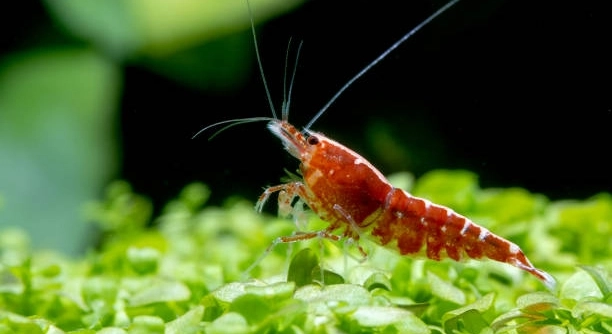
Have you ever noticed your shrimp moving nervously or hiding more than usual in their tank? Changes in behavior can signal stress or environmental issues that need attention to maintain a healthy, balanced habitat for them.
Shrimp often become skittish due to sudden changes in water parameters, inadequate hiding spaces, or disturbances in their environment. Ensuring stable conditions, proper diet, and minimal stressors can help restore their normal behavior effectively.
Keeping shrimp calm and healthy involves understanding their needs and environment. Small adjustments can make a big difference in helping them feel secure and comfortable.
Check Water Parameters
Water quality has the biggest impact on shrimp behavior. I always keep an eye on ammonia, nitrite, and nitrate levels, because even small changes can stress shrimp quickly. Temperature fluctuations can also make them skittish, so I try to keep the tank stable. Regular water testing and partial changes help maintain a healthy environment. Hardness and pH levels matter as well. Shrimp are sensitive to sudden shifts in these conditions, and adjusting them slowly prevents shock. I also make sure to remove leftover food or debris that could affect water chemistry. Using a reliable test kit makes it easier to catch problems early. Observing shrimp daily gives clues about water health too. Their behavior often reflects subtle changes that tests might miss. Clean, stable water creates confidence for shrimp to explore and eat normally. Over time, this reduces skittish movements and hiding, keeping the tank peaceful.
Maintaining stable water conditions, including pH, temperature, and nutrient levels, is essential for shrimp to feel secure and minimize stress responses.
Even with proper parameters, shrimp need time to adjust after changes. A consistent schedule for feeding and maintenance can help them feel more comfortable, reducing sudden skittish behavior and promoting natural activity.
Provide Hiding Spaces
Shrimp need places to hide when they feel threatened. Plants, moss, and small decorations create safe zones where they can retreat. A well-planted tank reduces visible stress and encourages normal behavior.
Adding moss, small caves, or dense plant areas gives shrimp cover. They use these spots to rest, molt, and feel safe.
Hiding spaces are more than decoration. When shrimp molt, they are vulnerable and need protection from tankmates or currents. Dense plant growth offers surfaces for grazing and improves water quality by absorbing excess nutrients. Moss and fine-leaf plants create microhabitats where baby shrimp can survive and grow. Using driftwood or small rock piles adds variety, so shrimp have multiple options. Avoid overcrowding the tank, but place enough structures to let shrimp escape when stressed. Observing which areas shrimp prefer shows how to adjust arrangements. A balanced layout with open swimming areas and hiding spots encourages confidence and activity. Over time, shrimp will explore more and skittish behavior will decrease, showing that the tank feels safe and secure.
Minimize Sudden Movements
Shrimp react to sudden changes in their environment. Quick hand movements near the tank or tapping on glass can make them skittish. I try to move slowly and carefully during feeding or maintenance.
Keeping a calm approach during tank work reduces stress. I noticed when I stopped tapping the glass or moving decorations abruptly, shrimp spent more time exploring instead of hiding. Even small disturbances, like shadows across the tank, can trigger nervous behavior. By working steadily and predictably, shrimp learn the tank is safe, which helps them feel secure. Adjusting lighting gradually also reduces startle responses. Over time, they become more confident and skittish tendencies fade.
Light intensity affects shrimp behavior. Bright overhead lights can stress them, so I use dimmers or place plants strategically to diffuse lighting. Gradual transitions in brightness help shrimp adapt, creating a calmer environment.
Monitor Tankmates
Not all tankmates get along with shrimp. Fish that chase or nip can make shrimp hide constantly, which I’ve seen firsthand.
Observing interactions is key. Aggressive or fast-moving fish increase stress, making shrimp reluctant to feed or explore. Even calm fish may scare juveniles. Separating species or using barriers helps maintain a peaceful tank. Adding plants or decorations also gives shrimp escape routes, improving their comfort. Choosing compatible species and watching behavior daily prevents unnecessary stress. Proper tankmate selection supports shrimp activity, feeding, and molting, keeping the aquarium balanced and healthy.
Keep Feeding Consistent
Shrimp respond well to a regular feeding schedule. I try to feed them the same time each day, using measured amounts to avoid leftover waste.
Overfeeding can cause water issues and stress. I portion food carefully, giving just enough for a few hours, which keeps shrimp active and comfortable.
Use Gentle Filtration
Strong currents can make shrimp nervous. I use sponge filters or low-flow pumps to keep water moving gently without disturbing them.
Filtration should remove debris and maintain water quality without creating waves. Gentle water movement helps shrimp forage naturally, reduces stress, and keeps the tank balanced.
Avoid Overcrowding
Too many shrimp or tankmates in one space increases stress. I make sure the population matches tank size, giving each shrimp room to move and hide.
Maintain Stable Temperature
Sudden changes in water temperature can trigger skittish behavior. I monitor the tank daily, using a heater or chiller to keep conditions steady and comfortable for shrimp.
FAQ
Why are my shrimp hiding all the time?
Shrimp hide when they feel unsafe or stressed. Common reasons include sudden water changes, aggressive tankmates, bright lighting, or lack of hiding spots. I always check water parameters first, then ensure there are plenty of plants and decorations for cover. Giving shrimp time to adjust helps them explore again naturally.
How do I know if my water quality is affecting my shrimp?
Shrimp are very sensitive to ammonia, nitrites, nitrates, and pH changes. If they start darting or clinging to surfaces, it’s often a sign something is off. I test the water regularly and do partial changes to keep levels safe. Stable, clean water usually restores normal behavior quickly.
Can tankmates make shrimp skittish?
Yes. Fast or aggressive fish can stress shrimp, especially juveniles. I watch interactions closely and add barriers or more plants if needed. Choosing peaceful, compatible species makes a huge difference. Over time, shrimp become more confident when they have safe spaces to retreat.
Does lighting affect shrimp behavior?
Bright or sudden light changes can make shrimp nervous. I prefer dim or adjustable lighting and use plants to diffuse brightness. Gradual transitions during the day help them feel secure. Consistent lighting routines reduce hiding and encourage normal feeding patterns.
How often should I feed shrimp to reduce stress?
Shrimp do best with small, regular feedings. I feed once or twice daily, giving only what they can eat in a few hours. Overfeeding pollutes the water and increases stress. A balanced diet with algae wafers, blanched vegetables, or shrimp pellets works well.
Can temperature swings make shrimp skittish?
Absolutely. Sudden drops or spikes in water temperature stress shrimp. I keep a reliable heater or chiller and monitor temperatures daily. Small, gradual changes are fine, but sudden shifts can cause hiding, erratic swimming, or molting issues. Stability is key for calm shrimp.
Do shrimp prefer certain tank setups to feel safe?
Shrimp thrive in tanks with plants, moss, and hiding spots. Dense areas let them explore while feeling secure. I mix open swimming spaces with shaded or covered zones. Decorations like driftwood or rocks also provide surfaces to graze and retreat. Variety keeps them active and reduces skittish behavior.
How long does it take for shrimp to calm down after stress?
The time varies based on the cause. If water conditions improve or tankmates are separated, shrimp can start acting normal within hours or days. I monitor daily, giving them consistent care and hiding spaces. Patience and stable conditions are essential for recovery.
Is it normal for shrimp to molt frequently when stressed?
Stress can affect molting, sometimes causing delays or irregular cycles. Healthy water, proper diet, and calm surroundings support regular molting. I provide calcium-rich foods and safe hiding spots to help shrimp complete molting successfully without added stress.
Can adding plants really make a difference?
Yes, plants improve water quality, reduce light intensity, and offer hiding spots. I noticed shrimp explore more and hide less when tanks are well-planted. Moss, ferns, and floating plants create microhabitats that support natural behavior and overall well-being.
How do I know if my shrimp are healthy aside from behavior?
Healthy shrimp are active, feed regularly, and have clear, intact shells. Molting should occur without issues, and they should interact with the environment naturally. I keep an eye on color, movement, and grazing habits to gauge health. Stress signs often appear before illness, so early observation helps prevent problems.
Are there supplements that help reduce stress?
Some natural additives, like mineral boosters or shrimp-specific water conditioners, can help maintain stability. I use these sparingly to support water hardness and trace elements. Overdoing supplements isn’t necessary, but proper minerals can encourage calmer behavior and better molting.
Should I quarantine new shrimp or plants?
Yes. Introducing new shrimp or plants without quarantine can bring diseases or parasites that stress existing shrimp. I keep new additions separate for a week or two, watching for signs of illness before mixing them with the main tank. This prevents unnecessary hiding and panic among current shrimp.
Can water flow be too strong for shrimp?
Strong currents make shrimp nervous, especially small or juvenile ones. I use sponge filters or low-flow pumps to provide gentle movement. Too much turbulence causes hiding, erratic swimming, or even injuries. Adjusting flow carefully creates a comfortable environment without compromising filtration.
Is it normal for shrimp to act skittish at night?
Shrimp may be more cautious in the dark if tank lighting changes suddenly or shadows appear. I maintain consistent night conditions and avoid sudden bright lights during maintenance. Gradual transitions and secure hiding spots reduce nighttime stress and support normal activity.
Do different shrimp species have varying sensitivity?
Yes. Some species are naturally more cautious or timid. I research the species’ behavior before adding them to a tank. Providing appropriate plants, tankmates, and stable conditions helps all shrimp feel safe, even the more sensitive varieties.
Can stress affect shrimp reproduction?
High stress reduces molting efficiency and mating behavior. I maintain consistent water quality, gentle flow, and calm tankmates to support breeding. Shrimp are more likely to reproduce successfully in a stable, low-stress environment with plenty of hiding spots.
How do I handle shrimp safely during maintenance?
Minimize direct handling. Use soft nets if needed and move slowly. I avoid sudden splashes or tapping on the glass while cleaning. Careful handling reduces stress, prevents injury, and keeps shrimp calm during routine tank care.
What signs show shrimp are finally comfortable?
Active grazing, exploring open areas, and minimal hiding indicate comfort. I notice them responding calmly to light changes and tank activity. When shrimp regularly molt successfully and interact with the environment, it’s a clear sign they feel secure.
Can diet influence shrimp behavior?
Yes. Balanced food keeps shrimp healthy and calm. I feed a mix of pellets, blanched vegetables, and occasional protein sources. Poor nutrition weakens them, making them more nervous and prone to hiding. Proper feeding supports activity, color, and overall confidence in the tank.
How often should I observe shrimp for stress signs?
Daily observation is best. Even short checks help spot unusual hiding, erratic swimming, or color changes. I use these observations to adjust feeding, water parameters, or tank setup quickly. Consistent monitoring prevents minor stress from becoming serious issues and helps shrimp stay healthy.
Do seasonal changes affect shrimp behavior?
Yes. Temperature fluctuations, lighting differences, and water source variations can make shrimp skittish. I adjust heaters and monitor water quality during seasonal shifts. Maintaining consistent conditions despite outside changes keeps shrimp calm and reduces stress-related behavior.
Is it normal for shrimp to be shy when new to a tank?
Absolutely. New shrimp hide while adjusting to water parameters, tankmates, and surroundings. I provide plenty of cover and minimize disturbances during the first days. Patience and stable care help them gradually explore and become comfortable.
How can I encourage shy shrimp to explore?
Gradually reducing hiding spots while maintaining safety, offering varied food, and minimizing disturbances encourages exploration. I noticed that shrimp start venturing out more when they feel secure and know food is available. Over time, confidence grows naturally.
Can water additives help calm stressed shrimp?
Some conditioners reduce stress by stabilizing pH and hardness. I use reputable products in small doses only when needed. Overuse can harm water chemistry, but careful application supports calm, healthy shrimp in combination with proper tank care.
How important is tank size for shrimp comfort?
Larger tanks give shrimp more space to hide, forage, and interact. Crowded tanks increase stress and skittish behavior. I match shrimp numbers to tank size, add plants and structures, and avoid overpopulation for a stable, comfortable environment.
Should I be concerned if only some shrimp are skittish?
Yes. Individual stress can indicate health issues, water parameter sensitivity, or dominance from tankmates. I observe closely, test water, and check diet. Providing extra hiding spots and ensuring peaceful interactions helps skittish individuals regain confidence.
Do shrimp react to human presence?
They do. Quick movements or shadows can startle them. I approach the tank slowly, minimize tapping, and feed gently. Consistent, calm behavior around the tank reduces fear and encourages normal activity.
Can plants and decorations reduce stress for new shrimp?
Yes. Dense foliage and varied surfaces provide hiding, grazing, and comfort. I noticed shrimp explore faster and molt safely when they have plenty of cover. Strategic placement of plants and decorations creates secure microhabitats that support calm behavior.
How long should I monitor new tank conditions?
At least two weeks before making major changes. I test water daily and observe shrimp behavior. Gradual adjustments prevent stress, allow shrimp to adapt, and reduce skittish tendencies effectively.
Is it okay if shrimp hide during the day?
Yes, occasional hiding is normal. I watch for patterns—persistent hiding may indicate stress, water issues, or aggressive tankmates. When shrimp balance hiding and activity, it shows they feel safe and comfortable.
Do shrimp need routine checkups like other pets?
Indirectly. Monitoring water quality, behavior, and diet acts as a routine checkup. I check for molting problems, activity levels, and tank conditions regularly. Early detection of stress signs prevents health issues and ensures shrimp thrive in a calm environment.
What’s the best approach to reduce skittish behavior overall?
Consistent water parameters, gentle handling, compatible tankmates, ample hiding spots, and a proper diet are key. I follow these steps and observe results. Gradual improvements in shrimp confidence show that a stable, safe environment is the most effective way to minimize stress.
How do I balance water flow and filtration for shrimp?
Low-flow sponge filters work best. They maintain water quality without strong currents. I position pumps carefully, ensuring gentle circulation, which keeps shrimp comfortable and reduces hiding while supporting healthy tank conditions.
Can stress affect shrimp color or shell quality?
Yes. Nervous or stressed shrimp may appear pale, dull, or have weak shells. I focus on stable water, diet, and safe surroundings. Over time, proper care restores vibrant color and healthy exoskeletons.
Should I separate new shrimp from older ones?
Quarantining new shrimp prevents disease and reduces aggression stress. I observe new arrivals for signs of illness before adding them to the main tank. This keeps the existing shrimp calm and minimizes skittish behavior.
Do shrimp respond to tank cleaning?
They do. Sudden water changes, substrate stirring, or moving decorations can startle them. I clean slowly and predictably, maintaining water parameters and minimizing disturbances to keep shrimp calm.
Is it normal for shrimp to be more active during feeding?
Yes. Feeding time encourages movement, exploration, and grazing. I use this routine to monitor shrimp behavior. Active, confident feeding shows they are comfortable and stress-free in their environment.
How often should I replace or clean hiding spots?
Only as needed. I clean plants and decorations gently to avoid removing beneficial biofilm. Over-manipulating hiding spots can stress shrimp, while careful maintenance maintains comfort and encourages natural behavior.
Can water changes reduce skittish behavior?
Yes, if done carefully. Partial, gradual water changes keep parameters stable while improving water quality. I avoid sudden shifts in temperature or chemistry to prevent stress and encourage shrimp to explore.
Are some shrimp naturally shy?
Yes. Species and individual personality influence behavior. I provide ample cover and a calm environment, letting shy shrimp adjust at their own pace. Over time, even timid shrimp become more active and confident.
Do I need to worry about seasonal algae affecting shrimp behavior?
Algae provides grazing but excessive growth can alter water quality. I manage algae levels, offering a safe food source without stressing shrimp or changing water conditions drastically. Balanced algae growth supports calm, healthy shrimp activity.
How important is patience in managing skittish shrimp?
Very. Changes in behavior take time to resolve. I adjust conditions gradually, observe daily, and provide consistent care. Patience allows shrimp to gain confidence naturally, reducing skittish tendencies without forcing interaction.
Can supplements like minerals or trace elements help shrimp feel safer?
Yes, when used correctly. Maintaining proper hardness and minerals supports exoskeleton health and overall well-being. I apply small doses as needed, ensuring a stable, comfortable environment that reduces nervous behavior.
Is it necessary to document shrimp behavior?
Keeping notes helps track stress patterns, molting, feeding, and interactions. I record observations daily, which helps me identify problems early and adjust care to maintain calm, healthy shrimp.
Can temperature, pH, and water hardness changes all contribute at once?
Yes, combined fluctuations amplify stress. I monitor all parameters together, making gradual adjustments. Stability across these factors keeps shrimp comfortable and reduces skittish behavior effectively.
Do shrimp communicate stress to each other?
Indirectly. Stressed shrimp may hide or move erratically, which can influence nearby shrimp. I create a calm, stable environment to prevent group stress and encourage normal activity across all individuals.
How long does it take to see improvement after changes?
It varies, but generally a few days to a week. I monitor daily, maintain stable conditions, and provide hiding spots. Gradual improvement shows shrimp are adjusting and feeling more secure.
Are some shrimp more sensitive to noise or vibrations?
Yes. I minimize tapping, loud movements, and vibration near the tank. Gentle handling and stable surroundings reduce stress, keeping shrimp calm and less skittish.
Can feeding frequency or type reduce skittish behavior?
Yes. Small, regular feedings with a varied diet support activity and confidence. I avoid overfeeding and monitor shrimp responses. Balanced nutrition and consistent schedules help shrimp feel secure and reduce hiding tendencies.
Do tank decorations affect shrimp confidence?
Decorations create hiding spots and surfaces for grazing. I arrange them to provide variety and safety, allowing shrimp to explore comfortably. Proper placement encourages confidence and reduces nervous behavior.
Should I adjust water flow when adding new shrimp?
Yes. Gentle currents are safer for newcomers. I reduce flow slightly until they acclimate, then gradually return to normal circulation. This prevents stress and encourages exploration.
Is it okay for shrimp to be shy after molting?
Yes. Molted shrimp are vulnerable and hide until their shells harden. I provide secure areas, minimal disturbance, and proper nutrition to support recovery. Over time, they regain confidence and normal behavior.
Can overfeeding cause stress?
Yes. Excess food decays, affecting water quality and making shrimp uneasy. I feed measured portions, removing leftovers promptly to maintain a clean, safe environment that keeps shrimp calm and active.
How do I know if my shrimp are stressed long-term?
Persistent hiding, erratic swimming, color changes, or molting problems indicate ongoing stress. I check water, tankmates, diet, and environment, adjusting care to restore normal behavior and comfort.
Does seasonal temperature change require special care?
Yes. I adjust heaters, monitor water, and keep lighting consistent to prevent sudden fluctuations. Stable conditions help shrimp stay calm and active year-round.
Can overcrowding affect stress levels?
Definitely. Too many shrimp or tankmates increase hiding and nervous behavior. I maintain proper population density, providing space and hiding spots to reduce competition and promote calm, natural activity.
Are shrimp more sensitive during breeding periods?
Yes. Breeding shrimp are more cautious and may hide more. I ensure stable conditions, calm tankmates, and ample cover to support safe reproduction and reduce stress.
Does sudden water parameter change affect skittish behavior immediately?
Yes. Sudden shifts in pH, temperature, or hardness trigger hiding and erratic movements. I make changes slowly, monitoring shrimp closely to prevent stress and promote recovery.
Can shrimp get used to tankmates over time?
Yes. Gradual, peaceful interaction allows shrimp to feel safe around other species. I provide hiding spots and observe behavior daily. Over time, confidence increases and skittish behavior decreases naturally.
Is it normal for shrimp to start hiding after a tank cleaning?
Yes, especially if water parameters or decorations were disturbed. I clean slowly, maintain stable water, and give them time to adjust. Consistent, gentle maintenance reduces stress responses over time.
Can feeding variety improve confidence?
Yes. Offering vegetables, pellets, and occasional protein encourages exploration and reduces hiding. I noticed shrimp become more active when they anticipate food in a calm, predictable environment.
Do shrimp prefer shaded areas?
Yes. Shaded spots reduce light intensity and offer security. I place plants and decorations strategically to create comfortable, protected zones where shrimp feel safe and more willing to explore.
Can frequent handling increase skittish behavior?
Yes. Minimal handling is best. I use soft nets and move slowly when necessary. Reducing direct contact prevents stress, allowing shrimp to act naturally and explore the tank confidently.
Are shrimp more comfortable in planted tanks?
Yes. Plants provide cover, surfaces to graze, and improve water quality. I find shrimp hide less, feed more actively, and show calmer behavior in well-planted, stable tanks.
Does water hardness influence shrimp confidence?
Yes. Proper calcium and mineral levels support molting and shell health. I monitor hardness regularly, adjusting gradually if needed. Stable hardness reduces stress and encourages normal, confident behavior.
How do I prevent stress when adding new plants?
Rinse plants, quarantine if needed, and avoid sudden rearrangement. I introduce them slowly, giving shrimp time to explore without disruption. This prevents nervous behavior and supports a calm environment.
Can external vibrations affect shrimp?
Yes. Nearby heavy foot traffic, doors slamming, or appliances can startle them. I place tanks in low-traffic areas and reduce vibrations to maintain calm, natural activity.
Do shrimp prefer low-flow tanks?
Generally, yes. Gentle water movement supports health without causing nervous swimming or hiding. I use sponge filters and low-flow pumps to balance filtration and comfort.
Is it okay for shrimp to hide in groups?
Yes. Group hiding can indicate shared stress or a sense of safety. I observe patterns, adjust tankmates, and provide additional cover to support calm exploration.
Can feeding schedules affect skittish behavior?
Yes. Consistent feeding times help shrimp anticipate food, reducing hiding and nervous movements. I feed measured portions daily to encourage predictable, calm behavior.
Do shrimp react to shadows or reflections?
Yes. Sudden shadows or reflections can trigger hiding. I minimize outside light sources and position the tank carefully to reduce stress and maintain a comfortable environment.
How do I know when skittish behavior is resolved?
Shrimp explore openly, feed actively, and interact naturally with their environment. I observe consistent activity, minimal hiding, and successful molting as indicators that stress is reduced.
Can water changes ever cause stress if done incorrectly?
Yes. Large, sudden changes or mismatched temperatures trigger hiding and erratic swimming. I perform gradual, partial water changes
Shrimp can be delicate creatures, and their skittish behavior is often a reflection of how comfortable they feel in their environment. I have learned that small changes in water quality, tankmates, or lighting can make a big difference in how they act. By keeping water parameters stable, such as pH, temperature, and hardness, shrimp are less likely to hide or dart around nervously. Regular partial water changes and careful monitoring of ammonia, nitrites, and nitrates help prevent sudden stress. Even minor shifts in these levels can trigger nervous behavior, so consistency is key. Observing shrimp daily allows you to notice changes early and adjust care before issues worsen. Over time, this careful attention helps shrimp settle in, feel secure, and display their natural, calm behaviors.
Providing hiding spaces is another important factor in reducing skittishness. Shrimp feel safer when they have plants, moss, or small decorations to retreat into. I always try to create a mix of open swimming areas and covered zones so they can choose where to be. Dense plants or caves also give molting shrimp a safe place to harden their shells without disturbance. Even for more confident shrimp, having multiple options for cover encourages exploration and reduces stress from potential disturbances like water flow, feeding, or the presence of tankmates. Decorations like driftwood or rock piles can provide surfaces for grazing and create interesting areas for shrimp to explore while still feeling protected. Over time, they learn which areas are safe, which helps reduce nervous movements and constant hiding.
Consistency in all aspects of shrimp care is essential. Feeding schedules, gentle filtration, proper tankmates, and stable lighting all contribute to a calm environment. I have noticed that shrimp respond positively when these routines are predictable and reliable. Sudden changes in food type, lighting intensity, or tank layout can make them wary, even if everything else is well-maintained. Patience is necessary because shrimp take time to adjust to their surroundings, and their confidence builds gradually. Observing behavior, keeping conditions stable, and providing safe spaces will help shrimp regain calmness and improve their overall health. By maintaining these simple but consistent practices, shrimp can thrive, move more freely, and interact with their environment naturally, making the tank a more peaceful and enjoyable space.

Hello,
If you enjoy the content that we create, please consider saying a "Thank You!" by leaving a tip.
Every little bit helps us continue crafting quality advice that supports the health, happiness, and well-being of pets around the world, for pets of all shapes, sizes, and species.
We really appreciate the kindness and support that you show us!