
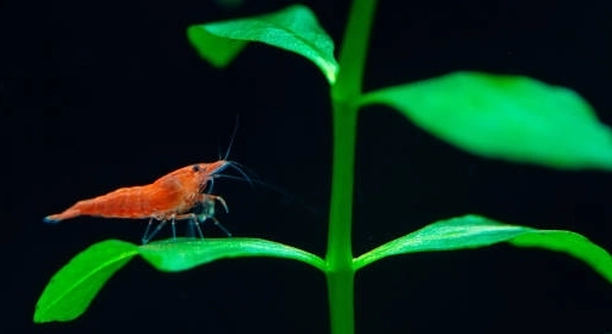
Are your cherry shrimp showing signs of molting and leaving you unsure how to help them safely? Molting is a delicate time, and even small missteps can stress your shrimp or slow their growth.
Supporting cherry shrimp through a molt requires careful attention to water quality, diet, and habitat conditions. Providing calcium-rich foods, stable water parameters, gentle handling, and safe hiding spots reduces stress and promotes successful exoskeleton development. Regular observation ensures timely intervention.
Understanding these strategies will improve your shrimp’s health and help them thrive during molting stages in your aquarium.
Maintain Stable Water Parameters
Cherry shrimp are very sensitive to changes in their environment, especially during a molt. Sudden shifts in temperature, pH, or hardness can stress them and make the molting process risky. Keeping a consistent water temperature between 72–78°F and maintaining a stable pH around 6.5–7.5 helps reduce stress. Hardness should be moderate, as extremely soft or hard water can hinder shell formation. Regular water testing and partial water changes are essential to maintain these conditions. Avoid using harsh chemicals or treatments that could affect the delicate balance. Even small fluctuations can delay molting or cause incomplete molts, which may be fatal. Observing your shrimp daily allows you to notice early signs of stress, such as hiding or reduced activity. Providing a quiet and calm tank environment without sudden movements also reduces stress, supporting healthy molting and overall shrimp well-being. Consistency is key to helping your shrimp successfully molt.
Stable water reduces stress, helping shrimp molt safely and recover quickly without complications.
Avoiding sudden changes and monitoring water parameters carefully ensures shrimp stay healthy and continue thriving throughout their molting cycles.
Provide Hiding Spots
Shrimp need secure places to retreat during molting, as they are vulnerable to stress and predation. Moss, plants, and small caves allow them to feel safe while shedding their exoskeleton.
Hiding spots minimize exposure and give shrimp confidence to complete the molt without interruption.
Dense plant coverage, small ceramic caves, or even egg crates cut to size can be effective hiding options. Avoid overcrowding the tank, as too many shrimp in limited spaces can increase competition and stress. Soft mosses like Java moss also serve as a substrate for newly molted shrimp to cling to while their shells harden. Rocks with smooth edges provide additional shelter without damaging delicate bodies. Changing the layout occasionally is fine, but keep hiding spots consistent during molting periods. Observation is key; if shrimp are avoiding open areas, adding extra cover can encourage safer molts. Providing multiple hiding options ensures all shrimp have a safe space to molt at their own pace, which improves survival rates and overall health.
Offer Calcium-Rich Foods
Calcium is crucial for cherry shrimp during a molt, helping them build a strong new exoskeleton. Foods like crushed cuttlebone, blanched vegetables, and specialized shrimp pellets provide essential minerals.
Consistently offering calcium-rich foods ensures your shrimp can regenerate their shells without weakness or deformities. Natural sources like spinach, kale, and zucchini work well, and commercially prepared shrimp foods often include calcium. Feeding in small amounts prevents water pollution and ensures shrimp actually consume the nutrients. Overfeeding can lead to ammonia spikes, which are stressful during molting. Adding mineral supplements directly to the water can also support shell formation, but careful dosing is necessary. Combining varied foods and supplements helps maintain balanced nutrition and stronger exoskeletons.
Timing feedings around active periods encourages shrimp to eat more and benefit fully. Providing a mix of natural and commercial calcium sources ensures even the shy or smaller shrimp receive enough minerals.
Maintain Clean Tank Conditions
Dirty tanks can increase stress and infection risk for molting shrimp. Regular substrate cleaning and water changes remove harmful buildup and keep water clear.
Maintaining cleanliness reduces the chance of bacterial infections and supports healthy molting.
Debris and uneaten food can create harmful ammonia and nitrite spikes, which interfere with proper molting. Vacuuming the substrate lightly during water changes prevents disturbing the shrimp while removing excess waste. Filter maintenance is equally important; clean filters trap debris without creating strong currents that could stress shrimp. Avoid using harsh chemicals when cleaning, as they can damage sensitive gill structures. Introducing live plants helps absorb excess nutrients and maintain water quality naturally. Consistent cleaning routines ensure shrimp have a stable, healthy environment, minimizing complications and promoting successful molts.
Minimize Stress
Stress can disrupt the molting process and make shrimp more vulnerable to health issues. Keep the tank environment calm and stable.
Avoid sudden movements near the tank and limit loud noises or vibrations. A peaceful setup supports successful molts and overall shrimp well-being.
Control Tank Population
Overcrowding increases competition for food and hiding spots, which can stress shrimp during molting. Maintaining a moderate population ensures each shrimp has space and access to resources. Providing proper tank size and density helps reduce aggression and allows shrimp to molt safely without interference from others.
Monitor Molting Progress
Regular observation helps identify shrimp that are struggling or molting improperly. Watch for incomplete molts or signs of stress.
Timely intervention can prevent complications and ensure shrimp recover fully.
FAQ
How often do cherry shrimp molt?
Cherry shrimp typically molt every 4 to 6 weeks, though younger shrimp may molt more frequently. Molting frequency depends on water quality, temperature, diet, and overall health. Consistent care and stable tank conditions help regulate the molting schedule and support proper growth.
What are the signs a shrimp is about to molt?
Shrimp preparing to molt often become less active and may hide more than usual. Their exoskeleton may appear dull, and you might notice a slight separation between the old shell and the body. Some shrimp will eat more calcium-rich foods in preparation for their molt.
What should I do if a shrimp gets stuck while molting?
If a shrimp struggles with an incomplete molt, it may need immediate attention. Ensure water parameters are ideal, and remove any sharp objects or aggressive tankmates that might interfere. Avoid handling unless absolutely necessary, as shrimp are delicate during this time. Providing extra calcium and hiding spaces can help recovery.
Can stress prevent a shrimp from molting?
Yes, stress from poor water quality, sudden temperature changes, or overcrowding can delay molting. Reducing disturbances, maintaining clean water, and offering secure hiding spots encourages shrimp to molt safely and on schedule. Regular monitoring helps catch stress factors early.
Is it normal for shrimp to eat their old exoskeleton?
Yes, consuming their old shell is common and beneficial. It provides essential minerals like calcium that support the new exoskeleton. Make sure there is enough natural or supplemented calcium in the tank, as this practice alone may not fully meet their nutritional needs.
How can I help shrimp recover faster after molting?
Providing a stress-free environment with stable water parameters, hiding spots, and calcium-rich foods supports faster recovery. Avoid disturbing freshly molted shrimp and monitor for signs of weakness or incomplete shell hardening. Patience is essential, as full recovery can take several hours to a day.
Do all shrimp molt at the same time?
No, molting occurs individually. Each shrimp has its own growth cycle, influenced by age, size, and health. Overcrowding or aggressive tankmates can affect timing, but generally, shrimp will molt independently without coordination. This individual process reduces competition for hiding spaces and resources.
What water parameters are ideal during molting?
Stable temperature between 72–78°F, pH around 6.5–7.5, and moderate hardness are ideal. Ammonia and nitrite levels should remain at zero, while nitrates should be low. Consistent water testing ensures the environment supports safe molts and overall shrimp health.
Should I separate shrimp during molting?
Generally, separation is not necessary if the tank has adequate hiding spots and low stress. Overcrowding or aggressive species may require temporary separation to prevent interference or injury. Provide gentle observation rather than frequent handling.
How long does a shrimp take to harden after molting?
After molting, a shrimp’s new exoskeleton can take 24–48 hours to fully harden, depending on water quality, calcium availability, and temperature. During this time, shrimp are extremely vulnerable, so minimizing stress and providing secure hiding places is critical for survival.
Can diet affect molting success?
Yes, a balanced diet rich in minerals, especially calcium, supports healthy shell development. Shrimp benefit from a combination of blanched vegetables, algae, and specialized shrimp pellets. Poor nutrition can result in incomplete molts, weak shells, or increased mortality.
Is it normal for shrimp to hide a lot after molting?
Yes, hiding protects them while their new exoskeleton is soft. Providing sufficient plant cover, moss, or caves allows them to feel safe during this vulnerable period. Disturbing them during this time can stress them and prolong recovery.
Can water changes during molting be harmful?
Large, sudden water changes can stress molting shrimp. It’s best to perform small, frequent water changes with stable parameters. Ensure replacement water is dechlorinated and matches tank temperature and chemistry closely to avoid shock.
How do I know if a shrimp’s molt was successful?
A successful molt results in a fully hardened new exoskeleton without deformities. The shrimp should regain normal activity levels, coloration, and feeding behavior within a day. Monitoring for weakness, lethargy, or retained shell pieces helps identify any issues early.
What should I avoid during molting?
Avoid handling, sudden water parameter changes, aggressive tankmates, and excessive feeding that may dirty the water. Sharp decorations or overcrowding can also cause injury. Focus on a calm, stable environment with plenty of hiding places and proper nutrition.
Can shrimp molt without sufficient hiding spots?
Lack of hiding places increases stress and can lead to incomplete molts or injury from tankmates. Providing dense plants, moss, or small caves gives shrimp safe spaces to molt and recover, which is crucial for their survival and shell quality.
Is it normal for shrimp to skip molts?
Shrimp generally molt on a regular schedule, but stress, poor water quality, or inadequate nutrition can delay or skip molts. Ensuring a stable environment and proper diet reduces interruptions and supports healthy growth.
How do I encourage shy shrimp to eat during molting?
Offer food in small portions near hiding spots to make feeding accessible. Calcium-rich foods like blanched vegetables or specialized pellets encourage intake without forcing shrimp out of their safe areas. Consistent feeding routines help shy shrimp get enough nutrients.
Are there signs of molting problems I should watch for?
Yes, incomplete molts, weak or deformed shells, prolonged hiding, and inactivity are warning signs. Early detection allows intervention by adjusting water parameters, providing calcium, or increasing hiding spaces. Timely action can prevent fatalities and support healthy shrimp growth.
Can molting issues affect reproduction?
Molting problems can impact reproductive health. Weak or incomplete shells make shrimp more vulnerable to stress and reduce the likelihood of successful mating. Supporting healthy molts through proper care promotes both survival and reproductive success.
How important is observation during molting?
Observation is critical. Watching shrimp daily helps identify stress, incomplete molts, and feeding issues. Early detection allows timely interventions, ensuring shrimp remain healthy and develop strong exoskeletons. Consistent monitoring supports long-term tank stability and shrimp survival.
Molting is one of the most critical periods in a cherry shrimp’s life. During this time, they are particularly vulnerable to stress, poor water conditions, and injuries. Providing a stable environment is the first and most important step in helping shrimp through a molt. Consistent water temperature, stable pH, and appropriate hardness create conditions where shrimp can molt without complications. Small fluctuations in these parameters may seem minor, but they can delay molting, cause incomplete exoskeletons, or even lead to fatalities. Observing water quality daily and making gradual adjustments when necessary helps maintain the ideal environment. Additionally, regular cleaning of the tank, careful substrate maintenance, and proper filtration all contribute to healthier shrimp that can molt safely. These measures reduce stress, prevent infections, and encourage shrimp to continue growing and thriving. Consistency is key, and even small steps make a noticeable difference during molting periods.
Nutrition is equally important for supporting molting. Calcium and other minerals are essential for forming a strong new exoskeleton. Offering a variety of calcium-rich foods, including blanched vegetables, specialized shrimp pellets, and natural sources like algae, ensures shrimp have the nutrients they need. Many shrimp will also consume their old exoskeleton to recycle minerals, which supplements their diet naturally. Feeding in small, controlled amounts prevents excess waste in the tank, which can impact water quality and indirectly stress shrimp. A balanced diet not only supports molting but also strengthens the shrimp overall, making them more resilient to environmental changes. Providing consistent nutrition tailored to the shrimp’s needs helps prevent weak shells, incomplete molts, and health complications, allowing them to develop properly.
Providing a safe and calm environment is also essential. Hiding spots such as moss, plants, or small caves give shrimp a place to retreat while their exoskeleton is soft. Minimizing disturbances around the tank, avoiding aggressive tankmates, and controlling noise or vibration reduces stress during molting. Stress can delay the process and create complications, so giving shrimp security and privacy is important. Monitoring shrimp daily allows for early intervention if any issues arise, such as incomplete molts or weakened exoskeletons. Simple steps like ensuring adequate space, clean water, balanced nutrition, and protective hiding places create conditions for healthy molting. Supporting shrimp in these ways improves their survival, encourages proper growth, and ensures they remain active and healthy in the long term.

Hello,
If you enjoy the content that we create, please consider saying a "Thank You!" by leaving a tip.
Every little bit helps us continue crafting quality advice that supports the health, happiness, and well-being of pets around the world, for pets of all shapes, sizes, and species.
We really appreciate the kindness and support that you show us!