
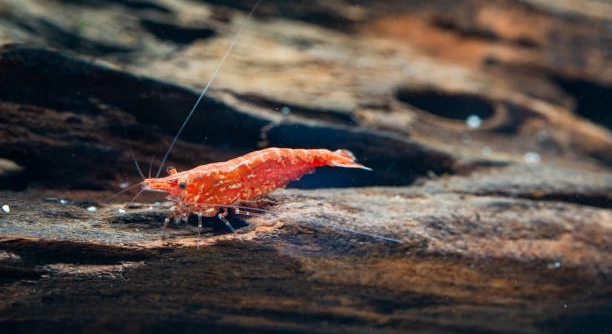
Have you ever noticed your shrimp acting differently in their tank, moving slower or hiding more than usual? Observing their behavior can reveal a lot about their comfort and overall well-being in their environment.
Shrimp display stress through various physical and behavioral changes that indicate environmental or health issues. Recognizing these signs early allows for timely intervention, which helps maintain optimal conditions and supports their survival and growth.
Understanding these stress indicators can help you create a healthier habitat. Small adjustments often make a big difference in shrimp comfort and longevity.
Uneven Swimming Patterns
Shrimp usually glide smoothly through the water, but when they start darting around quickly or struggling to stay upright, it’s a clear sign of stress. I’ve noticed mine sometimes twitch near the surface or bump into decorations, which always worries me. Changes in swimming behavior often indicate issues like poor water quality, sudden temperature shifts, or low oxygen levels. Even slight changes in the tank environment can affect them because shrimp are sensitive creatures. Observing patterns over time helps me understand what’s normal and what isn’t. Stress may also make them avoid their usual hiding spots or congregate in unusual areas. By tracking these movements, I can adjust the water parameters, rearrange decorations, or check for chemical contaminants. Paying attention to swimming behavior not only protects their health but also ensures they maintain their natural habits. Even small interventions can prevent illness and improve their overall well-being in the tank.
Shrimp showing irregular swimming often need immediate attention to water conditions and tank maintenance to prevent prolonged stress.
Regular observation of swimming patterns helps detect early signs of stress. Ensuring stable temperature, proper aeration, and clean water reduces the likelihood of these erratic behaviors. I found that subtle adjustments, like adding a gentle water flow or trimming plants, make a noticeable difference. Additionally, overcrowding or sudden introduction of new tankmates can trigger frantic movements. Noticing these patterns early allows for quick corrections, avoiding long-term health problems. Consistent monitoring builds a clear understanding of each shrimp’s normal activity, making changes easier to spot. Over time, these practices foster a calm, stable environment where shrimp can thrive naturally, moving freely without unnecessary stress.
Color Changes
Shrimp normally display bright, vibrant colors, which reflect good health and a comfortable environment. When colors start fading, darkening, or turning patchy, it often signals stress from water quality issues, improper diet, or illness. I’ve observed that even slight shifts in pH or temperature make their usual reds or oranges appear dull. Stress-related color changes also occur during molting, but persistent dullness requires attention. Diet plays a role too; shrimp need a balanced mix of protein and algae to maintain color. Monitoring both water conditions and feeding habits allows me to prevent these shifts. Subtle color changes often happen before other visible stress signs, so noticing them early is crucial. Ensuring stable, clean water and proper nutrition restores vibrancy and supports overall health. Over time, attention to color not only reflects their physical well-being but also signals a stable, low-stress environment where shrimp can behave naturally and grow.
Color changes are a visible warning that water parameters or diet may need adjusting immediately.
Keeping shrimp colors bright requires consistent care. Regular water testing, stable temperature, and varied feeding prevent stress-related fading. I also adjust light exposure, since too much or too little light affects coloration. Observing shrimp closely helps me catch these changes early, ensuring they stay healthy and vibrant. Nutrient-rich food like algae wafers and occasional protein supplements strengthen their colors. Avoiding sudden tank changes and limiting chemical additives also preserves natural hues. Over time, maintaining these habits creates a thriving environment where shrimp display strong, healthy colors consistently. It’s a small but meaningful way to gauge their comfort and prevent stress-related issues before they worsen.
Hiding More Than Usual
Shrimp hiding constantly is a clear indication of stress. I noticed mine staying under rocks or plants for hours, avoiding open areas. Frequent hiding usually points to poor water conditions, sudden tank changes, or aggressive tankmates.
Shrimp naturally seek shelter, but excessive hiding signals discomfort. I’ve seen them retreat when ammonia or nitrite levels rise slightly or when water temperature shifts suddenly. Even minor disturbances, like rearranging decorations, can trigger hiding. Overcrowding also makes them feel unsafe, prompting longer periods in hiding spots. Watching their patterns helps me adjust tank layout and water parameters, ensuring they feel secure. Providing gentle filtration, stable temperature, and quiet surroundings reduces hiding and promotes normal activity.
I also found that introducing safe plants and hiding spaces gradually reduces stress. Avoiding sudden changes in diet or water chemistry helps them emerge more confidently. Observing shrimp behavior over days lets me spot persistent hiding trends. Regular water testing and maintaining a calm tank environment encourages them to explore. By balancing tankmates’ numbers and ensuring adequate space, hiding decreases naturally. Slowly, shrimp return to normal activity, signaling a stable and low-stress environment.
Clinging to Surfaces
Shrimp clinging to walls, plants, or decorations constantly can indicate stress or molting issues. I’ve noticed mine sticking more when water conditions aren’t ideal or when they’re weak from insufficient diet.
Constant clinging often occurs due to unstable water parameters, low oxygen, or lack of proper minerals needed for exoskeleton development. I observed that shrimp in tanks with fluctuating pH or temperature spent more time attached to surfaces instead of swimming freely. A lack of calcium and other nutrients can make molting harder, causing them to cling for support. Regular feeding with balanced food and supplements reduces these behaviors. Monitoring water regularly ensures the tank stays stable and prevents stress-related clinging.
Adding gentle currents and ensuring plenty of vertical surfaces helps shrimp feel secure. I also noticed that soft lighting encourages movement off surfaces, while bright lights increase clinging. Observing each shrimp during different times of the day highlights patterns and helps determine if clinging is temporary or stress-related. When water chemistry is consistent, diet is sufficient, and stressors are minimized, shrimp spend less time clinging and more time exploring the tank. Ensuring calm conditions and stable nutrition promotes normal activity and reduces these signs of stress.
Loss of Appetite
Shrimp refusing food is an immediate sign of stress. I noticed mine pushing food aside or ignoring feeding times, which often coincided with water changes or temperature shifts.
Loss of appetite can also indicate illness or poor water quality. I track feeding closely to spot these changes early and adjust tank conditions to encourage normal eating behavior.
Rapid Gill Movement
Shrimp breathing faster than usual is a sign of oxygen stress or poor water quality. I noticed mine moving their gills rapidly when the tank’s aeration was uneven.
Rapid gill movement often occurs when oxygen levels drop or water contains toxins. Observing this behavior prompted me to increase circulation, perform partial water changes, and ensure filtration was adequate. Over time, maintaining stable oxygen levels keeps shrimp calm and reduces this stress indicator.
Molting Issues
Shrimp struggling to molt often remain stuck in their old exoskeleton or shed incompletely. I noticed mine staying longer in hiding during molting periods, signaling stress or mineral deficiencies.
Why are my shrimp hiding all the time?
Shrimp hide naturally, but constant hiding usually signals stress. I’ve noticed mine staying under plants or rocks for hours when water conditions aren’t ideal or when tankmates are aggressive. Sudden changes, like rearranging decorations or introducing new shrimp, can also trigger hiding. Ensuring stable temperature, clean water, and a calm environment reduces excessive hiding. Providing multiple hiding spots helps them feel secure while allowing normal movement and feeding. Observing their behavior over several days makes it easier to determine if hiding is temporary or a persistent stress indicator.
What does it mean when shrimp stop eating?
Loss of appetite is a common stress sign. I saw mine pushing aside food during temperature shifts or after water changes. Poor water quality, illness, or inadequate diet can also reduce feeding. Regular observation helps me spot when shrimp aren’t eating normally. Adjusting water parameters, improving food quality, and ensuring consistent feeding schedules usually restore appetite. Sometimes, stress-related loss of appetite is temporary, but prolonged refusal requires checking ammonia, nitrites, pH, and tankmates’ behavior. Balanced nutrition with algae, protein supplements, and safe commercial foods supports normal feeding and helps shrimp recover quickly.
Why are my shrimp changing color?
Shrimp colors reflect health and comfort. I noticed fading or dull colors when water parameters fluctuated or diet lacked nutrients. Stress, illness, or poor lighting can also affect pigmentation. Maintaining stable water, proper temperature, and a varied diet rich in protein and algae helps them keep vibrant colors. Gradual adjustments in lighting and careful tank changes prevent sudden stress that causes color loss. Persistent dullness can indicate underlying problems, like molting difficulties or low mineral levels. Observing shrimp daily allows me to catch color changes early and intervene before health issues worsen.
What causes shrimp to cling to surfaces?
Shrimp cling to walls or decorations when stressed, weak, or during molting. I noticed mine staying attached for long periods if water was unstable or oxygen levels dropped. Lack of calcium or other minerals can make molting harder, increasing surface clinging. Adding vertical surfaces, gentle water flow, and stable conditions reduces this behavior. Observing clinging patterns helps me know whether it’s temporary or stress-related. Consistent water quality, proper diet, and calm tank conditions encourage normal swimming and exploration.
How can I tell if shrimp are stressed from water conditions?
Signs include rapid gill movement, erratic swimming, hiding, color changes, and loss of appetite. I noticed mine breathing faster or darting around after small pH or temperature shifts. Testing water regularly for ammonia, nitrites, nitrates, and pH helps prevent these problems. Proper filtration, aeration, and stable temperature reduce stress. Small, consistent interventions, like partial water changes or adding plants, make a big difference. Observing behavior alongside water parameters ensures I catch problems early and maintain a healthy tank.
What should I do if shrimp are having molting problems?
Molting difficulties appear as shrimp stuck in old shells, incomplete molts, or prolonged hiding. I noticed mine struggling when mineral levels were low or diet lacked protein. Providing calcium-rich foods, safe supplements, and stable water conditions improves molting success. Avoiding sudden temperature shifts and ensuring low stress levels during molting periods helps shrimp shed safely. Regular monitoring ensures any stuck shrimp are noticed promptly, reducing risks of injury or death. Consistent tank care and balanced nutrition support regular, healthy molting cycles.
Can tankmates cause shrimp stress?
Yes, aggressive fish or overcrowding can increase hiding, erratic swimming, and reduced feeding. I noticed my shrimp became timid when new fish were introduced. Ensuring compatible tankmates and adequate space prevents bullying. Observing interactions and adjusting stocking levels creates a calmer environment, encouraging normal behavior. Small tanks or too many shrimp increase competition, making stress more likely. Providing enough hiding places and visual barriers reduces tension. Over time, compatible community setups allow shrimp to thrive without fear, showing normal swimming, feeding, and coloration patterns.
How often should I check water parameters to prevent stress?
Daily or every few days is ideal. I check temperature, pH, ammonia, nitrite, and nitrate levels regularly. Small shifts can stress shrimp quickly. Using simple test kits and maintaining a log helps me detect trends and prevent problems. Consistent monitoring allows early adjustments, like partial water changes or aeration improvements. Ignoring small fluctuations often leads to behavioral changes such as hiding, clinging, or loss of appetite. Observing both water parameters and shrimp behavior together ensures they stay healthy. Over time, regular checks become routine and prevent most stress-related issues.
Are there ways to make shrimp feel more secure?
Yes, providing plants, rocks, and hiding spaces reduces stress. I also keep water flow gentle and temperature stable. Stable feeding schedules and a calm environment encourage normal behavior. Observing their use of shelters and adjusting tank layout improves confidence. Ensuring quiet surroundings and minimal disturbances helps shrimp explore freely. Gradual changes in tank setup or introducing new shrimp slowly reduces fear. Balanced nutrition, clean water, and proper lighting create a stable, secure habitat. Over time, shrimp spend less time hiding and more time swimming naturally.
Observing shrimp closely is one of the most effective ways to ensure they remain healthy and stress-free. Shrimp communicate discomfort through subtle changes in behavior, such as hiding more than usual, refusing food, or clinging to surfaces. Each of these actions signals that the environment may not be ideal or that their bodies are reacting to changes in water quality, temperature, or tank dynamics. Over time, noticing these patterns allows for timely interventions that prevent more serious health problems. I have learned that consistent observation, even for a few minutes each day, gives a clear picture of what is normal for each shrimp and helps identify stress before it becomes dangerous. Small details, like the brightness of their color or the way they swim, can reveal more than major visible symptoms. Paying attention to these signs is not only practical but also allows the shrimp to thrive in a more comfortable environment.
Maintaining stable tank conditions is a critical step in preventing stress. Temperature, pH, and chemical balances should remain consistent because even minor fluctuations can affect shrimp behavior. Proper filtration, gentle water flow, and adequate aeration support healthy oxygen levels, which shrimp need to move and feed normally. In addition, providing a well-balanced diet with proper nutrition keeps their bodies strong and supports molting cycles. I’ve found that gradual changes, like adjusting decorations or adding new shrimp, reduce sudden stress reactions. Overcrowding should be avoided to minimize competition and aggressive interactions among tankmates. Each small adjustment contributes to a calmer environment, encouraging shrimp to display natural behaviors such as swimming freely, feeding regularly, and showing their vibrant colors. Consistency and routine in tank management have made a noticeable difference in the health and activity of my shrimp over time.
Stress in shrimp can often be prevented rather than treated, which makes proactive care essential. Observing behavior, maintaining water quality, and providing proper nutrition all play interconnected roles in reducing stress. Even minor environmental improvements, like adding plants or creating secure hiding spots, help shrimp feel safer and more comfortable. I have noticed that shrimp become more active and colorful when their surroundings are stable and their needs are consistently met. Tracking their behavior over weeks allows patterns to emerge, making it easier to identify potential problems early. By taking small, consistent steps in tank management, it is possible to create a habitat where shrimp can thrive naturally. Healthy shrimp are active, show vibrant colors, and feed regularly, which reflects a balanced and low-stress environment. Paying attention to their subtle signals ensures long-term health and supports their overall well-being, making shrimp keeping a more rewarding experience.

Hello,
If you enjoy the content that we create, please consider saying a "Thank You!" by leaving a tip.
Every little bit helps us continue crafting quality advice that supports the health, happiness, and well-being of pets around the world, for pets of all shapes, sizes, and species.
We really appreciate the kindness and support that you show us!