
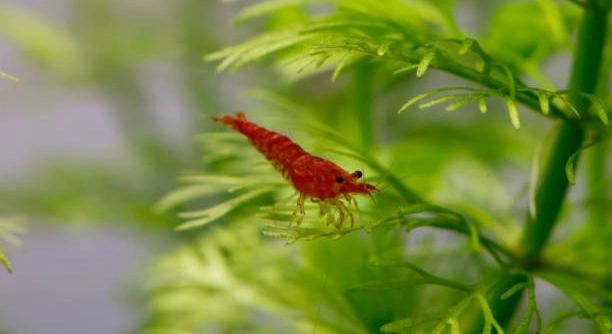
Are your cherry shrimp thriving in a tank with bright substrate? Many shrimp keepers wonder if the color and brightness of the substrate can influence their shrimp’s behavior, health, and overall comfort in the aquarium environment.
Bright substrates can impact cherry shrimp by affecting their stress levels and visibility. High-contrast or reflective surfaces may cause them to hide more often, alter feeding habits, and reduce activity, while neutral tones tend to support natural behavior.
Understanding how substrate influences your shrimp’s environment will help you make informed choices and create a more comfortable, balanced tank habitat for them.
How Bright Substrate Affects Cherry Shrimp Behavior
Cherry shrimp can react noticeably to bright substrates in their tank. High-contrast or reflective surfaces can make them feel exposed, leading to increased hiding and reduced activity. Some shrimp may spend more time among plants or decorations, avoiding open areas where the bright substrate is most visible. Over time, this can affect feeding patterns as they may become hesitant to venture out for food, particularly if the substrate is unusually light or shiny. Stress caused by an uncomfortable environment can also influence molting and growth, with timid shrimp potentially delaying or avoiding molting cycles. Choosing a substrate that balances color and natural appearance helps create a sense of security. Many shrimp respond best to darker or more muted tones that allow them to feel hidden while still offering enough light contrast to display their vibrant colors naturally. Observation is key to understanding your shrimp’s comfort levels and adjusting the tank accordingly.
Bright substrate can make some shrimp nervous and less active.
Adjusting substrate color gradually can improve shrimp comfort. Careful observation ensures their activity and feeding return to normal, supporting healthy growth.
Choosing the Right Substrate Color
Selecting the ideal substrate involves considering both aesthetics and shrimp well-being. Darker or neutral-colored substrates generally reduce stress, allowing shrimp to display natural behaviors. Bright substrates can be visually appealing, but they may create glare or stark contrasts that make shrimp feel unsafe. Even subtle changes in color or brightness can influence activity levels, feeding habits, and overall stress. Pairing appropriate substrate with plants and hiding spots can offset some negative effects, creating a more balanced tank. Observation of shrimp behavior after changing substrate helps identify preferences, as some may adapt more quickly than others. Ensuring a comfortable environment contributes to healthier shrimp, encouraging regular molting, reproduction, and vibrant coloration. Balancing visual appeal with functionality is crucial to maintaining a thriving tank environment.
A neutral or darker substrate helps shrimp feel secure and reduces stress effectively.
By choosing the right substrate, you can support your shrimp’s natural behavior while still maintaining a visually appealing tank. Proper substrate selection encourages active exploration, consistent feeding, and healthy growth. Combining this with adequate plant cover and hiding spots creates a stable environment that minimizes stress-related issues. Regular observation allows adjustments if certain shrimp appear hesitant or overly cautious. While bright substrates are tempting for aesthetics, prioritizing shrimp comfort ensures long-term health and a lively, thriving aquarium.
Lighting and Substrate Interaction
Bright lighting can intensify the effects of a vivid substrate. Shrimp may feel more exposed under strong light reflecting off a bright bottom, causing them to hide frequently or stay close to decorations and plants for cover.
High-intensity lighting combined with a reflective substrate can lead to reduced shrimp activity. They may avoid open areas, affecting feeding patterns and overall movement. Adjusting light intensity or choosing a less reflective substrate can help balance visibility and comfort. Observing shrimp behavior under different lighting conditions helps identify the optimal setup for their well-being, ensuring a calmer and more active tank environment.
Managing lighting carefully ensures that bright substrates do not stress shrimp unnecessarily. Subtle changes, like dimming lights or using diffused lighting, can make a significant difference in how comfortable shrimp feel in the aquarium.
Stress Indicators in Cherry Shrimp
Shrimp hiding frequently, refusing food, or showing faded coloration often signals stress from substrate or tank conditions. Monitoring these signs helps detect issues early.
Stress can impact molting, reproduction, and overall health. Shrimp exposed to uncomfortable substrates may avoid moving across open areas, limiting their access to food and reducing interaction with tank mates. Over time, prolonged stress can weaken immune responses, making them more susceptible to illness. Providing a more neutral substrate, ample hiding spots, and moderate lighting helps mitigate stress. Observing individual behavior patterns allows for timely adjustments to maintain a stable and healthy environment. Regular tank maintenance also supports shrimp well-being.
Substrate Texture and Comfort
Smooth or fine-grained substrates are generally more comfortable for cherry shrimp to walk and forage on. Rough or sharp substrates can cause minor injuries or stress, affecting their movement and activity.
Shrimp tend to prefer substrates that allow them to cling or graze easily. Providing a gentle texture supports natural behaviors, including grazing on biofilm and exploring the tank without risk of harm.
Impact on Feeding Habits
Substrate color and texture can influence how and where shrimp search for food. Bright or reflective surfaces may make them more cautious, limiting their willingness to explore open areas. They often stick to plants, decorations, or shaded spots for feeding, which can affect growth and nutrition. Adjusting substrate to a neutral tone encourages more active foraging. Ensuring the substrate allows biofilm growth provides a natural food source. Observing feeding behavior after changes helps determine if shrimp feel comfortable enough to venture across the tank. Proper substrate choices can directly support healthy feeding habits.
Substrate Maintenance
Regular cleaning prevents excessive algae and debris buildup that can stress shrimp.
FAQ
Do cherry shrimp prefer dark or bright substrates?
Cherry shrimp generally feel more secure on darker or neutral-colored substrates. Bright substrates can make them feel exposed, which may lead to hiding, reduced activity, or less frequent feeding. Darker tones allow their natural colors to stand out without causing stress, helping them display more natural behaviors. Providing hiding spots like plants or decorations further enhances their comfort. Observation is important, as individual shrimp may respond slightly differently to substrate brightness.
Can bright substrates harm cherry shrimp?
Bright substrates do not directly harm shrimp, but they can indirectly cause stress. Stress can affect molting, growth, and feeding habits. Shrimp may hide more often or avoid open areas, which limits their access to food and interaction. Stress over extended periods can weaken immunity, making them more vulnerable to illness. Choosing a substrate that balances visual appeal with comfort is key to maintaining healthy, active shrimp.
Does substrate color affect breeding?
Yes, substrate color can influence breeding behavior. Stress from bright or highly reflective substrates may discourage shrimp from mating or hiding in optimal areas for egg-laying. Neutral or darker substrates encourage more natural exploration and comfortable spaces for reproduction. Pairing this with plants and decorations allows females to lay eggs in secure spots, increasing breeding success. Observation of tank behavior can help determine if the substrate is suitable for reproduction.
How do shrimp react to reflective substrates?
Reflective substrates can make shrimp cautious or hesitant to move across the tank. They may perceive reflections as threats or feel exposed in open areas. This can lead to reduced feeding, limited exploration, and more time spent hiding. Reducing reflections by choosing matte or muted substrates improves shrimp comfort. Even small changes, like placing plants or decorations to break up bright areas, can help shrimp feel safer.
Can substrate changes affect molting?
Yes, molting can be impacted by stress from the substrate. When shrimp feel unsafe on bright or uncomfortable surfaces, they may delay molting or hide excessively during the process. A safe, neutral substrate encourages normal molting behavior and reduces the risk of injury. Providing hiding spots and gentle substrate textures ensures that shrimp can molt successfully without stress.
Should I match substrate color to shrimp color?
Matching substrate color to shrimp color is not necessary for their health but can enhance their visibility and visual appeal. Neutral or darker substrates tend to work best for comfort, while extremely bright or contrasting colors may increase stress. The key is balancing aesthetics with a substrate that supports natural behavior, feeding, and overall activity. Observing shrimp reactions after changes helps determine the best option.
Is it necessary to change substrate if it’s too bright?
It is not always necessary to change it immediately, but if shrimp consistently hide or avoid open areas, adjusting the substrate can improve their well-being. Adding plants, decorations, or partial darker coverings can reduce exposure without fully replacing the substrate. Gradual changes help shrimp adapt while maintaining a healthy environment. Monitoring behavior after adjustments ensures the tank meets their comfort needs.
How often should substrate be cleaned to support shrimp health?
Regular cleaning is essential to prevent debris and algae buildup, which can add stress. Spot cleaning weekly and occasional gentle vacuuming of the substrate helps maintain a balanced tank environment. Over-cleaning can remove beneficial biofilm that shrimp feed on, so balance is important. Maintaining clean, stress-free conditions supports feeding, molting, and breeding.
Do all cherry shrimp react the same way to bright substrates?
No, individual shrimp may react differently. Some may explore more freely, while others hide frequently. Factors like age, health, and personality influence how shrimp respond. Observing your shrimp over time allows you to adjust substrate, lighting, and decorations to suit the majority and ensure a comfortable environment.
Can substrate type impact biofilm growth?
Yes, substrate composition affects biofilm development. Smooth, inert substrates may develop less biofilm than porous ones, which can limit a natural food source. Biofilm is essential for grazing and nutrition. Choosing substrates that support biofilm while remaining comfortable for shrimp ensures both feeding and stress reduction are optimized.
Cherry shrimp are sensitive creatures, and their environment plays a significant role in their comfort and overall health. The substrate in their tank is more than just a decorative element—it can influence their behavior, feeding habits, and stress levels. Bright substrates, while visually appealing, can make shrimp feel exposed, leading them to hide or limit their movement. On the other hand, neutral or darker substrates generally create a sense of security, encouraging shrimp to explore the tank freely and interact with their surroundings. Observing how your shrimp respond to the substrate you choose is essential, as individual shrimp may react differently. Some may be more cautious, while others adapt quickly, but overall comfort is key to maintaining active, healthy shrimp in the aquarium.
The texture and composition of the substrate also matter for shrimp well-being. Smooth or fine-grained substrates allow shrimp to walk, forage, and graze on biofilm safely, whereas rough or sharp substrates can cause minor injuries or discourage natural behaviors. Substrate type affects not only physical comfort but also feeding patterns, since shrimp rely on grazing areas for nutrition. A substrate that supports biofilm growth provides a natural food source, helping shrimp maintain energy and encouraging healthy molting. Combined with adequate hiding spots and proper lighting, the right substrate can minimize stress and promote consistent activity. Paying attention to these details allows for a balanced tank environment where shrimp can thrive and reproduce naturally without unnecessary risk or discomfort.
Maintaining the substrate over time is equally important. Regular cleaning prevents excessive buildup of debris and algae, which could contribute to stress or unhealthy conditions. Spot cleaning and gentle vacuuming help maintain a stable environment while preserving beneficial biofilm that shrimp feed on. If the substrate is too bright or reflective, adjustments such as adding plants, decorations, or partial coverings can reduce stress without a full replacement. Monitoring shrimp behavior is essential after any change to ensure they remain comfortable and active. By choosing the right substrate, considering texture, color, and maintenance, you provide a supportive foundation that directly influences the health, happiness, and longevity of cherry shrimp in your tank.

Hello,
If you enjoy the content that we create, please consider saying a "Thank You!" by leaving a tip.
Every little bit helps us continue crafting quality advice that supports the health, happiness, and well-being of pets around the world, for pets of all shapes, sizes, and species.
We really appreciate the kindness and support that you show us!