
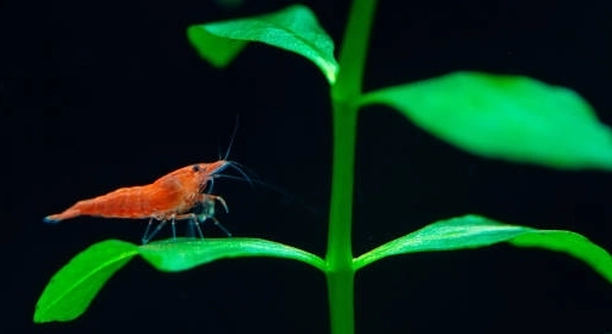
Many shrimp owners enjoy watching their cherry shrimp explore and interact, but sometimes these tiny creatures disappear from view. Hiding can be frustrating, especially when you are trying to monitor their health and activity levels.
Cherry shrimp often hide due to stress, poor water quality, insufficient hiding spots, aggressive tankmates, molting, sudden environmental changes, or inadequate nutrition. Addressing these factors can improve their comfort and encourage natural, visible behavior.
Learning the reasons behind hiding can help you create a safer, more welcoming environment for your shrimp to thrive.
Stress and Sudden Changes
Cherry shrimp are very sensitive to stress. Loud noises, sudden movements near the tank, or abrupt changes in light can cause them to retreat into hiding. Even small shifts in their environment, like moving decorations or plants, may make them nervous. They rely on a predictable setting to feel secure. When stressed, their immune system weakens, which can lead to illness if the behavior continues. Maintaining a calm, stable environment is crucial for their health. Shrimp tend to react more noticeably than fish because of their small size and delicate nature. Avoid tapping on the glass or shaking the tank, as these actions increase stress levels. Consistent feeding schedules and gentle water changes also help minimize stress. Over time, they become more confident and visible when they feel safe. Observing subtle changes in behavior can help you respond before stress becomes a bigger problem.
Reducing stress involves creating a stable environment, minimizing disturbances, and keeping tank conditions predictable.
Proper care requires patience, but a calm setup encourages shrimp to explore naturally and remain healthy.
Poor Water Quality
Shrimp are highly sensitive to water parameters, and even minor fluctuations in pH, ammonia, or nitrate levels can make them hide. Contaminants, leftover food, or decaying plants quickly affect water quality. Regular testing and partial water changes are essential to keep the tank safe. Unstable conditions force shrimp to retreat to hiding spots and limit their activity, which affects feeding and growth. Using a reliable filtration system and maintaining appropriate temperature ranges supports their health. Observing water clarity and color provides clues about their environment. Gentle cleaning routines prevent sudden chemical shifts that can scare shrimp. Plants and moss not only provide hiding places but also help maintain stable water chemistry. Over time, clean water allows shrimp to show more natural behaviors, including grazing and interacting with other tank inhabitants. Watching them gradually explore the tank again indicates that conditions are improving.
Poor water quality often leads to lethargy and hiding, so consistent maintenance is necessary.
Monitoring water parameters and performing gradual adjustments ensures shrimp remain active, healthy, and stress-free, making your tank a safe and thriving space.
Lack of Hiding Spots
Shrimp need places to feel safe. Without enough plants, moss, or decorations, they retreat constantly. A bare tank can make them nervous and reduce their activity.
Providing a variety of hiding spots, such as dense plants, driftwood, and moss mats, creates a secure environment. Shrimp feel safer when they can hide during molting or when stressed. Hiding spots also reduce aggression from tankmates. Even small caves or rock formations help them feel protected. Adding layers of plants at different heights gives shrimp options to explore while staying safe. Over time, they become more confident and visible when they trust their surroundings. Observing how they use these spaces can help you adjust the tank layout to their comfort.
Dense plants and moss not only provide cover but also improve water quality. Shrimp grazing on biofilm and algae benefit from the extra surfaces. Arranging hiding spots thoughtfully can encourage natural behavior and reduce constant retreating.
Aggressive Tankmates
Some fish or larger invertebrates intimidate shrimp, causing them to hide most of the time. Tankmates that nip or chase shrimp increase stress and reduce visibility.
Keeping shrimp with peaceful species or in a shrimp-only section minimizes conflict. Aggressive or fast-moving fish often view shrimp as food or competition. Observing interactions early helps prevent injuries or fatalities. Separating aggressive tankmates allows shrimp to forage freely and explore their environment without fear. Creating dense plant cover or floating vegetation can also buffer interactions and provide retreat options. Shrimp adapt better when they feel secure in their territory. Adjusting tankmates or adding partitions improves shrimp activity and reduces stress over time.
Careful planning of tank inhabitants ensures shrimp safety. Gradually introducing shrimp to compatible species and monitoring their behavior prevents constant hiding and encourages a healthier, more active population.
Molting
Molting is a vulnerable time for shrimp. They hide to protect themselves from predators and stress while their new shell hardens.
During this period, shrimp are soft and defenseless. Providing secure hiding places like moss, plants, or small caves helps them molt safely. Avoid disturbing the tank to reduce stress and prevent injuries.
Sudden Environmental Changes
Shrimp respond poorly to abrupt changes in temperature, light, or water chemistry. Rapid shifts can trigger hiding behavior. Consistency in water parameters and gradual adjustments are key to keeping them active and healthy. Regular monitoring ensures that any changes are small and manageable, minimizing stress.
Inadequate Nutrition
Shrimp retreat when food is scarce or their diet lacks variety. Balanced feeding keeps them active and confident in the tank.
FAQ
Why are my cherry shrimp hiding all the time?
Shrimp hide when they feel unsafe. Stress, aggressive tankmates, poor water quality, or lack of hiding spots are the main reasons. Observing their environment carefully can help identify the cause. Ensuring stable water parameters, providing plants or moss, and keeping peaceful tankmates encourages shrimp to explore more.
How long do cherry shrimp stay hidden during molting?
Shrimp usually hide for a few hours to a day while molting. The exact time depends on water temperature, diet, and stress levels. Providing secure hiding spots and avoiding disturbances allows them to complete molting safely. Afterward, they gradually return to normal activity.
Can water changes make shrimp hide more?
Yes, sudden or large water changes can stress shrimp. They are sensitive to shifts in temperature, pH, and chemical balance. Performing gradual water changes and using dechlorinated water at the same temperature reduces stress and keeps them more active.
Do shrimp hide if they are sick?
Shrimp often hide when they feel unwell. Signs of illness include lethargy, faded colors, or unusual movement. Poor water quality, infections, or parasites can trigger this behavior. Maintaining clean water, providing a balanced diet, and isolating sick individuals helps them recover safely.
Will adding more plants help my shrimp come out?
Yes, dense plants, moss, and decorations provide safe spots, reducing stress. Shrimp feel more confident exploring when they have options to hide. Plants also improve water quality and support biofilm growth, which is an important food source for them.
Do cherry shrimp need a specific tank temperature to feel safe?
Shrimp prefer stable temperatures, usually between 72–78°F. Sudden fluctuations can make them retreat. Using a reliable heater and monitoring daily helps maintain a consistent environment, reducing stress and encouraging natural behavior.
Can aggressive fish force shrimp to hide constantly?
Yes, even small nips or chasing can make shrimp stay hidden most of the time. Tankmates like tetras or guppies may be too fast or curious. Keeping shrimp with peaceful species or a dedicated shrimp tank prevents constant hiding.
How can I tell if hiding is normal or a problem?
Occasional hiding, especially during molting or feeding, is normal. If shrimp rarely leave cover, show faded colors, or stop eating, it indicates stress or poor water conditions. Regular observation and water tests help determine if intervention is needed.
Does feeding frequency affect hiding?
Yes, inconsistent feeding can make shrimp nervous and retreat. Providing small amounts of food regularly encourages activity and grazing. Overfeeding should be avoided, as leftover food can reduce water quality and increase hiding.
What is the best way to reduce hiding behavior overall?
A combination of stable water parameters, secure hiding spots, gentle tankmates, and regular, balanced feeding reduces hiding. Observing shrimp behavior and making gradual adjustments ensures they feel safe and active, creating a healthier tank environment over time.
Are shrimp more active at certain times of the day?
Shrimp are generally more active during low-light periods. Bright lighting can make them hide more often. Using dim or indirect lighting and providing shaded areas allows them to feel safe and encourages exploration throughout the day.
Can tank size influence hiding?
Smaller tanks with fewer hiding spots can make shrimp feel exposed and nervous. Larger tanks with multiple cover options give shrimp space to retreat when needed and areas to forage freely. A well-planned layout balances safety with room to explore.
Is hiding behavior different for baby shrimp?
Yes, baby shrimp are more cautious and hide frequently to avoid predators. Dense moss and small plants are essential for their survival. Providing abundant cover allows juveniles to grow safely and gradually become more visible.
Do shrimp ever stop hiding completely?
Even in ideal conditions, shrimp will hide occasionally, especially during molting or sudden movements near the tank. Consistent care and a stress-free environment minimize excessive hiding, allowing them to spend more time visible and active.
How long does it take for shrimp to adjust to a new tank?
Adjustment time varies, usually a few days to a week. Providing hiding spots, stable water, and gentle acclimation helps shrimp feel safe quickly. During this period, some hiding is normal as they explore and get used to the new environment.
Cherry shrimp are small but sensitive creatures. Their behavior, especially hiding, often reflects how comfortable they feel in their environment. Stress, poor water quality, aggressive tankmates, sudden changes, and insufficient hiding spots are the most common reasons they retreat. Understanding these factors helps you create a tank that supports their health and natural behavior. Observing shrimp closely gives valuable insight into how they are feeling and what adjustments are necessary. Even subtle signs, like staying in one corner or fading color, can indicate stress or environmental problems that need attention. Taking small steps to address these issues often leads to shrimp gradually exploring more of the tank and showing their normal activity levels.
Creating a safe and comfortable environment requires consistent care. Regular water testing and partial water changes maintain stable water parameters, which is essential for reducing hiding caused by stress or illness. Adding plants, moss, and small decorations gives shrimp the security they need while molting or when feeling nervous. Choosing peaceful tankmates reduces the risk of constant hiding due to aggression or fear. Feeding a balanced diet regularly helps shrimp feel secure and encourages activity. Even minor improvements, like dimming the light or placing more cover in open areas, can make a significant difference in their behavior. Observing how shrimp respond to these changes is an important part of caring for them effectively.
Patience and attentiveness are key when keeping cherry shrimp. They are not always visible, but that does not mean they are unhealthy if their environment meets their needs. Allowing them time to adjust to new conditions, offering safe spaces, and maintaining stable water quality gradually reduces hiding behavior. Over time, you will notice shrimp becoming more confident, exploring their surroundings, and showing their natural colors. Creating a tank that feels safe and stable benefits their health and makes the overall experience more enjoyable. By addressing stress factors, improving water quality, and providing a secure habitat, you can support your shrimp’s well-being and encourage them to live more active and visible lives.

Hello,
If you enjoy the content that we create, please consider saying a "Thank You!" by leaving a tip.
Every little bit helps us continue crafting quality advice that supports the health, happiness, and well-being of pets around the world, for pets of all shapes, sizes, and species.
We really appreciate the kindness and support that you show us!