
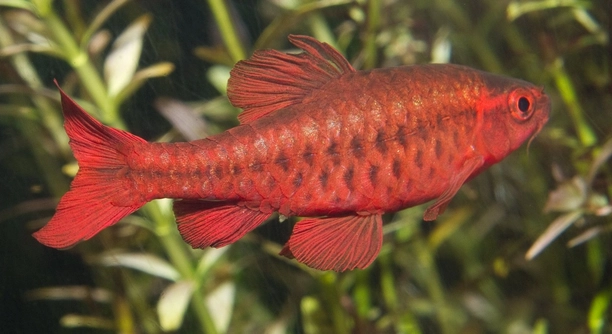
Do your cherry barbs seem extra active lately, especially when one keeps chasing the others around the tank nonstop? This can be confusing and even a little worrying for fish keepers trying to maintain a peaceful setup.
Cherry barbs often chase each other due to territorial behavior, mating instincts, or stress caused by improper tank conditions. Ensuring balanced gender ratios, adding hiding spots, and maintaining stable water parameters can significantly reduce this aggressive chasing.
Understanding what drives this behavior is key to helping your cherry barbs live calmly and comfortably in their aquatic environment.
Common Reasons Cherry Barbs Chase Each Other
Cherry barbs are usually peaceful, but chasing can happen for a few specific reasons. One common cause is mating behavior, especially when there are more males than females in the tank. Males often compete by showing off and chasing others away to claim space or attention. Stress is another big reason. Poor water quality, overcrowding, or sudden changes in their environment can trigger aggressive actions. Sometimes, it’s about establishing a pecking order, particularly in new or rearranged tanks. While some chasing is normal, constant harassment can lead to stress and health problems for the ones being targeted.
A tank with too few hiding places may also encourage chasing, as the fish feel exposed and territorial.
To help prevent this, aim for a balanced male-to-female ratio—ideally two females for every male. Provide plenty of plants or decorations so they can spread out and feel secure. This setup encourages natural behavior without aggression.
How to Calm the Tank
Check for signs of stress or injury on the fish being chased. Torn fins, hiding, or lack of appetite are signs that things may be off.
Make sure your tank is large enough for your cherry barbs—at least 20 gallons for a small group. Next, improve the layout by adding real or artificial plants, driftwood, or caves to give each fish space. Stable water conditions are essential. Perform regular water tests and stick to a consistent maintenance schedule. Keep the temperature between 74–80°F and avoid sudden changes. If you notice one particularly aggressive fish, consider isolating it temporarily or rearranging tank décor to break up established territories. Feeding well and on time also helps keep aggression low. With the right setup and care, your cherry barbs can return to peaceful schooling behavior and enjoy a more relaxed tank environment.
Signs That Chasing Is a Problem
Occasional chasing is normal, but it becomes a concern when it’s constant or aggressive. Look for signs like nipped fins, hiding for long periods, or one fish being excluded from feeding or swimming freely.
Cherry barbs under stress from bullying often become less active and may lose their vibrant coloring. They might hang out in corners or stay near the bottom, away from the others. If a fish avoids food or looks thin, it’s likely being harassed too much. You might even notice injuries like frayed fins or small wounds. These signs suggest the behavior has gone beyond normal social interactions and should be addressed quickly. Constant chasing without a break can also make the tank feel chaotic. If left unchecked, the bullied fish could fall sick or even die due to the pressure. That’s why it’s important to spot these issues early and take action.
Sometimes, the aggressor is just one dominant fish trying to control the tank. In other cases, it’s more of a group behavior that builds up when the setup isn’t quite right. Pay attention to patterns—who’s always the chaser and who’s always the one running. Keeping a close eye on these interactions will help you make the right changes before things get worse.
Fixes That Actually Work
Start with the basics—check your tank size, stocking levels, and layout. A crowded tank with too few hiding places will always stir up trouble. Barbs need room to claim their own space without stepping on each other’s fins.
Rearrange your tank to create more natural territories. Add a variety of plants, rocks, and décor to break up the line of sight. This helps reduce chasing because the fish can’t always see each other. Try adjusting your male-to-female ratio, too. A setup with more females will take the pressure off the males and reduce constant displays of dominance. In some cases, removing the most aggressive fish—even just for a few days—can calm things down. When it returns, the social order may reset. Also, consider using a tank divider if needed. Finally, keep up with regular maintenance. Clean water, stable temperature, and proper feeding all play a role in keeping cherry barbs healthy and less reactive.
Mistakes to Avoid
Avoid overcrowding your tank, even if the fish seem small. Too many cherry barbs in a tight space can cause stress and increase aggression. Always research how many fish your tank can comfortably hold before adding more.
Don’t ignore aggression thinking it will pass. Waiting too long can lead to injuries or illness, especially for the weaker fish. It’s better to take early steps than to risk the health of your entire tank.
When to Separate a Fish
If one cherry barb consistently chases others and causes visible harm, it’s time to separate it. You can move it to a quarantine tank for a while or use a divider in the main tank. Watch to see if the remaining group calms down after it’s removed. Sometimes, just breaking up the pattern is enough to fix things. You can later try reintroducing the fish slowly, after making sure the tank is balanced and the layout is rearranged to reduce stress.
Final Tip
Keep your cherry barbs engaged with a varied diet and clean environment—they’ll be less likely to act out when their needs are met.
FAQ
Why is my cherry barb chasing the others?
Cherry barbs may chase each other for several reasons, including territorial behavior, mating competition, or stress. Males often chase each other to impress females, especially when there are more males than females in the tank. Stress from overcrowding or poor water quality can also trigger aggressive behavior. Sometimes, the chasing is simply a way of establishing dominance or social order. It’s important to monitor the frequency and intensity of the chasing to determine whether it’s just normal behavior or something that needs attention.
How can I stop my cherry barbs from chasing each other?
The simplest way to reduce chasing is to ensure that your tank setup is right for your fish. Make sure there’s a good balance between males and females. A ratio of two females for every male is ideal. Also, provide plenty of hiding spots using plants, rocks, and decorations to help reduce the tension. Keeping the tank clean, ensuring proper water conditions, and avoiding overcrowding can also help. If necessary, you can remove the most aggressive fish or use a divider to separate them for a while.
What are the signs that chasing is a problem?
If your cherry barbs are chasing each other too much, watch for signs like torn fins, hiding, or one fish always being left out of feeding times. Fish that are being bullied may appear less active, lose their color, or stop swimming with the group. If you notice these signs, it’s time to take action to reduce the aggression.
Can cherry barbs live peacefully with other fish?
Yes, cherry barbs are generally peaceful when kept in a suitable environment. They tend to get along with other peaceful species, such as small tetras, rasboras, and other barbs. However, they may become more aggressive if stressed or if their tank mates are overly aggressive or too similar in size. Always make sure to choose tank mates that won’t stress your cherry barbs or cause them to act aggressively.
How can I make my cherry barbs feel more comfortable?
To make your cherry barbs feel more comfortable, provide a tank that mimics their natural habitat. They enjoy tanks with plenty of plants, hiding spots, and open spaces to swim. Stable water conditions are crucial, so maintain a temperature between 74-80°F and ensure the water is clean and well-oxygenated. Regular water changes and keeping the pH within the ideal range (6.0–7.5) will keep them healthy and happy. Reducing stress by limiting sudden changes in the environment or water quality will also help.
Is it normal for cherry barbs to chase each other during mating?
Yes, it is normal for males to chase each other and display more dominant behavior during mating. Male cherry barbs may compete for the attention of a female, and the chasing is part of their natural courtship. If the chasing isn’t causing harm or stress to the other fish, it’s generally not a cause for concern. However, if it continues excessively, especially if other fish are being harmed, it’s a good idea to step in and manage the situation.
Should I add more plants to reduce chasing?
Adding more plants and décor is an excellent way to reduce chasing among cherry barbs. Plants and rocks provide hiding spots and break up the line of sight, which can help reduce stress and territorial behavior. Cherry barbs like to have areas where they can retreat when feeling threatened or stressed, so adding more plants will help them feel safer and less likely to chase each other.
How can I tell if my cherry barbs are stressed?
Stressed cherry barbs may display behaviors like hiding more than usual, not eating, or swimming aimlessly. They may also lose their vibrant coloring, becoming pale or dull. If your cherry barbs are constantly chasing or being chased, it’s a sign of stress. Keep an eye on water quality, tank mates, and the overall tank environment. Poor water conditions or overcrowding are common stressors for cherry barbs.
How do I create a balanced male-to-female ratio?
To create a balanced male-to-female ratio, aim for two females for every male cherry barb. This ratio helps reduce aggressive behavior from males competing for females and ensures that all fish feel more secure in the tank. If you only have one female, the males may constantly chase her. If you have too many males, they might start competing against each other, leading to more aggression. Keep this ratio in mind when adding new fish to your tank.
Can cherry barbs get along with other species of barbs?
Cherry barbs can typically live peacefully with other types of barbs, as long as they are not too aggressive or territorial. For example, they do well with other peaceful species like the Tiger Barb, but mixing with more aggressive barbs may increase chasing and stress. Always monitor interactions between different species and make sure that no fish is being overly harassed.
Why does my cherry barb chase its reflection?
Cherry barbs can become agitated by their own reflection, especially if they feel threatened or confused by it. They may chase their reflection because they think another fish is invading their territory. To stop this behavior, avoid placing mirrors or highly reflective surfaces around the tank. If the tank is near a window or brightly lit area, consider using curtains or blinds to reduce reflections.
Can cherry barbs become aggressive if they are bored?
Yes, cherry barbs can become bored if their environment is lacking stimulation. In a tank with few hiding places or not enough swimming space, they may turn to chasing and aggression out of frustration. To keep your cherry barbs entertained and engaged, provide plenty of plants, décor, and other elements for them to explore. Regular changes in the tank setup can also keep them mentally stimulated.
What size tank do cherry barbs need?
Cherry barbs need a tank of at least 20 gallons for a small group. A larger tank will give them more space to swim and reduce territorial aggression. Providing enough swimming space is crucial, as overcrowding can increase stress levels and lead to more chasing behavior. The more room your fish have, the calmer they will be.
Can I use a tank divider to separate aggressive fish?
Yes, a tank divider is a good temporary solution to separate an aggressive cherry barb from the others. This allows the tank mates to calm down and gives you time to adjust the environment or reintroduce the fish gradually. Make sure the divider is secure and doesn’t obstruct water flow or cause stress to the other fish.
Do cherry barbs need to be kept in groups?
Yes, cherry barbs are social fish that thrive in groups. Keeping them in schools of at least six will help them feel more secure and reduce aggression. In smaller groups, they can become stressed and may display more territorial or dominant behavior. Providing a group allows for more natural social interactions and minimizes the chances of one fish being overly aggressive.
Final Thoughts
Cherry barbs are generally peaceful and enjoyable fish to keep, but like any aquarium species, they require proper care to thrive. While occasional chasing is part of their natural behavior, constant aggression can be a sign of stress or poor living conditions. Creating the right environment is key to reducing this behavior. Ensuring your tank has enough space, hiding spots, and a balanced male-to-female ratio will help your cherry barbs feel more secure. When they feel safe, they’re less likely to chase each other excessively.
If you find that chasing becomes a persistent issue, take a closer look at your tank setup. Overcrowding, poor water quality, or incompatible tank mates can all contribute to stress, which often leads to aggression. Regular water changes, maintaining the correct temperature, and keeping the tank clean are essential steps to preventing these problems. Sometimes, it’s just a matter of adjusting the tank environment or separating the most aggressive fish temporarily to restore peace.
Remember, understanding the reasons behind your cherry barbs’ behavior will help you manage any issues more effectively. While a bit of chasing here and there isn’t necessarily harmful, keeping a watchful eye on their interactions will ensure that the entire tank remains healthy. By taking the necessary steps to reduce stress and aggression, you can enjoy your cherry barbs in a calm and peaceful tank environment.

Hello,
If you enjoy the content that we create, please consider saying a "Thank You!" by leaving a tip.
Every little bit helps us continue crafting quality advice that supports the health, happiness, and well-being of pets around the world, for pets of all shapes, sizes, and species.
We really appreciate the kindness and support that you show us!