
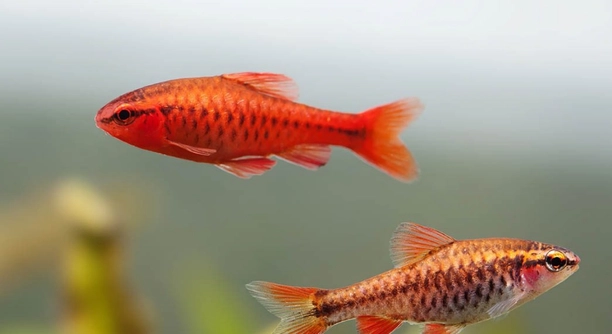
Cherry barbs are a popular species in the aquarium world. Many beginners find them attractive for their bright colors and active behavior. They are often considered a great addition to a community tank, but are they truly suitable for novice aquarium owners?
Cherry barbs can be a good choice for beginners. They are hardy, adaptable to different water conditions, and non-aggressive, making them easy to care for. However, ensuring a balanced environment is essential for their long-term well-being.
Caring for cherry barbs involves understanding their needs, from water parameters to diet. Learning about these aspects can make keeping them as a pet a rewarding experience.
Why Cherry Barbs Are Good for Beginners
Cherry barbs are known for being relatively low-maintenance, making them an excellent option for new aquarium keepers. They are quite hardy and can adjust well to various water conditions, from slightly acidic to slightly alkaline. This flexibility reduces the stress of constantly monitoring tank conditions. They are also small, typically growing to around 2 inches, which makes them manageable in most tanks. Their peaceful nature means they are safe to house with other fish, avoiding potential conflicts that can arise with more aggressive species. However, maintaining clean water and stable temperatures is key to ensuring their health.
These characteristics make cherry barbs a good choice for someone just starting out. You won’t have to worry too much about complex tank setups.
When setting up their tank, make sure to provide plants and hiding spots. Cherry barbs enjoy a planted environment, as it mimics their natural habitat. They’re not overly picky about food, so they’ll happily accept flakes or pellets. Regular water changes will help keep the water fresh and avoid health issues.
Tank Setup for Cherry Barbs
Setting up a tank for cherry barbs doesn’t have to be complicated. A 10-gallon tank is usually enough for a small group.
Adding live plants, such as Java fern or Anubias, will not only create a natural environment but also help maintain water quality. Cherry barbs do well in tanks with gentle filtration and a moderate water flow. A steady temperature range of 72–80°F is ideal. Be sure to check the water’s pH regularly to keep it in the optimal range of 6.0 to 7.5.
In terms of tank mates, cherry barbs are compatible with many other species. Small peaceful fish like tetras or Corydoras are ideal companions. Avoid aggressive fish, as they might stress out your cherry barbs or cause them harm. Adding other peaceful species ensures a harmonious environment where everyone can thrive.
Feeding Cherry Barbs
Cherry barbs are not picky eaters and will accept a variety of foods. They typically enjoy high-quality flake food, pellets, and live or frozen foods like brine shrimp or bloodworms.
They should be fed small amounts 2-3 times a day, as overfeeding can lead to water quality problems. A balanced diet is key to keeping them healthy. It’s important to vary their meals so they get the necessary nutrients. You can also occasionally feed them vegetable-based foods like spirulina or blanched peas to ensure a well-rounded diet.
Be mindful of any leftover food in the tank to avoid water contamination. Regular feeding, but not overfeeding, is a simple way to keep your cherry barbs in top condition.
Cherry Barbs and Water Conditions
Cherry barbs are quite adaptable to different water conditions, making them easy to care for. Their preferred water temperature is between 72°F and 80°F, with a pH range of 6.0 to 7.5.
These fish do best in soft to moderately hard water. To keep them healthy, perform regular water changes—at least 25% every two weeks. It’s also important to check ammonia, nitrites, and nitrates regularly. Keeping the tank clean and stable is essential for cherry barbs to thrive. If the water conditions fluctuate too much, it could stress them out or even cause health problems. A reliable filtration system helps maintain these parameters, reducing the need for constant monitoring.
Cherry Barb Behavior
Cherry barbs are peaceful and social fish. They enjoy being in groups of at least 4-6, which helps reduce stress and encourages natural behavior.
They are active swimmers, often darting around the tank but never causing trouble with other fish. They can sometimes show off their bright red coloring when they’re feeling comfortable and happy. These fish are a joy to watch, especially when they’re in a group, as their behavior becomes more lively and playful.
Common Cherry Barb Health Issues
Cherry barbs are generally healthy, but they can develop some common fish diseases. White spot disease (Ich) and fin rot are the most frequent issues.
Ich appears as white spots on their body, while fin rot affects the edges of their fins. To prevent these conditions, maintain clean water, stable temperature, and avoid overcrowding. If you spot symptoms, treat the tank immediately with the appropriate medication.
FAQ
How many cherry barbs should be kept together?
Cherry barbs are social fish and should be kept in groups of at least 4-6. Keeping them in small groups helps reduce stress and allows them to display their natural behavior. Larger groups are better because they feel safer and more comfortable, showing off their bright colors and playful nature. A small school also minimizes the chances of one fish becoming isolated or stressed. Ideally, if you have a 10-gallon tank, you can keep around 6 cherry barbs, but make sure you monitor the space and water quality.
Can cherry barbs live with other fish?
Yes, cherry barbs are peaceful and can live with a variety of other non-aggressive fish. They do well with species like tetras, Corydoras, and rasboras. They may even coexist with small peaceful shrimp. However, it’s best to avoid keeping them with larger, more aggressive fish that could intimidate or harm them. Ensure that the tank mates also thrive in similar water conditions for optimal health. Cherry barbs are best suited for community tanks where there’s a calm atmosphere.
What do cherry barbs eat?
Cherry barbs are omnivores, which means they eat both plant-based and animal-based foods. They can be fed a variety of foods, including high-quality flakes or pellets designed for tropical fish. You can also provide them with live or frozen foods like brine shrimp, bloodworms, and daphnia. For extra nutrition, offer them blanched vegetables such as peas or spinach, as they enjoy munching on plant matter too. Always avoid overfeeding, as it can lead to water pollution and health issues. Feed small amounts 2-3 times a day.
What is the lifespan of a cherry barb?
Cherry barbs typically live for about 3-5 years, although some can live longer if kept in optimal conditions. To ensure they live a long, healthy life, maintain a stable environment with proper water quality, regular feeding, and appropriate tank mates. Cherry barbs are relatively hardy but still require care and attention to prevent diseases and health issues that could shorten their lifespan.
How can I tell if a cherry barb is male or female?
Male cherry barbs are more colorful than females, especially during breeding seasons. Males have a bright red color that covers most of their body, whereas females tend to be a more subdued gold or light brown color. Additionally, males may display their vibrant red coloring when they’re trying to attract a mate. Females are typically larger and rounder than males, particularly when carrying eggs. If you have a group of both males and females, you’ll notice males often displaying their best colors to compete for the females’ attention.
What are the ideal water conditions for cherry barbs?
Cherry barbs prefer slightly acidic to neutral water, with a pH range of 6.0-7.5. The temperature should be kept between 72°F and 80°F, and the water should be soft to moderately hard. Keeping water parameters stable is important to avoid stressing the fish. Regular water changes of 25% every two weeks will help maintain water quality. Additionally, ensuring the water is free of ammonia and nitrites is crucial. Cherry barbs also benefit from a gentle filtration system that doesn’t cause too much current, as they prefer calm waters.
Are cherry barbs easy to breed?
Breeding cherry barbs is not difficult but requires some attention to detail. To encourage breeding, provide a group of 4-6 fish, with a ratio of more females than males. Set up a separate breeding tank with soft, slightly acidic water and gentle filtration. You can encourage spawning by raising the temperature slightly (around 80°F). When the female is ready to spawn, she will lay her eggs, which will be fertilized by the male. Once the eggs hatch, remove the parents to prevent them from eating the fry. The baby cherry barbs will feed on infusoria or crushed flakes until they are big enough for regular food.
Can cherry barbs be kept in a small tank?
Yes, cherry barbs can live in a small tank, but it’s best to provide at least a 10-gallon tank for a small group. Although they are small fish, they are active swimmers and will need space to move around. A 10-gallon tank gives them enough room to explore, and with the right care, it can also help maintain water quality more easily. Keep in mind that the more fish you have, the more space you’ll need to keep water conditions stable and prevent overcrowding.
Do cherry barbs need a filter?
Yes, a filter is essential for maintaining water quality in a tank with cherry barbs. While these fish are hardy, they still require clean water to thrive. A filter helps remove excess waste and debris, preventing ammonia and nitrites from building up. Ensure the filter doesn’t create too strong of a current, as cherry barbs prefer calmer water. It’s also important to clean the filter regularly to maintain its efficiency. Along with water changes, a good filtration system will keep your cherry barbs healthy and happy.
What is the best tank size for cherry barbs?
The best tank size for cherry barbs is at least 10 gallons, but a 20-gallon tank will allow more room for them to swim and thrive. In a 10-gallon tank, you can keep a small group of 4-6 cherry barbs comfortably. If you plan to keep other fish, opt for a larger tank to avoid overcrowding. The larger the tank, the more stable the water parameters will be, which is crucial for maintaining a healthy environment for your fish. Make sure to avoid overstocking, as it can lead to poor water quality.
Final Thoughts
Cherry barbs are a great option for beginners looking to start an aquarium. They are hardy, adaptable, and peaceful, making them easy to care for. These small fish thrive in a variety of water conditions, and their non-aggressive nature allows them to live peacefully with many other species. Whether you’re just starting with your first tank or looking for a colorful addition to your existing community tank, cherry barbs are a great choice. They offer a lively, vibrant display without requiring excessive maintenance.
However, as with any pet, keeping cherry barbs healthy does require attention to certain factors. Proper tank size, stable water conditions, and good filtration are key elements to ensure they thrive. Regular water changes, a varied diet, and monitoring their tank mates will help prevent health problems. By keeping their environment clean and stable, you can enjoy watching them for years. Despite being easy to care for, they do benefit from regular observation to ensure they’re happy and healthy. They can be sensitive to sudden changes in water quality or temperature, so maintaining consistency is important.
Ultimately, cherry barbs are an excellent species for beginner fishkeepers. They don’t require complex care routines, and their easy-going nature makes them suitable for community tanks. As long as their basic needs are met, cherry barbs will provide joy and color to your aquarium. Their small size and peaceful behavior make them an ideal option for people with limited space or new hobbyists. Taking care of cherry barbs is a rewarding experience, and with a little attention, they will thrive in your tank.

Hello,
If you enjoy the content that we create, please consider saying a "Thank You!" by leaving a tip.
Every little bit helps us continue crafting quality advice that supports the health, happiness, and well-being of pets around the world, for pets of all shapes, sizes, and species.
We really appreciate the kindness and support that you show us!