
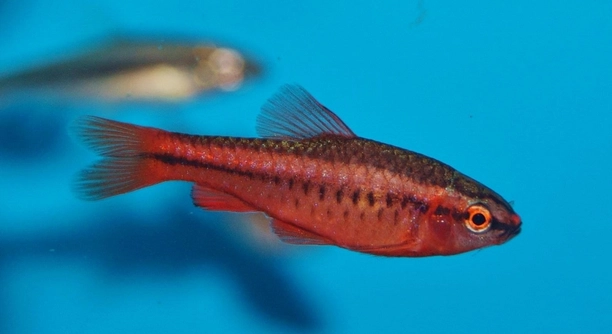
When shopping for a cherry barb, knowing how to identify a healthy one is essential. This ensures the fish thrives in your tank and avoids potential issues. Spotting a well-kept fish can be straightforward with the right tips.
To spot a healthy cherry barb, look for vibrant coloration, active swimming, and clear eyes. Avoid fish with torn fins, pale coloration, or signs of illness, such as floating lethargically at the surface or excessive scratching.
Observing these key signs will help you choose a cherry barb that will thrive in your aquarium.
Look for Vibrant Coloration
Healthy cherry barbs are known for their rich red and orange hues. When looking for a healthy fish, ensure the colors are bright and evenly distributed across their body. A pale or dull color can indicate stress or illness, meaning the fish might not adapt well to your aquarium environment. Cherry barbs with vibrant colors typically indicate they are well-maintained and in good health. Ensure the fish appears lively and energetic, as any signs of sluggishness could also point to an underlying health issue.
Some variation in color is natural, especially as cherry barbs mature, but consistently faded or muted colors should be a red flag. A healthy fish will exhibit a bold, radiant appearance, especially during active swimming. Don’t settle for fish with faded or unhealthy colors, as this may lead to unnecessary problems in your aquarium.
The best way to identify a healthy cherry barb is by observing the way it swims. Healthy fish are generally active and move fluidly through the water. Avoid fish that seem sluggish or show signs of aggression toward others. These behaviors suggest stress, which can lead to health complications.
Examine Their Behavior
Healthy cherry barbs are active swimmers. They move around their tank, exploring their environment. If the fish seem lethargic or swim erratically, it might be a sign of illness or environmental stress. Always observe their swimming patterns carefully before purchasing.
A cherry barb should display natural, confident swimming behavior. It should not float at the surface or hide for extended periods, as these actions could signal distress. If you notice any abnormal behavior, it’s best to consider another option, as a healthy fish will exhibit normal activity levels in a tank.
Inspect the Fins and Tail
A healthy cherry barb should have intact fins and a fully developed tail. Damaged or frayed fins can indicate poor water quality, handling issues, or injuries from aggressive tank mates. Look for any signs of fin rot, which appears as blackened or tattered edges on the fins.
When assessing the tail, ensure it’s not clamped or ragged. A fish with a clamped tail may be stressed, sick, or uncomfortable. The tail should be symmetrical, not misshapen, and should not show signs of injury. Healthy fins and tails are essential for swimming and general well-being.
Examine the fish’s fins carefully for any abnormalities. Fins that appear tattered or deformed could be the result of previous trauma or inadequate care. Fish that display fin damage may struggle with movement, which could lead to further health problems. Always ensure that both the fins and tail appear in good condition when purchasing a cherry barb.
Check the Eyes
Clear, bright eyes are an indicator of a healthy cherry barb. Cloudy, sunken, or swollen eyes can point to an infection, injury, or poor water conditions. Always take a moment to observe the eyes of the fish before making a decision.
Eyes that appear glazed over or dull suggest a problem with the fish’s health. Sunken eyes could indicate malnutrition or stress, while bulging eyes may signal an underlying infection. Healthy eyes should be well-rounded, clear, and alert, allowing the fish to navigate its surroundings with ease.
If you notice any irregularities in the eyes, it’s best to pass on that particular fish. Cherry barbs with clear eyes indicate good overall health, making them a better choice for your aquarium. Always choose fish that appear to be visually vibrant and in top condition.
Observe the Behavior of Tank Mates
Cherry barbs should be housed in a community-friendly environment. Watch how they interact with other fish. Healthy cherry barbs are peaceful and should not show aggressive tendencies toward other tank mates. Aggression can indicate stress or territorial issues.
If a cherry barb is constantly chasing or harassing other fish, it could be a sign that it is not healthy or not properly socialized. Healthy fish coexist peacefully with others and do not appear overly dominant or stressed. Choosing a cherry barb that gets along with tank mates reduces the chances of aggression in your aquarium.
Assess Their Appetite
Healthy cherry barbs are good eaters. They should respond quickly to food and actively search for it. If a fish refuses to eat or shows little interest in food, it may be a sign of illness. Watch for any signs of lack of appetite.
Cherry barbs are generally not picky eaters, so a loss of appetite is a warning sign. If you notice the fish is not engaging with the food, it could be dealing with stress, illness, or environmental factors. Always choose fish that show interest in food, as this reflects their overall health.
Examine the Gills
The gills should be clean and bright, without any swelling, redness, or excessive mucus. Any abnormal appearance in the gills can indicate issues with water quality or infections. A healthy fish will have smooth, well-functioning gills.
Swollen or discolored gills can suggest poor water quality, which is a common cause of health problems in fish. It may also indicate that the fish is struggling to get enough oxygen or is affected by an infection. Always make sure the gills appear clear and normal when selecting a cherry barb.
FAQ
What should I look for when buying a cherry barb?
When buying a cherry barb, focus on its coloration, behavior, and physical condition. Look for vibrant red or orange hues, clear eyes, and intact fins. The fish should swim actively and show no signs of lethargy. Avoid fish with torn fins, pale colors, or abnormal behaviors such as hiding or floating motionless. Ensure the tank water is clean and the fish appear healthy and active before purchasing.
How can I tell if my cherry barb is sick?
A sick cherry barb will often display signs such as faded colors, lethargy, clamped fins, or abnormal swimming patterns. If the fish appears to be scratching itself against objects or shows unusual behavior, such as isolating itself from others, it could be sick. Watch for signs of swelling, sores, or abnormal growths, which may indicate illness. Check for any changes in eating habits or if the fish has difficulty breathing.
What type of water is best for cherry barbs?
Cherry barbs thrive in slightly acidic to neutral water, with a pH range of 6.0 to 7.5. The water temperature should be between 75°F and 79°F (24°C to 26°C). It’s important to maintain stable water conditions to prevent stress and illness. A well-maintained aquarium with regular water changes and filtration will ensure the health of your cherry barbs. Test the water regularly to ensure it is within these parameters.
How many cherry barbs should I keep together?
Cherry barbs are social fish and should be kept in groups of at least six. Keeping them in small groups helps reduce stress and allows for natural social interactions. A larger group helps balance any aggression that may arise, making them feel more secure in the tank. Avoid keeping just one or two as they may become stressed or isolated.
Can cherry barbs live with other fish?
Yes, cherry barbs are peaceful community fish. They do well in aquariums with other small, non-aggressive fish. However, avoid housing them with very aggressive species or larger fish that may intimidate or eat them. Cherry barbs mix well with species such as tetras, rasboras, and small catfish. Always ensure the fish are compatible to maintain a peaceful tank.
Do cherry barbs need a lot of space?
Cherry barbs do not require a large tank but benefit from having enough room to swim. A 20-gallon tank is a good starting size for a small group of cherry barbs. A larger tank provides more space for them to interact and reduces the risk of territorial behavior. Ensure that the tank is well-planted to provide hiding spaces, as this will reduce stress.
What do cherry barbs eat?
Cherry barbs are omnivores and will accept a variety of foods. They enjoy high-quality flakes, pellets, and frozen foods such as brine shrimp, bloodworms, or daphnia. It’s important to vary their diet to ensure they receive all the necessary nutrients. Avoid overfeeding, as this can lead to water quality problems and health issues.
How do I care for cherry barbs in my aquarium?
To care for cherry barbs, provide them with clean water, proper filtration, and a balanced diet. Maintain a stable temperature between 75°F and 79°F (24°C to 26°C) and a neutral pH of 6.0 to 7.5. Add plants and decorations to give them hiding spots. Perform regular water changes to ensure good water quality and prevent diseases. Monitor the tank regularly for signs of stress or illness.
Why are my cherry barbs not breeding?
Cherry barbs may not breed due to various factors, such as improper water conditions, stress, or lack of privacy. Ensure the water temperature is between 75°F and 79°F (24°C to 26°C) and the pH is slightly acidic. Provide plenty of hiding spots to reduce stress during breeding. Also, make sure the fish are well-fed and healthy. It may take some time before they breed, but with the right conditions, they will eventually spawn.
Can I keep male and female cherry barbs together?
Yes, male and female cherry barbs can live together. Males are typically more colorful than females and are often more active. To avoid aggression, keep a group of six or more barbs to ensure the males don’t become too territorial. During breeding, males may display more intense colors to attract females, but they generally do not harm each other.
What are the common health issues in cherry barbs?
Common health issues in cherry barbs include fin rot, swim bladder disease, and external parasites like ich. Poor water quality can also lead to stress and illness. Symptoms to watch for include pale or faded colors, damaged fins, bloating, or difficulty swimming. Regular water changes, proper filtration, and a balanced diet can help prevent many of these issues. Always monitor the fish for any signs of illness and act quickly to address the problem.
How long do cherry barbs live?
Cherry barbs typically live for 3 to 5 years with proper care. Their lifespan can be affected by water quality, diet, and stress. Maintaining a healthy tank environment will help them live longer and stay vibrant. Regular water changes, proper nutrition, and a stable aquarium will improve the overall health and longevity of your cherry barbs.
Do cherry barbs need special lighting?
Cherry barbs do not require special lighting, but they do benefit from a natural day-night cycle. Providing a consistent light schedule of about 10-12 hours per day helps regulate their biological rhythms. Ensure the lighting is not too intense, as overly bright light can cause stress. Use gentle aquarium lighting to simulate a natural environment.
Final Thoughts
When selecting a cherry barb for your aquarium, the focus should be on their appearance, behavior, and overall health. Look for bright, vibrant colors, active swimming, and clear eyes. Healthy cherry barbs exhibit peaceful behavior and show no signs of aggression or illness. A fish that is shy, inactive, or has damaged fins might not be in the best condition. Ensuring that the fish are kept in stable water conditions with proper filtration is crucial to maintaining their health long-term.
Cherry barbs are relatively easy to care for, making them a popular choice for both beginner and experienced fish keepers. With proper attention to water quality, temperature, and diet, they thrive in community tanks. These small fish do well in groups, and it is essential to keep at least six of them to avoid stress. When housed with peaceful tank mates and in an appropriate environment, cherry barbs bring color and energy to your aquarium without much hassle. They are not overly demanding but do require a stable, well-maintained tank to stay healthy.
Understanding the behavior and needs of cherry barbs is key to their successful care. Regularly checking the water quality, providing a varied diet, and observing their activity levels will help ensure they remain happy and healthy. By paying attention to their signs and symptoms, you can quickly address any potential health issues. With these basic practices, cherry barbs will likely become a beautiful and long-lasting addition to your aquarium.

Hello,
If you enjoy the content that we create, please consider saying a "Thank You!" by leaving a tip.
Every little bit helps us continue crafting quality advice that supports the health, happiness, and well-being of pets around the world, for pets of all shapes, sizes, and species.
We really appreciate the kindness and support that you show us!