
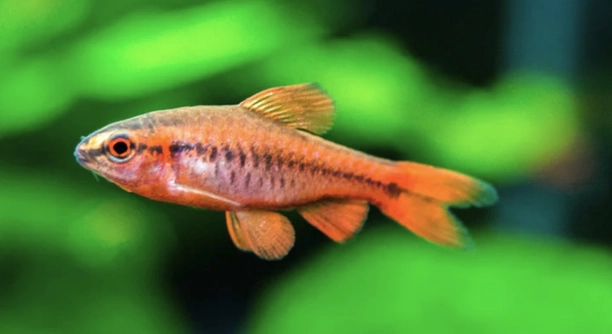
Traveling with Cherry Barbs requires careful preparation to ensure their safety and comfort. These small, delicate fish can easily be stressed during travel, so knowing how to care for them is essential.
To travel with Cherry Barbs safely, it is important to use a secure container, maintain a stable water temperature, and ensure proper filtration. Avoid sudden temperature changes or overcrowding to reduce stress and prevent harm to the fish during transit.
Proper planning can make all the difference in ensuring your Cherry Barbs arrive safely. Preparing in advance will help maintain their health throughout the journey.
Preparing the Right Container for Your Cherry Barbs
The right container is key when traveling with Cherry Barbs. Use a fish bag or container with enough space for each fish, avoiding overcrowding. A sturdy, leak-proof bag or container is ideal to prevent accidents. When preparing the container, ensure that it is clean and free from any chemicals that could harm the fish. It’s also important to secure the bag or lid to prevent escape. Adding an air stone or using water with good oxygen levels can help reduce stress. Keeping the container stable helps prevent turbulence, which can further stress your fish.
Make sure the water in the container matches their usual tank environment. A gentle filtration system can be helpful to keep the water clean during transport.
Don’t forget about the oxygen levels. If you’re transporting the Cherry Barbs for a long period, you’ll need to ensure they have a constant supply of oxygen. If you’re unsure, an air pump can help circulate air in the water.
Temperature Control Is Crucial
Keeping the temperature stable is one of the most important steps when transporting Cherry Barbs. Sudden temperature changes can cause extreme stress and even lead to death. Using insulated bags or boxes can help regulate the temperature. Adding heat packs or ice packs, depending on the weather, ensures the temperature stays consistent. It’s essential to monitor the temperature during the entire trip.
Cherry Barbs thrive in water temperatures between 72°F and 78°F. It’s a good idea to have a thermometer available to monitor the water throughout the transport. If traveling in hot weather, make sure the container doesn’t overheat by providing proper ventilation. On colder days, heat packs can be used to avoid chilling the water.
By keeping the water at the right temperature, you reduce the risks of stress and make the trip smoother for the Cherry Barbs.
Water Quality and Filtration
Water quality plays a significant role in the well-being of Cherry Barbs during travel. The water should be clean and free from toxins. A small, portable filter can help keep the water clean, especially if the trip lasts a while. It’s important to check the water’s pH and ammonia levels beforehand to avoid harming the fish.
During transport, try to avoid water changes as much as possible. The filtration system should provide gentle movement to mimic the conditions they’re used to without disturbing them. If possible, use water from their home tank to maintain consistency. Ensure the water has adequate oxygen levels, especially if you’re traveling for an extended time.
Consider adding water conditioner before travel to remove any harmful chlorine or chloramine. In some cases, aerating the water with an air pump can further stabilize oxygen levels, keeping the Cherry Barbs healthy and comfortable. This careful attention will make the trip safer and less stressful.
Avoiding Stressful Situations
Stress is one of the biggest dangers to Cherry Barbs when traveling. Keep their surroundings calm by minimizing noise and motion. Sudden vibrations or loud sounds can alarm the fish and affect their health. Try to secure the travel container in a stable position during the trip to reduce movement.
Stress can lead to weakened immune systems and make Cherry Barbs more vulnerable to illness. Ensuring that they are not exposed to unnecessary stress will greatly improve their chances of a safe transport. This includes avoiding overcrowding, which can heighten stress levels and create a risk of injury. Reducing contact with the container is another way to keep the fish calm.
If you plan to stop during the transport, do so in quiet, low-traffic areas to avoid disturbances. Keeping the trip as smooth as possible will prevent added stress, which is crucial to their health during the move.
Proper Lighting
Cherry Barbs are sensitive to light changes. During transport, avoid direct sunlight, which can cause rapid temperature shifts. If possible, keep the container in a shaded area to maintain a consistent, low light level. Too much light can stress them, so controlling exposure is important.
A soft, dim light will help prevent overstimulation. It’s best to keep the travel container away from bright lights and direct sunlight for the duration of the trip. Light exposure should be limited to avoid stressing the fish, which can make them more vulnerable to illness. Providing a calm, dimly lit environment will reduce stress.
Feeding Before Travel
Avoid feeding Cherry Barbs immediately before travel. Fish can become stressed during transport, and a full stomach can lead to discomfort or even digestive issues. It’s best to feed them at least 12 hours before the trip to ensure they’re not overfed.
Feeding them too close to travel time can also pollute the water, as excess food decomposes. A light feeding the day before departure is sufficient. If you need to feed them, offer small amounts of food well in advance, ensuring they’ve had time to digest.
Checking on Your Cherry Barbs
During long trips, it’s essential to check on the fish periodically. Monitoring the condition of the water and the fish’s behavior can prevent problems early on. Keep an eye on the water temperature and oxygen levels. Any signs of stress, such as erratic swimming, should be addressed quickly.
While checking in regularly, avoid opening the container unless absolutely necessary. This will help reduce stress caused by handling. Take care to ensure their environment stays stable and comfortable, making any adjustments to temperature or water quality as needed. This will keep them safe and calm during transport.
FAQ
How long can Cherry Barbs survive without food during transport?
Cherry Barbs can generally go without food for up to 48 hours, though it’s best not to stretch that limit. Feeding them just before travel could result in uneaten food polluting the water. It’s important to give them enough time to digest food before transport. If the trip lasts longer, plan for a way to keep them comfortable and monitor their well-being.
Can Cherry Barbs travel in a regular fish tank during transport?
While it’s possible to transport Cherry Barbs in a regular fish tank, it’s not the best option for short trips. For better control over water conditions, a portable container with minimal space and good filtration is ideal. Regular tanks can be too large, causing instability in water temperature and quality. Smaller containers are more practical for short trips.
Should I add anything special to the water for transport?
It’s a good idea to add a water conditioner to remove any chlorine or chloramine, which may be present in tap water. Additionally, some people use aquarium salt in small amounts to help with stress. Ensure you use water from the fish’s home tank if possible, as it maintains consistency.
How do I keep the water temperature stable during transport?
Using insulated bags or boxes is the best way to keep the water temperature stable. Heat packs or cold packs, depending on the weather, can help regulate temperature. Always check the temperature before and during the trip to ensure it stays between 72°F and 78°F, which is the ideal range for Cherry Barbs.
Is it okay to transport Cherry Barbs with other fish?
It’s not ideal to transport Cherry Barbs with other fish, especially if the other species are more aggressive or have different environmental needs. The confined space could lead to stress, territorial behavior, or injury. If you must transport them with other fish, ensure the species are compatible and have similar water requirements.
What should I do if my Cherry Barbs seem stressed during transport?
If your Cherry Barbs show signs of stress, such as erratic swimming, rapid gill movement, or excessive darting, try to keep the container in a quiet area and reduce any movement. Check the water temperature and oxygen levels, and adjust if necessary. In some cases, adding a small amount of aquarium salt can help reduce stress. Keep handling to a minimum.
How do I prevent Cherry Barbs from overcrowding during transport?
Overcrowding can increase stress and reduce oxygen levels in the water. A general guideline is to provide about 1 gallon of water per inch of fish. For Cherry Barbs, this means using a container that provides adequate space for each fish to swim freely. Avoid packing the container too tightly.
Can I use a plastic bag to transport Cherry Barbs?
Plastic bags can be used, but they must be secure, leak-proof, and able to hold enough water to keep the fish comfortable. Ensure the bag is large enough to allow some swimming space. You may also need to add oxygen if the trip is lengthy. Use caution when handling bags as they are fragile and can easily tear.
How can I minimize stress when transporting Cherry Barbs?
To minimize stress, keep the transport container in a stable position, away from direct sunlight and loud noises. Avoid excessive handling and sudden temperature changes. Additionally, maintaining good water quality and oxygen levels throughout the trip is essential for keeping the fish calm. Keeping the travel time as short as possible also helps.
Should I check on my Cherry Barbs during transport?
Yes, it’s important to check on your Cherry Barbs periodically, especially during long trips. Monitor the water temperature, oxygen levels, and the fish’s behavior. However, avoid opening the container unless necessary to minimize stress. Keeping the environment stable throughout the trip is key to ensuring their health.
Final Thoughts
Transporting Cherry Barbs safely requires careful planning and attention to their needs. Ensuring proper water quality, stable temperatures, and minimal stress are key factors that can greatly affect their well-being. By taking the time to set up the right environment and avoid sudden changes, you can help them travel without unnecessary risks. The more you can replicate their natural habitat, the easier it will be for them to adapt to their new surroundings after the trip.
Choosing the right container for transport is also essential. Avoid overcrowding, as this can lead to stress and possible injury. Keep the container small enough to maintain stable water conditions but large enough for the fish to move around. Make sure the container has a secure lid to prevent accidents. If possible, use water from the Cherry Barbs’ home tank to minimize any potential stress from new water. Always carry them in a quiet, shaded area to protect them from both light and noise.
Lastly, while the transport process is important, the post-trip care is just as crucial. Once you arrive at your destination, carefully acclimate the Cherry Barbs to their new environment. Gradually introduce them to the tank or aquarium and monitor their behavior for signs of stress. With these steps, you can ensure a safe and smooth travel experience for your Cherry Barbs, minimizing the risks and keeping them healthy.

Hello,
If you enjoy the content that we create, please consider saying a "Thank You!" by leaving a tip.
Every little bit helps us continue crafting quality advice that supports the health, happiness, and well-being of pets around the world, for pets of all shapes, sizes, and species.
We really appreciate the kindness and support that you show us!