
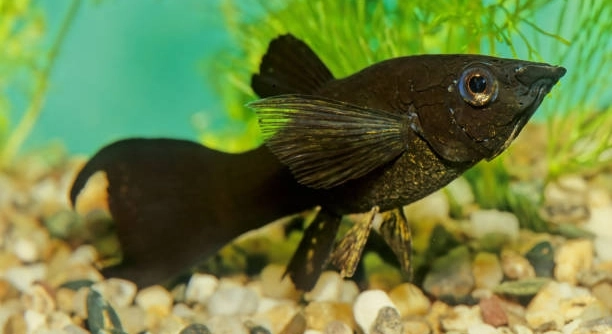
Have you ever noticed your black molly swimming awkwardly or rubbing against decorations more than usual? These behaviors may indicate that its tank is not providing enough space to move comfortably. Observing their daily habits can reveal subtle signs.
A black molly tank that is too small can restrict movement, increase stress, and contribute to health issues. Limited space often leads to aggressive behavior, poor water quality, and stunted growth, all of which negatively impact the fish’s overall well-being.
Recognizing these indicators early can make a significant difference in your fish’s quality of life and long-term health. Paying attention now prevents problems from becoming more serious in the future.
Limited Swimming Space
When a black molly tank is too small, your fish will show signs of restricted movement. They may hover near one corner, swim in short bursts, or seem reluctant to explore the tank. Molly fish are naturally active and enjoy open areas to glide, turn, and interact with other fish. A cramped environment prevents them from performing normal behaviors, leading to stress and frustration. Over time, this stress can weaken their immune system, making them more susceptible to disease. You may also notice your molly rubbing against tank walls or decorations more frequently, which can cause physical damage or irritation. In addition, overcrowding increases competition for space and resources, making feeding time tense. Providing adequate space ensures your molly remains active, healthy, and exhibits natural behaviors that reflect its well-being. Observing swimming patterns closely is essential to identify if the tank meets your fish’s needs.
A small tank limits activity, which affects health, behavior, and overall happiness.
Ensuring proper swimming space allows mollies to interact, explore, and stay fit. A larger tank reduces aggression, keeps water conditions stable, and supports growth. When they can swim freely, mollies display natural colors and behaviors, giving you a healthier, more active fish to observe every day.
Signs of Aggression
Aggression is more likely in a tank that is too small for your black molly.
When the tank is cramped, territorial behavior can appear quickly. Mollies may nip fins, chase each other relentlessly, or dominate certain areas of the tank. Stress from limited space increases irritability, especially during feeding or when new fish are introduced. Over time, aggressive interactions can cause injuries, faded colors, and lowered resistance to disease. Even peaceful fish like mollies benefit from having enough room to establish personal areas and swim freely. Adjusting the tank size, rearranging decorations, or limiting the number of fish can help reduce tension. Monitoring interactions and ensuring each fish has access to food and hiding spots is key. A well-planned environment reduces aggression, promotes healthy social behavior, and prevents long-term health problems. Observing your fish’s body language and reactions can reveal if the tank is too tight for them, allowing timely improvements for a calmer and safer environment.
Rapid Water Quality Decline
A small tank causes water to become dirty quickly. Waste, leftover food, and debris build up faster, affecting your black molly’s health.
Limited water volume makes maintaining stable parameters challenging. Ammonia, nitrite, and nitrate levels can rise within days, even with regular partial water changes. Mollies are sensitive to poor water conditions, and high toxin levels can cause stress, illness, or death. Filtration can help, but it cannot fully compensate for insufficient space. Overcrowding compounds the problem, as multiple fish produce more waste than a small system can handle. Testing water frequently and performing consistent maintenance is crucial. A larger tank stabilizes water quality, giving mollies a safer and healthier environment. Without enough space, even minor mistakes in feeding or cleaning can have immediate negative consequences for your fish.
Water changes in a tiny tank are more frequent and critical to prevent dangerous spikes in toxins.
Maintaining clean water ensures mollies grow well and remain active. Clean, stable water prevents fin rot, stress-related illness, and color fading. Observing behavior alongside water quality is important; lethargy, gasping at the surface, or hiding often signal a poor environment. Larger tanks dilute waste and reduce ammonia spikes, making your maintenance routine easier and your fish healthier. Mollies thrive when they have space to swim and the water remains balanced consistently. Investing in proper tank size improves their lifespan and quality of life significantly.
Stunted Growth
A tank that is too small can limit your molly’s physical development. Growth may slow, leaving fish smaller than expected.
Restricted space and crowded conditions interfere with exercise and natural swimming, both essential for muscle and bone development. Over time, limited room reduces appetite or causes competition for food, further impacting growth. Stress from a cramped environment can alter metabolism and reduce nutrient absorption. Fish that remain small may also have weaker immune systems and show signs of illness more easily. Providing adequate space supports regular feeding, swimming, and activity, allowing mollies to reach their full size potential. Adjusting tank size ensures healthy growth, better coloration, and overall well-being, creating a more stable and supportive environment for your fish.
Mollies in a small tank may never reach their natural size, affecting appearance and vitality.
Ensuring enough room, proper nutrition, and clean water promotes growth and keeps mollies strong. With sufficient space, they can swim freely, interact, and maintain normal behaviors that support health. Limiting overcrowding reduces stress and prevents stunted development, resulting in vibrant, active fish. A balanced environment allows your molly to thrive, with proper exercise and feeding patterns contributing to long-term health and overall quality of life.
Constant Stress
A tank that is too small keeps black mollies under continuous stress. Limited space, overcrowding, and lack of hiding spots prevent them from feeling safe, affecting their behavior and health.
Stress weakens the immune system, making mollies more vulnerable to disease. Constant tension can also lead to aggression, loss of appetite, and color fading, signaling that the environment is unsuitable.
Frequent Hiding
Black mollies will hide more when they feel cramped or threatened.
Hiding is a natural response to stress, but excessive concealment indicates the tank is too small or poorly arranged. Mollies need open swimming areas and places to retreat; otherwise, they remain hidden, rarely exploring, which limits exercise and interaction. Consistent hiding behavior can also affect feeding routines, causing uneven growth and weaker health. Rearranging decorations, adding plants, or increasing tank size encourages natural behavior and reduces fear. Mollies that can swim freely and retreat when needed are generally healthier, more active, and display their natural colors.
Erratic Swimming
Erratic swimming often occurs when space is limited, and stress levels rise. Fish may dart suddenly, bump into walls, or swim in tight circles.
Poor Appetite
A cramped tank can reduce a black molly’s interest in food. Limited room and constant stress make them less likely to eat normally.
FAQ
How do I know if my black molly tank is too small?
There are several signs to watch for. If your mollies seem stressed, hide frequently, or swim erratically, the tank may be too cramped. Limited swimming space, aggressive behavior, stunted growth, and poor appetite are all clear indicators. Water quality issues such as cloudy water or frequent algae growth can also signal insufficient tank size. Observing their daily patterns closely helps identify if the tank is inadequate. A tank that allows free swimming, proper social interaction, and healthy eating generally provides enough space.
What is the ideal tank size for black mollies?
For a small group of three to four adult black mollies, a minimum of 20 gallons is recommended. Each additional fish should add 5 gallons to ensure enough swimming space and reduce stress. Larger tanks make it easier to maintain water quality and provide room for plants, decorations, and hiding spots. Adequate size also minimizes aggressive behavior and supports natural growth and coloration. Overcrowding in smaller tanks leads to health problems, making tank size a critical factor in maintaining a thriving environment.
Can a small tank affect molly health?
Yes, limited space can significantly impact their health. Stress from overcrowding or restricted movement can lower immunity, making mollies prone to disease. Poor water quality from accumulated waste and insufficient dilution of toxins increases the risk of fin rot, infections, and stunted growth. Inadequate space also limits exercise, which affects metabolism and overall vitality. Ensuring proper tank size, regular water changes, and monitoring behavior reduces health risks. A well-maintained, appropriately sized tank promotes strong immune systems, better coloration, and longer lifespan for your mollies.
How often should I clean a small molly tank?
Smaller tanks require more frequent maintenance. Partial water changes of 20–30% should be done weekly, and any leftover food or debris removed daily. Filter cleaning is essential but should not disturb beneficial bacteria too much. Regular testing of ammonia, nitrite, and nitrate levels is necessary to prevent sudden spikes. Smaller tanks are less forgiving, so consistent care ensures stable water conditions. Even minor neglect can quickly harm your mollies, making diligent maintenance critical. Large tanks reduce cleaning frequency and provide a more forgiving environment.
Can rearranging decorations help a small tank?
Rearranging decorations can give mollies better swimming routes and temporary hiding spots. Plants, rocks, and ornaments create areas where fish can retreat and reduce aggression. While rearranging improves usability of the existing space, it does not replace the need for a larger tank. Ensuring open swimming areas and accessible hiding spots helps mollies feel safe, reduces stress, and encourages natural behavior. Regularly changing layouts can also stimulate activity and curiosity, supporting mental and physical well-being, but space limitations will remain if the tank is too small.
Will upgrading to a larger tank solve all problems?
Upgrading provides more swimming space, reduces stress, and improves water quality management. Larger tanks allow proper social interaction, encourage natural feeding behavior, and promote growth. However, proper maintenance, balanced feeding, and monitoring water conditions remain essential. A bigger tank alone does not guarantee health if these factors are ignored. Pairing adequate size with routine care ensures mollies thrive and reduces behavioral and health problems caused by small or overcrowded environments.
How can I prevent aggression in black mollies?
Provide enough space, proper hiding spots, and avoid overcrowding. Separating aggressive individuals temporarily may be necessary. Maintaining clean water and monitoring feeding ensures no fish feels threatened or deprived. Stress from small tanks or poor water quality can increase aggressive behavior, so addressing these environmental factors is key. Observing interactions daily helps detect early signs and allows intervention before injuries occur.
Ensuring that your black molly has enough space in its tank is essential for its health and well-being. A tank that is too small can lead to multiple issues, including stress, aggression, stunted growth, and poor appetite. Mollies are active fish that naturally enjoy swimming freely and exploring their environment. When confined to a cramped space, their natural behaviors are limited, which affects both their physical and mental health. Observing their daily activities can reveal whether the tank is meeting their needs. Frequent hiding, erratic swimming, or signs of irritation are clear indicators that adjustments are needed. By paying attention to these behaviors, you can provide a more suitable environment that encourages healthy growth and overall vitality.
Water quality is another important factor that is directly affected by tank size. Smaller tanks accumulate waste more quickly, making it harder to maintain stable water parameters. High levels of ammonia, nitrites, or nitrates can stress fish and make them more susceptible to disease. Regular water changes and monitoring are necessary, but even careful maintenance cannot fully compensate for insufficient space. A larger tank dilutes waste more effectively and provides a more stable environment, reducing the risk of health problems. Mollies in well-maintained, appropriately sized tanks are less prone to illness, more active, and generally display brighter coloration. Giving them the proper space ensures not only their physical health but also encourages natural behaviors that make them more enjoyable to observe.
Finally, considering tank size is also about planning for long-term care. Mollies grow over time, and their needs may change as they mature or as new fish are added. A tank that seems adequate at first may quickly become too small as the fish grow or the community changes. Providing more space than the minimum requirement helps prevent overcrowding and reduces future stress-related problems. Alongside proper feeding, filtration, and tank maintenance, a spacious environment is one of the most effective ways to support a healthy and happy black molly. By prioritizing space, water quality, and environmental enrichment, you can ensure that your fish thrive, live longer, and exhibit natural behaviors that reflect their true vitality.

Hello,
If you enjoy the content that we create, please consider saying a "Thank You!" by leaving a tip.
Every little bit helps us continue crafting quality advice that supports the health, happiness, and well-being of pets around the world, for pets of all shapes, sizes, and species.
We really appreciate the kindness and support that you show us!