
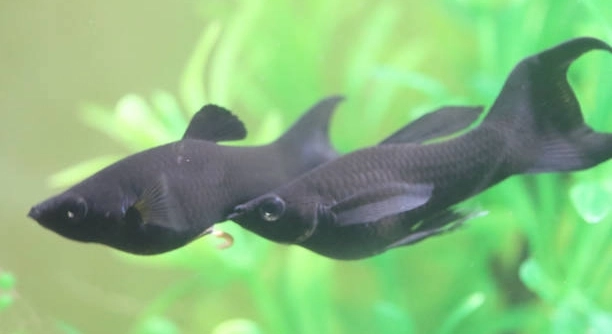
Black Molly Fry are small, active fish often seen exploring the upper levels of the aquarium. Their behavior can vary with different tank conditions, and understanding how they react to surface movement is important for maintaining a healthy environment.
Black Molly Fry are generally tolerant of mild surface agitation. While strong or constant disturbance may cause temporary stress, occasional ripples do not significantly affect their swimming patterns, feeding behavior, or overall growth in a well-maintained aquarium.
Observing their responses can help you create a calm and supportive environment, promoting healthy development and reducing unnecessary stress in your fry.
How Surface Agitation Affects Fry Behavior
Black Molly Fry are sensitive to sudden changes in their environment, and surface agitation is one factor that can influence their behavior. Gentle ripples caused by air stones or filters usually do not disturb them significantly. However, strong currents near the surface may cause the fry to seek calmer areas, slowing their swimming and exploration. Consistent observation is key to understanding their tolerance. Some fry may temporarily stop feeding when agitation increases, but they generally adapt over time if the movement is moderate. Overly aggressive water movement can increase stress levels, leading to weaker immune responses and slower growth. Using floating plants or adjusting filter output can help create areas of still water for fry to rest. Maintaining a balance between water circulation for oxygenation and calm zones for fry development ensures their health. Each aquarium setup may differ, so watching your fry’s reactions will help you make informed adjustments and support optimal growth.
Even minor surface ripples can influence how fry navigate their tank. Observation is necessary to adjust conditions effectively.
Providing areas of calm allows fry to feed comfortably and reduces stress while maintaining enough water movement for oxygen and cleanliness.
Maintaining a Balanced Aquarium Environment
Surface agitation should be controlled to support both water quality and fry well-being. Too much movement can create stress, while too little may reduce oxygen levels.
Adjusting filter flow, adding floating plants, and creating shaded areas helps balance activity and calm zones for fry. This ensures they can rest when needed without compromising overall tank health. Black Molly Fry respond well to moderate, consistent conditions that mimic natural habitats. Creating layers of water flow allows fry to explore and feed safely, while calmer pockets provide relief from stress. Regular observation helps identify whether agitation is excessive or adequate, allowing adjustments in real time. Tank maintenance, including careful cleaning and monitoring temperature, complements these efforts. Ensuring a mix of surface activity and calm zones promotes normal behavior patterns, supports feeding, and reduces susceptibility to illness. Over time, fry become accustomed to moderate water movement, making it easier to manage the tank and encourage healthy growth. Attention to these details improves survival rates and overall fry development.
Recognizing Signs of Stress
Fry that are stressed by surface agitation may hide among plants, reduce their activity, or show irregular swimming. Feeding habits can change, and some fry may appear pale or restless. Identifying these signs early helps prevent long-term health issues and allows adjustments to the tank environment.
Changes in behavior often indicate that fry are responding to conditions they find uncomfortable. They may cling to corners or the tank bottom, avoiding areas with stronger currents. Feeding can become inconsistent, and some fry may struggle to reach the surface for food. Stress can slow growth and reduce immunity, making fry more vulnerable to disease. Observing patterns over several days helps distinguish normal behavior from agitation-induced stress, allowing for more precise modifications to flow and surface movement.
Creating calm areas with floating plants or adjusting filter output reduces stress and allows fry to resume normal activity. They can feed safely while still benefiting from moderate water movement and oxygenation. Consistent monitoring ensures fry remain healthy and continue growing at an optimal pace.
Adjusting Tank Conditions
Even small modifications in flow and surface agitation can significantly improve fry comfort. Simple changes often yield noticeable results quickly.
Reducing filter output, using sponge filters, or adding floating plants can create gentle pockets of calm in the tank. This allows fry to rest while still maintaining adequate oxygen levels. Black Molly Fry benefit from layered water movement where surface agitation is moderate but not overwhelming. Adjusting tank conditions gradually prevents shock and helps fry acclimate. Regularly checking water parameters ensures that oxygen, temperature, and cleanliness remain within safe ranges. Observation remains essential to confirm that fry are active, feeding normally, and not displaying stress behaviors. Combining these strategies promotes healthy development while maintaining a stable, balanced aquarium environment.
Choosing the Right Equipment
Selecting filters and air stones that produce gentle water movement is crucial for fry comfort. Strong currents can overwhelm Black Molly Fry, so choosing adjustable equipment helps create a safer, calmer environment tailored to their needs.
Sponge filters are ideal because they provide adequate circulation without producing harsh surface agitation. They also reduce the risk of fry being sucked into the filtration system, offering both safety and a stable water flow that encourages normal behavior.
Plant Coverage and Shelter
Providing floating plants and dense foliage gives fry areas to rest and hide. These shelters break up surface movement and offer protection, reducing stress and supporting natural behaviors.
Feeding Considerations
Surface agitation can affect how easily fry reach food. Slower, calm feeding areas ensure they can access nutrients without competing or being stressed by currents.
FAQ
How much surface agitation is too much for Black Molly Fry?
Black Molly Fry can tolerate mild surface ripples caused by filters or air stones. Agitation becomes too much when fry consistently avoid the surface, hide excessively, or show irregular swimming. Strong, constant currents can slow growth and increase stress. Adjusting flow and creating calm zones helps maintain their comfort.
Can fry recover quickly from brief periods of strong agitation?
Yes, fry can usually recover from short bursts of stronger movement if it does not occur regularly. Providing calm areas immediately afterward allows them to regain normal swimming patterns and resume feeding. Consistent observation ensures that occasional agitation does not become a persistent stressor.
Are there specific plants that help reduce surface agitation effects?
Floating plants like duckweed, water lettuce, or frogbit are ideal. They create shaded, calmer areas at the surface. Dense stems of stem plants like hornwort or cabomba can also break water movement, giving fry spaces to rest and reducing stress from currents.
How do I know if my fry are stressed?
Signs of stress include hiding, reduced swimming activity, erratic movements, pale coloration, and decreased feeding. Observing fry over several days helps differentiate normal exploration from agitation-induced stress. Early detection allows you to adjust water movement before long-term health effects occur.
Does water temperature influence fry tolerance to surface agitation?
Yes, temperature affects metabolism and energy levels. Fry in cooler water may become sluggish, making them less capable of handling strong currents. Warmer water increases activity, so adjusting agitation according to temperature ensures fry are not overexerted or stressed unnecessarily.
Should I adjust feeding based on surface agitation?
Feeding in calmer areas is important if surface movement is noticeable. Slow-moving or sinking food reduces competition and ensures all fry get enough nutrition. Observing feeding behavior helps determine the best locations and times for offering food.
Can filtration type impact how fry respond to surface agitation?
Yes, sponge filters are ideal because they provide gentle water movement and reduce the risk of fry being sucked in. Strong hang-on-back filters or powerheads can create currents that overwhelm fry, so adjustable flow is important. Layered water movement balances oxygenation and calm zones.
Is it normal for fry to hide under plants during agitation?
Yes, hiding under plants is a natural response. It helps fry feel secure and reduces stress from surface ripples. Providing adequate plant coverage ensures fry have places to rest without limiting water circulation or oxygen levels.
How long does it take for fry to acclimate to moderate surface movement?
Most Black Molly Fry adjust within a few days to a week if surface agitation is consistent and moderate. Gradually introducing water movement helps them adapt safely. Observing swimming, feeding, and interaction patterns confirms successful acclimation.
What are the long-term effects of unmanaged surface agitation?
Persistent stress from strong currents can slow growth, weaken the immune system, and make fry more prone to disease. Maintaining a balanced environment with calm zones, floating plants, and moderate filtration supports healthy development and reduces risk of long-term health issues.
Can I combine multiple methods to reduce stress from surface agitation?
Yes, combining floating plants, sponge filters, and adjustable flow is effective. This creates layers of calm and active areas, mimicking natural conditions. Consistent observation ensures these strategies work together, allowing fry to thrive in a balanced and stress-free environment.
Does tank size affect how fry handle surface agitation?
Smaller tanks with strong filters may produce more noticeable currents, increasing stress risk. Larger tanks can distribute water movement more evenly. Adjusting equipment output relative to tank size ensures fry experience moderate, manageable agitation that supports healthy behavior.
Are there any behavioral signs that indicate fry are thriving despite surface movement?
Active swimming, regular feeding, and normal coloration indicate fry are coping well. Fry that explore different tank levels and interact with each other without hiding excessively show that surface agitation is within tolerable limits and does not impact their well-being.
How often should I monitor fry for stress due to agitation?
Daily observation is recommended, especially during the first weeks after introducing new water movement. Noting changes in swimming, feeding, or hiding behaviors helps detect early signs of stress and allows timely adjustments to flow, filtration, or plant placement.
Can air stones alone cause significant stress for fry?
Air stones usually produce gentle ripples that are safe for fry. However, large air stones creating strong turbulence near the surface can overwhelm fry, so placement and bubble size should be monitored. Combining air stones with plants or adjusting output ensures fry comfort.
Final Thoughts
Black Molly Fry are delicate and require careful attention to their environment to thrive. Surface agitation is one factor that can influence their comfort and overall development. While mild ripples from filters or air stones are generally tolerated, strong or constant agitation may stress the fry. Stress can manifest in several ways, including hiding, reduced swimming activity, irregular feeding, and pale coloration. Observing these behaviors closely is essential for maintaining a healthy tank. By noticing changes in how the fry respond to water movement, you can make small but meaningful adjustments that ensure their growth and well-being. Even minor modifications, such as adjusting filter flow or adding floating plants, can have a significant positive impact on their daily life. Understanding their needs allows for an environment that supports normal behavior without compromising water circulation or oxygenation, creating a balanced setup that benefits both fry and adult fish.
Providing calm zones within the tank is an effective strategy for managing surface agitation. Floating plants such as duckweed or frogbit, along with dense stem plants, offer areas of shelter and shade where fry can rest and feel secure. These calm pockets reduce the impact of water movement while still allowing sufficient circulation to maintain oxygen levels. Using sponge filters or adjustable flow systems helps control surface agitation without compromising filtration. By layering water movement, fry can explore actively and feed comfortably while having access to tranquil spots when needed. This balance is important because Black Molly Fry are naturally curious and active but still vulnerable to stress from strong currents. Careful placement of equipment and plants ensures that the tank environment supports healthy development, allowing fry to grow steadily and maintain normal activity levels. Regular monitoring of behavior and feeding habits ensures that adjustments are effective and that stress is minimized.
Maintaining a stable environment over time is crucial for long-term fry health. Consistency in water movement, temperature, feeding, and tank maintenance reduces the risk of stress-related issues. Gradual acclimation to moderate surface agitation allows fry to adapt safely without shock. Observing fry daily for signs of stress, such as hiding, slow swimming, or feeding difficulties, helps identify problems early. Adjustments to tank conditions can then be made promptly, ensuring that fry remain active, healthy, and well-nourished. Ultimately, paying attention to surface agitation and other environmental factors supports both the immediate well-being and future growth of Black Molly Fry. With patience, observation, and simple interventions, it is possible to create a tank that balances activity, calm, and oxygenation, allowing fry to thrive in a supportive and stable environment.

Hello,
If you enjoy the content that we create, please consider saying a "Thank You!" by leaving a tip.
Every little bit helps us continue crafting quality advice that supports the health, happiness, and well-being of pets around the world, for pets of all shapes, sizes, and species.
We really appreciate the kindness and support that you show us!