
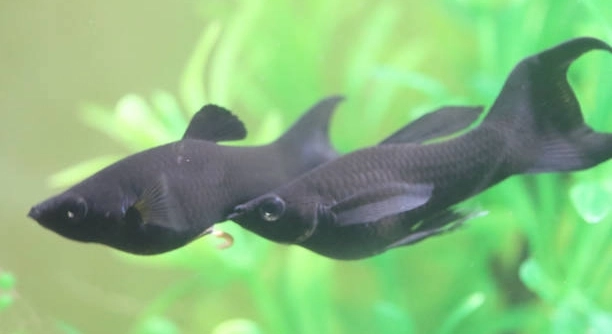
Black Molly Fry are lively and beautiful fish that can brighten any aquarium. Many new fish owners struggle with keeping them healthy and happy, often making small mistakes that can affect their growth and wellbeing over time.
One of the biggest errors with Black Molly Fry is overfeeding. Excess food can pollute the water quickly, leading to poor water quality and higher risk of disease. Proper feeding schedules and portion control are essential for their survival and growth.
Learning how to care for them properly can prevent many common problems. These tips will help ensure your fry grow strong and thrive in their environment.
Overcrowding the Tank
Many new fish owners make the mistake of keeping too many Black Molly Fry in a single tank. Overcrowding creates stress, reduces oxygen levels, and increases waste accumulation. When fry are placed too close together, competition for food becomes intense, and weaker fry often fail to thrive. The water quality deteriorates more quickly, which can lead to illness or stunted growth. Proper spacing and adequate filtration are essential. A tank that is slightly larger than expected will provide room for swimming, exploration, and natural behavior. Plants or hiding spots can help reduce stress and aggression among fry. Monitoring the number of fish and performing regular water changes helps maintain a stable and healthy environment. Planning the tank’s capacity before adding fry ensures long-term success. Black Molly Fry benefit from a calm and spacious environment where they can develop normally and avoid preventable health issues.
Maintaining appropriate tank density is simple if you stick to one fry per gallon rule. It keeps water cleaner and reduces stress.
Proper tank management goes beyond just counting fish. Regular observation of behavior, growth, and health helps detect problems early. Combining filtration, partial water changes, and careful feeding ensures fry develop strong immune systems. Hiding spots, gentle water flow, and light adjustments contribute to their comfort. By maintaining a balanced environment, you can avoid common growth issues. Careful monitoring, patience, and small adjustments create the best conditions for fry to thrive naturally.
Ignoring Water Parameters
Incorrect water conditions can quickly harm Black Molly Fry. Fry are sensitive to temperature, pH, and hardness, so ignoring these factors can stunt growth or cause illness.
Keeping water parameters stable is crucial. A thermometer, pH test kit, and regular water changes help maintain ideal conditions.
Water temperature should be kept between 24–28°C (75–82°F), while pH should stay around 7.0–8.0. Hardness must be moderate to support healthy development. Sudden changes in any of these factors can stress fry and reduce survival rates. Filtration must be gentle to avoid sucking in small fry, and aeration should provide consistent oxygen without creating strong currents. Frequent partial water changes prevent harmful waste buildup and keep the environment safe. Using dechlorinated water and monitoring for ammonia or nitrite spikes ensures fry remain healthy. With careful attention, your Black Molly Fry will grow steadily, remain active, and avoid preventable illnesses caused by poor water management. Regular observation and adjustments make a significant difference in long-term success.
Poor Nutrition
Black Molly Fry need small, frequent meals to grow properly. Feeding large amounts at once can cause waste buildup and health issues.
Providing high-quality fry food is essential. Crushed flakes, baby brine shrimp, and finely powdered pellets give them necessary nutrients. Rotate foods to include proteins, vitamins, and minerals. Overfeeding can lead to water pollution, which weakens fry and increases the risk of disease. Portion control is critical; feeding tiny amounts two to three times daily keeps fry healthy. Observing how quickly they eat helps adjust quantities. Supplementing with live or frozen foods supports growth and strengthens their immune systems. Avoid leftover food in the tank, as it can cause harmful spikes in ammonia and nitrite.
A balanced diet encourages strong growth, proper coloration, and resilience against stress. Consistency in feeding routines helps fry develop steadily without nutritional gaps.
Skipping Tank Cleaning
Dirty tanks quickly affect Black Molly Fry health. Waste buildup can lead to ammonia spikes and poor water quality.
Regular partial water changes prevent harmful toxins from accumulating. Removing uneaten food and debris keeps the tank safe. Filtration should be monitored and cleaned gently to avoid disturbing fry. Consistent maintenance avoids stress and disease, helping fry grow normally. A weekly cleaning schedule and careful observation of water clarity are essential. Even small tanks benefit from routine maintenance to ensure the environment remains stable and suitable. Combining water changes, substrate cleaning, and gentle equipment care creates a healthier living space. Avoid complete water replacement, as it can shock fry. Maintaining consistent conditions reduces illness risk.
Clean tanks also encourage active swimming, proper feeding behavior, and visible growth. Observing the tank during cleaning helps detect early signs of stress or health issues, making it easier to intervene. Using safe cleaning tools and dechlorinated water ensures that fry are not harmed. Proper cleaning routines maintain oxygen levels and prevent algae overgrowth. Consistent care builds a stable habitat, which is essential for healthy development and strong immune systems in Black Molly Fry.
Using Aggressive Tank Mates
Aggressive fish can harm Black Molly Fry, causing stress or injury. Even small nips can stunt growth or lead to death.
Peaceful, slow-moving fish are better companions. Avoid large or territorial species that chase or eat fry. Providing hiding spots reduces encounters and gives fry safe spaces to swim and feed without fear.
Ignoring Light and Temperature
Black Molly Fry thrive in stable environments. Sudden changes in light or temperature can stress them, weakening their immune systems. Maintaining consistent lighting cycles and keeping water within the ideal 24–28°C range helps them grow steadily. Sudden shifts in temperature or bright lights should be avoided.
Not Separating Fry From Adults
Adult fish may eat fry if left together. Separating young fish ensures better survival and reduces stress. Providing a breeding box or a separate tank gives fry space to grow safely without risk of being eaten or bullied.
How often should I feed Black Molly Fry?
Black Molly Fry require small, frequent meals to grow properly. Feeding tiny portions two to three times a day ensures they get enough nutrients without overloading the tank. Too much food can quickly pollute the water and lead to health problems, so monitoring how much they eat is essential. Observing the fry while feeding helps you adjust portions and prevent leftovers from decomposing in the tank. A mix of crushed flakes, finely powdered pellets, and occasional live or frozen foods gives them proteins, vitamins, and minerals needed for steady growth and strong immune systems.
What is the ideal tank size for fry?
A tank that is slightly larger than expected helps reduce stress and allows proper swimming space. Overcrowding can lead to competition for food, weaker fry being bullied, and faster accumulation of waste. Using the rule of roughly one fry per gallon provides a good starting point. Plants, hiding spots, and gentle water flow give them shelter and create a calmer environment. Monitoring water quality through regular testing ensures that ammonia, nitrite, and nitrate levels remain safe. With a spacious tank, fry have room to explore, develop natural behaviors, and grow without unnecessary stress.
Can I keep fry with adult Black Mollies?
Adult fish may eat or injure fry if they share the same tank. Separating fry from adults, either with a breeding box or a dedicated tank, ensures safety. Fry tanks allow young fish to feed, swim, and grow without fear of aggression. Providing hiding spaces like plants or small decorations helps them feel secure. Once fry are larger and stronger, they can be gradually introduced to a community tank. Careful observation during this transition prevents sudden stress or injuries. Separation also makes tank maintenance easier, as waste management and feeding can be tailored specifically for the fry.
How do I maintain water quality for fry?
Regular partial water changes are critical to prevent harmful toxin buildup. Removing uneaten food, debris, and performing gentle filtration cleaning keeps the environment stable. Fry are sensitive to ammonia, nitrites, and temperature fluctuations, so keeping water conditions consistent is necessary for healthy growth. Using dechlorinated water and monitoring pH, hardness, and temperature ensures optimal living conditions. Avoid full water replacements, which can shock the fry. Maintaining clean water supports proper development, reduces disease risks, and encourages active swimming and feeding behaviors. Consistent water care forms the foundation for healthy, thriving Black Molly Fry.
What types of food are best for Black Molly Fry?
Crushed flakes and finely powdered pellets are ideal for daily feeding, providing essential nutrients. Supplementing with live or frozen foods, like baby brine shrimp or micro worms, encourages growth and strengthens their immune systems. Rotating food types ensures a balanced diet rich in proteins, vitamins, and minerals. Avoid overfeeding, as leftover food can pollute the tank and harm fry health. Feeding small portions frequently keeps the fry active and growing steadily. Observing their eating habits helps adjust quantities and ensures that all fry are receiving enough nutrition without compromising water quality.
How do I prevent stress in fry?
Stress can stunt growth and increase susceptibility to disease. Avoid sudden changes in water temperature, strong currents, and bright lights. Maintaining consistent lighting cycles and gentle water flow helps fry feel secure. Peaceful tank mates and adequate hiding spaces reduce anxiety and allow fry to explore their environment safely. Observing behavior regularly helps detect early signs of stress, such as lethargy or reduced appetite. Keeping water parameters stable and feeding appropriate amounts at regular intervals also lowers stress levels. A calm, consistent environment is essential for healthy development and strong immune systems in Black Molly Fry.
What are common signs of illness in fry?
Signs of illness include lethargy, loss of appetite, faded coloration, or unusual swimming patterns. White spots, bloating, or frayed fins indicate potential disease. Early detection is key, as fry are vulnerable to infections. Maintaining clean water, proper nutrition, and stress-free conditions prevents many common illnesses. Quarantining sick fry and addressing water quality issues promptly can reduce the spread of disease. Observing their behavior daily helps catch problems early, making treatment more effective and improving survival rates. Regular monitoring ensures the overall health and well-being of your Black Molly Fry population.
How long does it take for fry to mature?
Black Molly Fry typically reach maturity within three to four months, depending on diet, water quality, and tank conditions. Proper care, including balanced nutrition, stable water parameters, and adequate space, accelerates healthy development. Growth may slow if the tank is overcrowded, water quality is poor, or fry experience stress. Observing size, coloration, and behavior helps track progress. Once they develop adult features, including fins and body shape, they can be introduced to community tanks. Consistent care throughout this period ensures strong, healthy adults ready for future breeding or integration with other fish.
Can I use tap water for fry tanks?
Tap water is acceptable if properly treated to remove chlorine and chloramine. Using a water conditioner neutralizes harmful chemicals, making it safe for sensitive fry. Checking pH, hardness, and temperature ensures stability. Sudden changes or untreated water can harm fry, so testing and conditioning is essential. Regular monitoring keeps water conditions within safe limits and prevents illness. Combining treated water with partial changes, gentle filtration, and careful feeding creates an environment conducive to growth. Properly prepared tap water supports survival and long-term development of Black Molly Fry without exposing them to toxins or stress.
Black Molly Fry can be a rewarding addition to any aquarium when cared for properly. Their delicate size and rapid growth make them sensitive to changes in their environment, so attention to detail is important. Many of the challenges associated with raising fry are preventable with consistent care, proper feeding, and maintaining good water quality. Keeping the tank clean, avoiding overcrowding, and separating fry from adult fish are essential steps to ensure they survive and thrive. Even small mistakes, such as overfeeding or introducing aggressive tank mates, can have serious consequences. By understanding these needs and addressing them early, you give the fry the best chance for healthy development and long-term survival. Observing their behavior daily and making small adjustments as needed can prevent minor issues from becoming serious problems.
Nutrition is one of the most important aspects of raising Black Molly Fry. Small, frequent meals using high-quality foods support growth and strengthen immune systems. Crushed flakes, finely powdered pellets, and occasional live or frozen foods provide a balanced diet with the proteins, vitamins, and minerals that fry require. Avoiding overfeeding is just as important as providing the right types of food, as leftover food can quickly pollute the tank and create unsafe water conditions. Rotating food types ensures the fry receive all necessary nutrients and prevents deficiencies. Watching how quickly the fry eat helps determine the right portion sizes and feeding schedule. Consistent nutrition directly influences growth rate, coloration, and overall health, making it easier to raise strong and active fish.
Water quality and environmental stability are equally important for fry development. Maintaining a stable temperature, appropriate pH, and moderate water hardness helps fry grow steadily without stress. Sudden changes in water conditions or lighting can weaken their immune systems, making them more susceptible to disease. Regular partial water changes, gentle filtration, and removal of uneaten food keep the tank safe and clean. Providing hiding spots and a calm environment reduces stress and encourages natural behaviors. Fry that are raised in a stable, carefully managed environment are more likely to develop strong immune systems, proper body structure, and vibrant coloration. Paying attention to these details and remaining consistent in daily care makes raising Black Molly Fry a more manageable and successful process.

Hello,
If you enjoy the content that we create, please consider saying a "Thank You!" by leaving a tip.
Every little bit helps us continue crafting quality advice that supports the health, happiness, and well-being of pets around the world, for pets of all shapes, sizes, and species.
We really appreciate the kindness and support that you show us!