
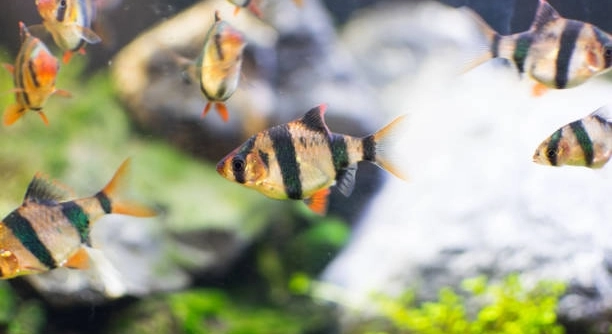
Setting up a nursery for tiger barbs requires careful planning and attention to their specific needs. These lively fish need a stable environment to grow healthy and strong. Preparing the right conditions early on is essential for success.
To establish an effective tiger barb nursery, focus on maintaining clean water, proper temperature, adequate space, and balanced nutrition. Providing a safe, well-filtered environment reduces stress and promotes healthy growth and development of the fry.
Following these tips will help you create a thriving space for your tiger barbs’ early life stages and ensure they develop properly.
Choosing the Right Tank Setup
A well-planned tank setup is the foundation of a successful tiger barb nursery. Start with a tank size of at least 10 gallons to give the fry enough space to swim freely. Use a gentle filtration system to keep the water clean without creating strong currents that might stress the young fish. Substrate choice is important; fine gravel or sand works best because it’s safe for small fry and easy to clean. Add live plants to provide hiding spots and improve water quality by absorbing excess nutrients. Maintain stable water parameters, especially temperature, which should be around 75–78°F (24–26°C). Regular water changes help prevent harmful buildups of toxins. Keep the tank well-lit but avoid harsh lighting, which could stress the fry. Finally, avoid overcrowding the tank to reduce competition for food and space, which can slow growth or cause health problems.
A proper tank setup balances space, cleanliness, and comfort to support healthy fry development.
Maintaining a peaceful environment in the tank is equally important. Avoid adding aggressive species that may harm the fry, and consider using a breeder box or divider if you need to separate adults from fry. Consistency in tank conditions will reduce stress and encourage steady growth. When the fry grow larger, gradually increase swimming space and adjust filtration accordingly. Keeping these factors in mind will make your nursery a safe and productive place for tiger barb fry.
Feeding the Fry Correctly
Feeding tiger barb fry requires careful timing and proper food choices to ensure they get the nutrients needed for growth.
Start feeding the fry small, frequent meals multiple times a day using finely crushed flakes, powdered fry food, or freshly hatched brine shrimp. The first week is critical, as fry have tiny mouths and high energy needs. Avoid overfeeding, which can dirty the tank and harm water quality. Introduce a varied diet gradually, including micro worms and finely chopped bloodworms, to provide balanced nutrition. Monitor how much the fry consume and adjust portions to avoid leftovers. Consistent feeding routines help the fry grow steadily while maintaining clean water. Remember, a well-fed fry is a healthy fry, so paying attention to their diet is key to a thriving nursery.
Maintaining Water Quality
Maintaining clean, stable water is essential for the health of tiger barb fry. Regular testing and water changes help keep harmful substances under control.
Frequent water changes, about 25-30% weekly, prevent the buildup of ammonia, nitrites, and nitrates. Use a reliable test kit to monitor water parameters such as pH (around 6.5–7.0), temperature, and hardness. Avoid sudden changes in water conditions, which can stress the fry and lead to illness. When performing water changes, make sure replacement water matches the tank’s temperature and chemistry to avoid shock. Using a sponge filter or gentle filtration helps maintain cleanliness without disturbing the fry.
It is important to remove uneaten food and waste promptly, as decaying matter can pollute the water quickly. Keeping the tank clean and stable creates a safe environment that supports healthy growth.
Monitoring Fry Development
Monitoring your fry’s growth and behavior helps detect potential issues early and ensures they are developing properly.
Observe the fry daily for signs of healthy activity, such as swimming actively and responding to feeding. Watch for any abnormal behavior, like lethargy or gasping at the surface, which could indicate water quality problems or illness. Track their size regularly; steady growth shows they are receiving proper nutrition and care. Separate any weak or sick fry to prevent spreading disease. Keeping a growth log or notes can help you identify patterns and adjust care as needed. Monitoring also includes adjusting tank conditions as fry mature, increasing space and nutrition accordingly.
Consistent attention to the fry’s development allows you to address problems early and maintain a healthy nursery environment.
Controlling Lighting Conditions
Proper lighting supports healthy fry development without causing stress. Avoid bright or direct light, which can make fry nervous.
Use low to moderate lighting and provide shaded areas with plants or decorations. A consistent light cycle, about 10-12 hours daily, helps regulate their natural rhythms.
Preventing Disease
Preventing disease is crucial for fry survival. Maintain clean water and avoid overcrowding to reduce stress and illness risks.
Quarantine new fish or plants before adding them to the nursery. Observe fry closely and remove any showing signs of sickness immediately to protect the group.
Gradual Introduction to Larger Spaces
When fry grow, gradually increase tank size to accommodate their activity levels. Avoid sudden changes to reduce stress.
Introduce them to a larger, well-planted tank slowly, ensuring conditions remain stable. This transition supports healthy growth and adaptation.
Providing Hiding Spots
Fry need places to hide for safety and comfort. Plants, rocks, or small caves work well.
These spots reduce stress and protect fry from potential aggression, encouraging natural behavior and healthy development.
How often should I feed tiger barb fry?
Feeding tiger barb fry multiple small meals daily is best. Aim for 3 to 5 feedings per day to match their fast metabolism. Use finely crushed flakes or specialized fry food, and make sure the food is small enough for their tiny mouths. Overfeeding can foul the water, so only offer what they can eat in a few minutes. Consistent feeding helps promote steady growth and health.
What is the ideal water temperature for a tiger barb nursery?
The ideal temperature is between 75 and 78°F (24–26°C). This range supports optimal metabolism and growth. Temperatures outside this range can stress the fry or slow their development. Use a reliable heater and thermometer to maintain stable temperature, avoiding sudden fluctuations that can harm the young fish.
Can I use a sponge filter in a fry tank?
Yes, sponge filters are highly recommended. They provide gentle filtration without creating strong currents that could stress or injure fry. Sponge filters also offer surface area for beneficial bacteria, helping maintain water quality. Regularly rinse the sponge in tank water to keep it clean without killing helpful bacteria.
How do I prevent fungus or infections in fry?
Good water quality is the best defense. Perform regular water changes and remove uneaten food promptly. Avoid overcrowding to reduce stress, which weakens immune systems. If fungus appears, treatments like antifungal medications designed for fry can help, but always follow product instructions carefully to avoid harming the delicate fry.
When can I move fry to a bigger tank?
Move fry gradually when they reach about 1 inch in length or when they start showing increased activity. The larger space reduces competition and allows for healthy swimming development. Ensure the new tank has similar water parameters and plenty of hiding spots. Gradual acclimation helps prevent stress during the move.
What should I do if fry aren’t growing well?
Check water quality first, as poor conditions can stunt growth. Review feeding routines to ensure proper nutrition and avoid overfeeding or underfeeding. Look for signs of disease or stress, such as lethargy or unusual behavior. Adjust tank conditions if needed and consider isolating weaker fry for special care.
Is it necessary to separate fry from adult tiger barbs?
Yes, separating fry from adults is important. Adult tiger barbs can eat or injure fry, so a breeding box or separate nursery tank is recommended. This separation ensures fry safety and reduces stress, allowing them to grow without threats from larger fish.
What type of food is best to start feeding tiger barb fry?
Start with infusoria or newly hatched brine shrimp for the first few days, as fry need very small, live foods. Gradually introduce finely crushed flakes or specialized powdered fry food. A varied diet supports balanced nutrition and healthy growth as they develop.
How often should I perform water changes in the nursery?
Water changes of 25-30% weekly are typically sufficient. More frequent changes may be needed if waste accumulates quickly. Always replace water with dechlorinated water at a similar temperature to avoid shocking the fry.
Can tiger barb fry be kept with other species?
It’s best to keep fry with their own species or in a dedicated nursery tank. Other species may outcompete them for food or pose a risk of aggression. Once fry grow larger and stronger, they can be introduced carefully to community tanks.
Setting up a successful tiger barb nursery requires patience, attention, and consistent care. Each step, from choosing the right tank to feeding and maintaining water quality, plays an important role in the health and growth of the fry. Keeping the environment stable and stress-free helps young tiger barbs develop strong and active, preparing them well for their adult life. It’s important to pay close attention to details like temperature, filtration, and diet, as small changes can have a big impact on their well-being.
Regular monitoring of the fry’s behavior and growth is essential for early detection of any problems. Healthy fry are active, eat well, and show steady growth over time. If any issues arise, such as illness or poor water quality, addressing them quickly can prevent serious setbacks. Using gentle filtration and providing hiding spots also create a safer, more comfortable space for the fry. Gradual changes in tank size and careful feeding routines further support their development. All these efforts combined create a nurturing environment that allows tiger barb fry to thrive.
Ultimately, success in raising tiger barb fry comes down to consistency and careful observation. The process may seem detailed, but following these key steps makes a significant difference in their survival and growth. With proper care, your nursery will become a healthy place where tiger barbs can grow strong and vibrant. Taking the time to learn and adjust as needed ensures the best results, making the experience rewarding for anyone committed to raising these lively fish.

Hello,
If you enjoy the content that we create, please consider saying a "Thank You!" by leaving a tip.
Every little bit helps us continue crafting quality advice that supports the health, happiness, and well-being of pets around the world, for pets of all shapes, sizes, and species.
We really appreciate the kindness and support that you show us!