
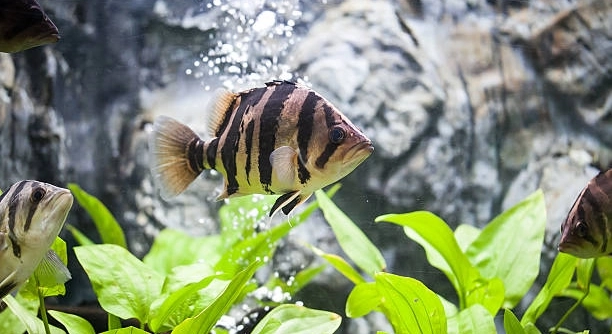
Have you ever watched your tiger barbs chasing each other around the tank and wondered if it’s playful behavior or something more serious?
Tiger barbs are naturally active and social fish, but their behavior can sometimes appear aggressive due to their tendency to nip fins and chase tankmates. This behavior is often mistaken for hostility, though it’s usually rooted in their energetic nature.
Understanding this distinction is key to creating a peaceful aquarium and making sure your tiger barbs live in a healthy, balanced environment.
Understanding Tiger Barb Behavior
Tiger barbs are fast swimmers with bold personalities, and their high energy often causes them to chase others in the tank. This chasing is usually playful and part of their natural social structure. However, it can escalate if there aren’t enough tankmates to spread out their energy or if the tank is too small. They are known for nipping fins, especially of slower or long-finned fish, which makes them seem aggressive. In reality, this behavior stems from a need for activity and social engagement. Providing a proper setup with a group of at least six tiger barbs helps redirect this behavior, as it encourages them to interact within their own group. Without enough companions, they tend to target other fish, leading to stress and injury. Observing their group dynamics and ensuring a well-balanced tank can make a big difference in managing their behavior and keeping the environment peaceful for all tank residents.
Tiger barbs need space, structure, and a proper group size to avoid stress and overactive chasing.
They are not aggressive by nature, but their behavior can become problematic in the wrong setup. If they lack stimulation or proper schooling, their energy can spill into unwanted fin-nipping and stress toward other fish.
Creating a Safe Tank Environment
Schooling tiger barbs in groups of six or more reduces tension in the tank and helps them behave more predictably.
Start by choosing the right tank size—a minimum of 20 gallons is ideal for a small school. The tank should include plenty of swimming space and visual barriers like plants or rocks to break sightlines. This helps reduce constant chasing and gives fish the opportunity to retreat and rest. Avoid keeping tiger barbs with slow-moving or long-finned species such as bettas, guppies, or angelfish, as they tend to become easy targets. Instead, opt for active and similarly sized tankmates like danios or loaches. Balanced feeding routines are also essential; overfeeding or underfeeding can trigger irritability and increased activity. Keep a close eye on water quality, as high ammonia or nitrate levels can add stress and worsen aggression. Regular water changes and proper filtration help maintain a calm environment. Providing hiding spots, maintaining consistency, and observing how your tiger barbs interact can help prevent unnecessary tension in the tank.
Recognizing Stress and Aggression
Stress in tiger barbs often shows through rapid swimming, color fading, and frequent chasing. When they nip excessively or isolate certain tankmates, it usually means something is off in their environment or social setup.
Watch how they interact throughout the day. If one or two tiger barbs are constantly chasing others, it could mean the group is too small or the tank lacks hiding spaces. You might also notice them losing their color or swimming erratically near the surface, which points to stress from poor water conditions or incompatible tankmates. Fin damage on other fish is a clear sign their playful energy has turned harmful. A stressed tiger barb might eat less or avoid the group entirely. These signs can be easy to miss if you’re not paying close attention, so take time to observe them regularly and make adjustments before things escalate into serious aggression.
If they’re showing these signs despite having proper space and group size, it might be a compatibility issue with other species in the tank. Some fish just don’t mix well with tiger barbs due to differences in behavior and swimming speed. Removing the mismatched fish or rehoming the barbs can restore balance.
Best Tankmates for Tiger Barbs
Choosing the right tankmates helps prevent unnecessary stress and tension. Fast, active fish that can keep up with their pace tend to work best. Avoid slow-moving species that may become easy targets for nipping.
Fish like zebra danios, cherry barbs, yoyo loaches, and certain types of tetras are good choices. These species are active enough to keep tiger barbs engaged without feeling threatened. It’s important to keep the tiger barbs in a proper school of six or more to reduce aggression within the group. When housed with the right tankmates, their energy is more balanced and less likely to become a problem. Avoid pairing them with species that have flowing fins or passive behavior, as these traits usually trigger nipping. Each new addition should be monitored closely in the first few days to make sure the group adjusts well. A peaceful tank comes down to balance—active fish, enough space, and proper social structure all matter.
Tips for Reducing Unwanted Behavior
Keep the group size to at least six tiger barbs to spread out their energy and prevent one fish from becoming a constant target. A larger group creates a more balanced social structure and lowers overall stress.
Add plants, rocks, and decorations to create hiding spots and break lines of sight. This reduces constant chasing and gives fish space to rest. A structured layout helps make the tank feel safe and less chaotic for all the fish.
How Feeding Affects Their Behavior
Feeding habits can directly influence tiger barb behavior. Irregular feeding or poor-quality food can make them more restless. Offer a consistent feeding schedule with a mix of high-quality flakes, pellets, and occasional frozen or live foods. This satisfies their nutritional needs and keeps them engaged. Overfeeding can cause leftover food to rot, which harms water quality and increases stress. Underfeeding can lead to competition and aggression, especially in a group. Spread the food evenly across the tank to avoid crowding in one area. A well-fed, healthy tiger barb is far less likely to act out toward its tankmates.
When to Separate a Tiger Barb
If one barb continues to show excessive aggression, even with the proper setup, it may be best to remove it. This helps protect the health and safety of the other fish in the tank.
FAQ
Are tiger barbs always aggressive?
Tiger barbs are not always aggressive. Their behavior depends on the tank environment, group size, and tankmates. When kept in a proper school of six or more, with enough space and hiding spots, their behavior is usually playful rather than truly aggressive. Aggression often appears when they are stressed, bored, or kept with unsuitable fish.
Why do tiger barbs nip other fish?
Nipping is common among tiger barbs due to their active and social nature. They use fin-nipping to establish social hierarchy and to interact with other fish. It’s often more about play and dominance than real aggression. However, nipping becomes a problem if the tank is too small or if there aren’t enough tiger barbs in the group to focus their energy on.
How many tiger barbs should be kept together?
It’s best to keep at least six tiger barbs together. A larger group helps spread out their energy and reduces bullying of other tankmates. In smaller groups, one or two barbs can become overly dominant and aggressive, making the tank stressful for everyone.
Can tiger barbs live peacefully with other fish?
Yes, tiger barbs can live peacefully with certain types of fish. Ideal tankmates are fast, active species that can keep up with their energy. Good companions include zebra danios, cherry barbs, and certain tetras. Avoid slow, long-finned, or shy fish because tiger barbs tend to nip fins and stress these types.
What tank size is ideal for tiger barbs?
A minimum tank size of 20 gallons is recommended for a school of six tiger barbs. This provides enough space for swimming and reduces stress by allowing fish to spread out. Larger tanks are even better, especially if you plan to keep other species with them.
What causes sudden aggression in tiger barbs?
Sudden aggression can be caused by changes in the environment, poor water quality, overcrowding, or a lack of hiding places. Stress from illness or injury may also make them more irritable. Changes in lighting or temperature can contribute too, so keep conditions stable and monitor water quality regularly.
How can I stop my tiger barbs from nipping?
To reduce nipping, keep them in a proper school of at least six fish, provide hiding spots, and choose compatible tankmates. Feeding them well and maintaining good water quality also helps. If nipping continues, consider rearranging the tank to break sightlines or separating overly aggressive individuals.
Is it normal for tiger barbs to chase each other?
Yes, chasing is normal and part of their social interaction. It helps establish hierarchy within the group. This behavior is usually playful but can become aggressive if the tank is too small or the group is too small. Providing enough space and a good group size helps keep chasing healthy and less stressful.
How do I know if a tiger barb is stressed?
Signs of stress include faded color, rapid breathing, hiding frequently, loss of appetite, and constant chasing or fin-nipping. Stress can also cause them to swim erratically or stay near the surface. Regular water testing and observing fish behavior helps catch stress early.
Should I separate an aggressive tiger barb?
If one tiger barb is overly aggressive and causes harm to others, it’s best to separate it. This protects the health of your other fish and keeps the tank peaceful. Sometimes an aggressive fish can calm down after a few days apart, but often removal or rehoming is necessary for the overall well-being of the tank.
Tiger barbs are lively and energetic fish that naturally enjoy being part of a group. Their behavior can sometimes be misunderstood as aggressive when it is often just playful or a way to interact with other fish. When kept in the right environment with enough space and the proper number of companions, they usually get along well with other active tankmates. Understanding their behavior and needs helps prevent problems like excessive fin-nipping or stress in the tank. Taking time to observe their interactions can give you valuable insight into what they need to stay healthy and happy.
Creating a balanced environment is essential for tiger barbs. Keeping them in groups of six or more reduces aggressive tendencies because they focus their energy within the school rather than on other species. Providing enough swimming space and hiding spots further reduces tension by allowing fish to retreat when needed. It’s also important to choose tankmates carefully, selecting species that can match their activity level and avoid long, flowing fins that attract nipping. Feeding them regularly with quality food and maintaining clean water keeps the barbs healthy and less likely to act out. When these conditions are met, their behavior tends to be playful and social rather than hostile.
Even with proper care, some tiger barbs may show signs of aggression or stress, especially if the environment changes or the group is too small. It’s important to watch for signs like constant chasing, fin damage, or color fading, which indicate a problem. Adjusting tank conditions, changing companions, or separating a particularly aggressive fish can help restore balance. Overall, tiger barbs can make a lively and interesting addition to an aquarium, but they require attention to their social and environmental needs. Keeping these factors in mind will help ensure a peaceful and enjoyable tank for all your fish.

Hello,
If you enjoy the content that we create, please consider saying a "Thank You!" by leaving a tip.
Every little bit helps us continue crafting quality advice that supports the health, happiness, and well-being of pets around the world, for pets of all shapes, sizes, and species.
We really appreciate the kindness and support that you show us!