
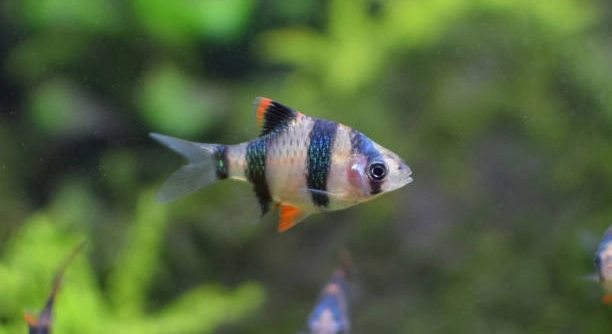
Barbs are small freshwater fish often seen in home aquariums. These lively swimmers sometimes move in unique patterns that catch the eye. One such pattern is a spiral swimming motion that appears quite distinct from their usual behavior.
Barbs may swim in a spiral pattern as a result of social interactions, environmental cues, or stress responses. This swimming behavior can help with communication, establishing dominance, or navigating complex environments efficiently.
Understanding why barbs use this swimming style can give better insights into their behavior and care needs in captivity.
Why Barbs Swim in Spirals
Barbs often swim in spiral patterns to communicate with each other. This behavior can signal dominance or submission within their group. Spiraling may also help them coordinate movements when exploring new environments. In some cases, the pattern appears during mating rituals, where males swim in spirals to attract females. Environmental factors such as water flow or tank layout can influence this swimming style as well. When currents are uneven or there are obstacles, spirals might help barbs navigate more easily. Additionally, stress or excitement can trigger this behavior, especially if the fish feel threatened or stimulated by changes around them. Watching these patterns can give owners clues about the fish’s mood or health. Overall, spiraling is a natural and functional behavior for barbs that supports social interaction and survival.
This swimming style is a natural way for barbs to interact and adapt to their surroundings.
Observing spiral swimming closely reveals how barbs maintain social order and respond to environmental changes. This pattern is not random but a carefully developed behavior that enhances their chances of thriving in various conditions. By swimming in spirals, barbs communicate non-verbally, helping avoid conflicts and strengthen group bonds. The movement can also reduce energy use when swimming in flowing water, showing an efficient adaptation. For those keeping barbs in tanks, providing enough space and stable water conditions encourages healthy spiral swimming without stress. Understanding this behavior helps create a better habitat where barbs feel secure and active.
Environmental Factors Influencing Spiral Swimming
Water flow and tank layout can significantly affect spiral swimming in barbs.
Uneven water currents make barbs swim in spirals to maintain balance and control. Tank decorations, plants, or rocks create obstacles that encourage this movement. In the wild, barbs live in streams where water flows vary, so their swimming adapts to these conditions naturally. A spiral motion helps them stay in one area or navigate around objects without using extra energy. In small or overcrowded tanks, this behavior may become more frequent as fish try to find space. Providing a well-arranged tank with enough open areas reduces excessive spiraling caused by stress or crowding. Monitoring water flow and tank setup can improve barbs’ comfort, supporting more natural and calm swimming patterns that benefit their health and well-being.
Spiral Swimming and Social Behavior
Spiral swimming plays an important role in how barbs communicate and establish social order within their groups.
This behavior helps barbs signal their position in the hierarchy. Dominant fish often swim in tighter, faster spirals to show strength and control. Subordinate fish might use slower or looser spirals as a sign of submission. These patterns reduce aggressive encounters by clearly defining roles without physical fights. Spiraling can also encourage group cohesion, helping barbs stay together while moving. It allows for subtle communication about mood, health, or intentions, which supports a peaceful tank environment.
The spiral swimming pattern also assists during group foraging. By moving in coordinated spirals, barbs can effectively locate and share food sources while avoiding conflicts. This collective behavior ensures that all fish have a chance to feed and survive. It also increases safety, as swimming in groups helps protect them from potential threats.
Stress and Spiral Swimming
Stress often causes barbs to increase their spiral swimming frequency and intensity.
When barbs feel threatened, whether from poor water quality, overcrowding, or sudden changes, they may swim in spirals more actively. This is a coping mechanism to reduce anxiety and maintain control of their surroundings. Stress-related spiraling tends to be more erratic or repetitive, different from social or environmental spirals. Over time, chronic stress can lead to health issues, so it’s important to recognize these behaviors. Reducing tank disturbances, maintaining clean water, and providing hiding spots can help calm barbs and normalize their swimming patterns. Paying attention to these signs supports the well-being of your fish and keeps the aquarium balanced.
Role of Tank Size in Spiral Swimming
Smaller tanks can cause barbs to swim in tighter spirals more often.
Limited space restricts their natural movement, leading to increased spiraling as they try to navigate or find comfort zones.
Impact of Lighting and Tank Setup
Bright or flickering lights may stress barbs, affecting their swimming patterns. Proper lighting that mimics natural conditions helps them swim calmly and reduces erratic spiraling.
How Diet Affects Barbs’ Behavior
A balanced diet supports healthy activity levels, reducing stress-induced spiral swimming. Poor nutrition can lead to lethargy or restless movement, including excessive spiraling. Feeding high-quality food regularly promotes stable behavior and overall well-being.
Observing Spiral Swimming Patterns
Consistent observation of spiral swimming can reveal changes in barbs’ health or environment. Sudden shifts in patterns might indicate stress, illness, or tank problems that need attention.
FAQ
Why do barbs sometimes swim in circles or spirals?
Barbs swim in spirals mainly as a form of communication and social behavior. This movement can show dominance or submission within the group. Spiraling also helps them navigate tight spaces or uneven water flow. Sometimes, it happens when they are stressed or excited. It’s a natural and normal part of how they interact and move.
Is spiral swimming a sign of illness in barbs?
Not always. Spiral swimming is usually normal behavior related to social signals or environment. However, if spirals become erratic, very fast, or continuous, it could indicate stress, poor water quality, or illness. Watching for other signs like loss of appetite or color changes helps determine if medical attention is needed.
Can tank size affect how often barbs swim in spirals?
Yes, smaller tanks limit space and can increase spiral swimming because fish have less room to swim naturally. Overcrowding also causes more stress, leading to tighter or more frequent spirals. Providing a larger tank with open swimming areas helps reduce unnecessary spiraling.
Do barbs spiral swim more during mating?
Yes, males often swim in spirals to attract females and compete with other males. This courtship behavior includes faster, tighter spiraling as a display of fitness. It helps females choose strong mates and supports reproduction within the group.
How can I reduce stress-related spiral swimming?
Maintaining good water quality, stable temperature, and proper tank setup reduces stress. Avoid sudden changes, overcrowding, and bright flickering lights. Providing hiding spots and plants also helps barbs feel secure and swim calmly. Regular feeding of a balanced diet supports their health and reduces stress behaviors.
Does water flow affect spiral swimming?
Uneven or strong currents can cause barbs to swim in spirals to maintain balance and control. In natural habitats, barbs adapt to varying water flows, so spiraling helps them stay stable. In tanks, adjusting filters or adding plants to reduce strong currents can create a calmer environment.
Can spiral swimming be harmful to barbs?
Normally, spiral swimming is harmless and part of natural behavior. However, if it becomes repetitive, frantic, or constant, it may stress the fish and cause health problems over time. Monitoring behavior and tank conditions helps prevent harmful levels of spiraling.
What role does diet play in barbs’ swimming behavior?
A healthy diet keeps barbs energetic and balanced. Poor nutrition can make them restless or lethargic, leading to irregular swimming patterns including excessive spiraling. Feeding varied, high-quality food supports their immune system and reduces abnormal behavior.
Should I separate barbs if spiral swimming leads to aggression?
If spiraling behavior turns into aggressive chasing or biting, it might be necessary to separate dominant or overly aggressive fish. Providing enough space, hiding spots, and compatible tank mates also reduces conflicts and keeps social spiral swimming peaceful.
How can I tell if spiral swimming is due to environment or health issues?
Look for other signs like changes in appetite, color, or activity levels. Environmental causes often improve with better water quality, tank adjustments, or reduced stressors. Health issues may need veterinary advice if symptoms persist or worsen alongside spiral swimming.
Final Thoughts
Barbs swimming in spiral patterns is a natural and interesting behavior that shows many sides of their lives. It helps them communicate with other fish, find their place in the group, and deal with changes in their environment. This swimming style is not random but serves important roles such as signaling dominance, helping with mating, and navigating through their surroundings. Understanding this can help fish owners appreciate their barbs more and create a better home for them.
Taking care of barbs means paying attention to their needs, including tank size, water quality, and diet. Smaller tanks or poor water conditions can increase stress, causing barbs to swim in spirals more often or in ways that suggest they are uncomfortable. Good care involves making sure the water is clean, the temperature is stable, and the tank has enough space and hiding places. Feeding barbs a balanced diet also supports their health and keeps their behavior normal. When barbs swim calmly in spirals, it usually means they are feeling safe and well cared for.
Watching your barbs and learning their behaviors, including spiral swimming, can help you spot when something is wrong. If the spirals become fast, erratic, or continuous, it might be a sign of stress or illness. Acting quickly by checking water quality or consulting an expert can protect their health. In the end, spiral swimming is a normal part of barbs’ lives, and knowing why they do it helps you give them the best environment possible. Caring for them with this knowledge makes keeping barbs a more enjoyable and rewarding experience.

Hello,
If you enjoy the content that we create, please consider saying a "Thank You!" by leaving a tip.
Every little bit helps us continue crafting quality advice that supports the health, happiness, and well-being of pets around the world, for pets of all shapes, sizes, and species.
We really appreciate the kindness and support that you show us!