
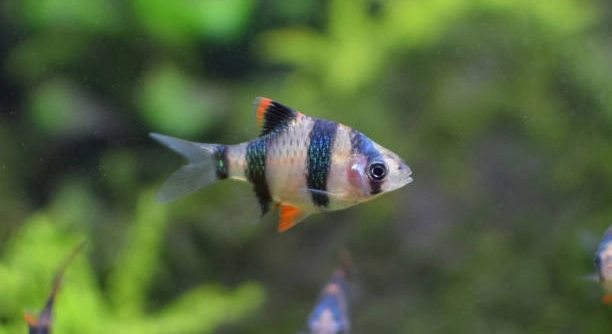
Have you ever watched your tiger barbs swim around and wondered if they notice the other fish in the tank? These lively, colorful fish are always on the move, making them fascinating to observe in a shared aquarium space.
Tiger barbs can recognize other species, but their behavior depends on factors like the size, movement, and appearance of the other fish. They may react aggressively, especially if tank mates have long fins or appear timid and slow.
Knowing how tiger barbs interact with other species can help you build a peaceful and balanced aquarium. Let’s explore what influences their social behavior.
How Tiger Barbs React to Other Fish
Tiger barbs are active and often display dominant behavior in community tanks. Their recognition of other fish isn’t the same as a human recognizing a familiar face, but they do notice differences in size, color, and swimming style. This affects how they react. If a fish is slow or has long, flowing fins, tiger barbs may chase or nip at it. This behavior is more about their nature than personal dislike. In contrast, they are less aggressive toward fast-moving or similarly sized fish that can hold their own. Keeping tiger barbs in groups of six or more can also reduce this aggression. The group keeps each other busy and focused, making them less likely to bother others. These patterns are useful to observe if you’re trying to create a peaceful tank setup. Compatibility matters, and knowing how tiger barbs behave is one step toward a better aquarium environment.
A well-planned tank setup with the right mix of fish can reduce stress and make interactions smoother for all species.
If you’re introducing new fish to your tank, take time to watch how the tiger barbs react. They may chase at first, but with time, their interest often fades. Still, not every fish is a good match. Choose tank mates wisely.
What Affects Their Behavior
Many factors affect how tiger barbs act around other species. Tank size, for example, plays a big role. A small space increases stress and makes aggressive behavior more likely.
In a larger, well-decorated tank, tiger barbs are less likely to chase others. Plants, rocks, and hiding spaces give fish room to move away and feel safe. Water conditions also matter. Poor water quality can make any fish more aggressive or stressed. A stable environment helps reduce tension and supports better social behavior. Another important factor is group size. A small group of tiger barbs may focus too much on other tank mates. Keeping a larger group keeps their energy directed at each other, making them less of a threat. Diet and feeding times can also shape behavior. If fish are well-fed and meals are consistent, they’re less likely to compete aggressively. These small choices add up and can make a big difference. Understanding their behavior helps you give them a space where they can thrive without disturbing others.
Signs Tiger Barbs Recognize Other Fish
Tiger barbs often follow or chase certain fish more than others. This repeated behavior may suggest they notice differences between species, especially if they single out slow or colorful tank mates with long fins.
They also show specific social behaviors within their own group that can shift depending on who else is in the tank. If new fish are added, tiger barbs may form tighter groups or act more alert. This change can be a sign that they’re responding to new tank dynamics. You might see them circling or swimming closely around unfamiliar fish. These reactions usually fade as the new fish becomes a regular part of the tank. However, if the new tank mate is small, flashy, or slow-moving, tiger barbs may continue to chase them. This pattern shows that they do notice differences and adjust their behavior based on who’s sharing their space.
Changes in feeding behavior can also be a clue. If tiger barbs eat more aggressively when certain species are around, they may be reacting to a perceived threat or competition. They may also block access to food or crowd around a specific area. These actions suggest a level of awareness and reaction to who is nearby. Watching closely during feeding time can reveal how they recognize and respond to others.
Choosing the Right Tank Mates
Pick active fish that can keep up with the tiger barbs. Species like danios or rasboras often do well because they match the barbs’ energy and speed. Avoid slow swimmers with long fins.
Larger tanks make a big difference when mixing species. Aim for at least 20 gallons if you’re keeping a group of tiger barbs. A bigger tank gives everyone space to escape and reduces tension. Use plants, caves, or decorations to create barriers and hiding spots. This helps fish avoid each other when needed. When choosing tank mates, look for species that don’t get stressed easily and prefer similar water conditions. Fish like platies, swordtails, or even fast tetras often adjust well. Always monitor new additions for signs of bullying or stress, especially during the first few days. If the tiger barbs act too aggressive, you may need to rearrange the tank or remove certain fish for their safety.
How to Reduce Aggression
Keep tiger barbs in groups of at least six. This helps spread out any aggressive behavior within their own group instead of toward other species in the tank. A larger group keeps them busier and more balanced.
Add plants, rocks, or driftwood to create hiding spots and break up sight lines. This helps reduce tension and gives other fish a chance to rest without being chased or bothered. A structured tank layout encourages peaceful swimming patterns.
Monitoring Behavior Over Time
Watch for changes in swimming patterns, feeding behavior, or fin damage. These signs may show if aggression is becoming a problem. If a fish hides constantly or has torn fins, they’re likely being targeted. Rearranging the tank layout can help reset behavior patterns. Sometimes, moving decorations or adding new ones is enough to reduce aggression. Keeping up with water quality and feeding on a consistent schedule also makes a difference. Over time, tiger barbs often adjust to their tank mates, especially if those mates are active and confident. Keep observing quietly to catch small shifts in behavior early.
Final Thoughts on Compatibility
Some fish just don’t mix well with tiger barbs, no matter how careful the setup is. Recognizing patterns early helps protect all the fish in your tank.
FAQ
Can tiger barbs live with angelfish?
Tiger barbs and angelfish are not a good match. Tiger barbs are fast and nippy, while angelfish have long, flowing fins and a calm nature. The barbs often chase or nip at the fins of angelfish, causing stress and injury. Even in large tanks, the difference in behavior usually leads to problems. It’s best to avoid keeping them together. If you already have both, keep an eye on their interactions and be ready to separate them if needed.
How many tiger barbs should be kept together?
Always keep tiger barbs in a group of at least six. They are schooling fish and do better when surrounded by others of their kind. A group helps spread out their energy and reduces the chances of them picking on other tank mates. Keeping too few can make them anxious and aggressive. Larger groups tend to keep their focus on each other, which leads to more peaceful behavior in a community tank. If you have space, consider keeping even more than six for better balance.
Do tiger barbs remember other fish over time?
Fish memory isn’t the same as a human’s, but tiger barbs can show signs of recognition. They may act differently around fish they’ve seen often compared to new ones. They might be less reactive once they get used to a certain tank mate. However, this response is more about habit than memory. Their behavior often depends on routine, environment, and the presence of familiar patterns. So while they may not “remember” in the way we think, they do learn from repeated interactions.
Why do tiger barbs chase certain fish but ignore others?
Tiger barbs are attracted to movement and color. If a fish is slow, flashy, or has long fins, tiger barbs are more likely to chase it. Some species just trigger their natural curiosity or territorial instincts. On the other hand, fast swimmers or fish with more neutral appearances don’t seem to bother them as much. Matching fish personalities and movement styles is one of the easiest ways to reduce chasing behavior. It helps keep the tank calmer and prevents injuries.
What are signs that my tiger barbs are stressed?
Watch for unusual hiding, rapid gill movement, torn fins, or sudden changes in appetite. These are common signs of stress. Stress can come from poor water quality, overcrowding, or aggressive tank mates. If your tiger barbs are constantly chasing others or being chased, the whole tank may be feeling the effects. Rearranging decorations, improving water conditions, or adjusting group size can help. Keeping stress levels low leads to healthier, more stable fish.
How can I tell if tiger barbs are being aggressive or just playing?
It can be hard to tell at first. Playful behavior usually looks like short bursts of chasing without damage or hiding. Aggression shows up as constant chasing, fin nipping, and one fish dominating the rest. If a fish is always hiding or shows signs of injury, it’s likely being bullied. Pay attention to how long and how often the chasing happens. Gentle nudging or short chases within a group of barbs is normal, but if other fish are being singled out, it’s time to step in.
Are tiger barbs good for beginners?
Yes, but only with the right setup. Tiger barbs are hardy and active, which makes them fun to watch. However, their social behavior can be tricky. Beginners need to research tank mates carefully and understand group dynamics. A group of six or more tiger barbs in a well-planned tank can be a good starting point. Avoid mixing them with delicate or slow-moving species. Regular tank maintenance, water testing, and close observation will help new keepers manage them successfully.
Can tiger barbs recognize their owner?
While they don’t bond with people like dogs or cats, tiger barbs can learn to respond to feeding routines and movement outside the tank. Over time, they may swim to the glass or become more active when you approach. This behavior is more about food association than personal recognition. Still, it can feel like they “know” you, especially when they react to your presence in consistent ways. These moments are part of what makes keeping fish enjoyable.
Final Thoughts
Keeping tiger barbs in a community tank can be both rewarding and challenging. These fish are active, colorful, and full of energy. They bring a lot of movement to the tank, which makes them fun to watch. But their bold nature means they don’t always get along with every other species. Understanding how they behave and what triggers their aggression is important if you want a peaceful tank. Choosing the right tank mates, keeping a proper group size, and giving them enough space can all help lower stress and reduce chasing or fin-nipping. Watching them closely in the first few days after adding new fish is also helpful. You’ll learn a lot just by observing how they act around others.
Many people enjoy keeping tiger barbs once they get the setup right. When they live in a balanced tank, tiger barbs can become more focused on their group and less likely to bother others. Giving them a stimulating environment with plants, rocks, and room to swim helps too. It’s not just about who you keep them with — it’s about how you arrange the tank and how often you care for it. Regular water changes, proper feeding, and a consistent routine all make a big difference. These small habits help all your fish feel secure. Even though tiger barbs might act a little rough at times, they usually settle down once they feel comfortable in their surroundings.
Keeping fish is often about learning over time. Each species has its own needs, and tiger barbs are no different. They are not the most aggressive fish, but they do have a strong presence in the tank. With the right approach, they can be part of a peaceful community. Just remember to do a little research before adding new fish. Take time to watch their behavior and make adjustments when needed. Every tank is different, and sometimes small changes can lead to big improvements. When you take care of their needs and respect their nature, tiger barbs can thrive — and so can the rest of your fish.

Hello,
If you enjoy the content that we create, please consider saying a "Thank You!" by leaving a tip.
Every little bit helps us continue crafting quality advice that supports the health, happiness, and well-being of pets around the world, for pets of all shapes, sizes, and species.
We really appreciate the kindness and support that you show us!