
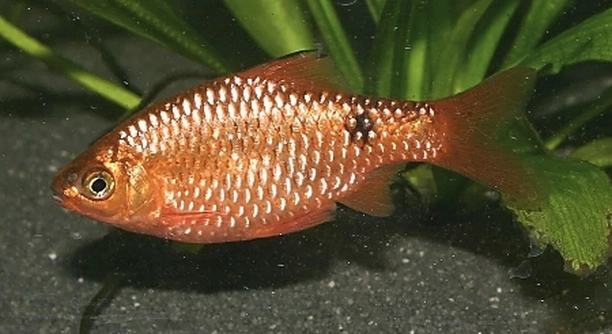
Rosy barbs are popular aquarium fish that bring color and life to any tank. Keeping them comfortable is important for their health and happiness. Small changes in their environment can make a big difference for these active swimmers.
To make rosy barbs more comfortable, adding proper plants, hiding spots, clean water, appropriate lighting, stable temperature, gentle filtration, and a balanced diet is essential. These elements create a natural and stress-free habitat, supporting their well-being effectively.
Improving your tank with these additions will help your rosy barbs thrive and stay healthy. The following tips explain how each element benefits them in detail.
Adding Proper Plants
Including live plants in a rosy barb tank helps create a natural environment. Plants provide shelter and hiding spots, which reduce stress for the fish. They also improve water quality by absorbing harmful substances and producing oxygen. Some good plant choices are Java fern, Anubias, and Hornwort, which are sturdy and easy to care for. Plants also offer a place for rosy barbs to explore and swim through, keeping them active and entertained. When selecting plants, make sure they suit your tank size and lighting conditions. Avoid overcrowding to allow enough swimming space.
Live plants not only make the tank look better but also promote healthier behavior in rosy barbs. A tank with proper plants can mimic their natural habitat, encouraging natural swimming patterns and resting areas.
Plants help maintain stable water chemistry while offering shelter, which lowers aggression among rosy barbs. With the right balance of plants, your fish will feel safer and more comfortable.
Providing Hiding Spots
Hiding spots are necessary for rosy barbs to feel secure.
These can be created using rocks, caves, or driftwood.
Creating hiding places in your aquarium helps rosy barbs reduce stress by offering them areas to retreat. These spots can serve as safe zones when the fish feel threatened or want to rest. Driftwood and aquarium-safe rocks make excellent hiding areas because they provide natural cover and fit well with the overall tank design. You can also use commercially available caves or tunnels designed for fish tanks. When setting up hiding spots, avoid sharp edges to prevent injury. Place them strategically around the tank to encourage exploration without blocking swimming paths. Having multiple hiding places can lower aggression and create a calmer environment for the entire tank community. This simple addition can significantly improve the comfort and health of your rosy barbs.
Maintaining Clean Water
Clean water is vital for rosy barbs’ health.
Regular water changes and proper filtration keep toxins low.
Frequent water changes remove waste and harmful chemicals that build up in the tank. About 25% of the water should be changed weekly to maintain a healthy environment. Using a good-quality water conditioner helps remove chlorine and chloramine from tap water. Keeping an eye on ammonia, nitrite, and nitrate levels ensures the water remains safe. Testing kits are useful tools to monitor these values regularly. Clean water reduces stress and prevents diseases in rosy barbs, helping them live longer and stay active.
A reliable filter keeps the water clear by removing debris and promoting good bacteria growth. Gentle filtration is important to avoid strong currents that can stress rosy barbs. Choosing the right filter will balance cleanliness with comfort in the tank.
Stable Temperature and Lighting
Stable temperature and lighting help rosy barbs feel secure and healthy.
They thrive in temperatures between 74°F and 78°F with moderate light.
Maintaining a consistent temperature avoids stress caused by sudden changes. Using a reliable aquarium heater with a thermostat ensures the tank stays within the ideal range. Lighting should mimic natural daylight but not be too bright, as intense light can stress the fish. A timer for the aquarium light can create a consistent day-night cycle, helping rosy barbs regulate their behavior. Proper lighting also supports plant growth and enhances the tank’s appearance. Together, stable temperature and lighting create a balanced environment where rosy barbs can flourish.
Gentle Filtration
Gentle filtration keeps water clean without creating strong currents.
Rosy barbs prefer calm water that allows easy swimming and resting.
Choosing a filter designed for small to medium tanks usually works best. Avoid filters that push water too hard, as this can stress the fish and tire them out. Sponge filters or adjustable flow filters are good options. Proper filtration balances cleanliness with comfort, making the tank a better home.
Balanced Diet
Providing a balanced diet supports rosy barbs’ growth and energy.
Feed them high-quality flakes, pellets, and occasional live or frozen foods.
Stable Environment
A stable tank environment reduces stress and promotes long-term health.
Keep water parameters steady and avoid sudden changes in conditions.
How often should I change the water in my rosy barb tank?
Changing about 25% of the water every week is ideal for keeping rosy barbs healthy. This regular water change helps remove waste, excess nutrients, and harmful chemicals that build up over time. It also prevents the growth of algae and maintains a clean environment. Using a water conditioner during each change is important to remove chlorine and chloramine, which can harm fish. Avoid changing too much water at once, as it can shock the fish and disturb the tank’s balance. A consistent schedule helps keep water parameters stable and your rosy barbs comfortable.
What type of plants are best for rosy barbs?
Hardy and fast-growing plants work best in a rosy barb tank. Java fern, Anubias, and Hornwort are popular because they tolerate a range of conditions and are not easily eaten or uprooted by the fish. These plants provide good hiding spots and improve water quality by absorbing nitrates. Floating plants can also be added to give shade and reduce bright light. Avoid delicate or slow-growing plants, as rosy barbs are active swimmers and may damage them. Using a mix of rooted and floating plants creates a balanced environment.
Can rosy barbs live with other fish?
Rosy barbs are generally peaceful but can be fin nippers, especially if stressed or crowded. They do well with other active, similarly sized fish such as danios, tetras, or other barbs. Avoid slow-moving or long-finned species that might become targets. Providing plenty of hiding spots and swimming space reduces aggression. Keeping rosy barbs in groups of at least six also helps minimize nipping by spreading attention among themselves. Proper tank setup and compatible tankmates create a peaceful community where all fish thrive.
What is the ideal tank size for rosy barbs?
A minimum tank size of 30 gallons is recommended for a small school of rosy barbs. These fish are active swimmers who need space to move around freely. A larger tank helps maintain water quality and reduces territorial behavior. If keeping more than six rosy barbs, increase the tank size accordingly to avoid overcrowding. Proper filtration and regular maintenance also become easier with a well-sized tank. Providing enough room helps keep the fish healthy and reduces stress.
How do I prevent rosy barbs from getting stressed?
Stress in rosy barbs often comes from poor water quality, overcrowding, or sudden changes in the environment. Maintaining clean water through regular changes and gentle filtration is key. Avoid sharp decorations or rough handling. Stable temperature and lighting also help keep stress levels low. Providing hiding spots and plants gives the fish places to retreat. Keeping them in groups reduces aggression and makes them feel secure. Watching your fish regularly helps catch signs of stress early.
What do rosy barbs eat?
Rosy barbs are omnivores and enjoy a varied diet. High-quality flakes and pellets form the base of their nutrition. Supplementing with live or frozen foods like brine shrimp, daphnia, or bloodworms provides extra protein. Vegetables such as blanched spinach or zucchini can be offered occasionally. Feeding small amounts twice a day prevents overfeeding and keeps the tank cleaner. A balanced diet supports their vibrant color and active behavior.
How can I tell if my rosy barbs are healthy?
Healthy rosy barbs swim actively, have bright colors, and show clear eyes. They respond to food and interact with their tankmates. Look for smooth scales and intact fins without tears or spots. Any signs of lethargy, loss of appetite, or unusual swimming patterns may indicate health issues. Regular water testing and tank maintenance prevent common problems. Quarantining new fish before adding them helps avoid introducing diseases. Early attention to changes in behavior or appearance keeps rosy barbs thriving.
What should I do if my rosy barbs show signs of illness?
If you notice symptoms like clamped fins, white spots, or slow movement, test the water for ammonia, nitrites, and nitrates first. Poor water quality is often the cause. Perform a partial water change and check your filter. Quarantine sick fish to prevent spreading disease. Many common illnesses can be treated with aquarium-safe medications. Research the specific symptoms for accurate treatment. Maintaining a clean tank and stable environment reduces the risk of illness over time.
Is it necessary to provide hiding spots for rosy barbs?
Yes, hiding spots are important even for active fish like rosy barbs. They offer shelter during rest or when the fish feel threatened. Hiding places reduce stress and aggression by providing safe zones. Using rocks, driftwood, or artificial caves creates these spaces easily. Well-placed hiding spots encourage natural behavior and help maintain a peaceful tank. Multiple hiding spots ensure all fish have a retreat.
How bright should the aquarium lighting be?
Moderate lighting that mimics natural daylight is best. Too much light can stress rosy barbs and promote excessive algae growth. Using a timer to provide about 8 to 10 hours of light daily creates a healthy day-night cycle. Adjust lighting based on plant needs and tank appearance. Softer lighting helps keep the fish comfortable and promotes natural activity patterns.
Keeping rosy barbs comfortable requires attention to their environment and care. These fish thrive best when their tank mimics natural conditions as closely as possible. Adding proper plants, hiding spots, clean water, and stable temperature helps create a safe and healthy space for them. Each of these factors plays an important role in reducing stress and encouraging natural behavior. Without these, rosy barbs can become restless, stressed, or more prone to illness. Simple changes can have a big impact on their well-being.
Providing a balanced diet and gentle filtration also supports their health. Rosy barbs are active fish that need good nutrition to stay energetic and colorful. Feeding a variety of foods, including flakes, pellets, and occasional live or frozen treats, ensures they get the nutrients they need. Gentle filtration keeps the water clean without creating strong currents, which can tire the fish. Regular water changes are necessary to remove waste and maintain good water quality. Keeping conditions stable helps the fish adjust and lowers their risk of health problems.
Overall, maintaining a stable and comfortable environment for rosy barbs means paying attention to their needs. It may take some effort, but the results are worth it. Healthy, stress-free fish are more active, show better colors, and live longer. By making sure their tank has the right plants, hiding places, clean water, and proper lighting and temperature, you help create a thriving home. Small steps can make rosy barbs more comfortable and enjoyable to watch over time.

Hello,
If you enjoy the content that we create, please consider saying a "Thank You!" by leaving a tip.
Every little bit helps us continue crafting quality advice that supports the health, happiness, and well-being of pets around the world, for pets of all shapes, sizes, and species.
We really appreciate the kindness and support that you show us!