
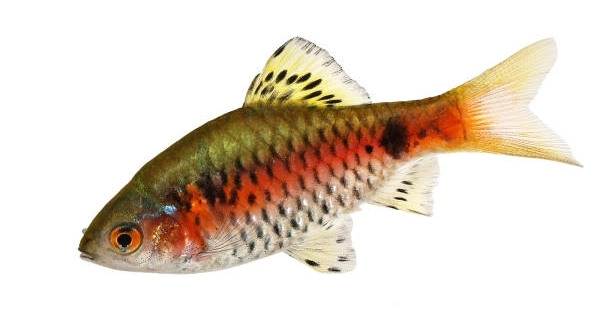
Rosy barbs are colorful, lively fish often seen in home aquariums. Their behavior can change noticeably after cleaning their tank, sometimes acting unusual or different from their normal routine. These shifts may surprise fish owners who expect calm fish after maintenance.
Rosy barbs often act strange after cleaning due to stress caused by changes in water conditions and environment. Sudden shifts in water temperature, pressure, or chemical levels can cause temporary disorientation and unusual swimming or hiding behaviors.
Understanding these common reactions can help fish owners better manage their tank care routines and ensure the well-being of their rosy barbs over time.
Common Signs of Stress After Tank Cleaning
After a tank cleaning, rosy barbs often show clear signs of stress. They may swim erratically, hide more than usual, or appear restless. Some fish might stay near the surface or cling to decorations. These behaviors happen because the cleaning disturbs their familiar environment. Changes in water temperature, new smells, and movement of objects can unsettle them. Even small shifts in water chemistry, such as pH or hardness, can cause discomfort. Rosy barbs are sensitive to these changes and react quickly. Over time, most fish adjust as their tank returns to normal. Keeping the environment stable during cleaning helps reduce stress. For example, slowly changing water temperature and avoiding strong chemicals can make a big difference. Watching your fish’s behavior closely after cleaning helps catch problems early and maintain their health.
Fish may also stop eating or show less interest in food after a cleaning session.
Stress in rosy barbs affects their immune system and overall health. When stressed, their bodies produce hormones that weaken resistance to diseases. Prolonged stress can lead to infections or slower recovery from illness. It’s important to keep water quality high and avoid sudden changes during maintenance. Using gentle filtration and regular, smaller cleanings can help maintain balance. Creating hiding spots in the tank gives the fish places to retreat and feel safe. Monitoring water parameters before and after cleaning ensures a stable environment. By understanding these needs, fish owners can reduce stress and support their rosy barbs’ well-being more effectively.
How to Reduce Stress During Cleaning
Keeping the water temperature consistent helps minimize stress for rosy barbs.
Using partial water changes instead of full cleanings reduces disruption in the tank.
When cleaning the tank, avoid washing all decorations or gravel at once to preserve beneficial bacteria. These bacteria help maintain water quality and keep fish healthy. Using a siphon to remove debris without disturbing the substrate too much prevents sudden changes in water clarity or chemistry. Adding water slowly back into the tank reduces temperature shocks. Performing regular, smaller cleanings maintains a stable environment that fish can adapt to easily. Avoid harsh chemicals or soaps, as these can harm the fish or disrupt tank balance. Paying attention to the fish’s behavior during and after cleaning helps identify if any adjustments are needed. Small steps can make cleaning less stressful for both the fish and the owner.
Unusual Swimming Patterns
After cleaning, rosy barbs may swim in unusual ways, such as darting quickly or moving in circles. This behavior often indicates confusion or stress from the sudden changes in their environment. These patterns usually last a short time as fish adjust to the new conditions.
Unfamiliar water currents or pressure shifts caused by cleaning equipment can make rosy barbs swim erratically. They may also test the tank’s boundaries more often than usual. This is a natural response as they explore their changed surroundings. Over time, their swimming becomes smoother as they grow comfortable again. Providing stable conditions helps them regain normal behavior faster. Observing swimming habits after cleaning can reveal the fish’s stress levels and health status.
Erratic swimming can sometimes result from minor water chemistry imbalances. Testing water regularly after cleaning helps catch these issues early. Correcting parameters quickly supports the fish’s recovery. Adding plants or decorations provides safe areas where fish can swim calmly and feel secure. These safe zones encourage regular swimming patterns and reduce anxiety. Keeping track of swimming behaviors helps maintain a healthy tank environment and happier fish.
Changes in Appetite
Rosy barbs may eat less or refuse food right after cleaning. Stress and unsettled water conditions can lower their appetite temporarily. This is common but should not last too long.
A reduced appetite is a natural reaction to changes in their tank. Stress causes the fish to focus on adjusting rather than feeding. It may take a day or two for normal feeding habits to return. Ensuring stable water parameters and a calm environment encourages eating. Offering familiar, high-quality food supports their recovery and energy levels. If appetite loss persists, checking water quality and fish health is important.
Maintaining a consistent feeding schedule helps prevent appetite issues after cleaning. Avoid overfeeding, as leftover food can harm water quality and increase stress. Gradually introducing food after cleaning helps fish adapt better. Watching eating habits closely during this time offers insight into their well-being. Adjusting care based on these observations ensures rosy barbs stay healthy and active.
Increased Hiding Behavior
Rosy barbs tend to hide more after tank cleaning. They seek shelter to feel safe during environmental changes.
This behavior is a natural way for them to reduce stress. Providing extra hiding spots can help them feel more secure and recover faster.
Sensitivity to Light
After cleaning, rosy barbs often become more sensitive to bright light. Sudden changes in lighting can startle them, causing them to avoid well-lit areas. Adjusting the light gradually after maintenance helps minimize this reaction and keeps them comfortable.
Changes in Social Interaction
Rosy barbs may act less social or avoid their usual group swimming after a cleaning. The disruption can cause temporary shifts in their behavior towards other fish. Observing these changes helps identify stress levels and supports better tank management.
FAQ
Why do rosy barbs act strange after cleaning?
Rosy barbs react to changes in their environment caused by cleaning. The disturbance in water quality, temperature shifts, and altered surroundings can stress them. This stress leads to unusual behaviors such as erratic swimming, hiding, or reduced appetite. Their sensitivity to sudden changes makes these reactions common but usually temporary.
How long do these strange behaviors last?
Typically, strange behaviors last from a few hours up to a couple of days. Once the water conditions stabilize and the fish adjust, their normal behavior returns. Consistent care and maintaining stable water parameters help shorten this period. If unusual behavior continues beyond a few days, it might indicate a health problem or poor water quality.
What can I do to minimize stress during cleaning?
To reduce stress, avoid full tank cleanings at once. Perform smaller, partial water changes more frequently. Maintain consistent water temperature and use gentle filtration. Clean decorations gradually and avoid disturbing the substrate too much. Creating plenty of hiding spots allows rosy barbs to retreat and feel secure during the process.
Should I feed my rosy barbs right after cleaning?
It’s best to wait until the fish seem calm and settled before feeding. Some fish lose their appetite temporarily due to stress. Offering small amounts of familiar food once behavior normalizes encourages eating. Avoid overfeeding, as uneaten food can affect water quality negatively and add to fish stress.
Can water changes cause chemical imbalances?
Yes, sudden or large water changes can shift pH, hardness, and other parameters. These changes cause discomfort and unusual behavior. Testing water before and after cleaning helps detect such shifts. Using water conditioners and matching temperature and chemistry of replacement water prevents shocks.
Why do rosy barbs hide more after cleaning?
Hiding is a natural stress response. When their environment changes, fish seek shelter to feel safe. Providing extra plants, caves, or decorations helps reduce anxiety. This behavior should lessen as the fish adjust to their environment again.
Is it normal for rosy barbs to swim erratically post-cleaning?
Yes, erratic swimming often happens due to sudden changes in water flow or pressure. Fish may dart, circle, or bump into objects while getting used to the new conditions. Ensuring gentle water flow and avoiding abrupt changes help fish regain normal swimming patterns quickly.
When should I worry about my rosy barbs’ behavior?
If strange behavior persists for more than a week or is accompanied by physical signs like discoloration, spots, or difficulty swimming, it’s time to investigate further. Checking water quality, consulting with a vet or aquarium specialist, and reviewing care routines can prevent serious problems.
Can frequent cleanings reduce stress over time?
Yes, regular, gentle cleaning helps maintain stable water conditions, reducing stress for rosy barbs. It also helps them get used to routine maintenance. Avoiding large, sudden changes supports healthier fish and a cleaner tank environment.
What is the best way to monitor my rosy barbs after cleaning?
Observe their swimming, feeding, and social interactions closely. Note any hiding or erratic behavior and test water parameters regularly. Keeping a journal or checklist helps track patterns and detect issues early. Early action promotes better fish health and quicker recovery.
Final Thoughts
Taking care of rosy barbs requires attention to how they react to their environment, especially after cleaning the tank. It is normal for these fish to behave differently when their surroundings change. Stress from sudden shifts in water conditions or tank setup can cause unusual actions like hiding, erratic swimming, or loss of appetite. Understanding that these behaviors are common helps fish owners stay patient and provide the right care during these times. Keeping a calm and steady routine during tank maintenance reduces stress and supports the fish’s well-being.
Maintaining stable water quality is key to minimizing these strange behaviors. Avoiding large, sudden water changes and cleaning the tank in smaller steps makes the process less disruptive for rosy barbs. Using proper tools, such as gentle siphons and safe water conditioners, protects the fish from harmful chemicals and temperature shocks. Adding extra hiding spots and maintaining consistent lighting also help the fish feel secure. Regular monitoring of water parameters and fish behavior can alert owners to any issues before they become serious. This proactive approach creates a healthier and more comfortable home for the fish.
Patience is important when caring for rosy barbs after cleaning. It may take a day or two for them to settle back into normal behavior. Feeding should be offered carefully, once the fish appear calm, to avoid worsening stress or water quality. Observing how the fish respond to care routines and environmental changes teaches owners how to improve tank conditions over time. With steady effort and attention, rosy barbs will thrive and show their bright colors and active personalities once again. These small actions make a big difference in supporting the health and happiness of the fish.

Hello,
If you enjoy the content that we create, please consider saying a "Thank You!" by leaving a tip.
Every little bit helps us continue crafting quality advice that supports the health, happiness, and well-being of pets around the world, for pets of all shapes, sizes, and species.
We really appreciate the kindness and support that you show us!